
Image: Wikimedia Commons
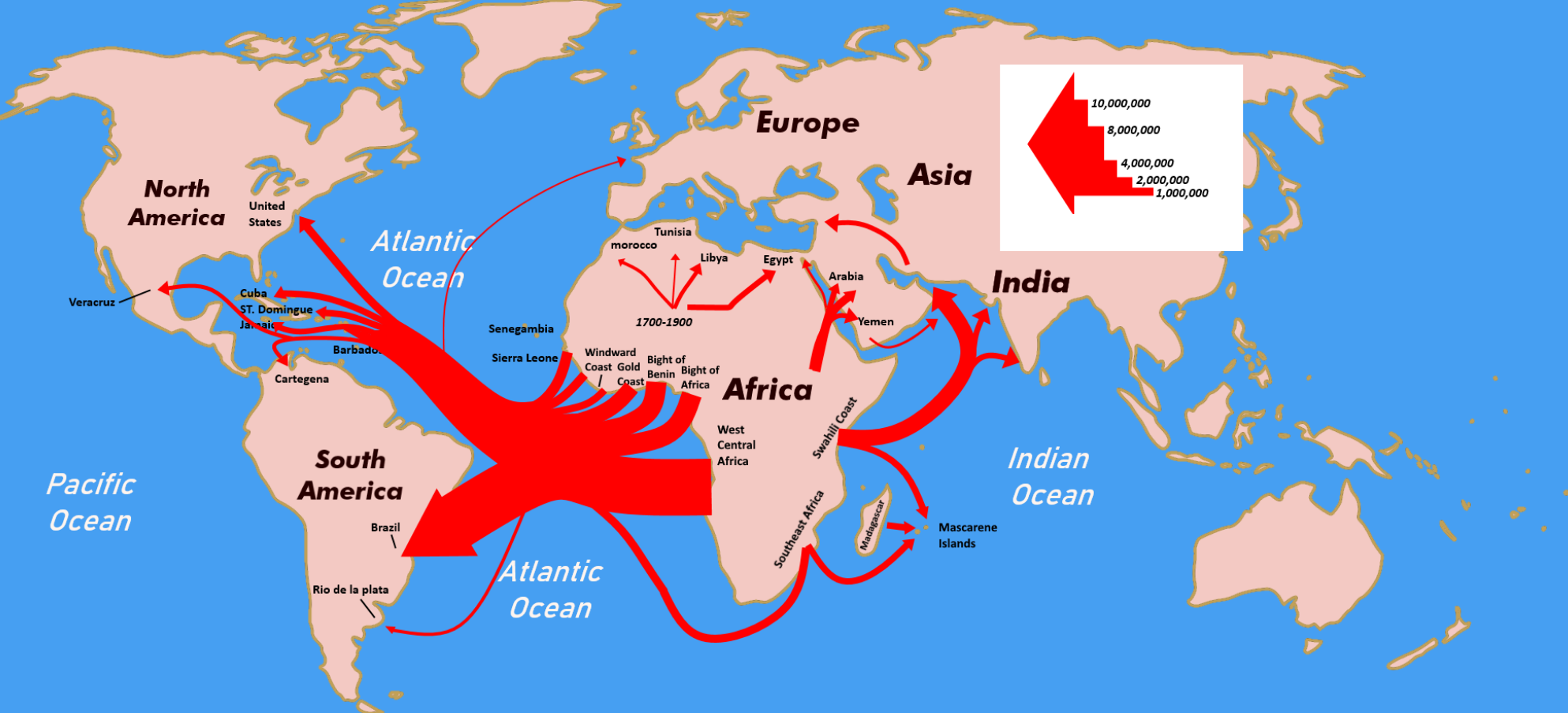
Diasporic and African perspectives on reparations for the Transatlantic Trade in Enslaved Africans and colonialism
Through facilitated dialogue, the event will explore what reparatory justice means in practice for diaspora communities, how the UN resolution and AU frameworks can be translated into concrete, community-responsive action, and where the conversations happening in Africa and those happening in the Americas converge or diverge.
This event is set in the context of the momentum created by the March 2026 UN General Assembly landmark resolution declaring the Transatlantic Slave Trade in Enslaved Africans the gravest crime against humanity, the African Union Decade of Reparations spanning 2026 to 2036, the second UN International Decade for People of African Descent 2025-2034, and other regional initiatives such as the CARICOM Reparations Commission revision of their Ten Point Plan for Reparatory Justice, and the ongoing conversation at the IACHR on the declaration on the rights of People of African Descent, positioning reparations as a global human rights imperative.
While these instruments create normative momentum at the continental and international level, a critical question remains: how do they land in the lived realities of communities across the Americas, the Caribbean, Europe, and within Africa itself? This event brings the perspectives of Africans and people of African descent, who carry the intergenerational consequences of these crimes, exploring both the common ground and the distinct contours of reparations demands as they are articulated from different shores of the Atlantic.
Speakers:
- Litha Musyimi-Ogana, Commissioner of the African Commission on Human and Peoples' Rights (ACHPR)
- Sara Alves Branco, Instituto de Referência Negra Peregum
- Jeggan Grey Johnson, Open Society - Africa
- Abdoulaye Diallo, Raddho
Moderator: Lamar Bailey Karamañites, International Service for Human Rights
This event is co-hosted by ISHR and Instituto de Referência Negra Peregum. It will be interpreted into English and French.