
Reprisals | Call for contributions to the Secretary-General’s report on reprisals
NGOs and human rights defenders have until the 18th of May to submit cases of reprisals to the UN Secretary-General's report, covering the period June 2017 to May 2018.
OHCHR is calling for submissions to the Secretary General’s annual report on cooperation with the United Nations, its mechanisms and representatives in the field of human rights – more frequently referred to as the ‘reprisals report’.
The report will cover the period from 1 June 2017 to 31 May 2018. Please send your submission to [email protected]. The deadline for submissions is 18 May, however information on reprisals occurring before the end of May can be submitted up to 31 May.
The report consists of a compilation of cases of intimidation and reprisals due to cooperation with the United Nations organisations and its specialised agencies in the field of human rights, including cases in relation to the Human Rights Council, its Universal Periodic Review and Special Procedures; Human Rights Treaty Bodies; the Office of the High Commissioner for Human Rights, its field presences and Human Rights Advisers; United Nations Country Teams; human rights components of peacekeeping missions and other parts of the Secretariat or specialized agencies working in the field of human rights. The call is thus for information regarding cases of reprisals falling within the scope described above.
Before sending in your information, please ensure that:
1. The case falls within the scope of Human Rights Council resolution 12/2;
2. Consent has been obtained from the alleged victim or his/her family and is clearly indicated in your email; meaning a) the victim or his/her family has been informed and understands the possible security risks, and b) the victim or his/her family has agreed to have his/her case included in the reprisals report; and
3. Mention is made of whether or not the alleged act of reprisal has been referred to in any official UN publication (UN report, press release, public statement, video of UN conference etc.), in which case a reference, including document symbol number where relevant, should be provided.
The report also contains a section for follow-up on previously submitted cases. Therefore, new information on the cases included in the 2014 (A/HRC/27/38), 2015 (A/HRC/30/29), 2016 (A/HRC/33/19) and 2017 (A/HRC/36/31) reports is also welcome. This information could for instance concern continued acts of reprisal or indicate measures that have been taken by the relevant State to investigate or prevent future reprisals from occurring. Please note that the three requirements mentioned above must also be adhered to when providing follow-up information.
Background documents:
–Introduction and background on OHCHR work on reprisals
-2017 annual report of the Secretary-General on “Cooperation with the United Nations, its representatives and mechanisms in the field of human rights” (A/HRC/36/31)
-Human Rights Council resolution adopted on 29 September 2017 on the “Cooperation with the United Nations, its representatives and mechanisms in the field of human rights” (A/HRC/RES/36/21)
–One-pager on submitting information for partners on cases of intimidation and reprisals (in English; Spanish; French; Russian; Arabic; Chinese) and use of [email protected] email address.
Contact: Madeleine Sinclair, [email protected]
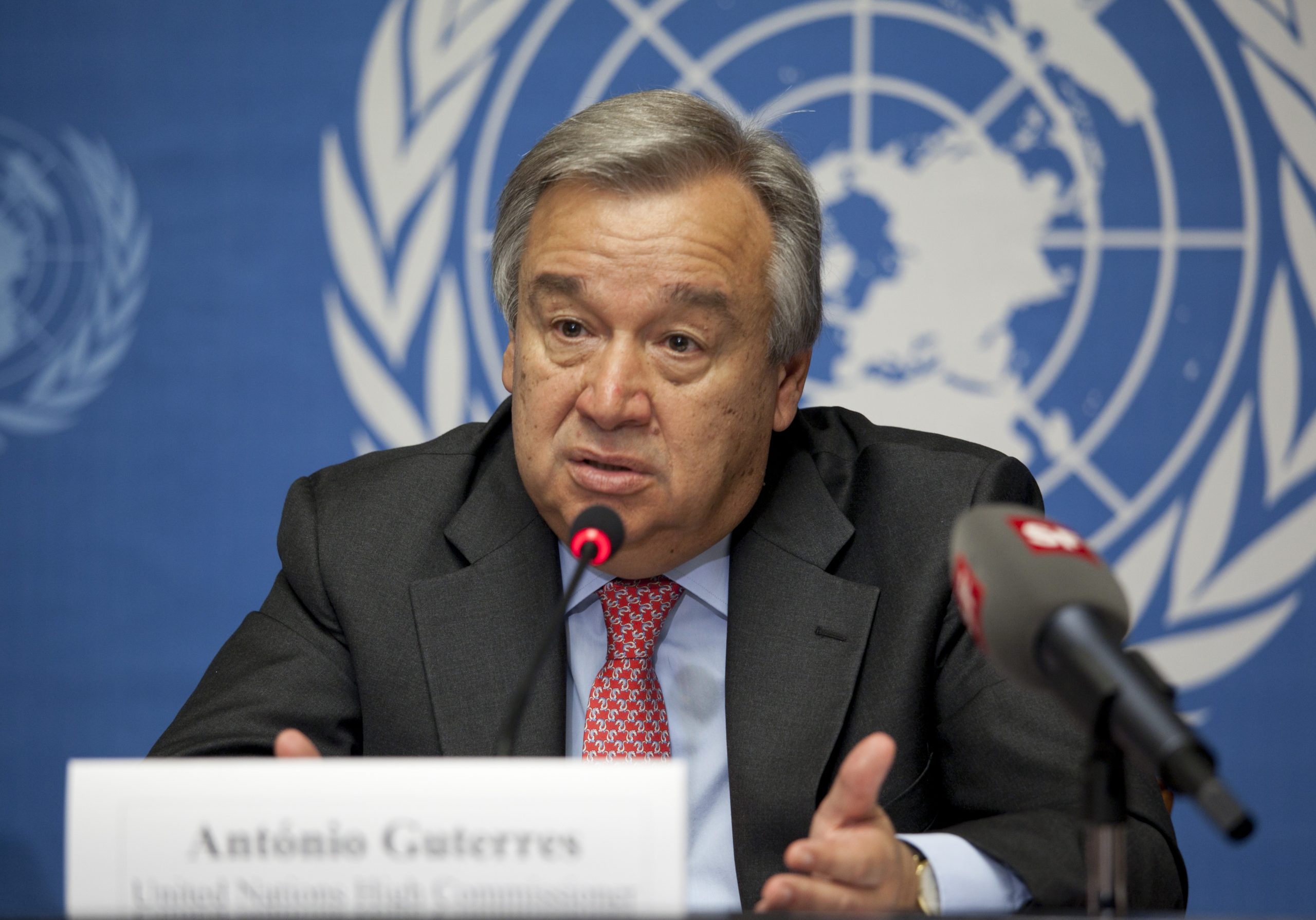
Photo: Wikimedia Commons