At home and abroad: #EndReprisals!

Human rights defenders who engage with the United Nations are increasingly facing reprisals through transnational repression, as States seek to silence criticism beyond their borders.

Human rights defenders are essential in our communities. They document abuses, defend dignity, and push for more inclusive and fair societies. The UN human rights system depends on their engagement: without it, violations remain hidden, and accountability becomes impossible. Everyone has the right to safely engage with the UN, free from intimidation, punishment, or fear. Yet many governments target those who speak out through reprisals and intimidation, in many forms. Protecting people who engage with the UN strengthens the entire human rights system and contributes to driving change. 

One growing form of retaliation is transnational repression: when States, or those acting on their behalf, try to silence or punish people who expose human rights violations or advocate for accountability from abroad. It can include surveillance, threats, harassment, pressure on family members, or seizure of property. Although international bodies are increasingly recognising transnational repression as a human rights violation, serious protection gaps remain.  

Without stronger action, those targeted for engaging with the UN, and their families, remain at risk, within and outside their countries of origin. 

The world is beginning to recognise transnational repression. Now it must act to stop it. 

Read the stories of human rights defenders who left their countries of origin, but the threats continue.  

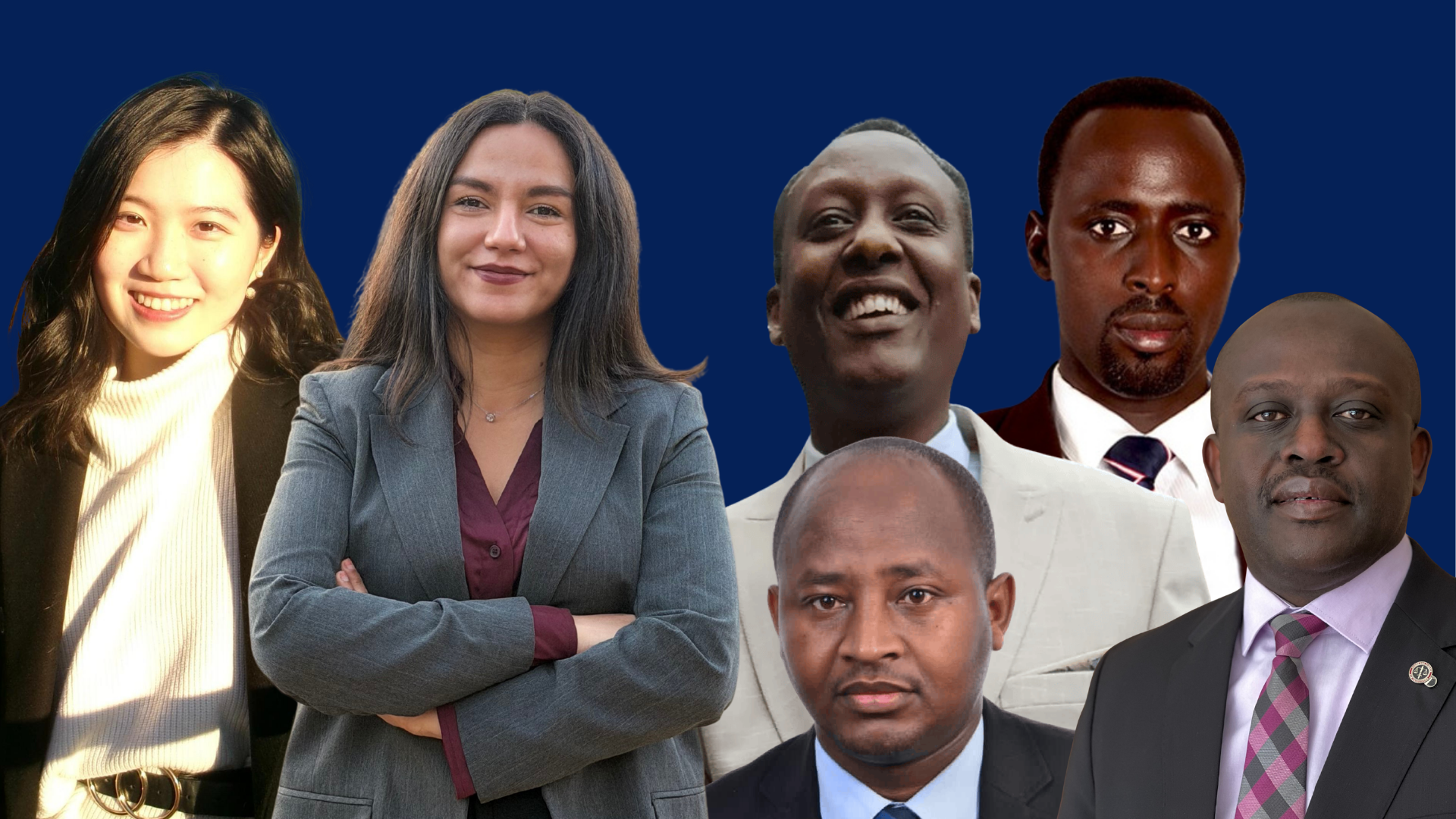
Basma Mostafa

Egypt

Basma is an Egyptian journalist and human rights defender.  For years, Basma used investigative journalism to expose serious human rights violations in Egypt. Her reporting came at a high personal cost.

Basma Mostafa

Egypt

“I defend human rights” 


Basma is an Egyptian journalist and human rights defender.  For years, Basma used investigative journalism to expose serious human rights violations in Egypt. Her reporting came at a high personal cost.


After being detained and targeted by Egyptian authorities because of her work, she left Egypt in 2020 with her two daughters in search of safety. 


But leaving her country did not end her commitment to justice. From exile, Basma continued to document human rights violations and engage with international human rights mechanisms, including the United Nations. 


“The threats continue abroad” 


Basma’s story illustrates the growing use of transnational repression as a form of reprisals against human rights defenders. 


Even after leaving Egypt, Basma continued to face intimidation linked to her human rights work and engagement with the UN. She has been subjected to threats, surveillance, online harassment, cyberattacks and physical assault while living in exile.  


Her case demonstrates how reprisals can cross borders, targeting defenders who continue speaking out and cooperate with international human rights mechanisms. 


The seriousness of her case led UN human rights experts to raise concerns with the governments of Egypt, Germany and Switzerland. Her situation was later included in the UN Secretary-General’s report on reprisals, which highlighted concerns about continued harassment and transnational repression linked to her engagement with UN human rights mechanisms. 


“It does not stop my commitment to justice” 


Despite these attacks, Basma continues her work in support of human rights and democracy. 


In Berlin, she co-founded the Law and Democracy Support Foundation e.V., an exile-led human rights organisation working at the intersection of documentation, legal analysis, and international advocacy. Through her work, she continues to amplify the voices of survivors, support exiled activists, and advocate for accountability, including through engaging with United Nations mechanisms and European institutions. 


Basma’s case has also helped draw international attention to transnational repression as an emerging human rights challenge. Her engagement with the UN has contributed to greater recognition of the ways reprisals can occur both at home and abroad, and of the need for stronger protections for defenders in exile. 


Her story is a reminder that crossing a border does not always end the danger. But neither does it end the determination and commitment of those who defend human rights. 

Anna Kwok

Hong-Kong

Anna is a Hong Kong democracy advocate and human rights defender living in exile. Through her work at the Hong Kong Democracy Council (HKDC), Anna has worked to advance human rights, fundamental freedoms, and democratic participation for the people of Hong Kong.

Anna Kwok

Hong-Kong

“I defend democracy” 


Anna is a Hong Kong democracy advocate and human rights defender living in exile. 


Through her work at the Hong Kong Democracy Council (HKDC), Anna has worked to advance human rights, fundamental freedoms, and democratic participation for the people of Hong Kong. From abroad, she engaged with governments, civil society, and the United Nations to raise concerns about the impact of national security legislations on civil society. 


Leaving Hong Kong did not end her commitment to her community. Instead, Anna continued her advocacy internationally, including through engagement with UN human rights mechanisms. 


“The threats extended to my family” 


Anna’s story demonstrates how reprisals can extend far beyond borders and reach the families of those who speak out. 


Because of her human rights advocacy and international engagement, Anna has become the target of a growing campaign of transnational repression. Hong Kong authorities have publicly designated her as a wanted person under national security legislation, issued an arrest warrant against her, revoked her passport, and offered a financial reward for information leading to her arrest. 


The United Nations has raised concerns about actions taken against Anna and other activists living in exile, highlighting the chilling effect that national security laws can have on human rights defenders and civil society. In 2025, Anna’s case was included in the UN Secretary-General’s report on reprisals, in connection with her ongoing engagement with UN human rights mechanisms. 


But the impact of transnational repression is not limited to those directly targeted. 


In 2026, Anna’s father was sentenced to eight months’ imprisonment in in what human rights groups described as the first known persecution of a family member of an exiled Hong Kong activist under national security legislation. His prosecution raised serious concerns about the targeting of family members as a means of punishing and intimidating human rights defenders beyond borders. 


Anna’s experience illustrates how reprisals follow defenders into exile and reach the people closest to them. 


“It does not stop my work for my community”


Despite these efforts to silence her, Anna continues to advocate for the rights and freedoms of the people of Hong Kong. 


Through her work with the Hong Kong Democracy Council, she engages with international institutions, governments, and civil society partners to ensure that the voices of the people of Hong Kong continue to be heard.  


Anna’s case has helped draw attention to the growing use of transnational repression against activists in exile and their family and to the risks faced by those who engage with the United Nations and the international community. 


Her story is a reminder that leaving home does not always end the pressure. It also shows that defenders continue to speak out, organise, and advocate for their communities despite attempts to silence them. 

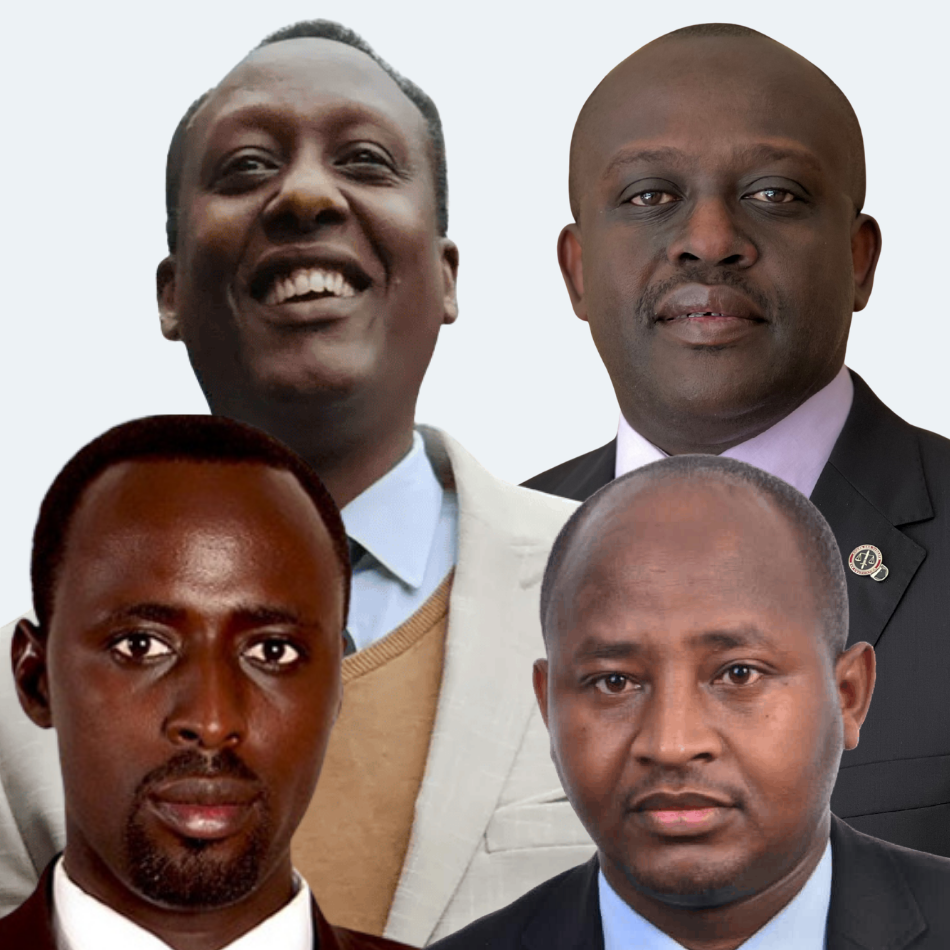
Armel, Dieudonné, Vital and Lambert

Burundi

Armel, Dieudonné, Vital and Lambert are Burundian human rights lawyers. They worked to document serious human rights violations and support victims seeking justice.

Armel, Dieudonné, Vital and Lambert

Burundi

“We defend justice” 


Armel Niyongere, Dieudonné Bashirahishize, Vital Nshimirimana and Lambert Nigarura are Burundian human rights lawyers. 


They worked to document serious human rights violations and support victims seeking justice. In 2016, they engaged with the UN Committee against Torture during its review of Burundi, providing information about the human rights situation in the country. 


Their cooperation with the United Nations came at a heavy cost. 


Following their engagement with the Committee, three of the lawyers were disbarred and one was suspended from practising law. Facing increasing risks and fearing further persecution, all four had to flee Burundi and rebuild their lives in exile. 


“Reprisals follow us” 


Leaving Burundi did not end the reprisals. 


The lawyers continued to face punishment linked to their cooperation with the UN human rights system. They were accused of participating in an insurrectional movement and an attempted coup d’état and became the subject of criminal proceedings. 


In 2021, three of the four lawyers were sentenced in absentia to life imprisonment. The judgment also ordered financial penalties and the seizure of assets belonging to them and their families. To this day, their assets remain frozen in Burundi. 


Measures taken in Burundi continue to affect their lives, livelihoods and families across borders. Exile has not shielded them from punishment. Instead, the consequences of cooperating with the United Nations followed them beyond their country’s borders. 


The lawyers remain disbarred or suspended from their profession and unable to return home safely. Their case has repeatedly been raised by States and UN experts as a serious example of reprisals against those who engage with the UN human rights system. 


“We continue to seek accountability” 


Despite exile, professional sanctions and criminal convictions, the four lawyers have continued their human rights work. 


For years, they pursued justice through the very international mechanisms for which they were punished. Their persistence led to a landmark outcome in 2025, when the UN Committee against Torture found that Burundi had violated the Convention against Torture by retaliating against them for cooperating with the Committee. 


In a precedent-setting decision, the Committee affirmed that States have a duty to protect individuals who engage with UN human rights mechanisms from intimidation and reprisals. It further recognised that reprisals can constitute cruel, inhuman or degrading treatment and, in some circumstances, may amount to torture. 


The decision marked an important victory not only for the four lawyers, but for human rights defenders everywhere who rely on the United Nations to raise concerns and seek justice. 


Their story is a reminder that reprisals do not always stop at national borders, and that human rights defenders should never be punished for seeking justice through the United Nations. 


Click to Take Action

#EndReprisals

Join our campaign by writing a letter to State representatives so they publicly raise the cases of Anna, Basma and Armel, Dieudonné, Lambert & Vital at the Human Rights Council and the the General Assembly.

Click to Take Action

#EndReprisals

You can join our campaign by:  


Calling on States to publicly raise the cases of Anna, Basma and Armel, Dieudonné, Lambert & Vital at the UN Human Rights Council and at the General Assembly. 


Click to send an email to Permanent missions

What do we want? 

We want transnational repression against Anna, Basma and Armel, Dieudonné, Lambert & Vital to end so they can speak out freely, continue their human rights work, and either return home safely or live abroad without fear of retaliation 

For this to happen, States must hold their peers accountable.   

When intimidation and reprisals against human rights defenders occur, we want the UN to effectively address these cases, support the victims and push for accountability and redress.   

We call on States to publicly condemn reprisals and intimidation against those who engage with the UN, and raise specific cases of victims at the Human Rights Council in Geneva and the General Assembly in New York.   


How do we achieve this? 

We mobilise diplomatic missions, encouraging them to speak out and raise individual cases of reprisals against defenders at the UN and in other spaces and hold their peers to account.  

We convince the UN Secretary General and his team to acknowledge and document ALL cases of reprisal and intimidation by including them in his annual report on reprisals and intimidation against defenders engaging or seeking to engage with the UN and its human rights mechanisms.  

We push the UN system to establish clearer protocols on how to consistently and effectively prevent, respond and follow up on cases of reprisals.   

We encourage governments, activists, and concerned individuals to stand in solidarity with human rights defenders and organisations who are subjected to reprisals and intimidations. 


What can you do?  

Send a message to States that raised cases of reprisals in the past and to those where defenders in exile are being targeted by the government in their country of origin. Urge them to raise the cases of Anna, Basma and Armel, Dieudonné, Lambert & Vital and shed light on their stories and the threats they are facing while in exile.

Write an email


All you need to know on intimidation and reprisals at the UN

Human rights defenders are essential agents of change. They promote dignity, fairness, peace and justice in their homes, workplaces, communities and countries. They challenge governments that fail to respect and protect their people, corporations that degrade and destroy the environment, and institutions that perpetuate privilege and patriarchy.

For many the United Nations (UN) is the last arena in which they can confront abuses. And yet, here too they are silenced and harassed by governments. Some States intimidate human rights defenders and victims who try to engage with UN human rights bodies and mechanisms to report violations, or carry out reprisals against those who manage to engage. Those governments see these defenders as enemies and their engagement with the UN as a threat to their image and power.

Over the past years, the reported number and severity of intimidation and reprisals cases has increased.

Acts of intimidation and reprisals aim at creating fear or blocking access to the United Nations of people who defend human rights. Reprisals and intimidation take different forms, from travel bans, threats and harassment, including by officials, smear campaigns, surveillance, introduction of restrictive legislation, transnational repression to physical attacks, arbitrary arrest and detention, torture and ill-treatment, including sexual violence, denial of access to medical attention and even killings.  

The right to safe and unhindered access to international and regional justice mechanisms, and to be free from any form of intimidation or reprisal for seeking justice, is both a fundamental human right and essential to the relevance and effectiveness of these mechanisms. 

The participation of human rights defenders in the work of international and regional mechanisms makes for better outcomes. Defenders bring crucial information and perspectives regarding human rights situations on the ground and international and regional mechanisms depend on that knowledge and input to make informed decisions.

The UN has developed a number of mechanisms to deal with intimidation and reprisals over the last 30 years. The main mechanism is currently a report published annually by the UN Secretary-General that collects and publishes incidents of intimidation and reprisals documented by the different UN human rights mechanisms or otherwise submitted by victims.

In addition, since 2016, the Assistant Secretary-General for Human Rights has been designated as the senior official to lead the efforts within the UN system to address intimidation and reprisals. You can find more information on the page of the United Nations. 

While this appointment led to an increase in resources and better reporting and follow up, there is still room to strengthen the UN’s response. For instance:

  • there is no clear tracking and follow up system on cases and there has been no long-term analysis after 30 years of UN work on reprisals regarding what is working and what is not;
  • many incidents go unreported and others are excluded;
  • few states have taken a clear, vocal and public stance against reprisals and even fewer have called on their peers to stop these violations ;
  • few human rights defenders know about the UN mechanisms to address reprisals and/or don’t know how to use them effectively.

ISHR seeks to ensure that international and regional human rights systems have the mechanisms to prevent reprisals and ensure accountability where they occur. ISHR provides protective publicity to human rights defenders at risk and works to bring cases of alleged intimidation and reprisals to the attention of relevant officials in an effort to press for effective preventative measures and responses.

Every year we submit a list of cases of reprisals and intimidation to the UN Secretary-General for him to include in his annual report. 

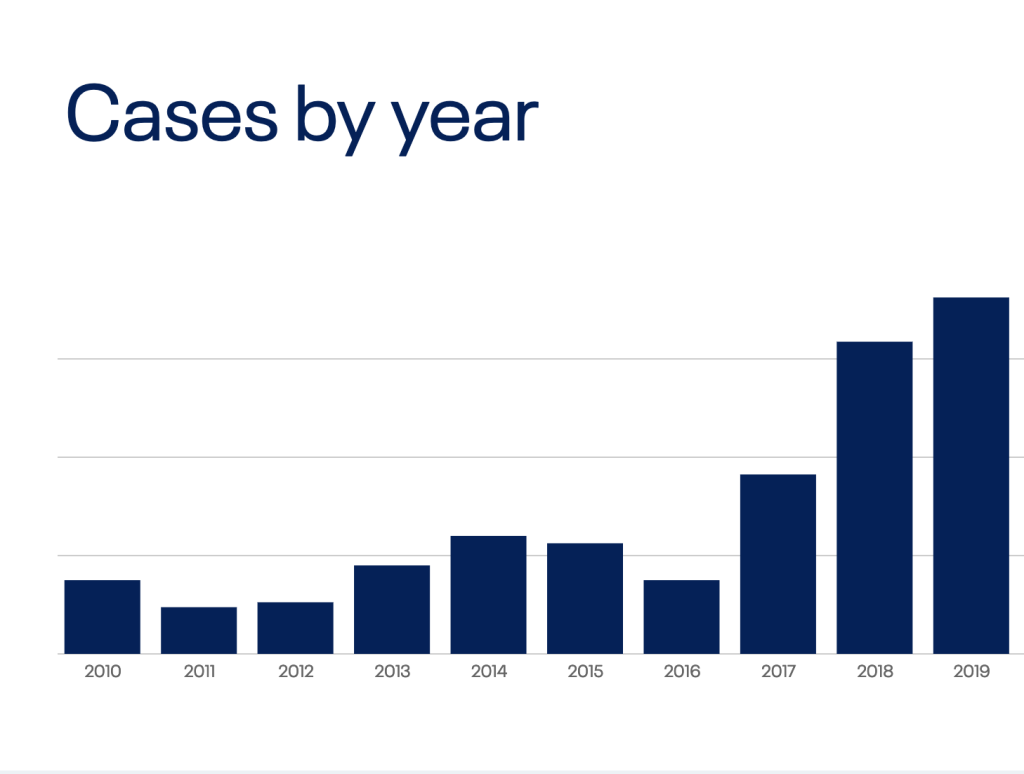
In 2022, ISHR launched the #EndReprisals database which offers a platform where all cases included in the Secretary-General’s reports since 2010 are readily accessible, with detailed information on each case, including the activities of the affected groups or individual defenders, the kind of reprisals they suffered and how these were  triggered. With this database, users can more easily navigate the information contained in the Secretary-General’s reports, and research, analyse, and take action on the cases or situations. 

ISHR has also published a Handbook on Reprisals to help human rights defenders who engage with the UN to navigate the system and its procedures in case of reprisals or intimidation. 

ISHR's #EndReprisals database

ISHR's #EndReprisals database

In order to assist stakeholders with research, analysis and action on cases of reprisals and intimidation, ISHR launched an online database compiling cases or situations of intimidation and reprisals documented by the United Nations (UN) Secretary-General between 2010 and 2025.

Visit ISHR's #EndReprisal database

Additional ressources

ISHR Reprisals Report Cover 2026

Reprisals: ISHR reports on cases of reprisals across 24 States for UN submission

In response to the annual call for inputs from the UN Secretary-General, ISHR has submitted 66 cases of intimidation and reprisals against human rights defenders engaging with the UN from 24 countries.

Reprisals: New ISHR handbook on reprisals for human rights defenders

ISHR is pleased to launch its updated Reprisals Handbook in four languages (five versions), an essential resource for all stakeholders concerned about intimidation and reprisals against those cooperating with international or regional human rights systems.

ISHR Reprisals Report cover 2025 - Submission to the UN Secretary-General on recent developments, cases and recommendations.

Reprisals: ISHR reports on cases of reprisals across 28 States for UN submission

In response to the annual call for inputs from the UN Secretary-General, ISHR has submitted 114 cases of intimidation and reprisals against human rights defenders engaging with the UN from 28 countries.

Reprisals: Toolkit on assessing and mitigating risks for UN engagement

An essential tool for human rights defenders and all stakeholders concerned about intimidation and reprisals against those cooperating with international or regional human rights systems.

Join us!

Join our email list to receive the latest updates on intimidation and reprisals at the UN.