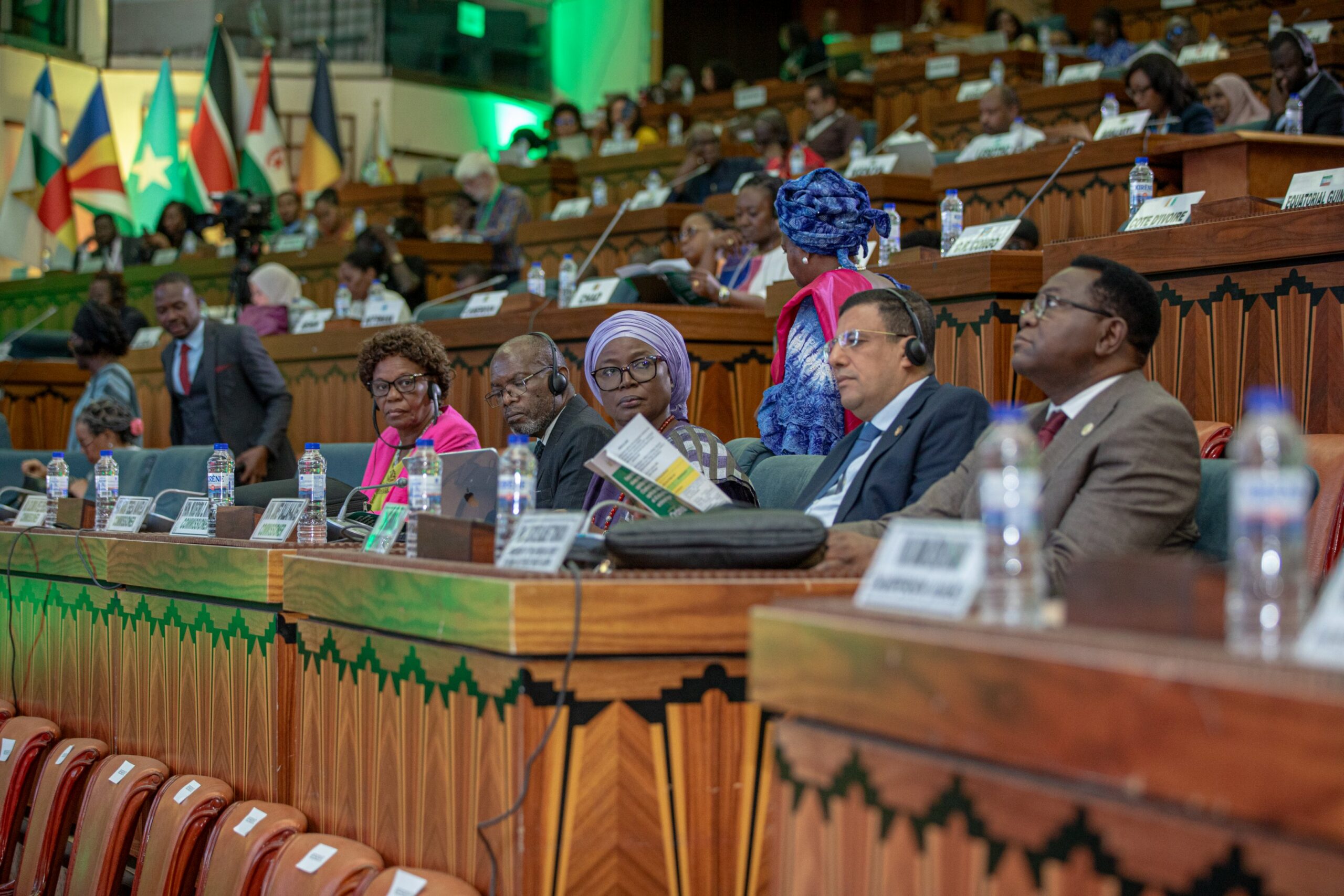
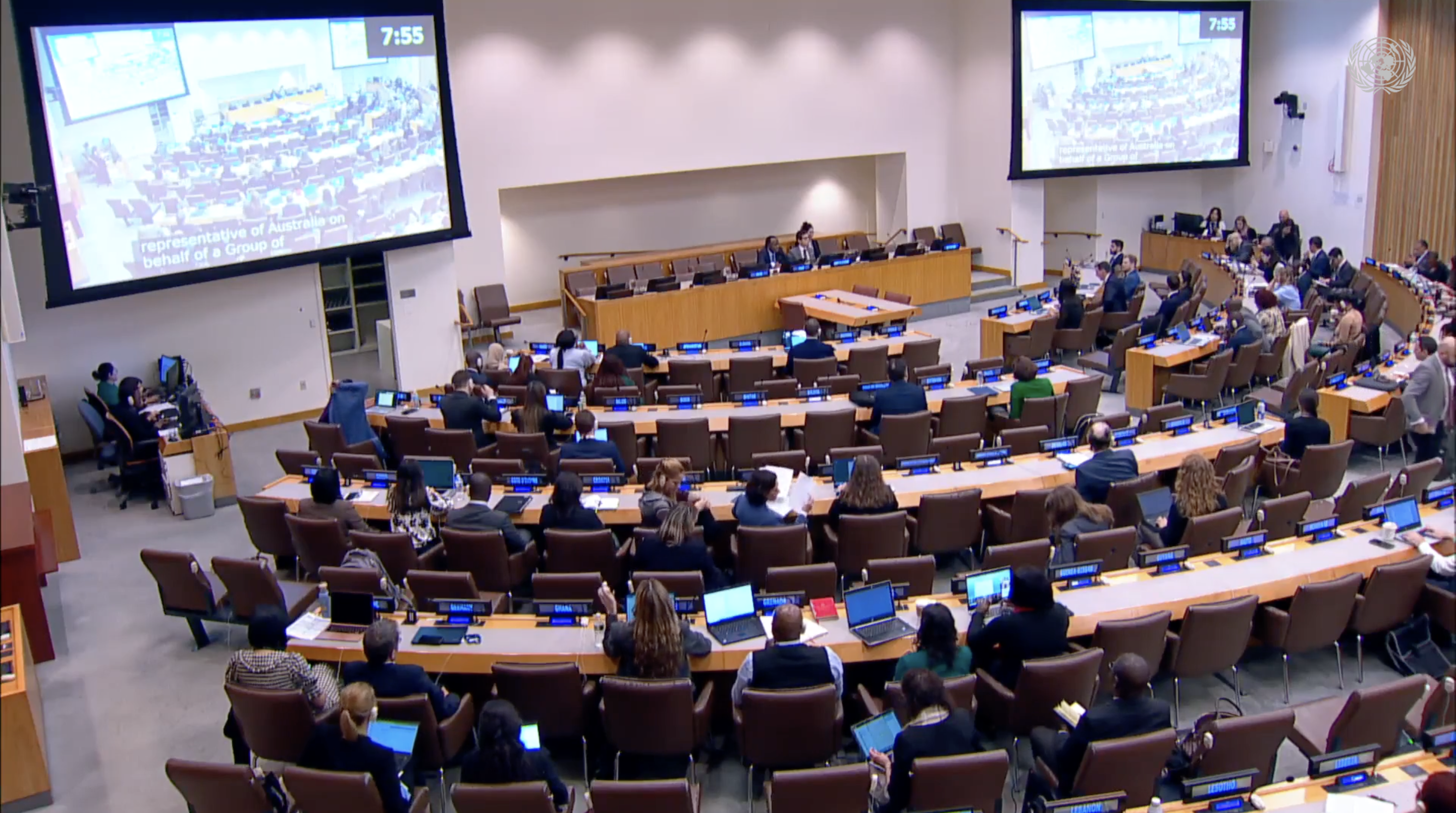
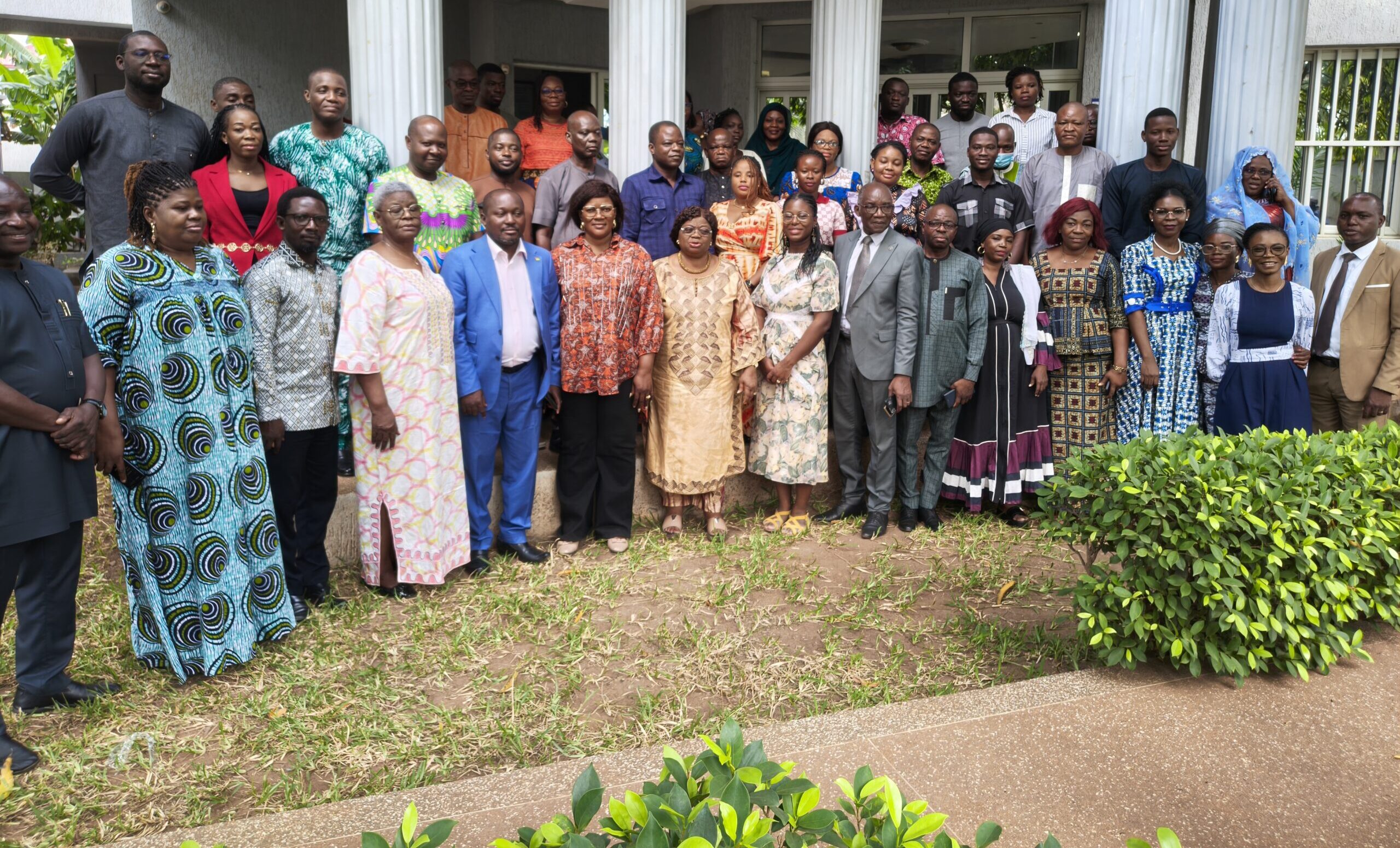
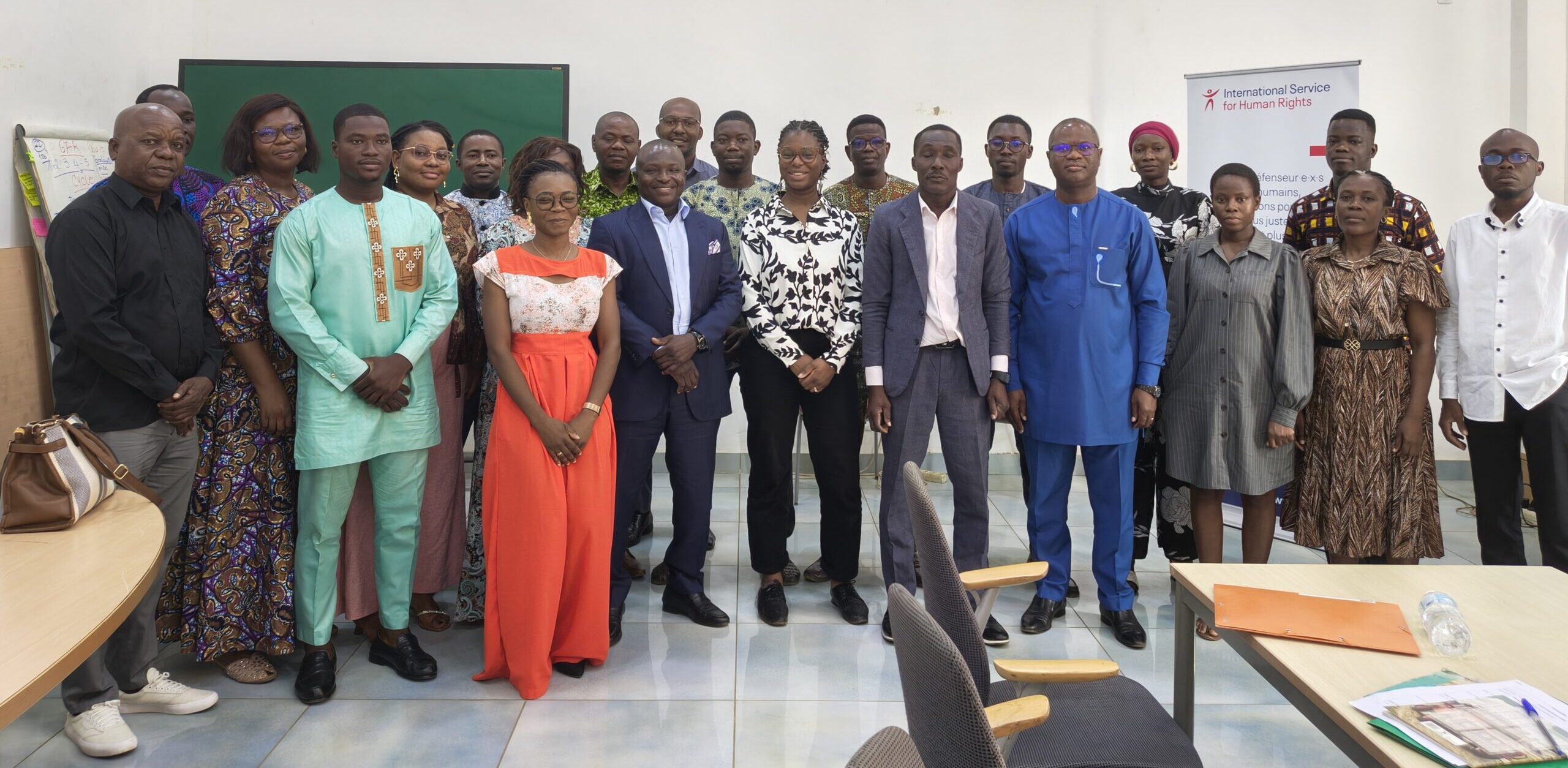
On 20 and 21 October, the third Joint Special Mechanisms forum and high level dialogue took place during the session of the African Commission on Human and Peoples’ Rights. It was an opportunity to highlight four decades of impact by the African Charter, but also to confront implementation gaps and forge a roadmap for the next decade toward more visible Special Mechanisms capable of advocating the rights of all Africans.
Speakers celebrated the Charter as the foundation of Africa’s regional human-rights system and as a ‘living instrument’ capable of responding to contemporary challenges. They emphasised its distinctive combination of civil and political rights, economic, social and cultural rights, peoples’ rights, environmental protection, development, and individual duties.
The fact that the forum was held in Dakar gave the commemoration a particular symbolic weight, as African jurists prepared an early draft of the Charter in the Senegalese capital in 1979. Several of these original drafters and former ACHPR commissioners attended the forum.
Speakers also highlighted the Charter’s role in legitimising civil society, developing African human-rights jurisprudence, and making state sovereignty less of a shield against scrutiny of alleged violations.
The central message was that the Charter’s greatest weakness is not its standards but their implementation.
Participants repeatedly argued that success should be measured by whether people experience the Charter as real protection: whether a woman facing violence, a young person denied education, a displaced community, or a threatened defender can obtain protection, redress, and hope.
The African Court’s presentation illustrated the scale of the problem: although it had finalised 273 cases, only about 5% had been fully implemented and around 10% partially implemented.
Civil society and defenders
Civil society was consistently framed as an indispensable partner in democratic accountability, peacebuilding, documentation, alternative reporting, and protection of rights—not an obstacle to governance.
The African Commission’s special mechanisms were praised for being accessible to defenders, including through engagement with grassroots organisations, country visits, and joint UN–ACHPR initiatives.
At the same time, speakers warned that defenders and civil society organisations face reprisals after submitting alternative or shadow reports, including problems in their relations with state delegations.
They called on States to stop reprisals, protect people engaging with regional mechanisms, and ensure that urgent appeals, provisional measures, and fact-finding missions lead to concrete protection rather than remaining symbolic interventions.
Moreover, freedom of association and assembly were presented as essential conditions for democracy, participation, accountability, and the work of human rights defenders. Articles 9, 10, 11, and 13 of the Charter were cited as protecting information, association, assembly, and participation in government.
Speakers warned that counter-terrorism, conflict, and political instability can lead to arbitrary detention, intimidation of journalists, dissolution or suspension of associations and media outlets, and restrictions on peaceful participation.
They insisted that any restrictions must meet equality, necessity, and proportionality standards, and must not be used to suppress criticism, associations, journalists, trade unions, or peaceful public life.
Institutional and resource constraints
Sessions on both days identified inadequate financing, staffing, and technical capacity as major barriers to the ACHPR’s effectiveness.
Commissioners said the body could not respond to multiple State requests for promotional missions, lacked resources for translation and dissemination of decisions, and relied too heavily on donations for some activities.
The communications system also faces accessibility barriers, lengthy proceedings, inconsistent use of provisional measures, weak reparations, and poor monitoring of implementation.
Speakers called for stronger cooperation between the African Commission, the African Court, African Union Peace and Security Council, national human rights institutions, regional economic communities, universities, and civil society.
In addition, States were identified as the primary duty bearers under Article 1 of the Charter, with the responsibility to domesticate, enforce, budget for, and practically implement its guarantees. Speakers criticised low or delayed state reporting under Article 62, limited responses to urgent appeals, reluctance to host missions, and failure to implement Commission recommendations.
Mozambique offered a positive example of a national inter-ministerial committee coordinating policy, State reporting, expert visits, and civil-society engagement.
The Gambia acknowledged both progress—such as establishing a national human rights commission and anti-torture legislation—and continued gaps in reporting, reparations, prosecutions, and implementation of recommendations.
Emerging rights challenges
The forum also linked the Charter’s implementation to contemporary and interconnected risks: climate change, extractive industries, digital surveillance and artificial intelligence, migration and xenophobia, conflict, corruption, and democratic backsliding.
On climate and business, speakers encourage States to assess foreseeable harm, ensure meaningful community participation, regulate corporate human-rights risks, and provide accessible remedies.
On digital rights, they called for safeguards against discriminatory algorithms, intrusive surveillance, and automated decisions, including transparency, human review, independent oversight, and effective remedies.
Overall, speakers put forward a number of recommendations during the two days, including:
- Create national mechanisms for reporting, follow-up, and implementation of the African Commission and African Court’s decisions.
- Establish an African Union-level compliance and monitoring framework, with compliance reporting as a permanent agenda item.
- Provide the Commission and its special mechanisms with adequate, transparent financial, human, and technical resources.
- Strengthen accountability and effective remedy mechanisms for victims and defenders, including referral pathways to relevant institutions.
- Protect civil society, journalists, associations, peaceful assemblies, and defenders from reprisals and unlawful restrictions.
- Improve access to the communications procedure, reduce delays, use provisional measures consistently, and monitor reparations and implementation.
- Deepen cooperation among the African Commission, the African Court, the African Union organs, regional bodies, national institutions, universities, and civil society.
- Expand human-rights education and public awareness of the Charter, especially among young people and rural communities.
Over two days, the Forum celebrated the Charter’s historic achievement but converged on a clear warning: its next phase must prioritise implementation, resourcing, the protection of civic space, accountability, and tangible remedies so that the African Charter becomes an enforceable source of protection in people’s daily lives rather than an aspiration on paper.