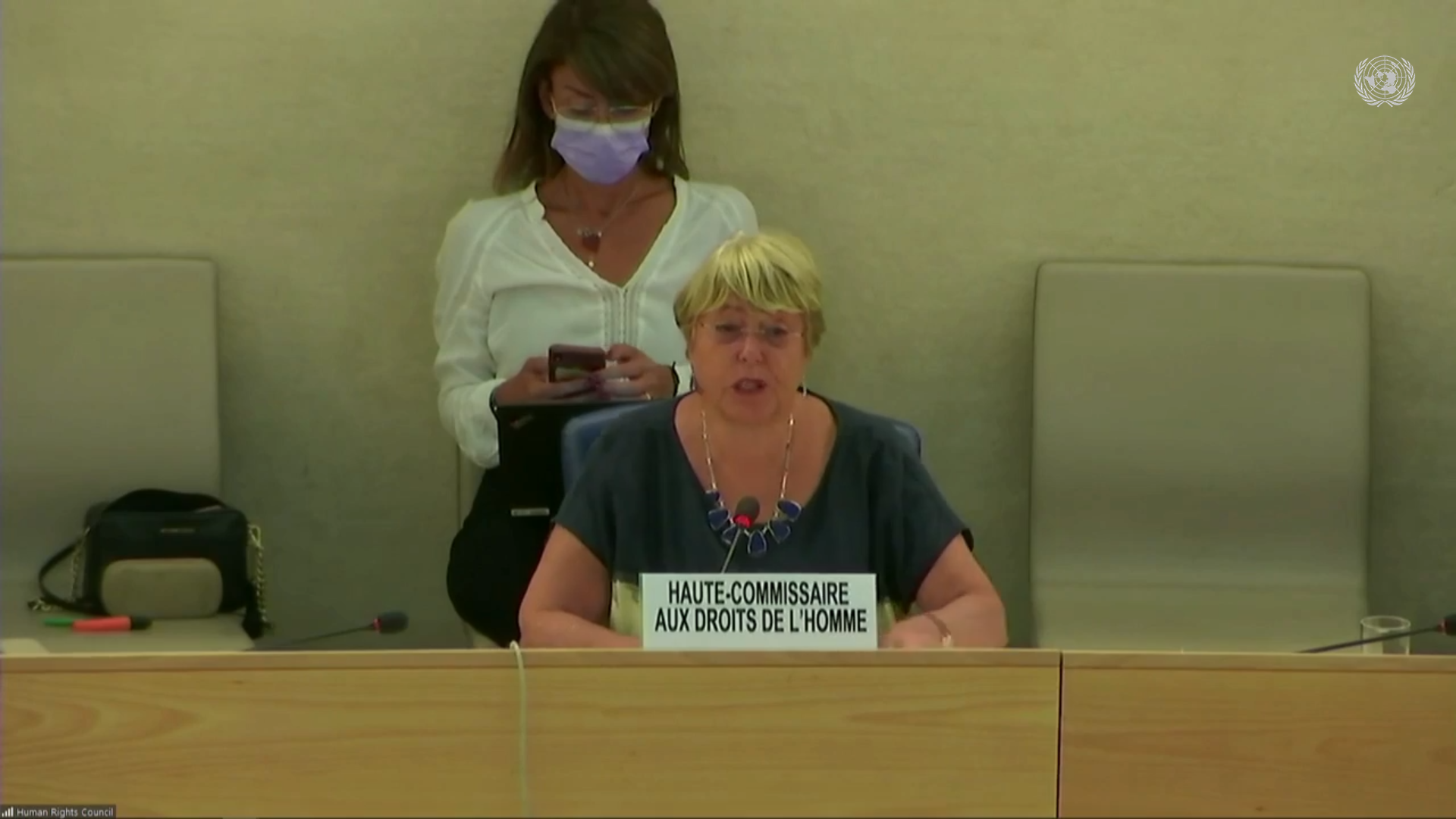
Opening the 48th Session of the Human Rights Council, the High Commissioner addressed the climate change crisis “as the single greatest challenge to human rights of our era.” Responding to the High Commissioner’s global update on human rights at the 48th session of the UN Human Rights Council, ISHR joined the High Commissioner’s call for leadership on environmental justice by Human Rights Council Members.
Addressing the Council, ISHR called on the Council to “respond urgently to the environmental crisis, as well as to the repeated calls by diverse States and civil society by recognising the right to a safe, clean, healthy and sustainable environment, and by establishing a new Special Rapporteur on climate change.”
ISHR further urged the Council to “recognise the critical role of environmental human rights defenders in addressing climate change and safeguarding biodiversity, contribute to their enhanced protection, and pursue accountability against those State and non-State actors who attack and kill defenders.”
On Afghanistan, ISHR called for an “independent investigative mechanism of Afghanistan with a gender-responsive and multi-year mandate and resources to monitor and regularly report on, and to collect evidence of, human rights violations and abuses committed across the country by all parties.”
ISHR also noted the High Commissioner’s update “that no progress has been made for meaningful access to the Xinjiang Uyghur Autonomous Region of China.” ISHR repeated its calls for public monitoring and reporting on this situation undertaken with the full engagement of civil society.
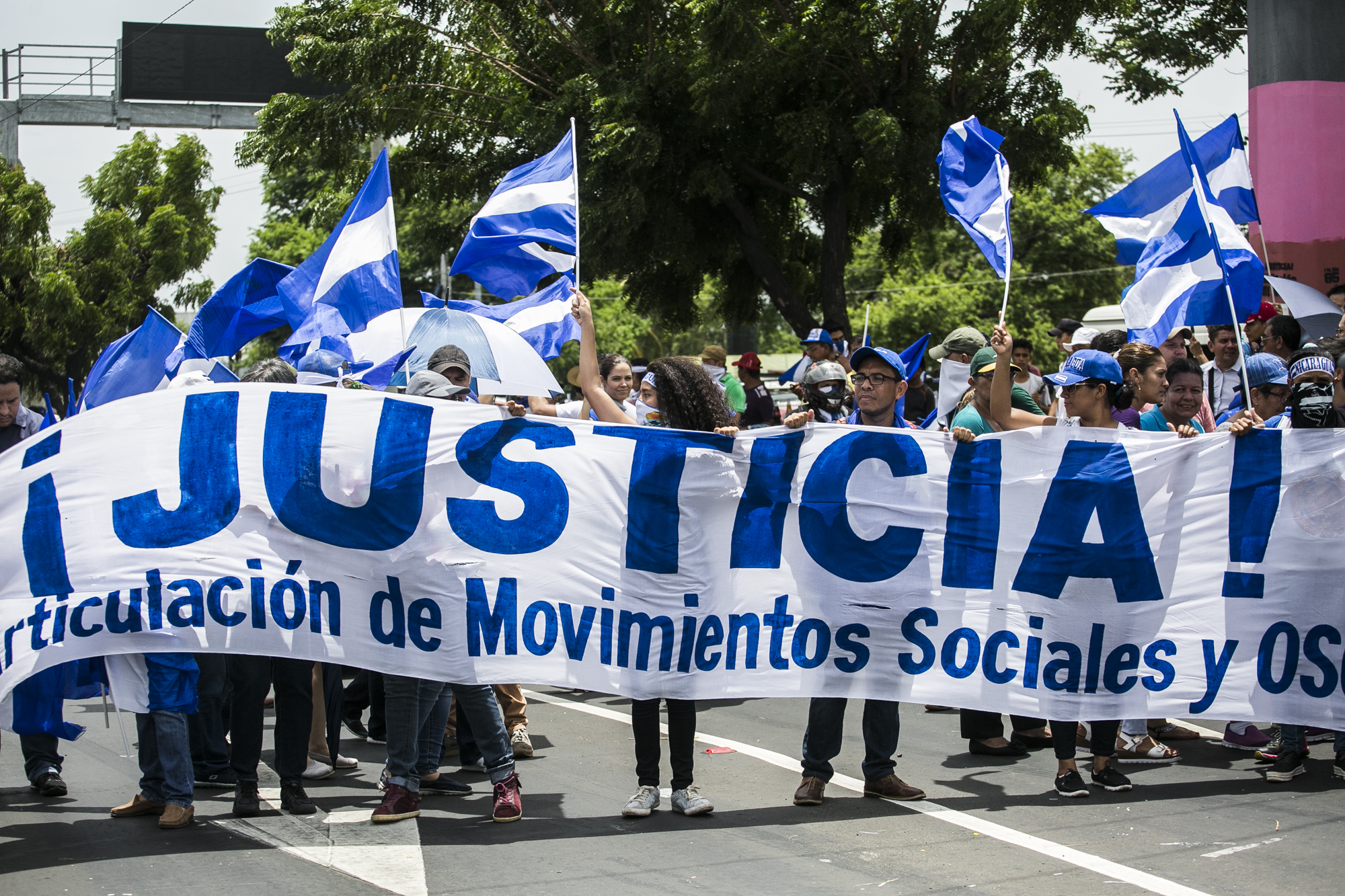
Finally, in relation to Nicaragua, ISHR called on the Council to monitor the ongoing repression of defenders and any form of dissent ahead of the election on November 7. ISHR has noted that the Government of Nicaragua has yet to implement Resolution 46/2, and called for the creation of an international accountability mechanism on the situation of human rights in Nicaragua.