HRC58: Including defenders in the defenders’ protection mechanism in Côte d’Ivoire
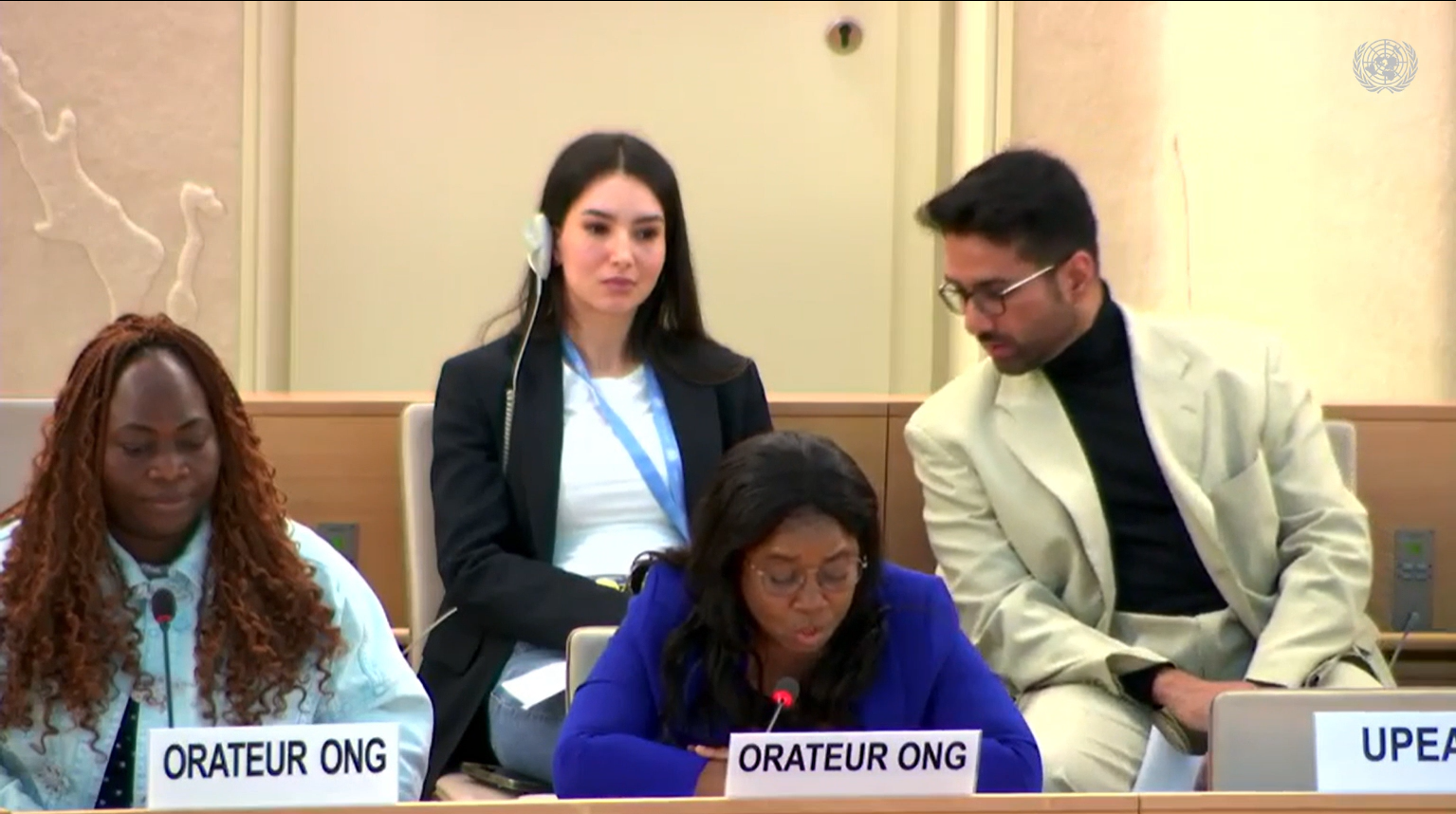
In collaboration with ISHR, the Coalition ivoirienne des défenseurs des droits humains (CIDDH) delivered an oral statement before the Human Rights Council (HRC) on the situation of human rights defenders in Côte d’Ivoire during the session on the adoption of the country’s Universal Periodic Review (UPR) report. The statement called for, among other things, the inclusion of human rights defenders in the country’s national human rights defenders protection mechanism.
In 2014, Côte d’Ivoire became the first country in Africa to adopt a human rights defenders protection law, a major advancement. However, full implementation of the law through, in particular, the full operationalisation of the national human rights defenders protection mechanism, remained a work in progress. In particular, the lack of inclusion of human rights defenders in their own protection mechanism remains an issue. As such, ISHR and the CIDDH welcomed the Ivorian authorities’ intention to commit to the inclusion of human rights defenders in the national human rights defenders protection mechanism and stand ready to collaborate with the government to ensure it becomes a reality.
Moreover, the statement drew attention to ordinance n° 2024-368 on the organisation of civil society. This ordinance, which has already moved to the plenary stage at the National Assembly and will become law once adopted, contains measures that are restrictive to freedom of association and to the principle of autonomy of civil society organisations, notably measures regarding the dissolution of civil society organisations and the prosecution of leaders of civil society organisations.
Finally, the CIDDH and ISHR called on Côte d’Ivoire to:
integrate human rights defenders in the makeup of the national human rights defenders protection mechanism
ensure a legal framework for civil society that guarantees freedoms of association and assembly, in line with the human rights defenders protection act and with Côte d’Ivoire’s international human rights commitments, notably in light of ordinance n°2024-368
establish a permanent, inclusive national body made of all relevant civil society stakeholders to track the implementation of UPR and treaty bodies’ recommendations made to the State.
Watch the full statement below.
Author
Antoine Tremblay
Antoine holds an LL.M. from Peking University, a Master of International Law from Université Panthéon-Assas, and a B.C.L. and J.D. from McGill University. He is a global citizen and young professional in human rights, development cooperation, and humanitarian action and supports the Africa programme at ISHR.
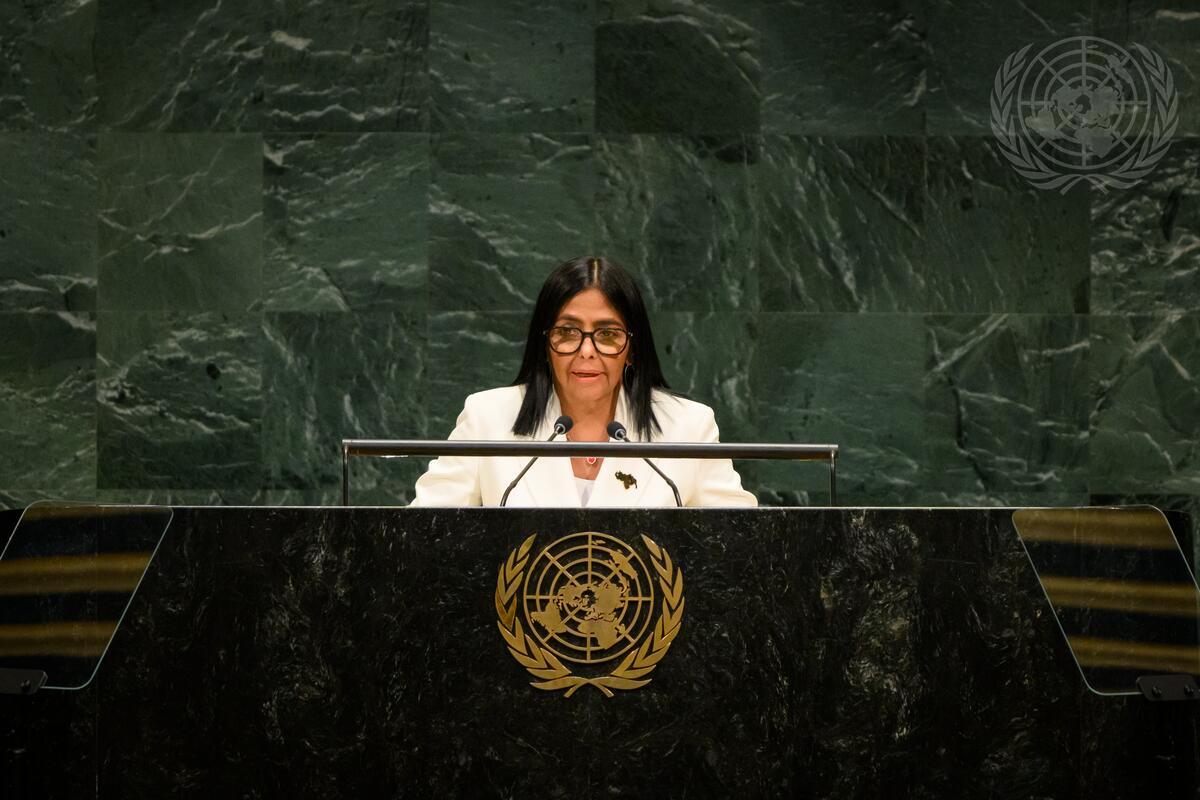
The Human Rights Council renewed the mandates of its Fact-Finding Mission on Venezuela and of the Office of the United Nations High Commissioner for Human Rights to monitor human rights in the country, at a time when global scrutiny is more needed than ever to ensure reforms respect and protect human rights.
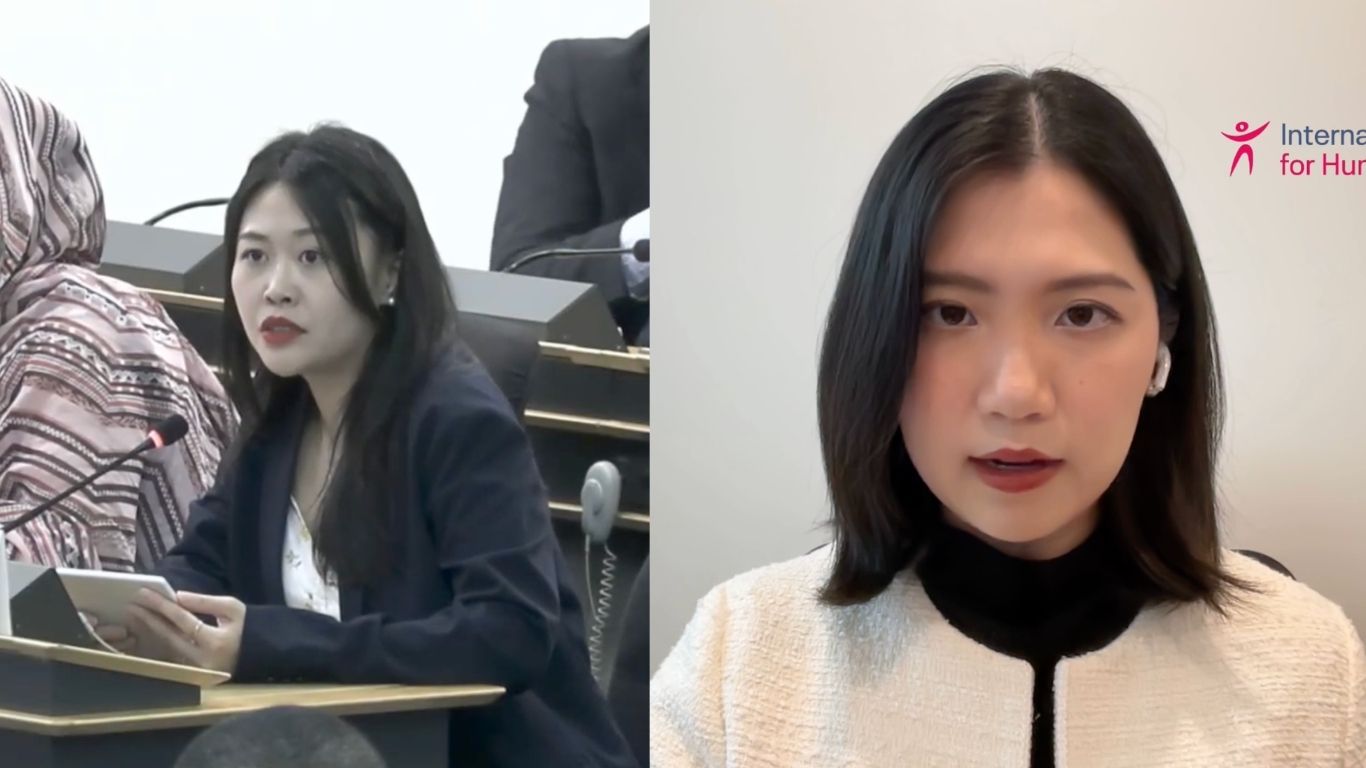
At the Human Rights Council’s 63rd session (HRC63), Hong Kong human rights defenders Carmen Lau and Anna Kwok brought their testimony of transnational repression before the Council, as States renewed scrutiny of China’s human rights record.
The public session of the 89th session of the African Commission on Human and Peoples' Rights (ACHPR) will be held in Dakar, Senegal, from 12 to 21 October. The public session will be preceded by a training session organised jointly by ISHR, Front Line Defenders and Defend Defenders on 6, 7 and 11 October, and the NGO Forum, organised by ACDHRS from 8 to 10 October.