UN80 Initiative : defenders’ voices matter!

ISHR has followed the UN80 Initiative and has advocated for this reform process to align with human rights defenders' needs. This page compiles a series of documents to understand what the UN80 Initiative is and what it means for the UN human rights mechanisms, and to help human rights defenders working at national and regional levels to engage with it. 

On 12 March 2025, Secretary-General Antonio Guterres launched the UN80 Initiative to update the UN’s structures, priorities, and operations for the 21st century so the system ‘remains effective, cost-efficient and responsive to the people it serves’. 

The UN80 Initiative has been presented as an opportunity to strengthen the UN system and better deliver for all stakeholders, particularly those most marginalised and vulnerable. In practice, however, it has focused on efficiency, rationalisation and trimming spending. 

Between June 2025 and June 2026, ISHR publicly campaigned for the UN80 reform process to be in line with the expectations, needs and demands of human rights defenders, victims and survivors. The campaign recognised the urgent need for substantive, long-term reform of the UN system in order to adequately respond multiple and acute global crises, but also urged for decisions to improve the effectiveness, reach, and responsiveness of UN human rights mechanisms and to not focus solely on efficiency and cost-cutting. 

As of August 2026, ISHR continues to follow the UN80 Initiative through our advocacy work. We have refocused our public campaign on the medium-term reforms that States should address to ensure that the UN human rights system can prevent violations and atrocities, respond to emerging global challenges, tackle inequalities, advance justice and accountability, and put the rights and experiences of people at the centre of its work.

This page compiles a series of documents to understand what the UN80 Initiative is and what it means for the UN human rights mechanisms, and to help human rights defenders working at national and regional levels to engage with it. 

On 21 July 2025, ISHR and 16 civil society partners sent to the UN Secretary General and the High Commissioner for Human Rights a joint letter regarding the UN80 Initiative with a set of principles, criteria and concrete proposals that should guide the reform process. This letter was the first input of the campaign and was followed by a series of submissions, articles, letters that you can consult below. 

Resources for civil society

UN80 Initiative: quick guide to support CSOs engagement

Do you find it difficult to understand what the UN80 Initiative is all about? ISHR has produced a document in which we have attempted to systematise useful information that could support civil society's advocacy and engagement UN80 Initiative process.

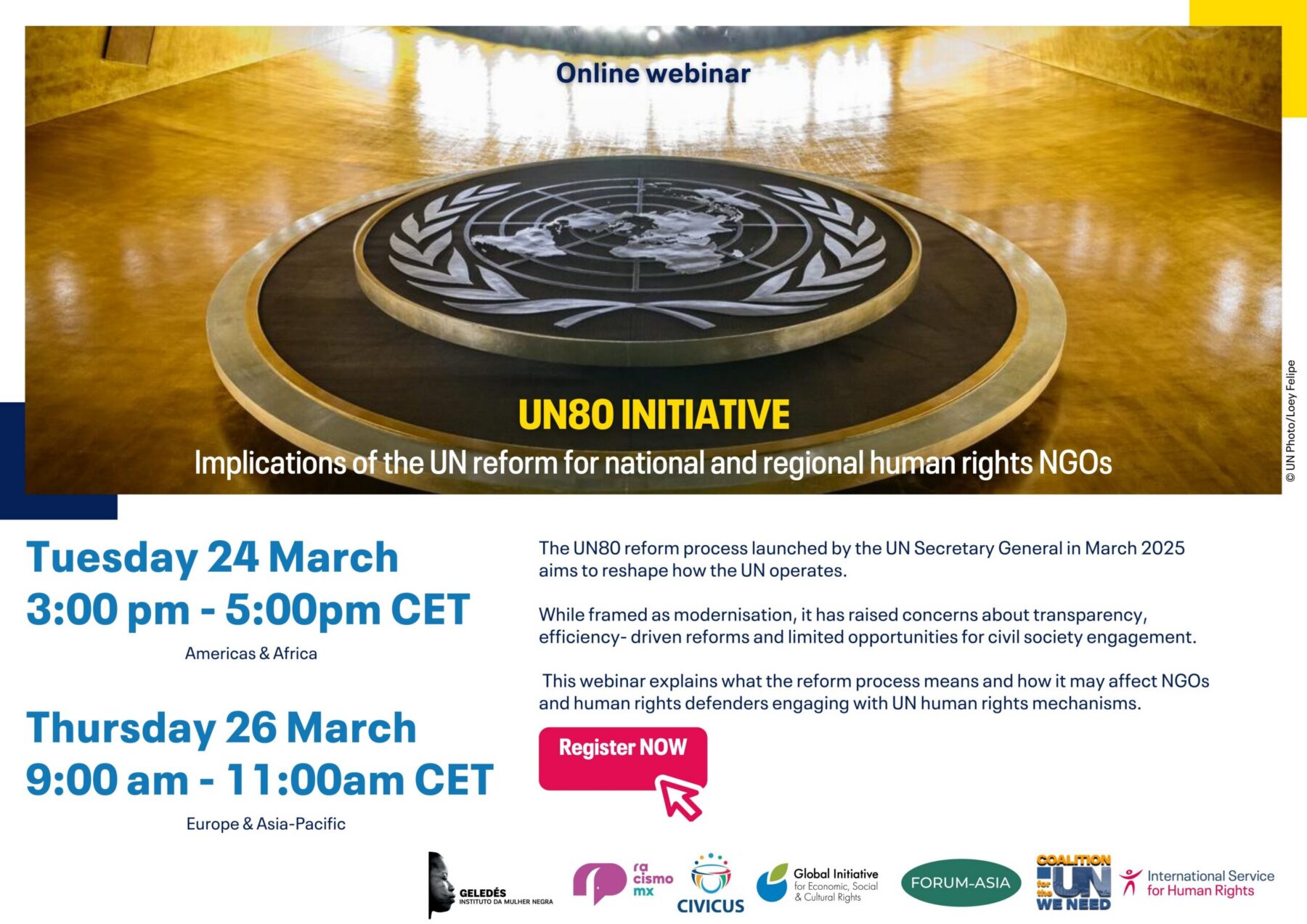
Replay of our Webinar on UN80 Initiative for NGOs

Do you promote human rights at the national or regional level? Are you interested in understanding more what the UN80 Initiative is about and whether it will make any difference to your engagement with UN human rights mechanisms? On 26 March ISHR and partners held an online webinar on the UN80 reform process and how it may affect NGOs and human rights defenders working at the national and regional levels.

Question mark on plain background

What are human rights defenders saying?

ISHR ran an online survey for human rights defenders and organisations working in national and regional contexts between 3 June and 16 July 2025. We received 171 responses. Read an analysis of defenders' views on the future and the reforms of the UN.

ISHR take on budgetary cuts (Workstream 1)

UN Financial Crisis: Mapping the Impact for Human Rights

New landing page! This is a compilation of publicly available information on how the liquidity crisis and budget cuts related to the UN80 Initiative are affecting the work of UN human rights mechanisms since 2024, including their ability to fulfil their mandates and deliver tangible improvements for individuals and communities.

UN Photo/Elías

UN80 Reform: States endorse slashing of human rights budget

At a time of financial strife and ongoing reform for the organisation, States have adopted a 2026 budget cutting 117 jobs at the UN’s Human Rights Office. The final budget endorses proposed cuts that disproportionately target human rights, imperilling the UN’s ability to investigate grave abuses, and advance human rights globally.

40 States warn: protect UN human rights pillar from devastating funding cuts

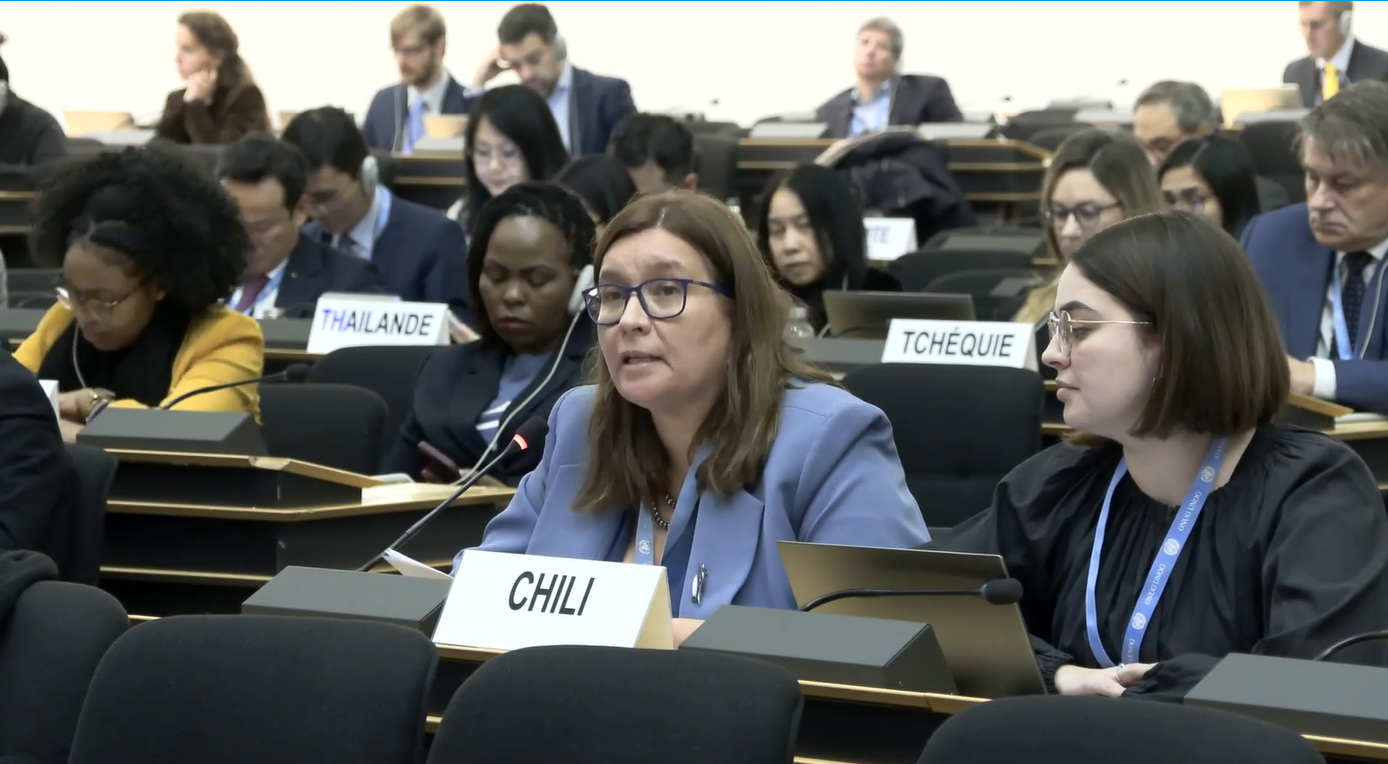
40 countries, led by Chile, warned that proposed budget cuts under the UN80 initiative would severely weaken an already underfunded UN human rights pillar. As negotiations kick off in New York, ISHR urges States to prevent disproportionate cuts to human rights and ensure the international human rights system remains credible, effective and responsive.

.

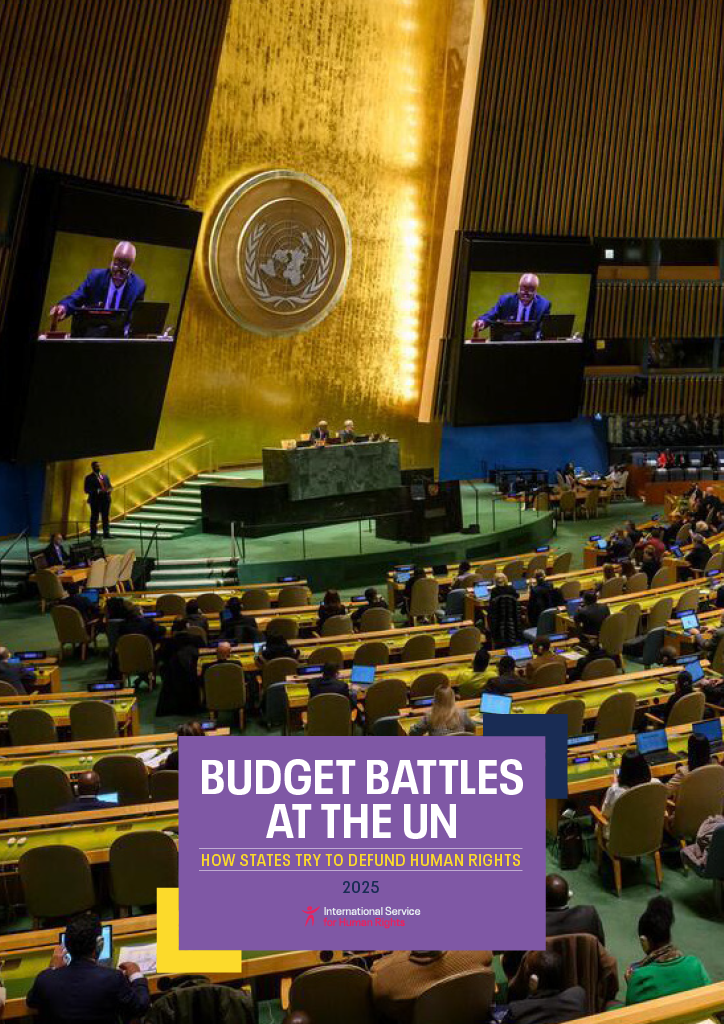
Budget battles at the UN: How States try to defund human rights’

New ISHR report exposes how some States are manoeuvring to defund the UN's human rights work. The report documents coordinated efforts to block or cut funding for the Office of the High Commissioner for Human Rights (OHCHR) and Human Rights Council investigations, as well as inconsistent payments that have deepened the UN’s financial crisis.

ISHR take on mandate implementation review (Workstream 2)

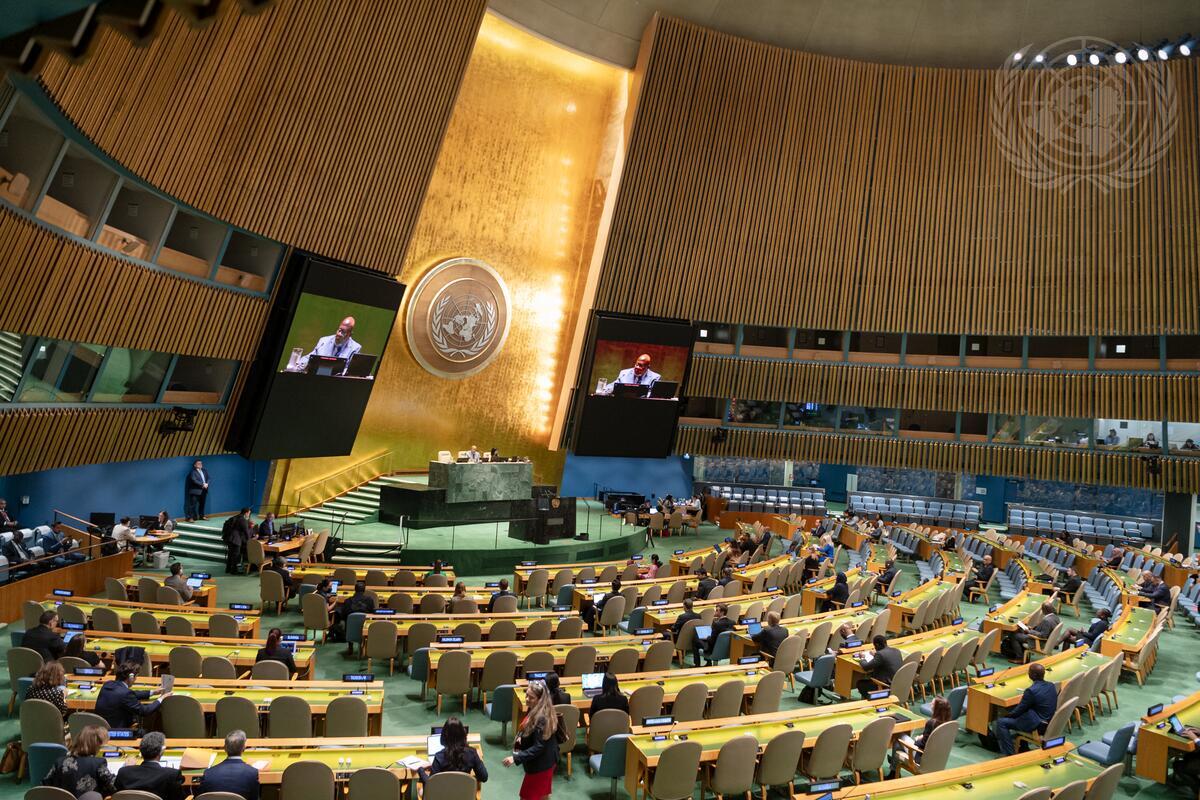
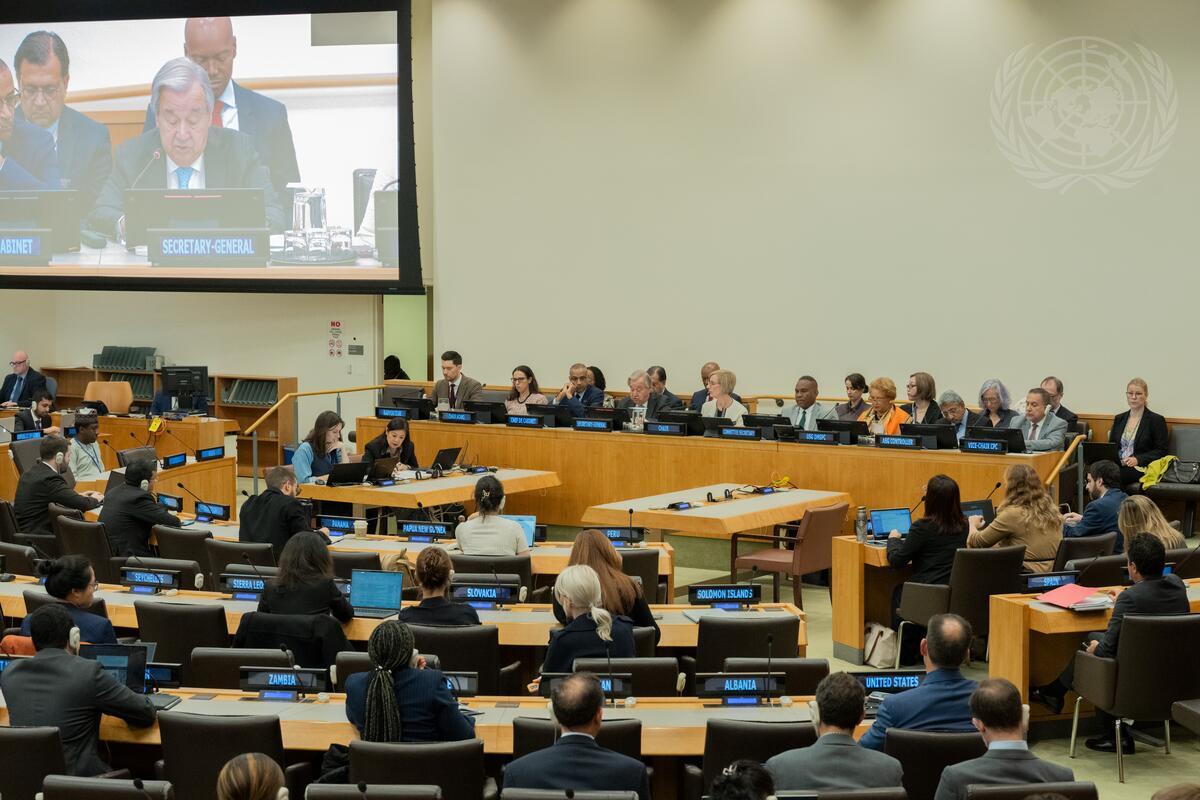
Secretary-General António Guterres (fourth from left at dais and on screen) addresses the Fifth Committee on the Proposed Programme Budget for 2026.

General Assembly reporting cuts to Special Procedures mandates: an analysis

In 2025, the General Assembly adopted resolution to reduce the Third Committee’s workload. Subsequent discussions established a set of guiding principles aimed at progressively reducing the number of mandates reporting to each session of the Third Committee. Successive efficiency initiatives, the UN’s ongoing budgetary constraints, and the UN80 reform process have further prompted Member States to advance proposals to reduce the reporting periodicity of Special Procedures to the General Assembly. The analysis provides an overview of reductions in reporting implemented so far.

UN80: Member States agree on modalities for review of UN mandates

The UN General Assembly adopts a much awaited resolution to streamline and improve how mandates are created, implemented and reviewed, aiming for a more focused and efficient UN. States should ensure that future mandate review discussions take into full consideration the specificities of human rights mandates, and fully consult civil society.

© UN Photo / Jean-Marc Ferré

Joint civil society written submission to the resolution on mandate implementation review

Joint submission by 18 NGOs made in the context of the UN80 Workstream 2 mandate implementation review zero draft resolution. The submission was shared with UN Member States ahead of the 13 February deadline for written feedback on the zero draft, in the hopes that the views of civil society engaging with the UN human rights system might inform States own written feedback.

ISHR take on the new Human Rights Group (Workstream 3)

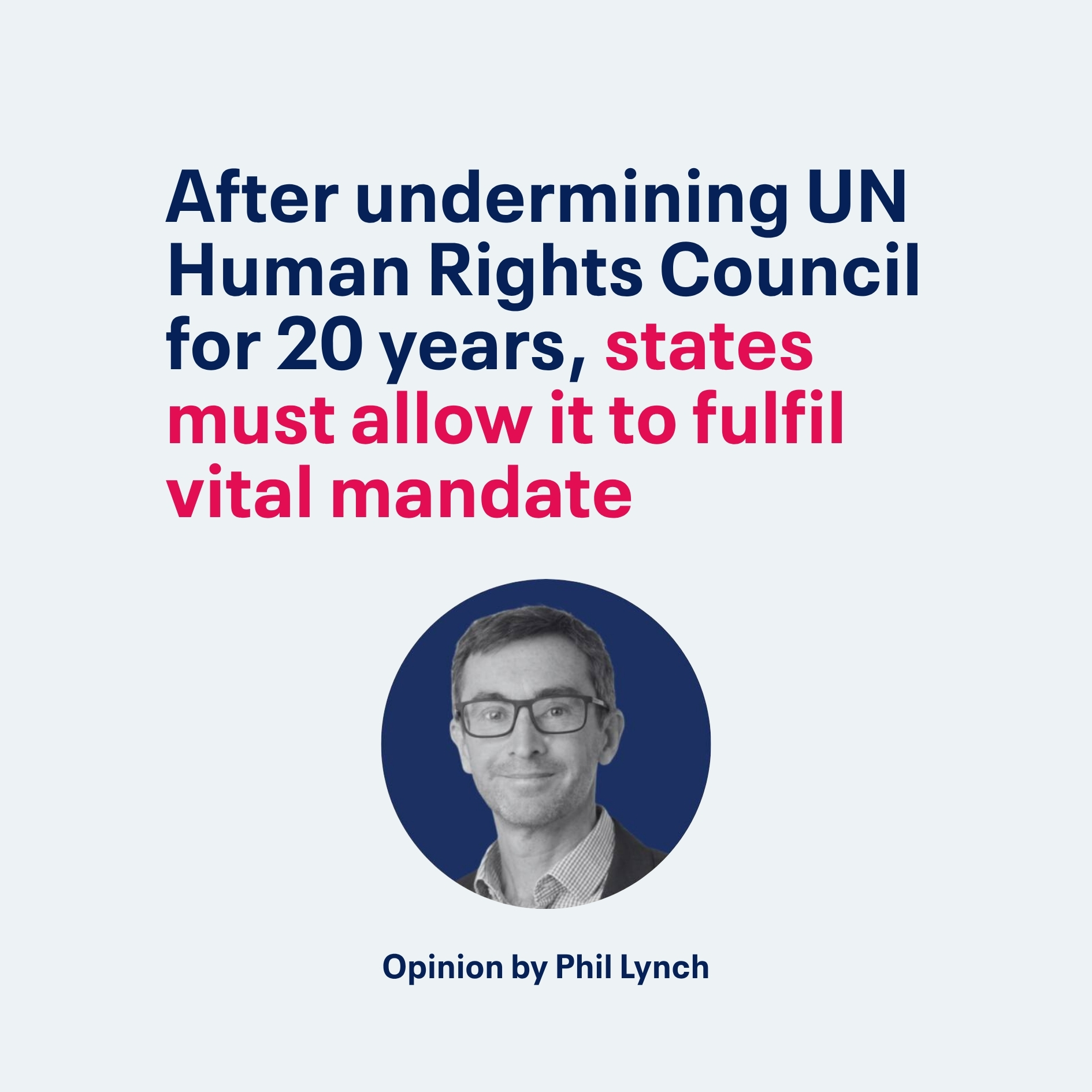
ISHR Director's Op-Ed

The Human Rights Council has made indispensable contributions to justice and accountability, yet at times it has fallen short of its mandate. States have the power and the moral obligation to ensure it heads in the right direction, notes lead rights advocate Phil Lynch. Op-Ed published in Geneva Solutions on 17 June 2026.