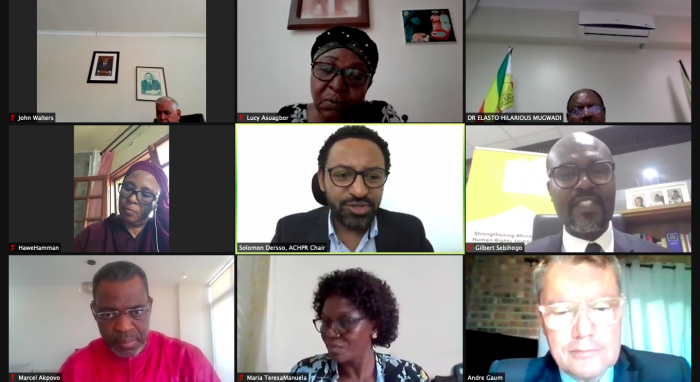
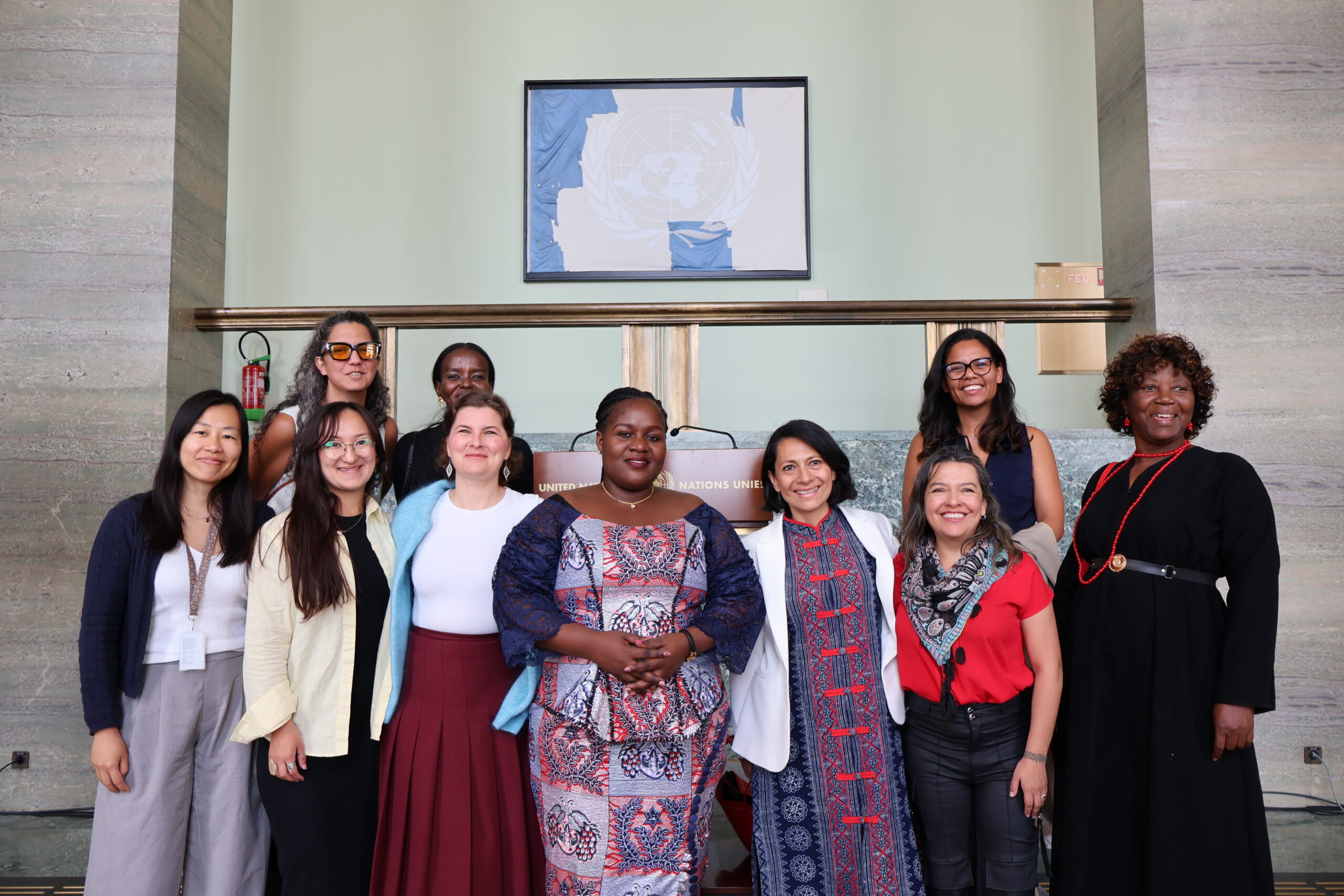
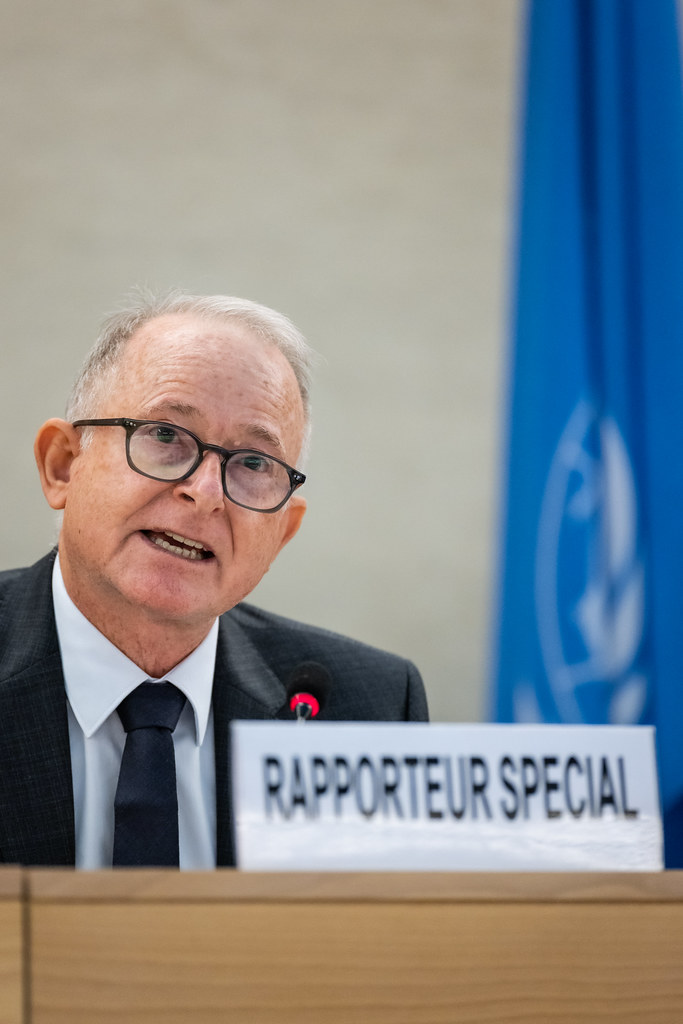
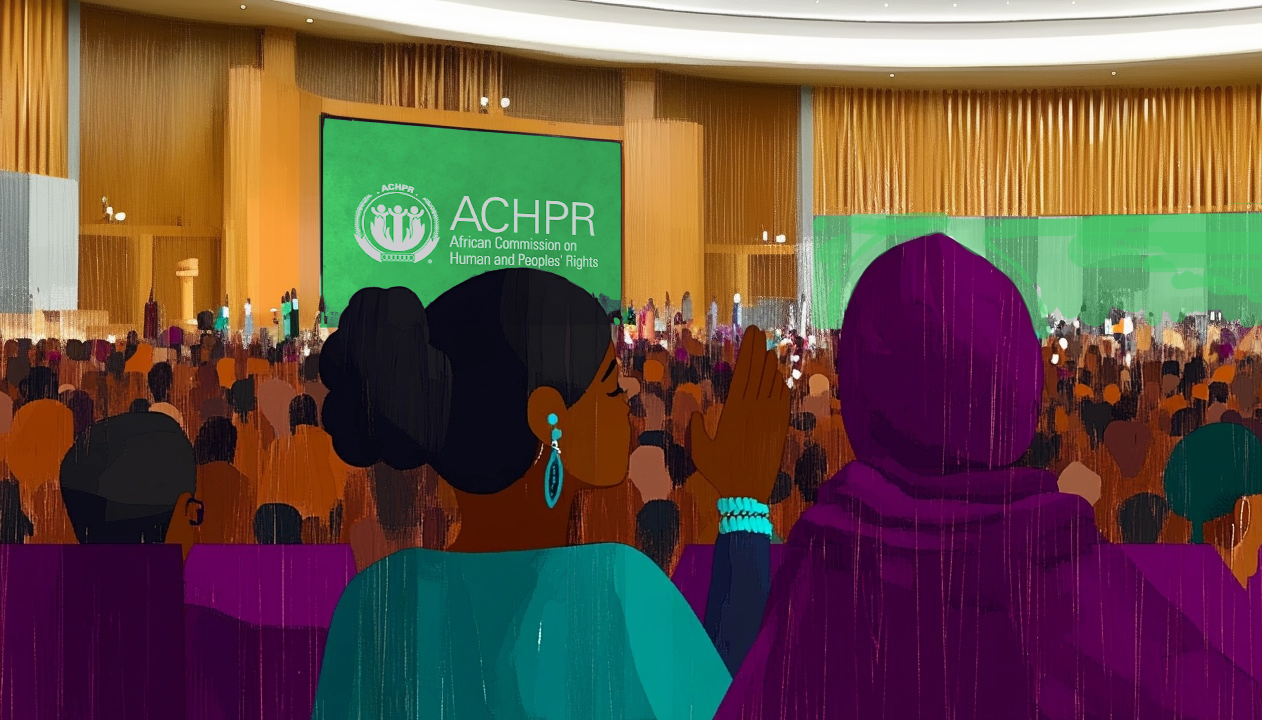
The objective of the Forum was to increase African NHRIs capacities and resources to follow-up, monitor and influence the implementation of the Protocol to the African Charter on Human and Peoples’ Rights on the Rights of Women in Africa, better known as the Maputo Protocol, and regional decisions impacting on women in general and indigenous women in particular.
88 representatives of the African NHRIs, 2 representatives of governments, 4 representatives of the ACHPR, 4 representatives of the African Union Commission, 11 representatives of the OHCHR, 38 representatives of civil society, 2 representatives of academic institutions, 5 representatives of development partners and the Secretariat of the NANHRI attended the NHRIs Forum.
Despite the Maputo Protocol enjoying over 70% ratification status, only two countries are up to date on reporting on its implementation said Dr Elasto Mugwadi, Vice-Chairperson of the Network of African National Human Rights Institutions in his welcoming remarks. He urged NHRIs to not only call on states to ratify the Maputo Protocol but also to report on the progress made in its implementation. Mr Marcel Akpovo, the Director of the UN OHCHR East African Regional Office added that the Maputo Protocol is a “reflection of political will translated into a legally binding human rights instrument” to ensure that “the rights of women, including the cultural rights of indigenous women, are duly promoted and protected.”
Commissioner Solomon Dersso, the Chairperson of the ACHPR stated that “the true test of a virtuous human rights system is the attention it pays to the most vulnerable among us; which women indigenous members constitute an important part”. He added that the situation of indigenous women’s rights in Africa calls for attention to the “intersectionality of gender-based discrimination and discrimination based on membership in vulnerable minority indigenous groups”.
Dr Bernard Mogesa, the CEO of the Kenya National Commission on Human Rights (KNCHR) also took the time to share the important research the KNCHR is conducting on Women Human Rights Defenders (WHRDs) stating that the Kenyan Government has developed a Model Human Rights Defenders (HRD) Policy and Action Plan. The Model HRD Policy and Action Plan are currently under consideration before the Kenya Government, which if passed, will help safeguard the rights of WHRDs across Kenya.
During the 3rd Session of the Forum on 9 April 2021, a presentation and review of the NHRIs’ Forum final draft statement to the 68th Ordinary Session of the ACHPR on the “rights of indigenous women in Africa” was made. Below are some of the adopted recommendations:
Research, advocacy, human rights education and awareness-raising:
- Promote awareness of the emerging jurisprudence at the regional and international levels regarding the rights of indigenous peoples;
- Support the review of legislation and national policy and practice relating to indigenous peoples;
- Prioritise the land tenure rights of indigenous people (and indigenous women) owing to the interconnectedness between their ancestral lands and their culture, religion and survival.
Complain handling and facilitating redress
- Support the identification of human rights issues of concern to indigenous peoples in their cultural context and the formulation of strategies to address the concerns identified;
- Ensure remedies are available in the event of violations to promote and protect indigenous women’s rights;
- Seek judicial remedies and support relevant court decisions seeking to assert indigenous women’s rights to culture.
Strengthening partnerships for the promotion and protection of indigenous women’s rights
- Develop joint frameworks and scorecards such as the Maputo Protocol’s Scorecard Index for monitoring implementation of regional and international treaties and national laws/policies;
- Partner with AU and UN bodies to undertake advocacy activities in countries that have not ratified the Maputo Protocol, among other regional human rights treaties to accelerate the ratification;
- Cooperate with ACHPR and its Working Group on indigenous communities;
- Encourage NHRIs to strengthen their engagement with gender-focused institutions in government and civil society to promote and protect indigenous women’s rights.
To watch recordings of the Forum’s sessions, please click on videos below: