
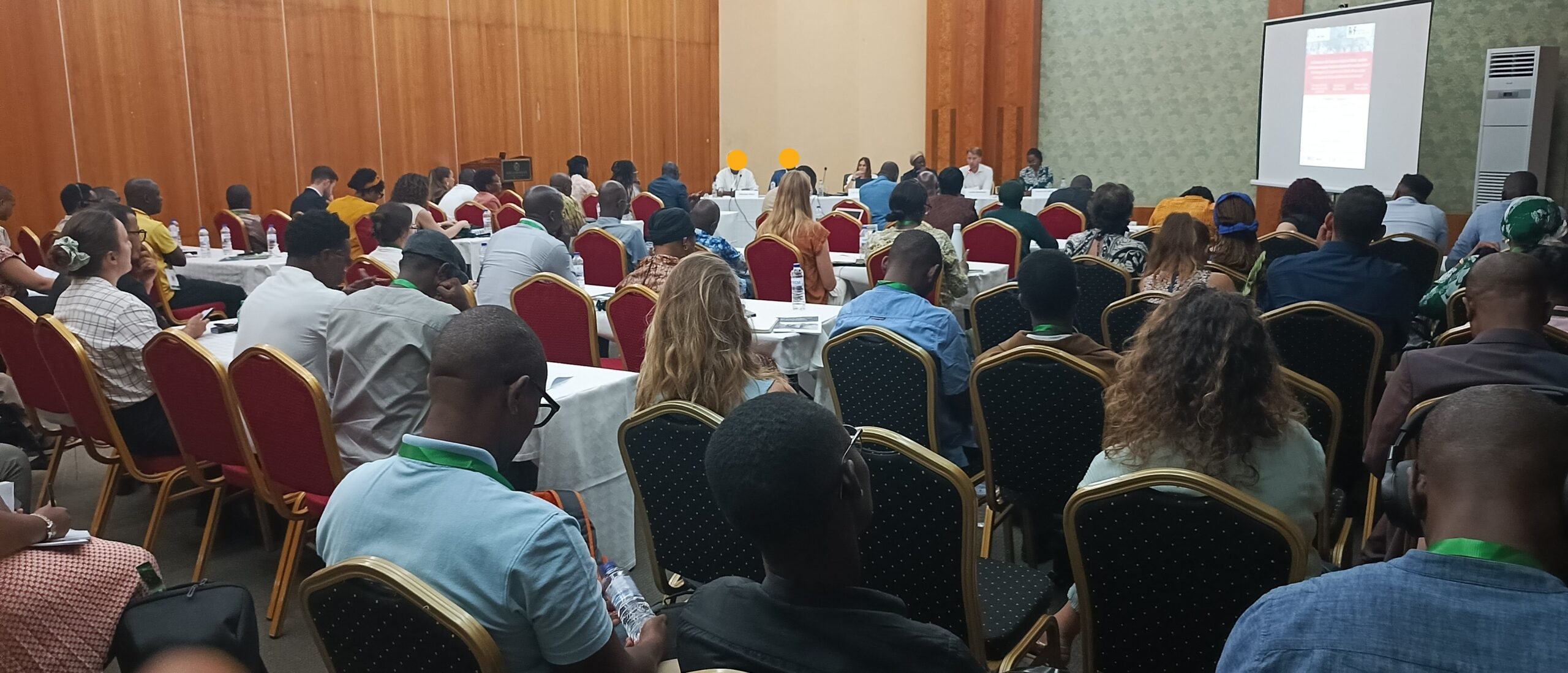
ACHPR89: Civic space, press freedom alarmingly constrained in the Sahel
At the margins of the 89th session of the African commission, civil society groups discussed the growing challenges and threats weighing on journalists working the Sahel.
Photo: Sir Dawda Kairaba Jawara International Conference Center (SDKJ ICC)
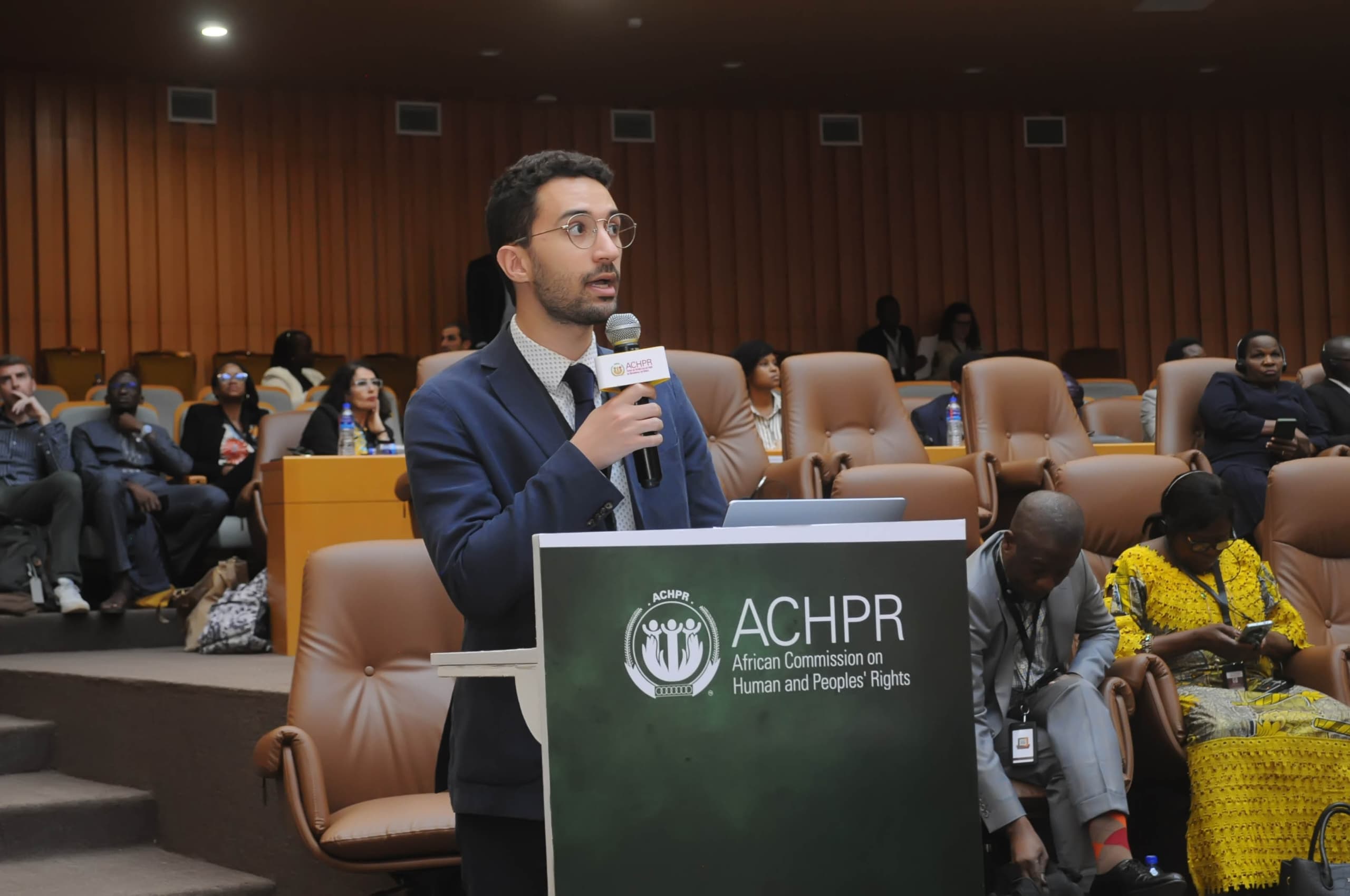
At the 83rd ordinary session of the African Commission on Human and Peoples’ Rights, held in Banjul (The Gambia) from 2 May to 22 May, ISHR delivered an oral statement calling for peace in the Democratic Republic of the Congo, the continuation of the process toward a human rights defenders protection law in Zambia, reparations for Africans and people of African descent, and a binding treaty on environmental rights in Africa.
As shocking violence continues in the DRC amidst the armed conflict in the country, in its statement, ISHR called for an immediate end to hostilities. In particular, ISHR called for the full implementation of United Nations Human Rights Council resolution S37/1, including for the Congolese government to support the commission of inquiry and the fact-finding mission created by the resolution to investigate alleged atrocities and abuses committed by the various parties.
Additionally, ISHR called for the Law on the Protection and Responsibility of Human Rights Defenders to be fully applied in the DRC, for the establishment of a national mechanism on the protection of defenders, and for the reestablishment of the F92 document for civil society organisations.
In Zambia, ISHR was pleased to support and input into a consultation meeting on the need for a human rights defenders protection law in the country and welcomed the Zambian government’s interest in the process.
On thematic issues, ISHR spoke of the need for reparations and justice for Africans and people of African descent around the world for the human rights violations suffered as a result of racial injustice, slavery, colonialism, and neocolonialism.
‘Justice for Africans and people of African descent through reparations’ is the theme of the year of the African Union and ISHR was proud to sponsor a resolution at the NGO Forum preceding the ordinary session of the African Commission on reparations, including calling for the adoption of the Durban Declaration and Programme of Action.
Centuries of racial injustice, slavery, racism, colonialism and neocolonialism against Africans and people of African descent must be repaired…Antoine Tremblay, ISHR Africa Fellow
Finally, ISHR called for a binding regional treaty to be developed to guarantee environmental rights in Africa. Such a process should be initiated by the African Commission, in close collaboration and cooperation with environmental human rights defenders on the continent, integrating their perspectives, needs, and concerns. As climate change, environmental degradation, and human rights violations continue, such a treaty is more important than ever.
Other interventions by States, non-governmental organisations, and national human rights institutions also drew attention to the human rights situations in the DRC, Sudan, and others, including with respect to human rights defenders and fundamental freedoms like freedom of association and freedom of assembly.
Watch the full statement below:
At the margins of the 89th session of the African commission, civil society groups discussed the growing challenges and threats weighing on journalists working the Sahel.
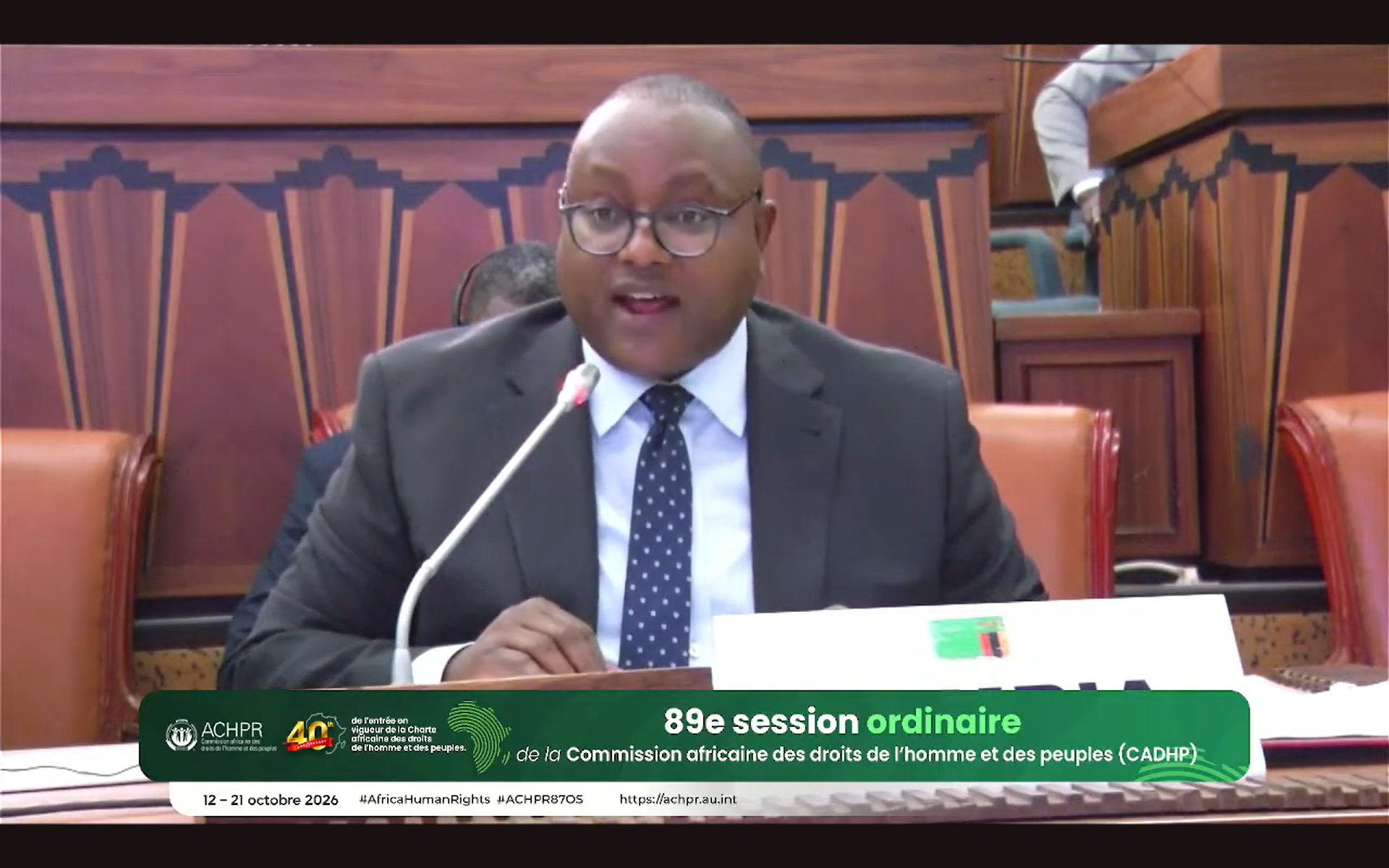
Zambia must ensure that human rights defenders can speak out, organise and work freely. In a joint submission to the African Commission, ISHR, SACCORD and ZNHRD highlight restrictive legislations and call for progress towards the adoption of the law for the promotion and protection of the rights of defenders.
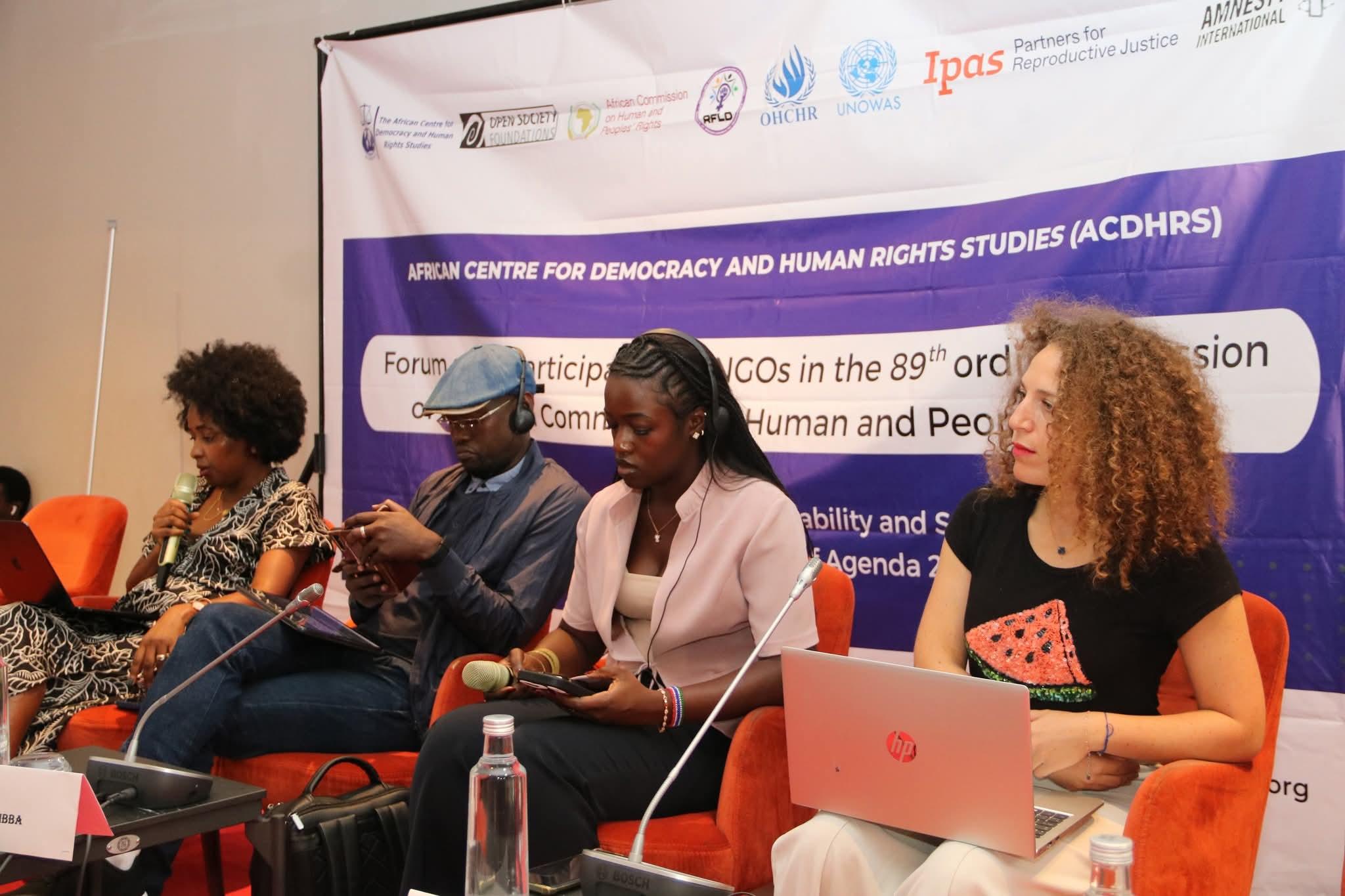
At the NGO Forum ahead of the 89th session of the African Commission, a high-level panel discussion tackled the growing issue of transnational repression in Africa.