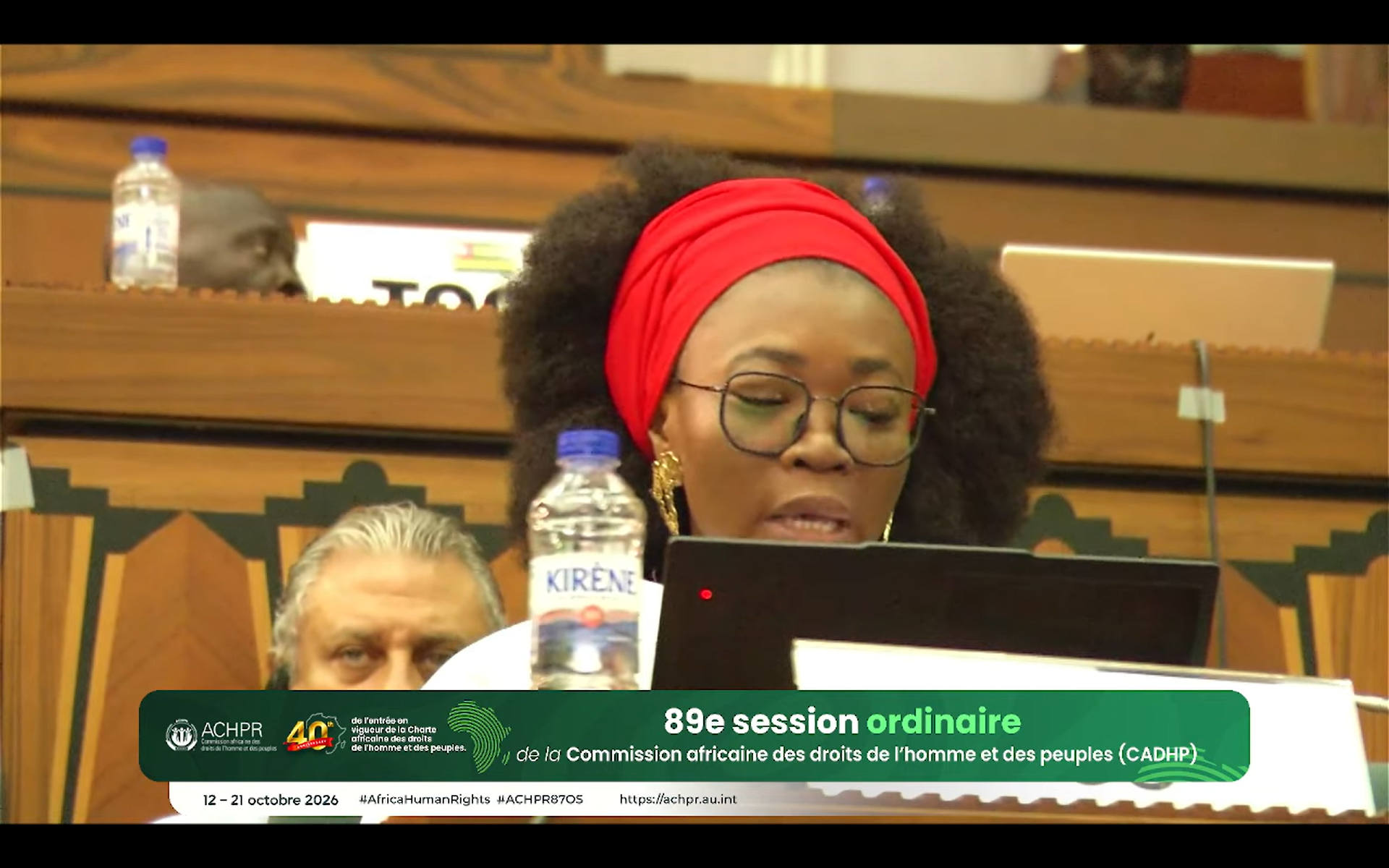
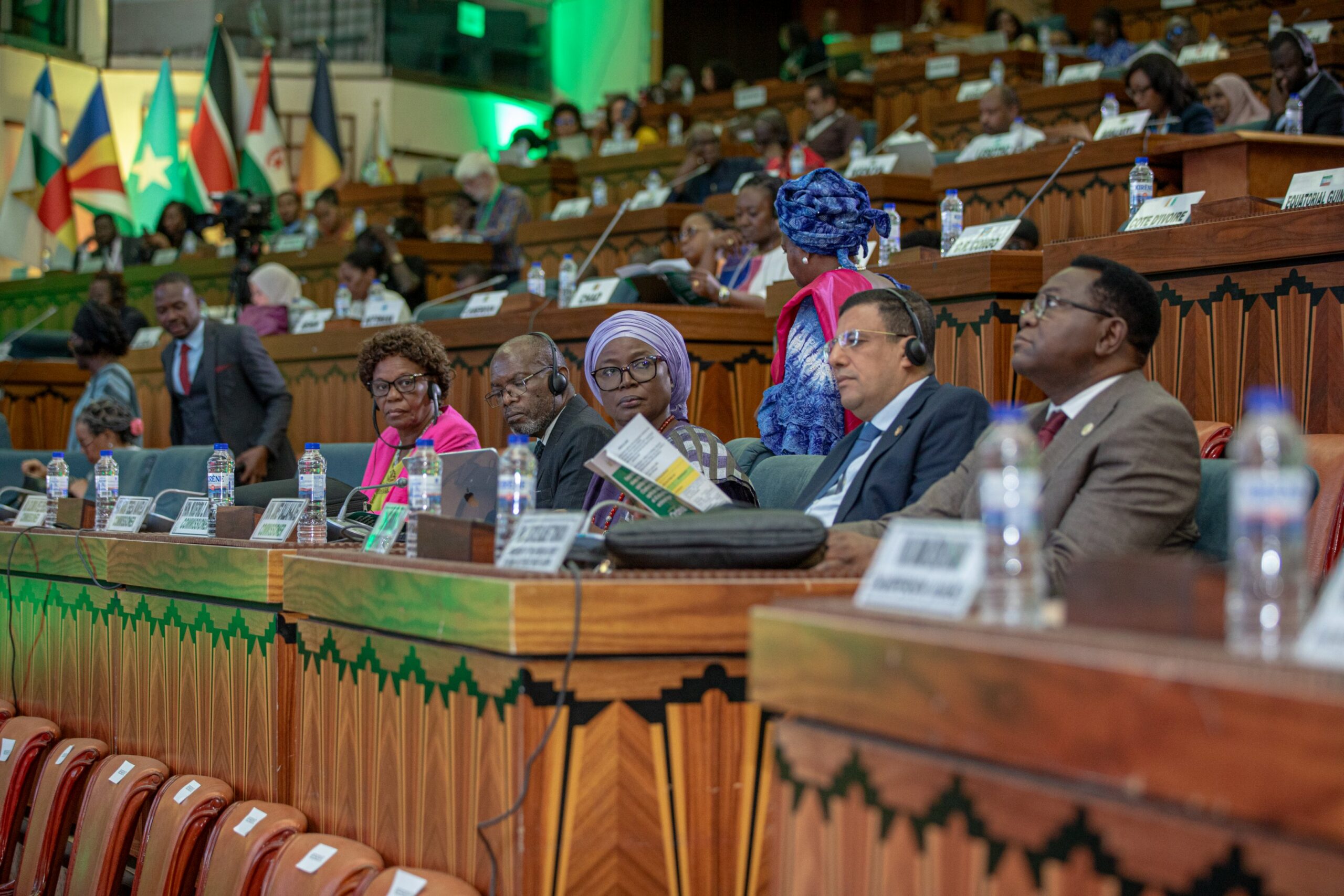
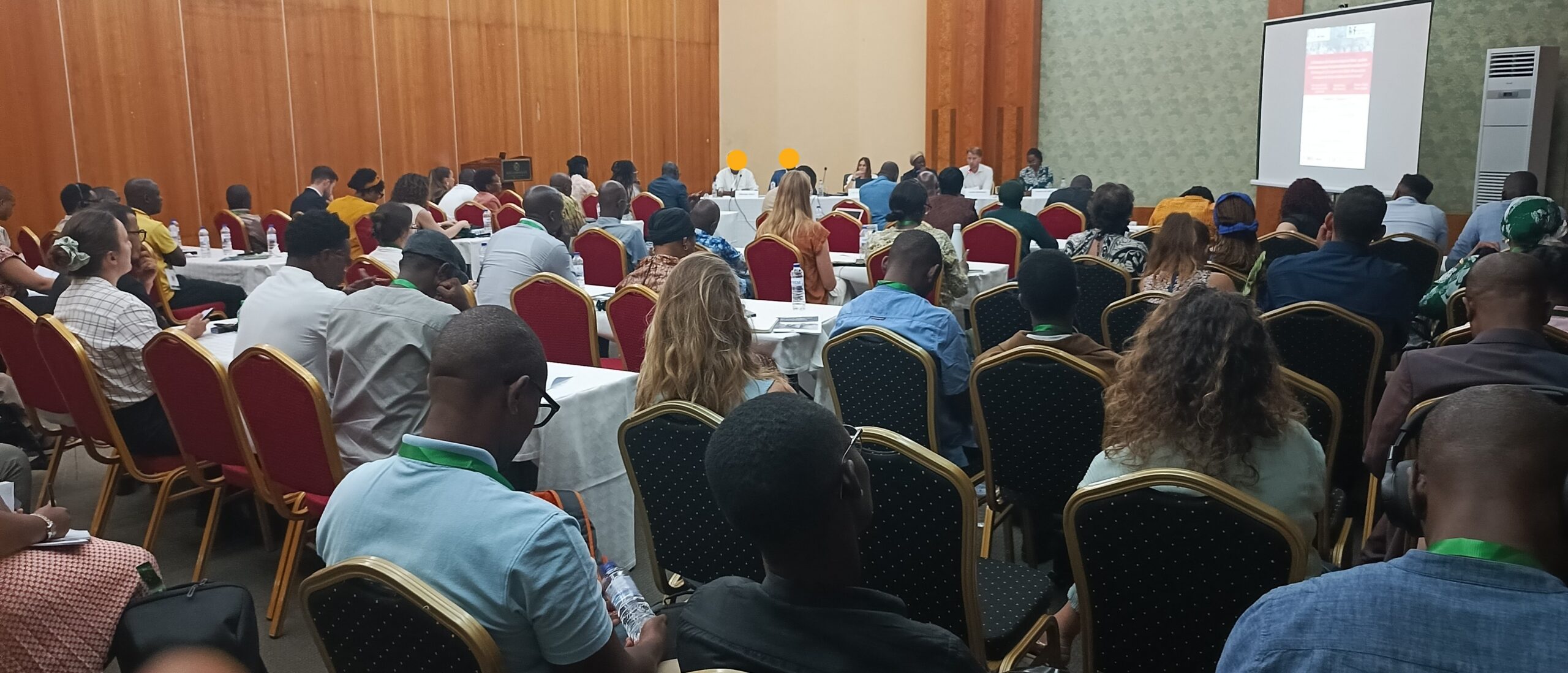
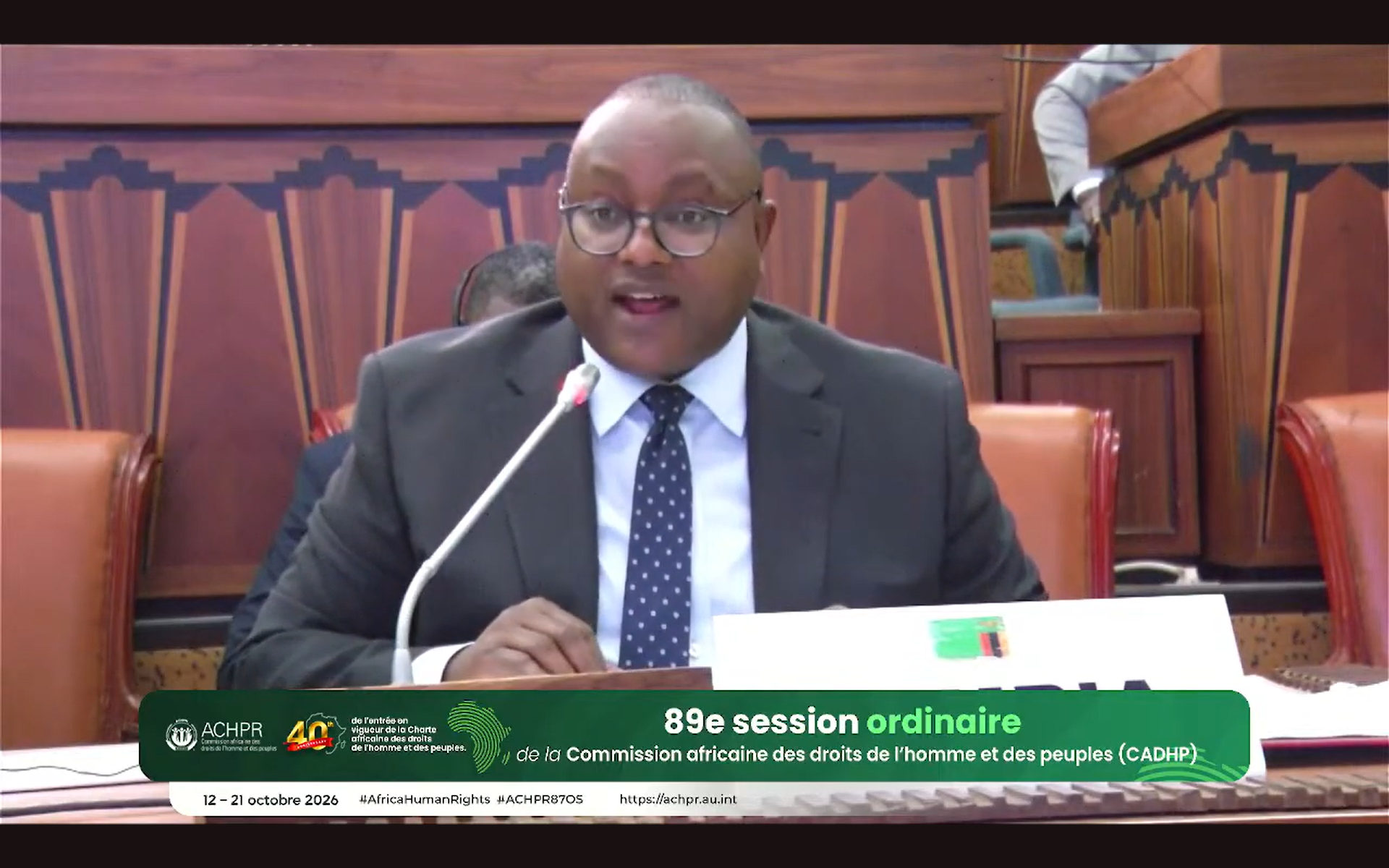
During the session, States and National Human Rights Institutions (NHRI) delivered statements on the situation of human rights in their respective countries.
Chad’s NHRI shared that the protection of the freedoms of association and assembly and of human rights defenders remain essential to civic participation, the prevention of tensions in the country and the consolidation of the rule of law. These issues deserve sustained attention from the government and the African Commission.
On 13 October, ISHR delivered a statement on the situation of human rights in Africa.
The statement highlighted the resurgence of the violation of the freedoms of association and assembly in Cameroon, Zambia and Guinea.
In Cameroon, human rights defenders have died at the hands of, or whilst in the custody of, the police and the renewal of registration certificates and licences for certain organisations is proving difficult, with some organisations having activities suspended and administrative measures adopted with the aim of restricting access to funding for targeted organisations.
In Zambia, numerous laws severely restrict civic space such as the Public Order Act or the Cyber Security and Cyber Crimes Act.
ISHR also encouraged the African Commission to ensure that the draft African Declaration on human rights defenders remains firmly rooted in the fundamental principles of universality, independence and non-discrimination.
It is also essential to continue holding inclusive consultations with networks and coalitions of defenders, so that they can contribute to the process.
Finally, considering transnational repression has severe impacts on the right of defenders who advocate for human rights and fundamental freedoms and engage with regional mechanisms, ISHR called on the African Commission to adopt a resolution on this issue and to carry out a comprehensive continent-wide study on transnational repression in Africa, examining, amongst other things, its nature, scale, patterns, methods, perpetrators, the populations affected, and its impact on the enjoyment of human rights.