
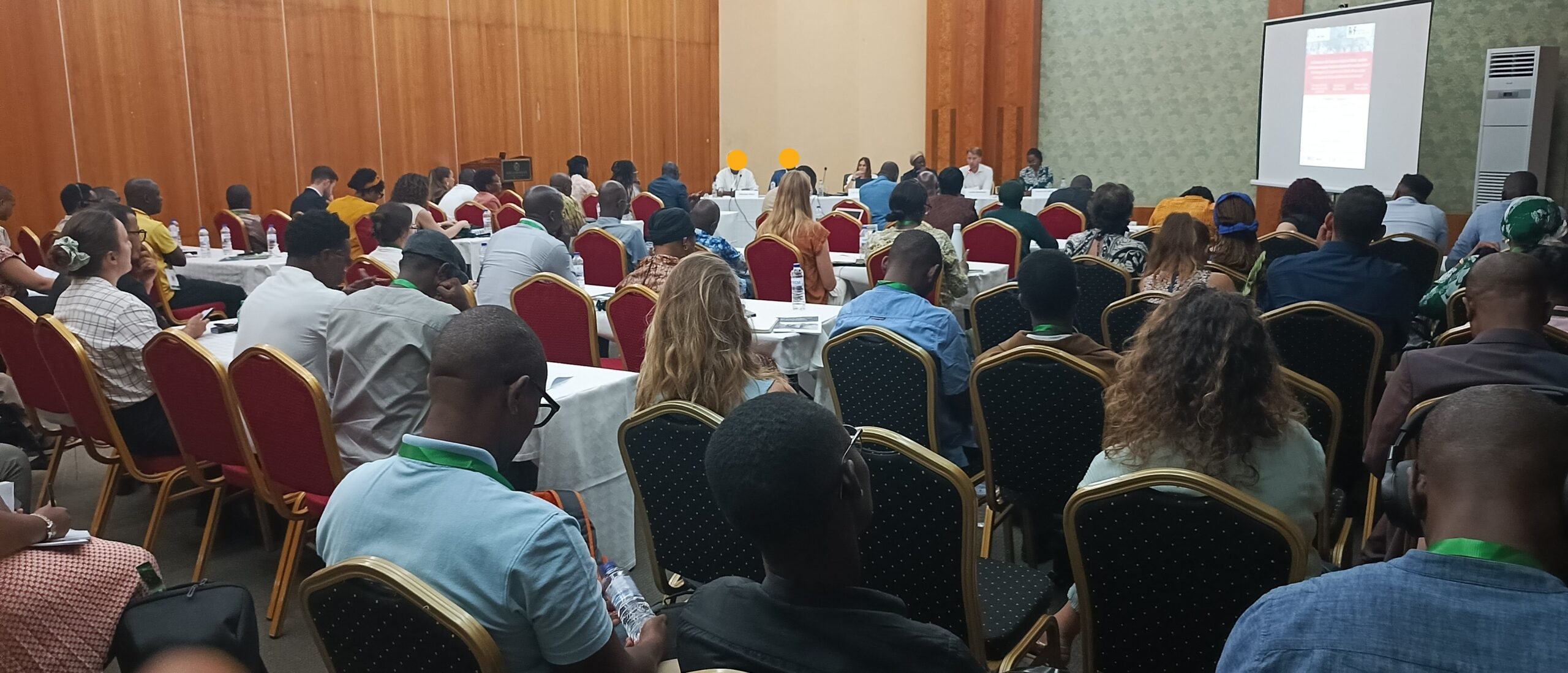
ACHPR89: Civic space, press freedom alarmingly constrained in the Sahel
At the margins of the 89th session of the African commission, civil society groups discussed the growing challenges and threats weighing on journalists working the Sahel.
Photo: ISHR
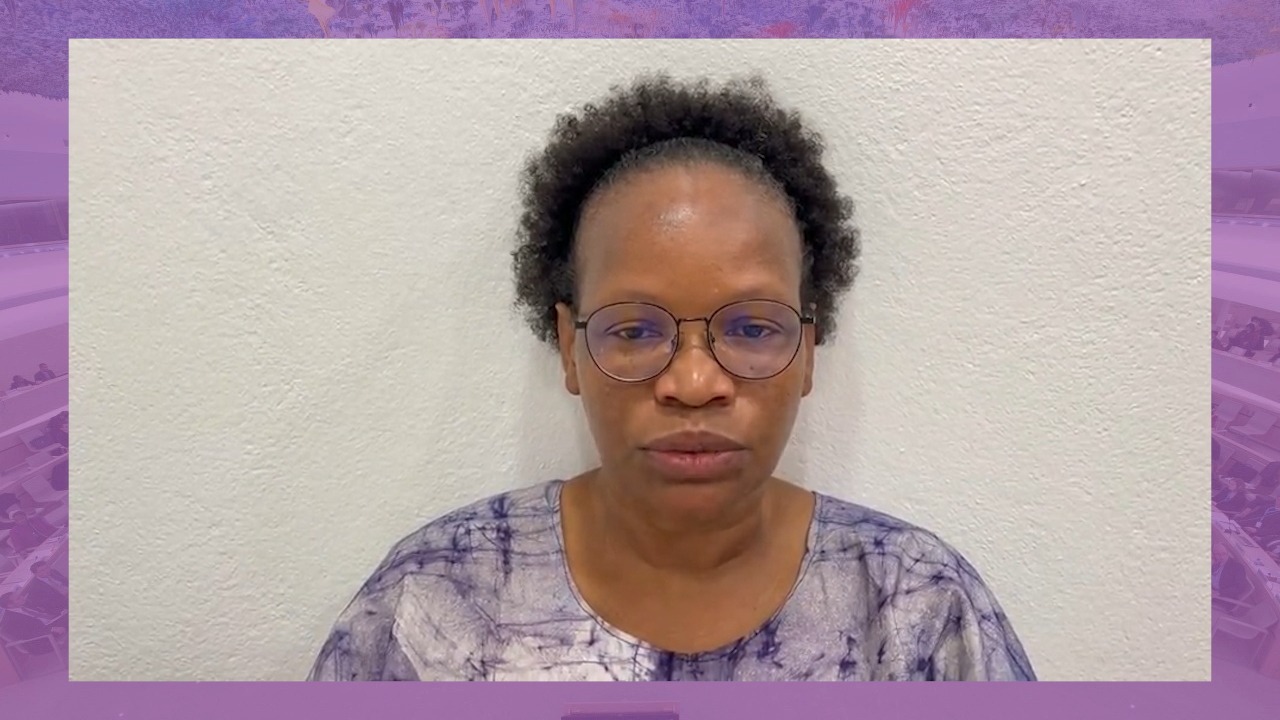
On 1 July 2025, during the 59th session of the Human Rights Council, the Universal Periodic Review of Angola was adopted. The statement delivered by ISHR, in partnership with Kutakesa, highlighted the recent adoption of legislation jeopardising the freedom of assembly and association and imposing risks on the work of human rights defenders in Angola.
The statement delivered by Maria Lùcia Silveira acknowledged the acceptance of recommendations related to the rights of defenders and the protection of freedom of assembly and association by the government of Angola. However, it deplored that Angola only noted the recommendations calling on authorities not to adopt legislation that seeks to restrict freedom of peaceful assembly and association. Following the non-acceptance of those recommendations, the government of Angola recently approved the Presidential decree 214/24, which not only represents a threat to the work of human rights defenders but also violates constitutional and international human rights standards. The statement highlighted that the decree, in its articles 4, 13, 14, and 15, imposes generalised, disproportionate, and highly intrusive measures on all non-profit organisations, thereby reducing the effectiveness of their work.
For a realignment to international standards on the protection of the rights of defenders and the protection of freedom of assembly and association, ISHR recommended that Angola:
Following this review, the recommendations accepted by the Human Rights Council will serve as a basis to guide Angola in protecting the rights at risk, and most importantly, in complying with internationally recognised standards.
Watch the full statement below:
At the margins of the 89th session of the African commission, civil society groups discussed the growing challenges and threats weighing on journalists working the Sahel.
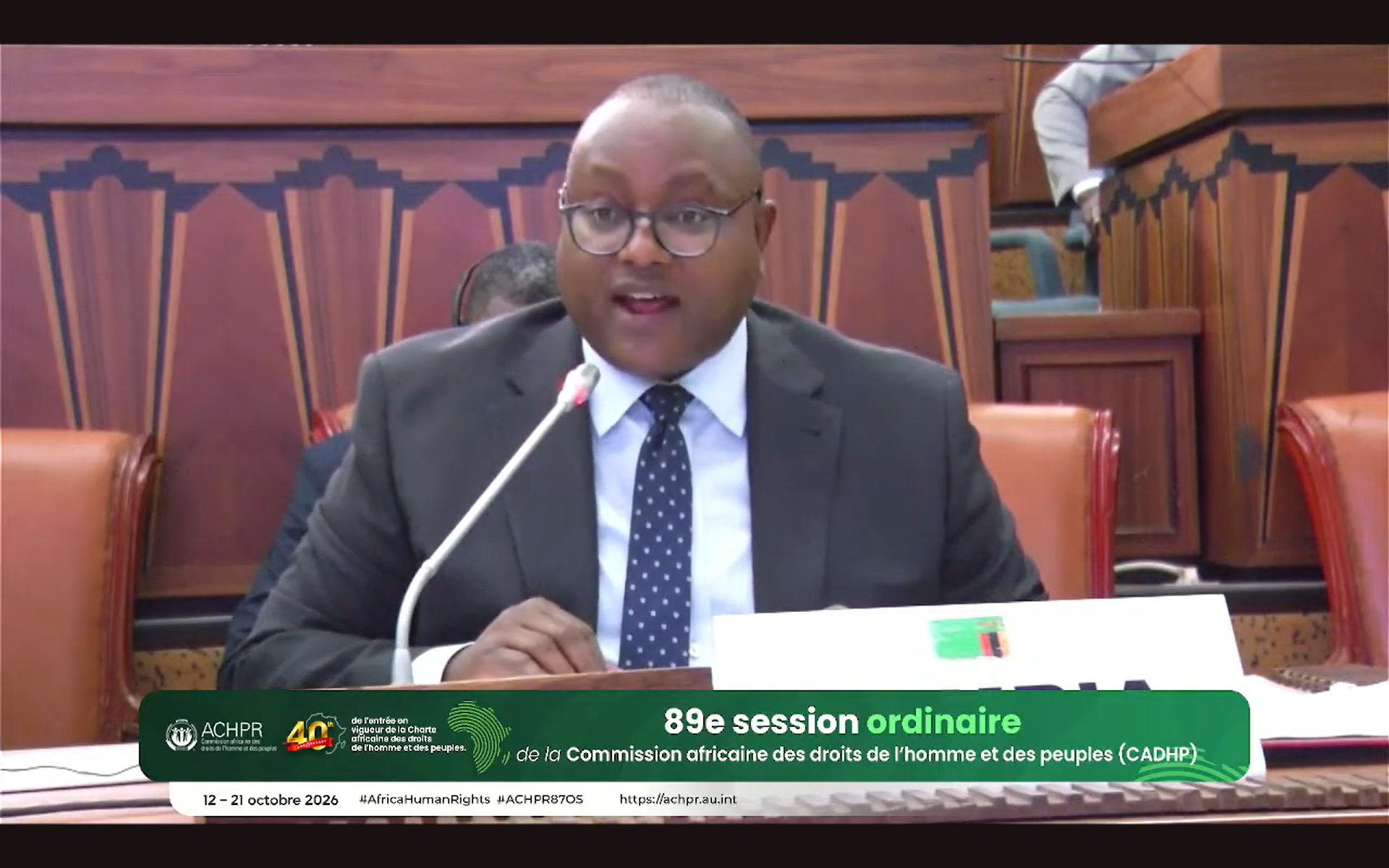
Zambia must ensure that human rights defenders can speak out, organise and work freely. In a joint submission to the African Commission, ISHR, SACCORD and ZNHRD highlight restrictive legislations and call for progress towards the adoption of the law for the promotion and protection of the rights of defenders.
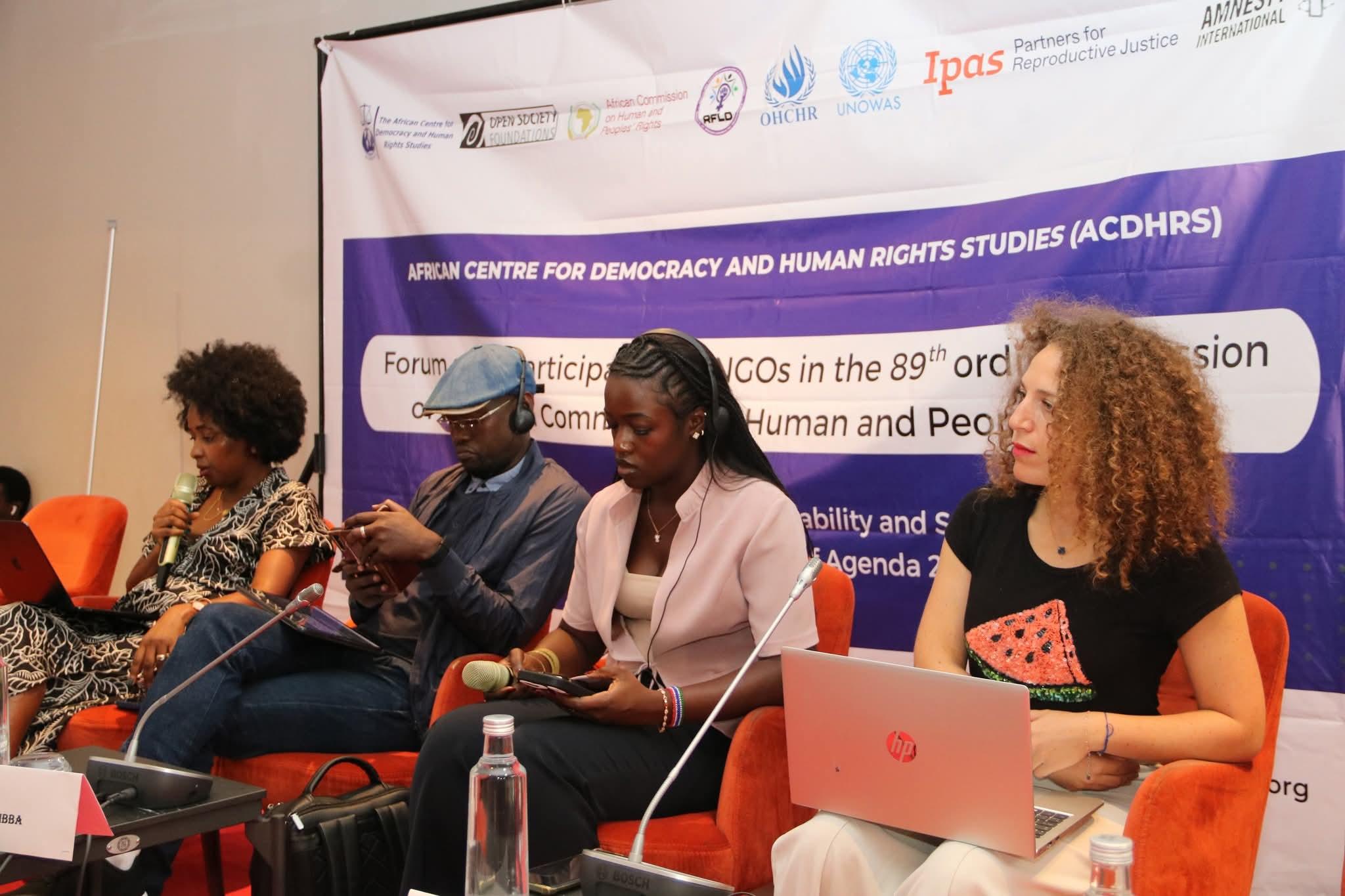
At the NGO Forum ahead of the 89th session of the African Commission, a high-level panel discussion tackled the growing issue of transnational repression in Africa.