HRC | One year after George Floyd’s murder, voices of victims' families and defenders remain essential
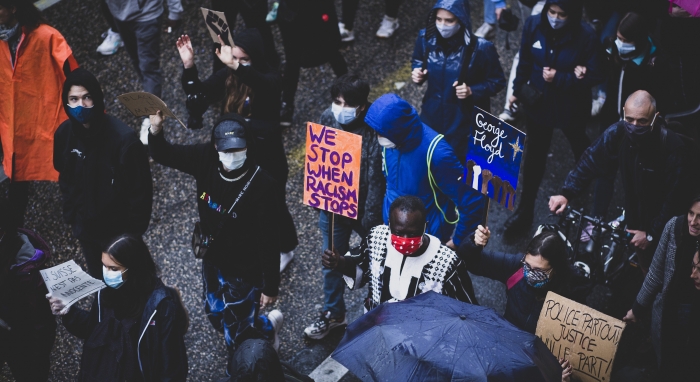
In the wake of George Floyd’s murder on 25 May 2020 in the U.S., antiracism defenders and families of victims of police violence have been turning the tables at the UN on anti-Black racism and police brutality. In a new video released today, ISHR is highlighting the essential contributions of defenders and victims' families and paying tribute to Floyd and to all the victims of racially charged police violence.
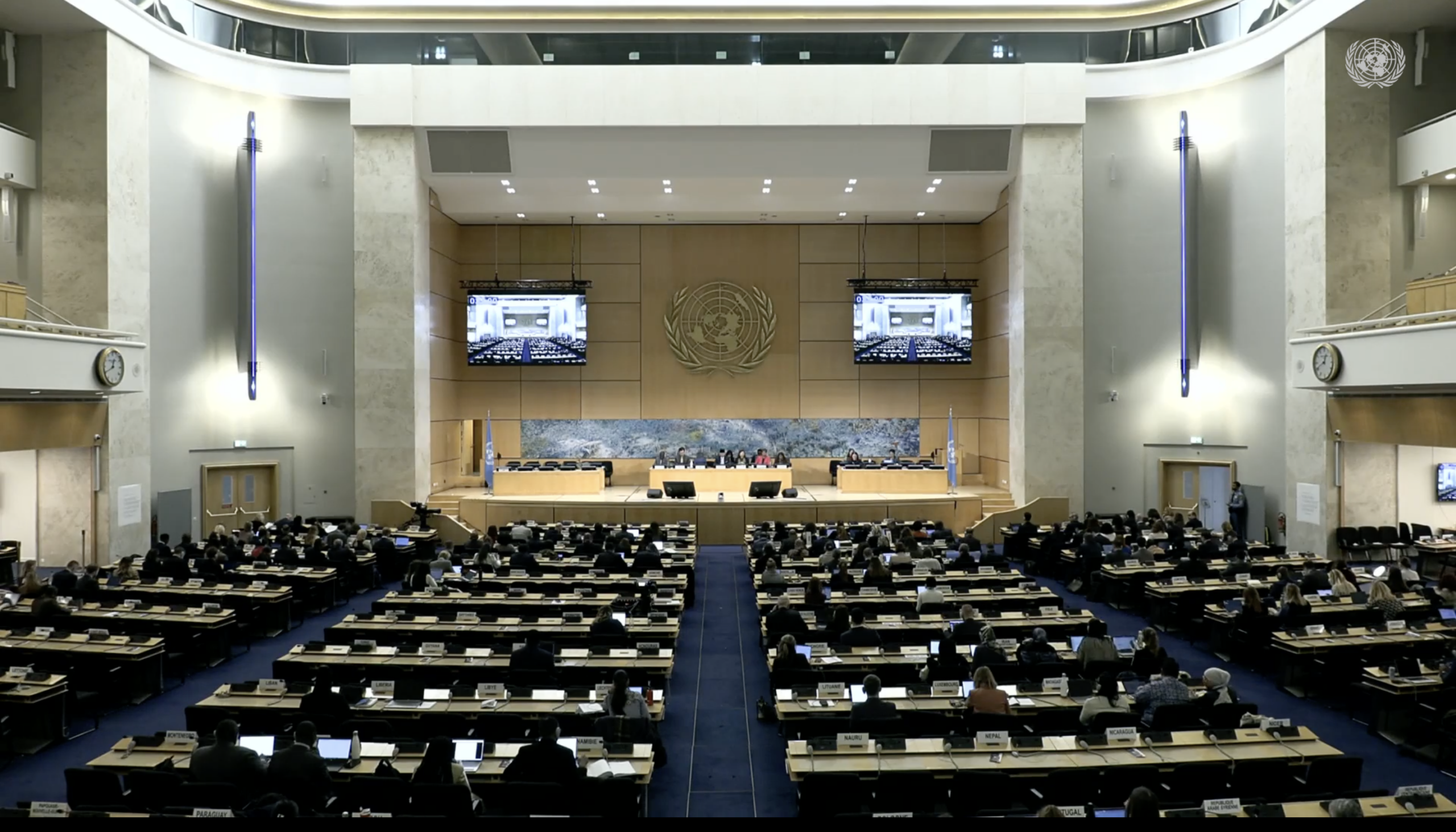
George Floyd’s murder on 25 May 2020 not only sparked weeks of unprecedented protests across the world but also brought the sense of urgency from the streets of Minneapolis into the Palais des Nations in Geneva where on 17 June 2020 the UN Human Rights Council held a historic urgent debate on racially inspired human rights violations, systemic racism, police brutality against people of African descent and violence against peaceful protests.
ISHR’s new video published today titled « From the streets to the UN » is highlighting that the contributions of defenders and victims’ families are essential and that their voices must continue to be heard at the UN.
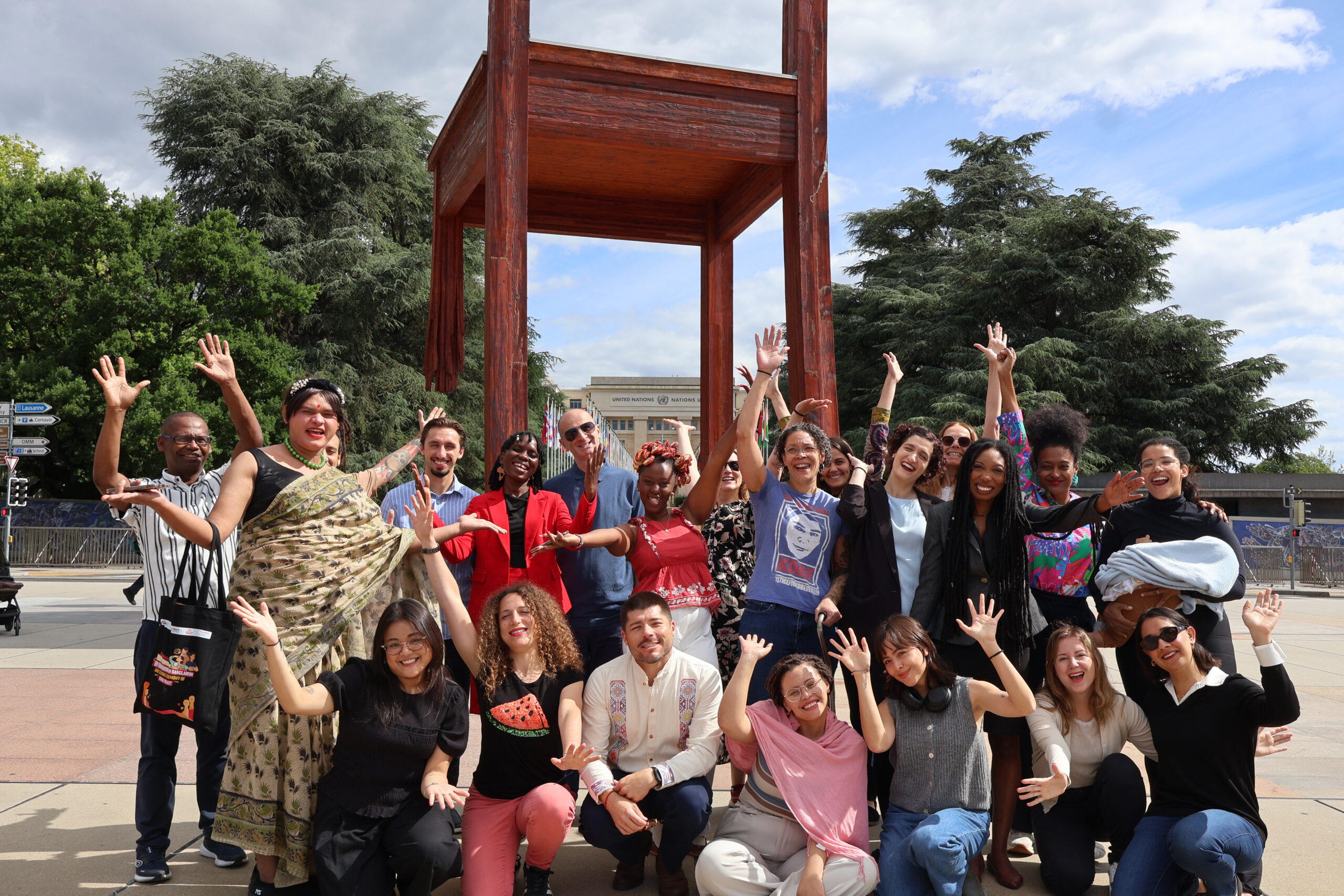
This year eleven activists completed ISHR’s flagship training, the Human Rights Defender Advocacy Programme, to strengthen their advocacy skills and develop an individual roadmap to push for change in their country.
At the 62nd Human Rights Council session, civil society organisations shared reflections on key outcomes and highlighted gaps in addressing crucial issues and situations.
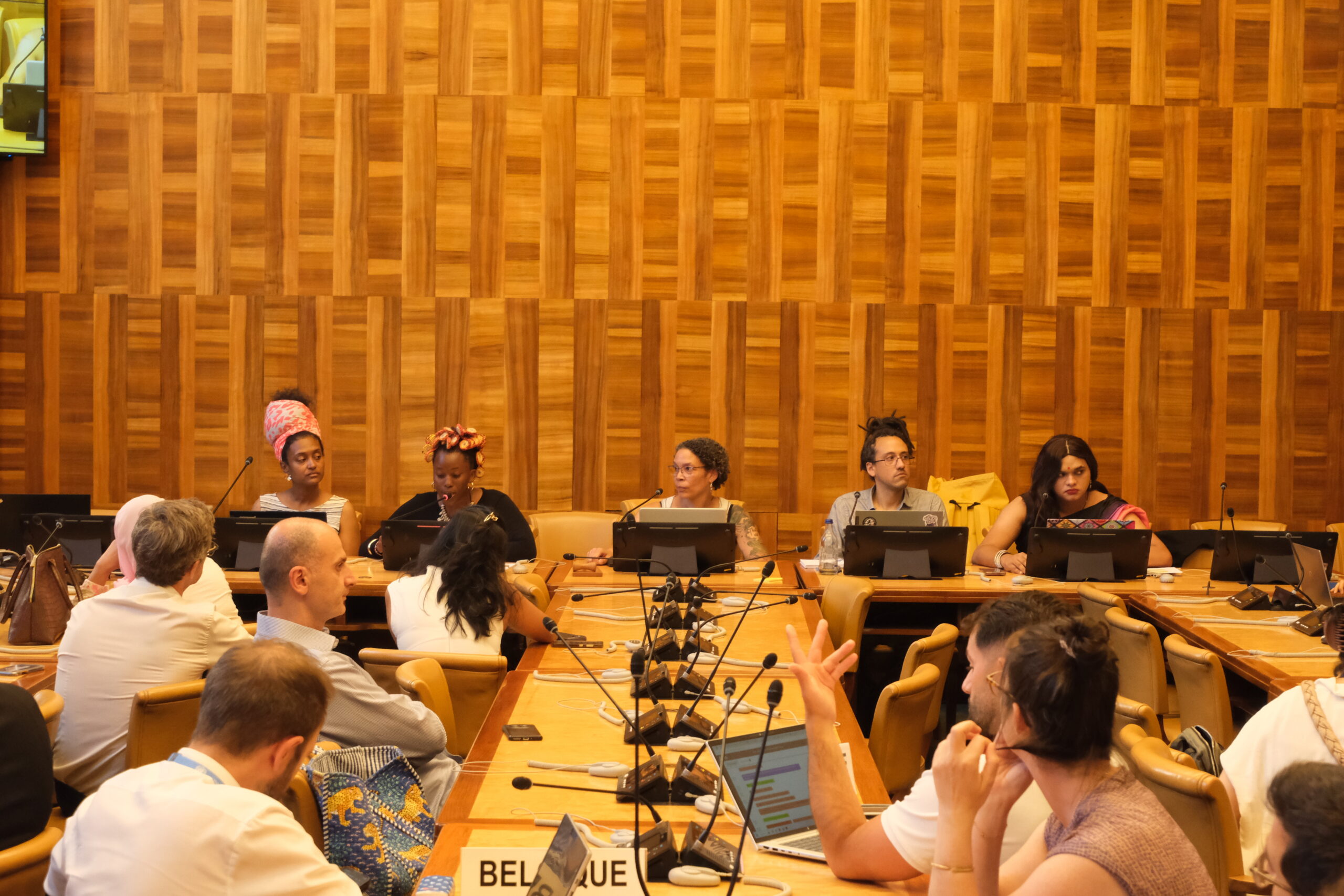
On the sidelines of the 62nd session of the Human Rights Council, defenders and activists examined how systemic discrimination and democratic backsliding are deeply intertwined. Drawing on lived experience, speakers argued that marginalised communities are often the first to detect authoritarian practices, and offered concrete recommendations for building more inclusive, resilient democracies.