
ACHPR89: Civic space, press freedom alarmingly constrained in the Sahel
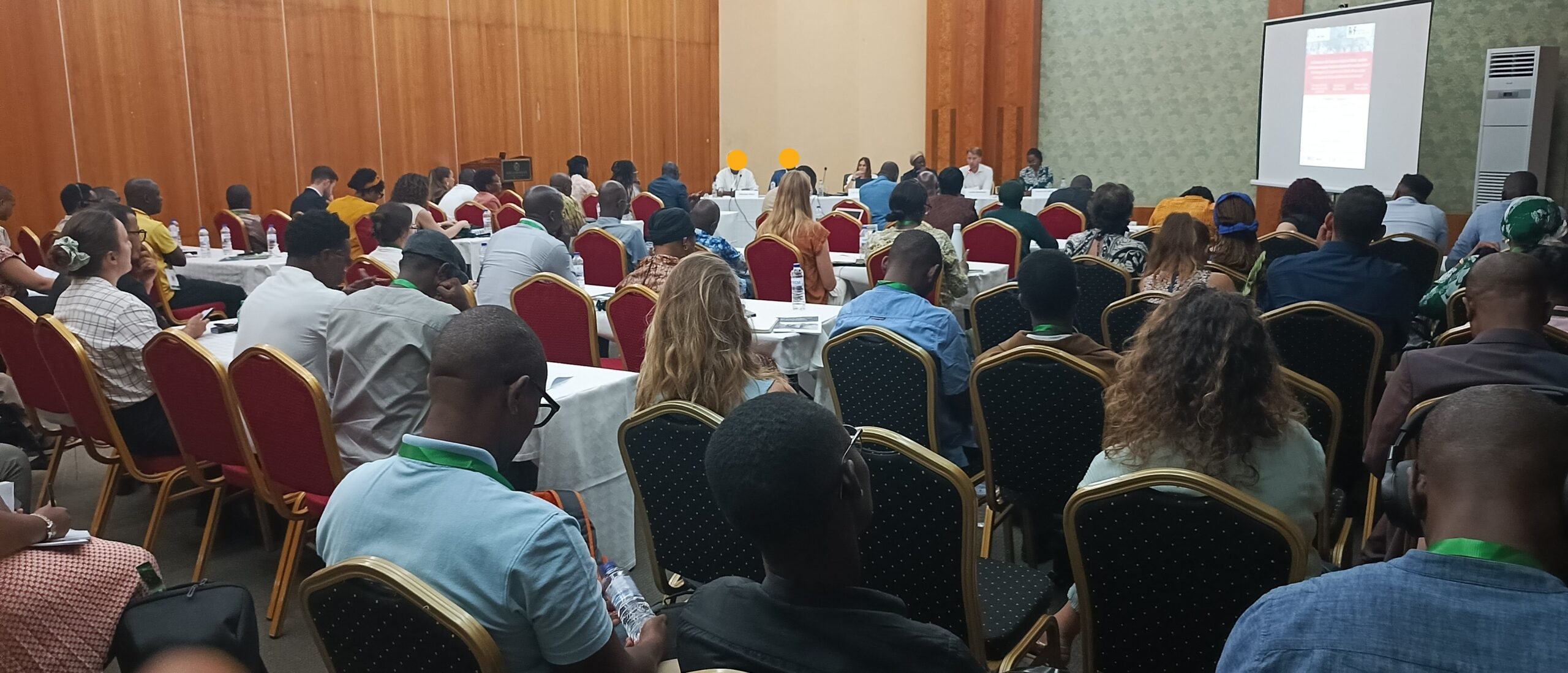
At the margins of the 89th session of the African commission, civil society groups discussed the growing challenges and threats weighing on journalists working the Sahel.
© UN WebTV
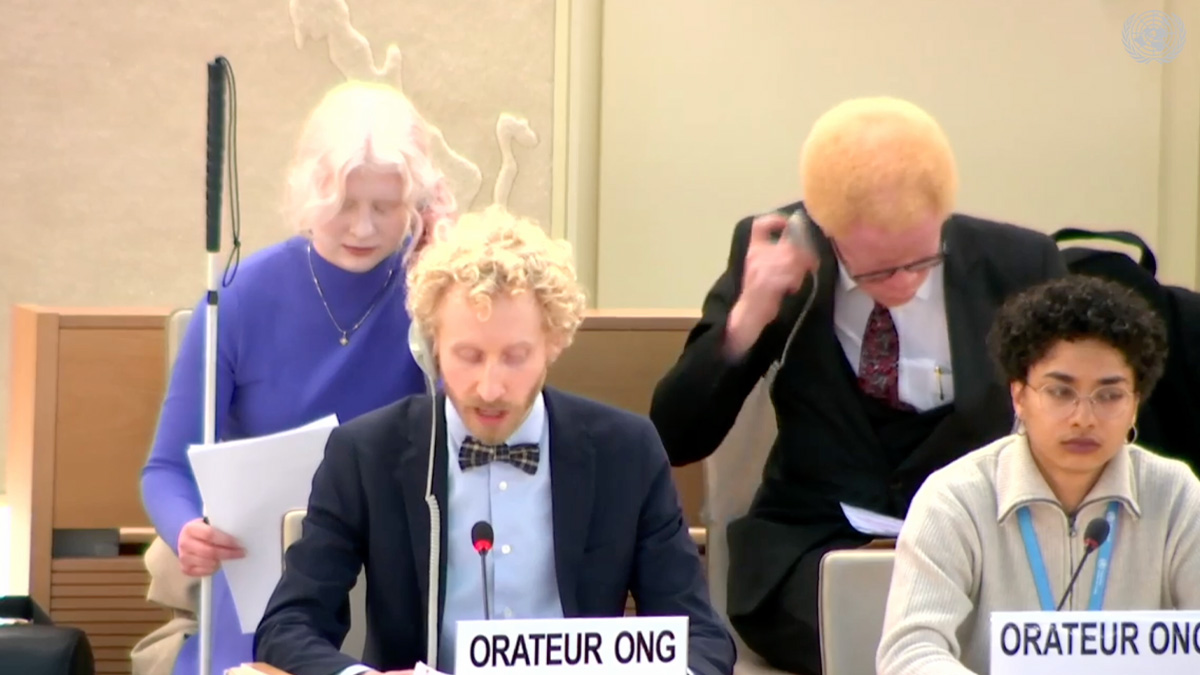
In a joint statement with ISHR, Antoine Gliksohn, executive director of the Global Albinism Alliance, stressed the importance of the mandate of the Independent Expert in light of the continued attacks on persons with albinism.
Antoine Gliksohn, executive director of the Global Albinism Alliance delivered a joint statement with ISHR at the interactive dialogue with the Independent Expert on the rights of persons with albinism at the 58th session of the UN Human Rights Council:
Together with International Service for Human Rights (ISHR), the Global Albinism Alliance would like to thank the Independent Expert for her comprehensive reports.
Since the mandate’s establishment in 2015, it has been clearly highlighted that beyond killings and violence, persons with albinism face widespread human rights violations including barriers to access to education, healthcare, and disability accommodation. These violations occur worldwide, not only on the African continent.
The Expert has also shown that human rights defenders with albinism are a crucial yet vulnerable group, given their dual exposure to discrimination, first as individuals with albinism and second as advocates challenging systemic injustices.
We applaud the extension of the mandate on albinism adopted last April by the Human Rights Council. Indeed, while significant progress has been made over the past decade, the rights of persons with albinism remains today a serious concern throughout the world.
As the Independent Expert noted, this progress has often relied on collaboration among Member States, NGOs serving the albinism community at all levels and international allies. These collaborations will remain essential.
Today, the future of humanitarian aid is uncertain, and commitments to global equity are being abandoned. Trusted entities from the Global North are retreating. To protect past gains, we must engage member States, strengthen alliances, promote peer learning, and foster partnerships within the albinism community. Only through these efforts can we safeguard the hard won achievements of the past 10 years. In this time of adversity, let us reaffirm our commitment and move forward together with even greater resolve.
At the margins of the 89th session of the African commission, civil society groups discussed the growing challenges and threats weighing on journalists working the Sahel.
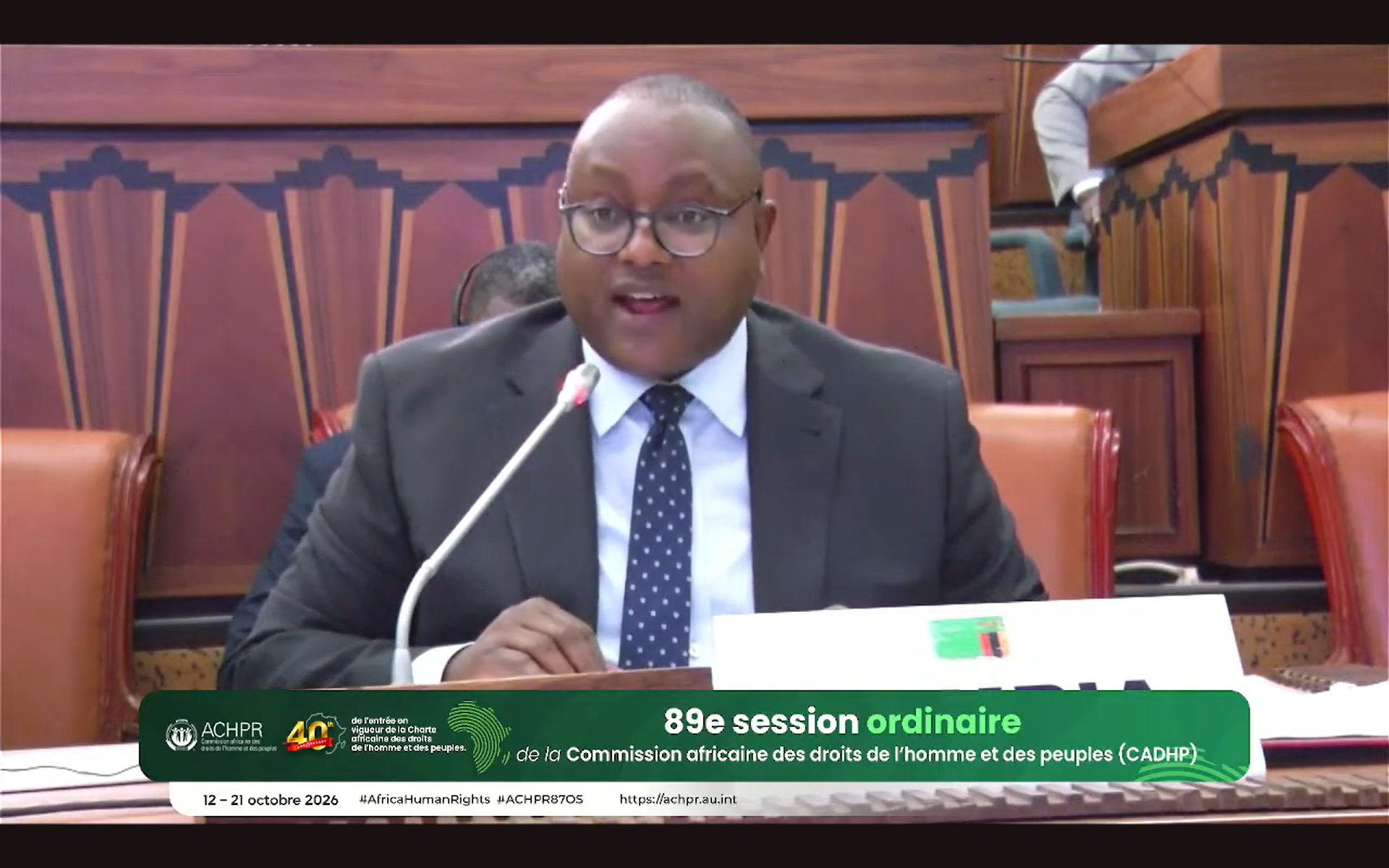
Zambia must ensure that human rights defenders can speak out, organise and work freely. In a joint submission to the African Commission, ISHR, SACCORD and ZNHRD highlight restrictive legislations and call for progress towards the adoption of the law for the promotion and protection of the rights of defenders.
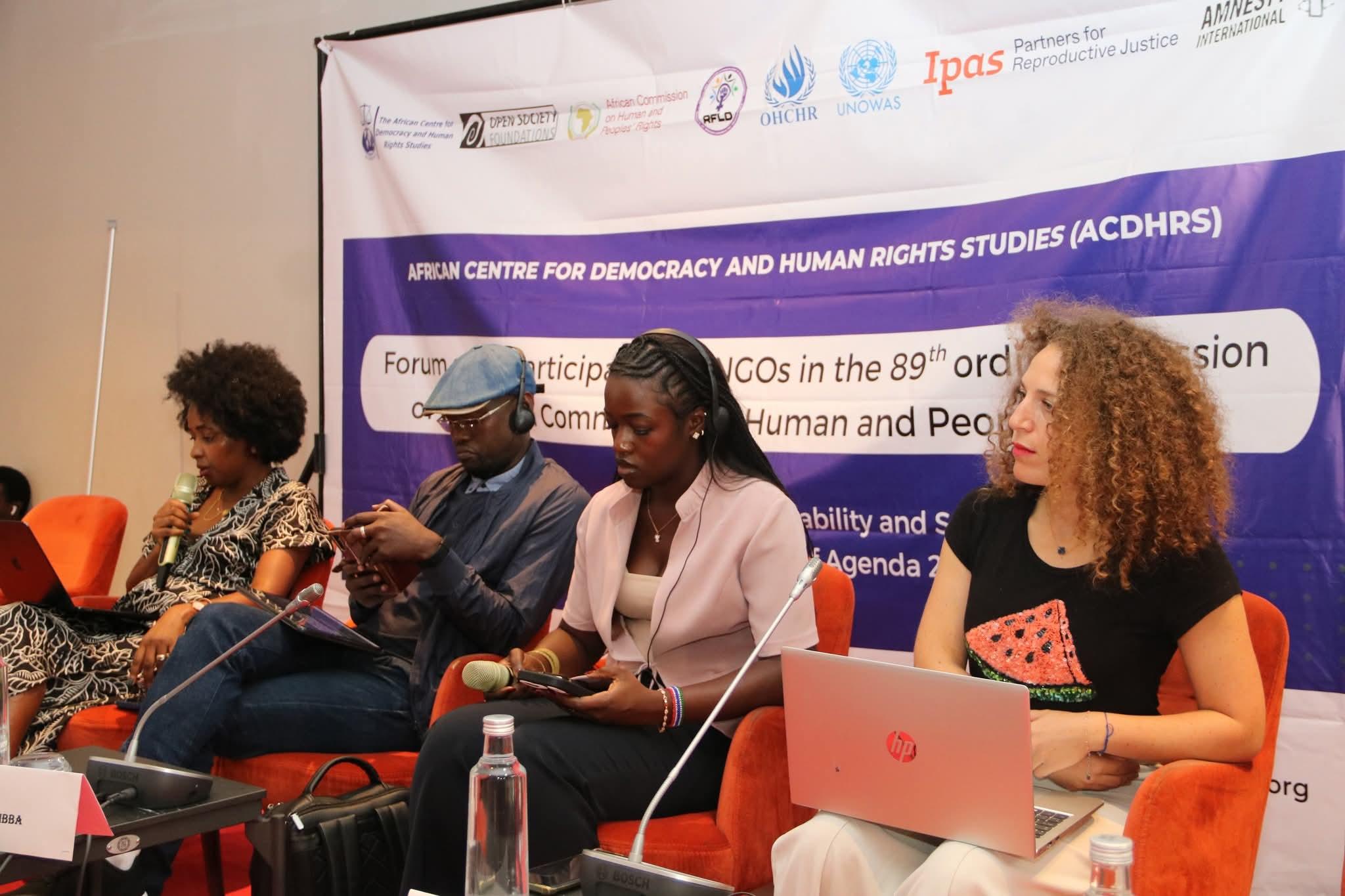
At the NGO Forum ahead of the 89th session of the African Commission, a high-level panel discussion tackled the growing issue of transnational repression in Africa.