HRC61: Ensure unhindered access, protect defenders, uphold self-determination in Western Sahara
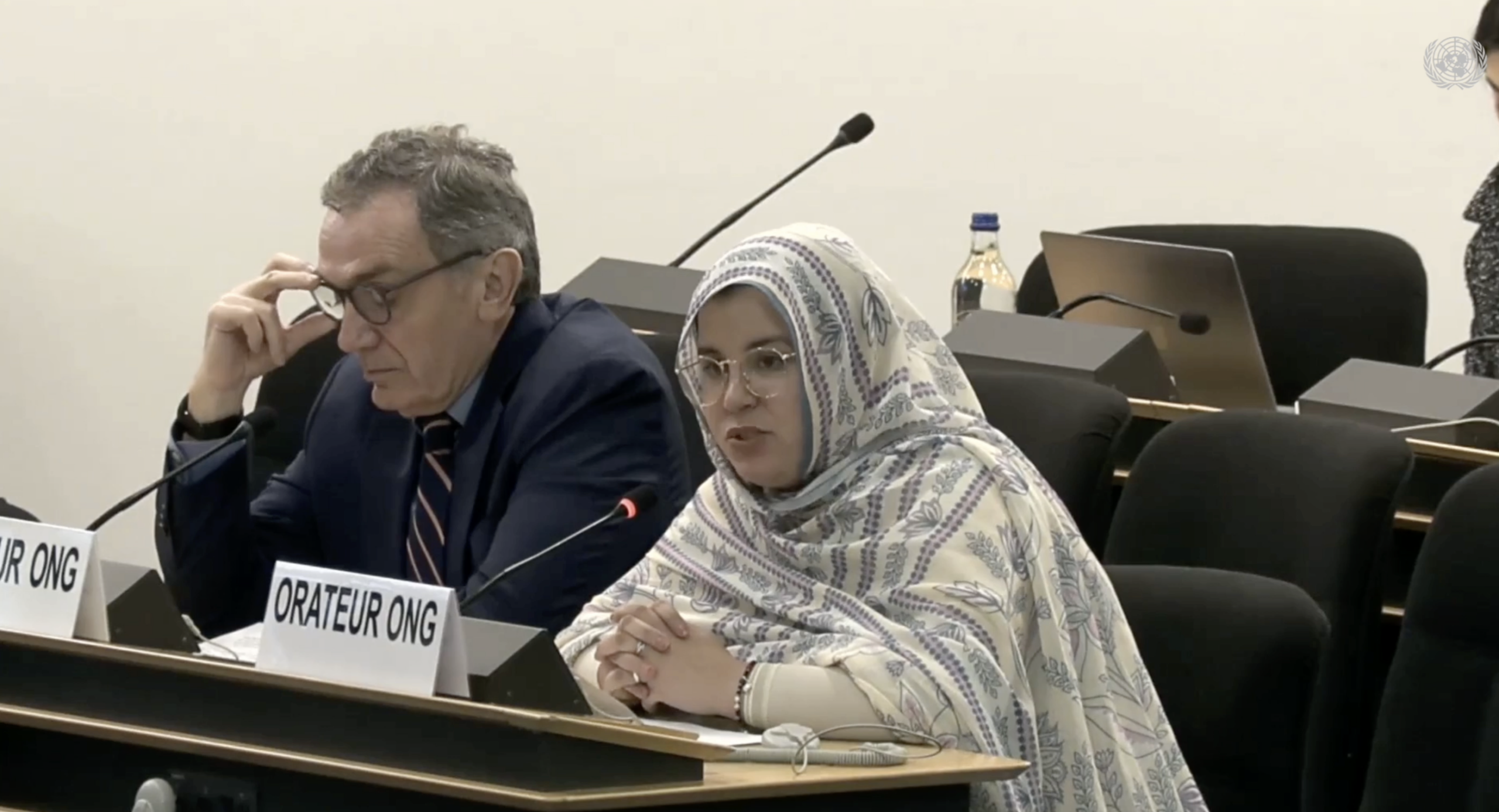
Saharawi woman human rights defender Fatima Moulay delivered a joint statement on behalf of ISHR, Front Line Defenders, and the Working group on human rights in occupied Western Sahara during the 61st session of the Human Rights Council, General Debate Item 4.
The human rights situation in occupied Western Sahara continues to require the Council’s attention.
Individuals peacefully advocating for the Saharawi people’s right to self-determination continue to face harassment, intimidation, contributing to a restrictive civic space and limiting their ability to participate in public life and express their views freely.
Morocco continues to impose restrictions on freedom of expression, peaceful assembly, and association. Human rights defenders and journalists reportedly face surveillance, intimidation and reprisals for their legitimate activities, including engagement with UN human rights mechanisms, arbitrary detention, ill-treatment, coerced confessions, violations of due process and fair trial.
Saharawi people also reportedly face discrimination in access to housing, education, health services, and participation in cultural life. The exploitation of natural resources in the occupied territory without the free, prior, and informed consent of the Saharawi people continues.
In light of the absence of regular independent human rights monitoring, we urge the Council to ensure unhindered access to the Office of the High Commissioner for Human Rights and Special Procedures to Western Sahara, as to enable independent assessment and reporting while ensuring that human rights defenders are protected from intimidation and reprisals.
The Council should also urge Morocco to release those arbitrarily detained, safeguard fundamental freedoms, and uphold the Saharawi people’s right to self-determination.
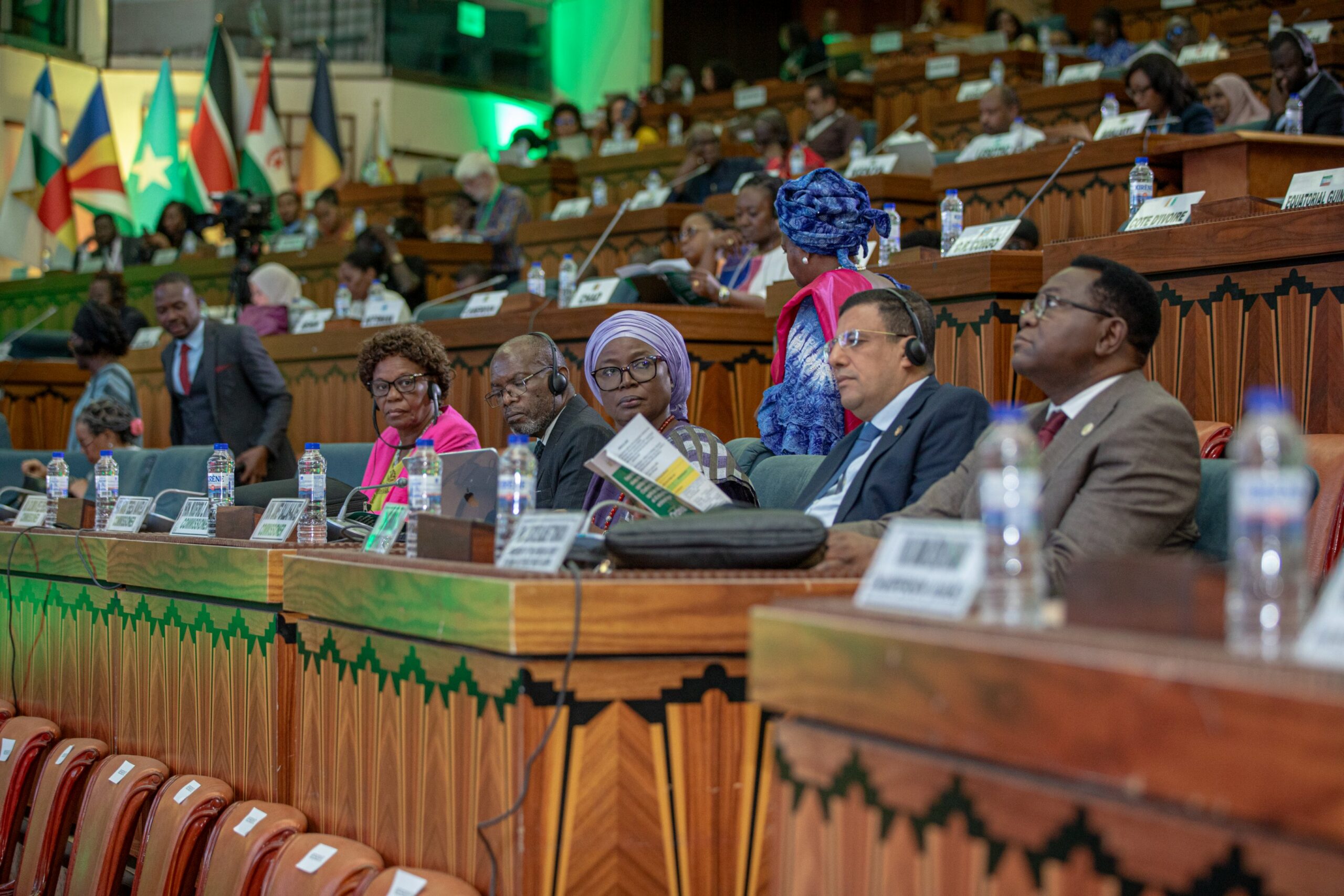
Over two days, the forum celebrated the African Charter’s historic achievement but converged on a clear warning: its next phase must prioritise implementation, resourcing, the protection of civic space, accountability, and tangible remedies so that the Charter becomes an enforceable source of protection in people’s daily lives rather than an aspiration on paper.
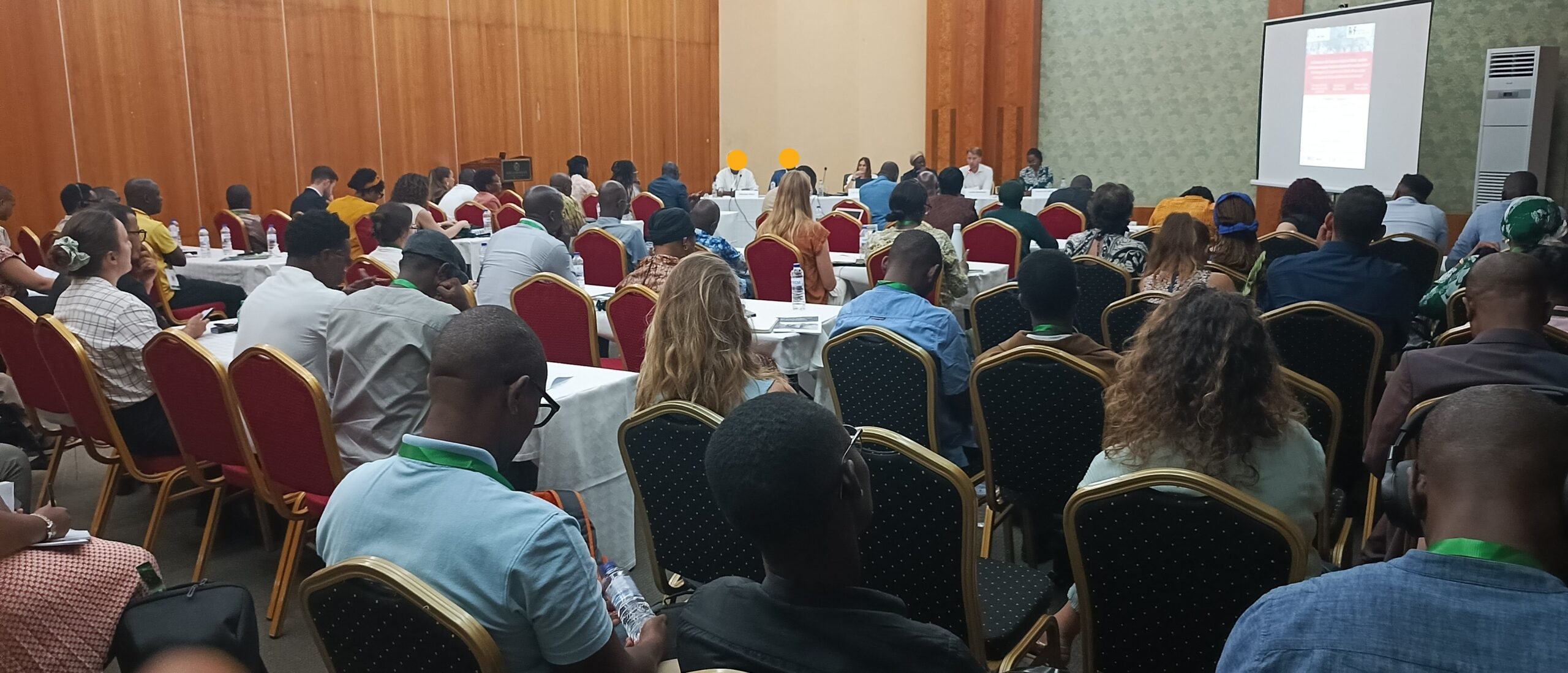
At the margins of the 89th session of the African commission, civil society groups discussed the growing challenges and threats weighing on journalists working the Sahel.
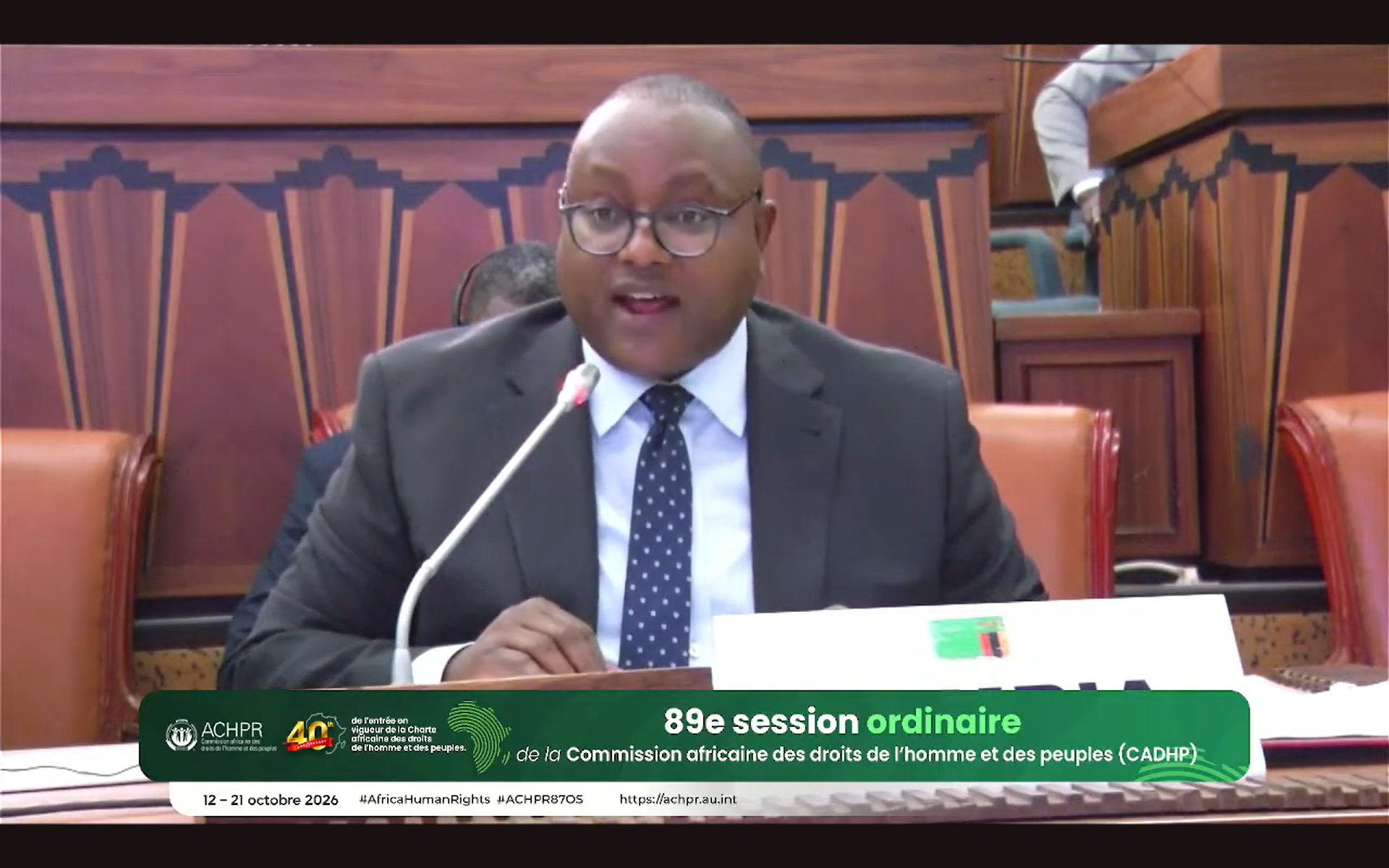
Zambia must ensure that human rights defenders can speak out, organise and work freely. In a joint submission to the African Commission, ISHR, SACCORD and ZNHRD highlight restrictive legislations and call for progress towards the adoption of the law for the promotion and protection of the rights of defenders.