HRC61: Report highlights historic discrimination, attacks against defenders, evictions in Guatemala
The Special Rapporteur on Adequate Housing presented his final report on his visit to Guatemala, with recommendations seeking to address decades of displacement, dispossession of land against Indigenous Peoples, and the criminalisation of defenders.
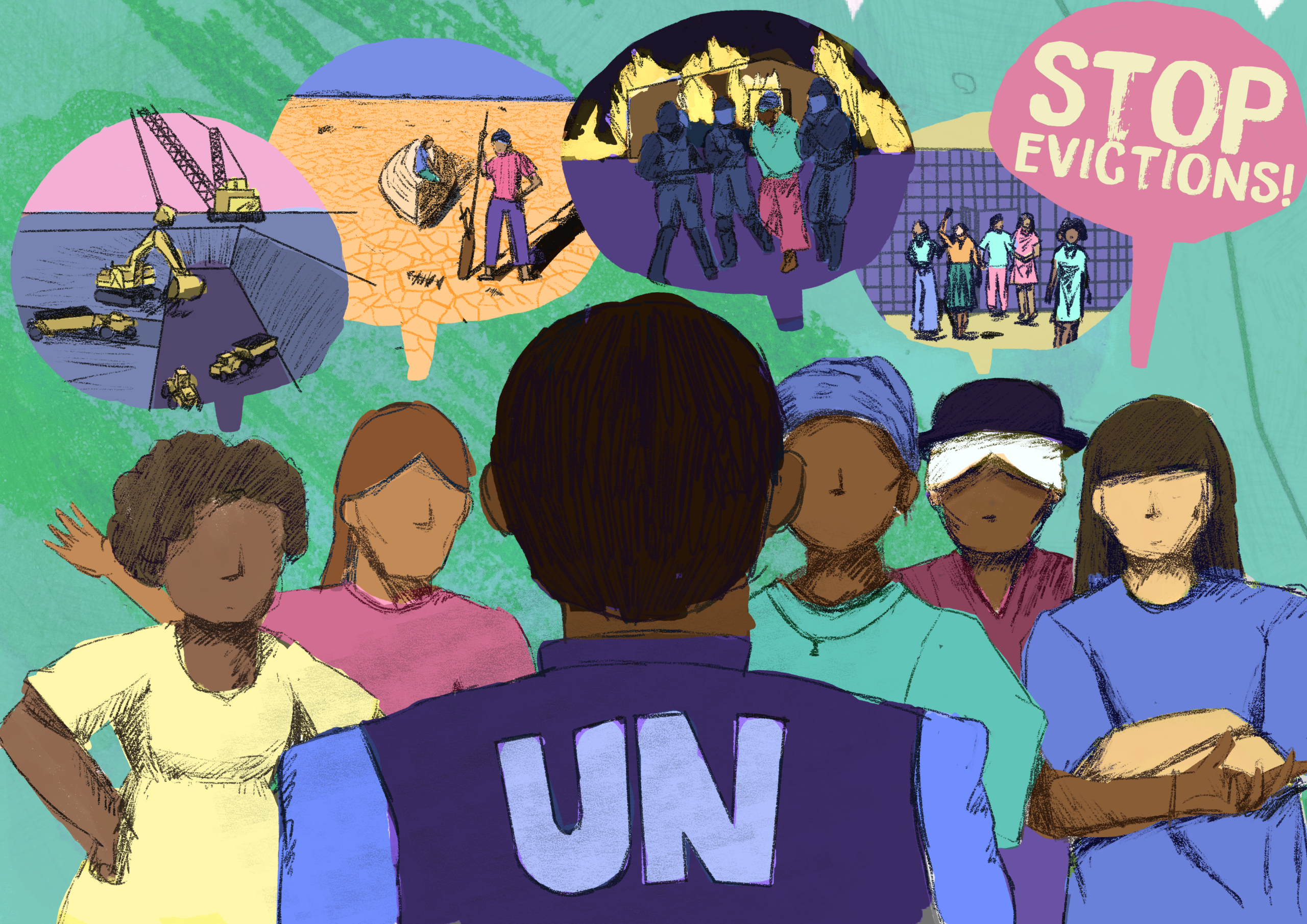
Mayan community representative Sandra Calel described what she saw during a forced eviction, one night in the region of Alta Verapaz Guatemala: Birds falling, the sound thousands of boots shaking the ground, injuries, casualties, crops destroyed, testimonies of sexual violence, homes set ablaze and families left with nothing.
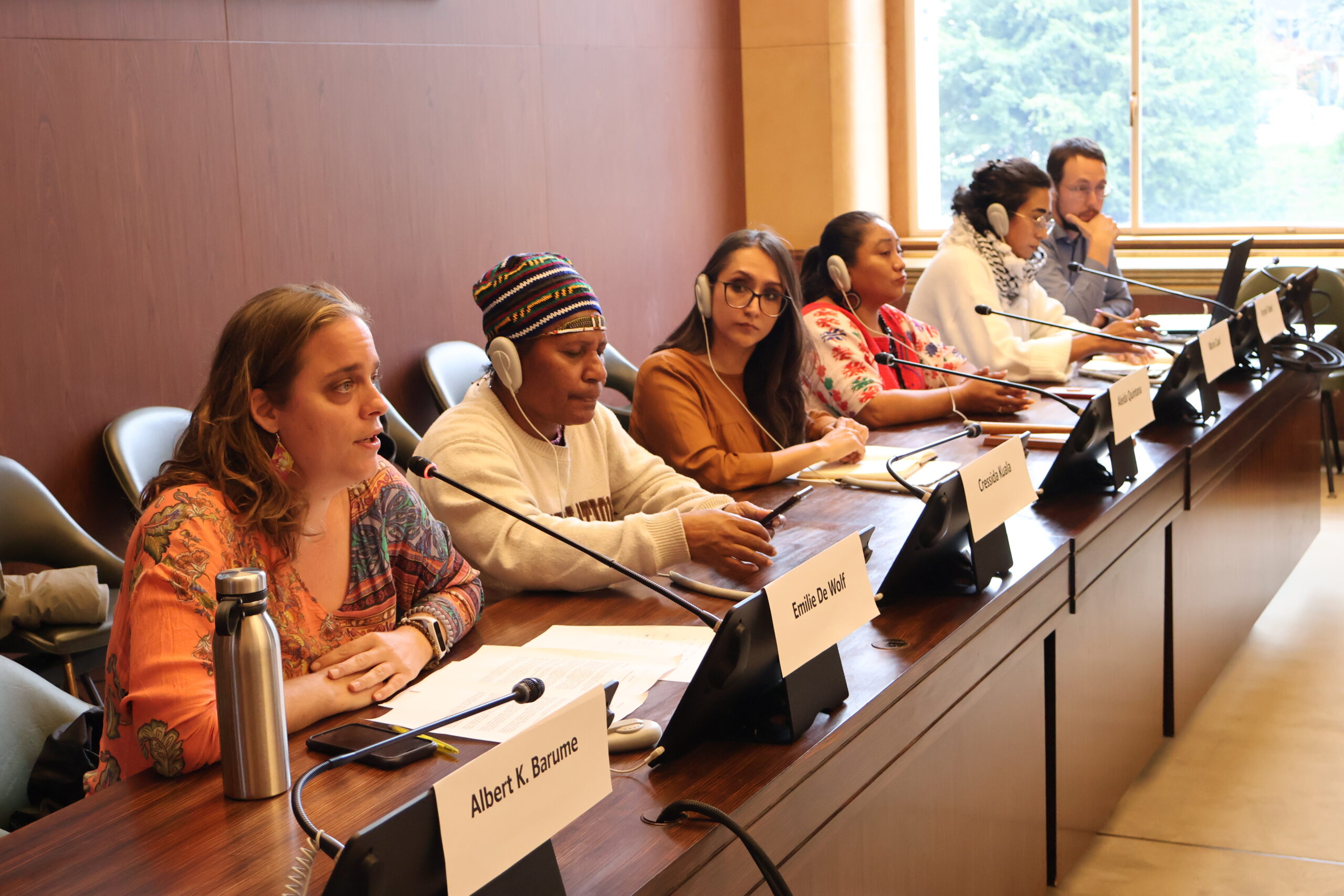
Calel shared her story during a side event at the margins of the 61st session of the Human Rights Council, during which Balakrishnan Rajagopal, the UN Special Rapporteur on the Right to Adequate Housing, presented his report on his visit to Guatemala in 2025.
Sandra’s testimony is no isolated case. The Special Rapporteur documented a rise in evictions – from 18 in 2023 to 130 in 2024 – carried out with military force, at night, and without notice. His report lists the burning of homes, crops and personal possessions during evictions as a common practice, echoing the scorched-earth tactics employed by the military during Guatemala’s civil war, and meeting the threshold of cruel and inhuman treatment under international law.
The report urges Guatemala to enact an immediate moratorium on collective evictions until legal protections are strengthened and a national dialogue on land is established. It further recommends that any public or private actor who carries out illegal evictions, including for the burning of homes or destruction of personal property be held liable.
Patriarchal discrimination
The report found that only 7.8% of landowners in rural Guatemala are women — a figure that reflects what the Special Rapporteur describes as a disproportionate and structural denial of access to land and housing, rooted in colonial and patriarchal patterns that have persisted for centuries.
Women lack equal access to credit, economic opportunities, and legal recognition of their land rights. The Rapporteur links this dispossession to women’s heightened vulnerability to domestic violence, which remains widespread and underreported, and to homelessness, as women fleeing violence have no sustainable housing alternatives to turn to.
During the presentation of the report, Indigenous women’s movement Tz’ununija’ delivered a statement on the human rights situation of Indigenous Women in the context of land and evictions. Some 15 Indigenous women met directly with the Rapporteur during his July 2025 visit to provide first-hand testimony on the impact of land dispossession, forced evictions, and the denial of housing rights.
Tz’ununija’ called on Guatemala to implement the Rapporteur’s recommendations, as well as those issued by the Committee on the Elimination of Racial Discrimination in November 2025, and those included in the Committee on the Elimination of Discrimination against Women’s General Comment No. 39, on Indigenous Women.
Tz’ununija’ further called to Guatemala to guarantee Mayan, Garífuna, and Xinka women comprehensive technical and financial advice and access to decent housing, to regulate national and multinational companies in order to prevent housing from being treated solely as a business, and to cease the criminalisation of land defenders.
Criminalisation of land and Indigenous defenders
As the Special Rapporteur explained in his report, Decree No. 33-96 allows landowners and companies to file criminal complaints against communities simply for occupying land – so-called ‘usurpation laws’ -, often their own ancestral territory, without exhausting any civil or administrative procedure first.
Evictions are authorised by judges in proceedings where affected communities are not notified and with collective arrest warrants issued against them, leaving people unable to work, access healthcare, or move freely.
During the side event, Rigoberto Juárez, a Maya land defender, explained that he has faced three separate judicial processes and 16 months of pre-trial detention for opposing extractive projects in his territory. He urged the international community to demand the suspension of politically motivated proceedings against Indigenous defenders and for Guatemala to reform its judicial branch. Juárez was initially due to attend the event in person, but a confirmation of charges against him prevented him from travelling.
The Rapporteur recommends repealing or amending ‘usurpation laws’, resolving land disputes through civil and mediation procedures, and immediately releasing those arbitrarily detained for defending land rights.
Specific recommendations on climate change, fisherfolk and business accountability
The report identifies climate change as a compounding driver of displacement, particularly for communities on degraded land or in areas affected by extractive industries.
The Special Rapporteur witnessed this first-hand in the eastern village of Arenal, home to a community gradually displaced by periodic flooding from the San Vicente River, which has been exacerbated by deforestation. With no government support, displaced families are now renting land and borrowing money for construction materials from locals — burdening them with debt that places them at further risk of exploitation. These elements suggest that the intersection of environmental degradation, climate vulnerability, and State abandonment is highly correlated to the overall damage in these communities.
The Special Rapporteur asserted that, if relocation becomes unavoidable, it must be carried out with community participation, in alignment with international standards – including the Guiding Principles on Resettlement -, and only as a last resort and with the meaningful participation of those affected.
Agribusiness, mining, and hydroelectric companies have been directly implicated in forced evictions and land dispossession, often without the free, prior, and informed consent of nearby communities. The Rapporteur recommended businesses carry out mandatory human rights due diligence, displacement impact assessments before approving projects, and that they seek avenues for benefit-sharing with affected communities.
Furthermore, the Special Rapporteur Rajagopal highlighted that fishing communities have lost their livelihoods – as industrial activities have reduced fish populations -, that they lack recognised land titles and are left with substandard housing.
In 2025, Doris Ramírez, a Guatemalan fisherfolk defender, testified that the absence of land access and the threat of a water law passed without community consultation are compounding the vulnerability of fishing communities. The Report concluded that Guatemala must support fishing communities to access productive land with security of tenure.
Finally, the Special Rapporteur stressed that Guatemala should not be left behind at this time of global uncertainty, and that authorities should seize on the rare moment of openness that allowed for his visit to address major rights challenges. His recommendations for authorities in this respect were crystal clear:
Declare an immediate moratorium on forced evictions.
Provide adequate housing solutions for families already displaced.
Legally recognise communal land ownership.
End the criminalisation of land defenders.
Operationalise equitable housing programs targeting the most marginalised: Women, LGBTQ+, Indigenous and rural communities.
Guatemala’s openness to the Rapporteur’s visit must be followed by formal acknowledgement of non-compliance with human rights and a genuine commitment to justice.
ISHR urges Guatemalan authorities to implement the recommendations in the Special Rapporteur’s report and to continue fully cooperate with his mandate and other UN human rights mechanisms to address urgent challenges for women, Indigenous communities and other vulnerable groups.
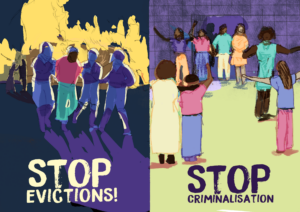
Illustrations: Bichofeo for ISHR
Author
Columba Benitez
Columba is currently a master’s student in International and Development Studies at the Geneva Graduate Institute. Columba has a strong commitment to human rights advocacy and experience as an activist serving as a Head of Communications for the AgriFood Collective. Columba has worked on participatory research, environmental campaigns, and community-based advocacy initiatives in Mexico.
At a high-level panel on the 25th anniversary of the Durban Declaration and Programme of Action, ISHR called on States to renew their commitments towards its full implementation.
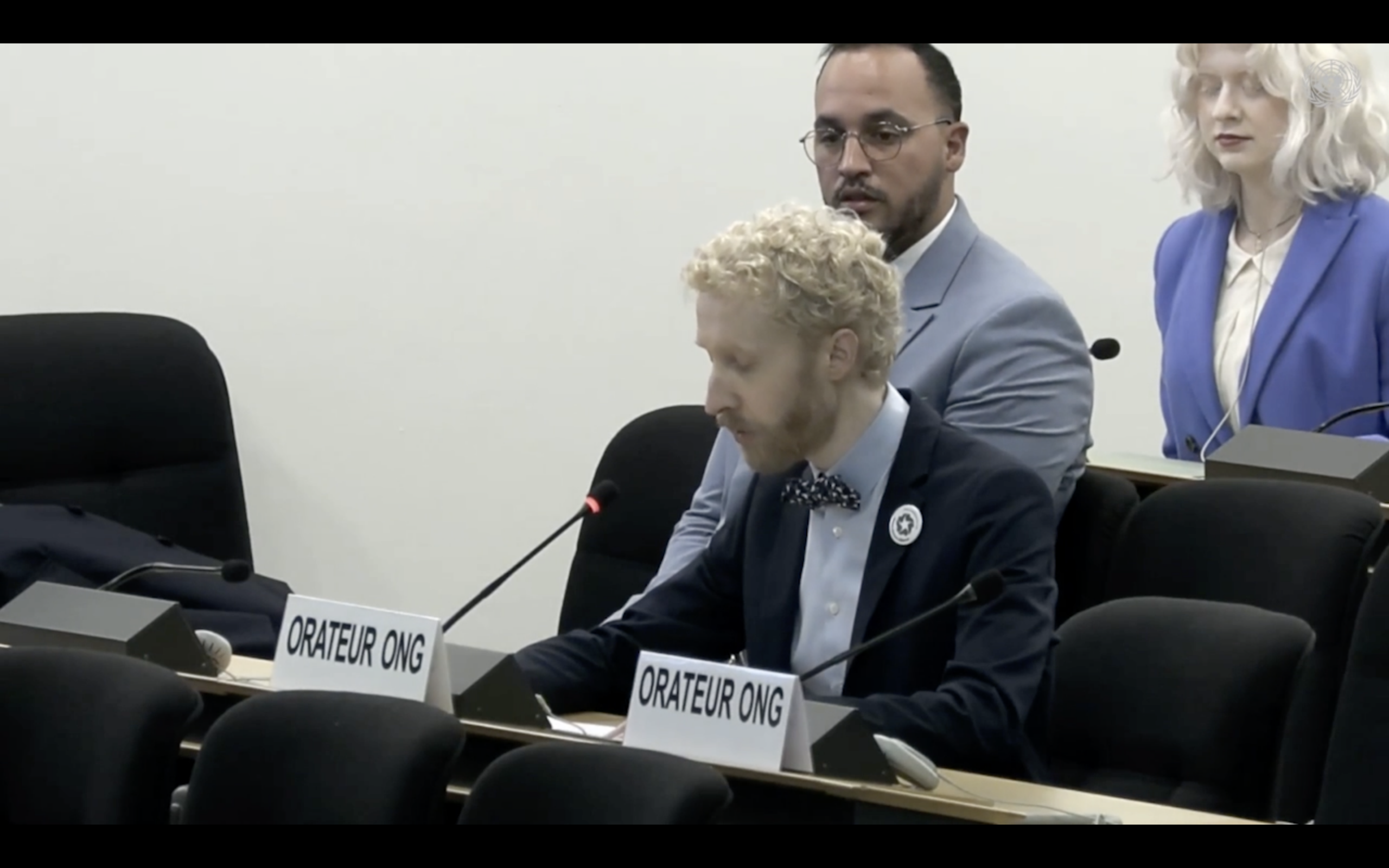
During HRC61 debate with the Independent Expert on the enjoyment of human rights by persons with albinism, Antoine Gliksohn, Executive Director of the Global Albinism Alliance delivered a joint statement with ISHR. Read and watch the statement below.
Ahead of International Women’s Day, ISHR and over 40 organisations supported a joint statement delivered by AWID calling for recognition of women and girls’ full dignity, equality and humanity, not just in words but in policies, in budgets, and implementation. Read the full statement below.

 Evictions are authorised by judges in proceedings where affected communities are not notified and with collective arrest warrants issued against them, leaving people unable to work, access healthcare, or move freely.