Transnational repression: Advancing UN and regional frameworks despite protection gaps
A new report prepared by Oxford Pro Bono Publico for ISHR shows that, though UN and regional human rights systems increasingly recognise transnational repression of human rights defenders, States still lack clear, binding obligations to prevent and address it.
Credit: This update is based on a research report prepared for ISHR by Oxford Pro Bono Publico, under the supervision of Professor Nazila Ghanea and coordination of Isabella Ruiz dos Santos Miguel, at the University of Oxford, to which ISHR expresses its sincere thanks.
ISHR’s commissioned report, prepared by Oxford Pro Bono Publico at the University of Oxford, analyses how regional and international human rights systems address transnational repression (TNR), focusing on existing legal frameworks at the UN and regional levels and identifying critical gaps that undermine effective prevention and accountability.
TNR refers to actions by a State or its proxies, within its territory or extraterritorially, aimed at silencing, punishing, or deterring individuals engaged in dissent and human rights advocacy in relation to that State from abroad. This includes practices such as extrajudicial violence, unlawful repatriation, digital surveillance, legal harassment, threats to family members, and denial of consular support. Particularly at risk are diaspora activists, exiled dissidents, and human rights defenders (HRDs).
Growing recognition across human rights systems
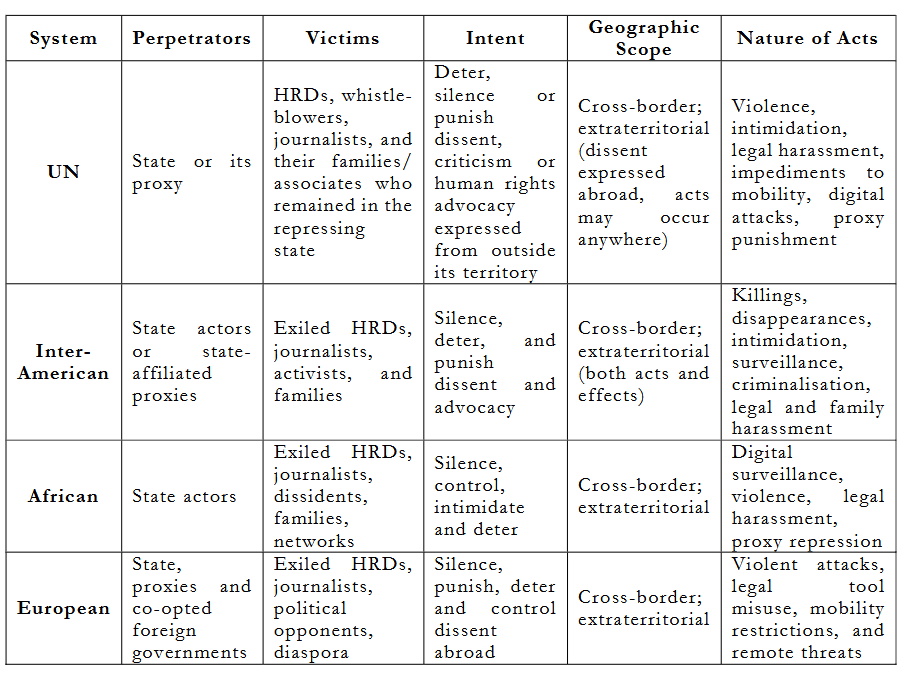
The United Nations has developed the most detailed body of work on TNR. Its engagement has shifted from ad hoc responses to a more systematic approach, including the Office of the High Commissioner for Human Rights (OHCHR) brief on TNR, references to it in Human Rights Council resolutions related to human rights defenders and the safety of journalists, and extensive documentation through Special Procedures reports and Treaty Body concluding observations.
The European system has adopted explicit TNR terminology in the Parliamentary Assembly of the Council of Europe (PACE)’s 2023 resolution, outlining four main tactics: direct attacks, co‑opting foreign States, mobility restrictions and remote threats. The European Union (EU) has also made a commitment to addressing TNR in its 2024 Council Conclusions on EU Priorities in UN Human Rights Fora and published a study on TNR of human rights defenders, describing global trends of TNR and its impacts on civic space and human rights.
The Inter‑American and African systems have traditionally addressed TNR through related concepts such as extraterritorial jurisdiction, cross‑border repression and reprisals against diaspora communities. In the Americas, the main tools are precautionary measures and thematic and country reports drawing on standards such as Velásquez Rodríguez v Honduras, while in Africa recognition is emerging through initiatives like the African Commission on Human and Peoples’ Rights (ACHPR) resolution mandating a study on HRDs in exile, though dedicated documentation remains more limited.
Extract from report ‘Transnational Repression of Human Rights Defenders: References, definitions and protections under International Human Rights Law’, September 2025, Oxford Pro Bono Publico for ISHR.
UN standards and protection gaps
All four systems offer legal frameworks protecting human rights defenders from TNR, with the UN system providing the strongest overall normative framework. In this regard, international human rights law and refugee law protect many of the rights most frequently violated in TNR cases.
The Universal Declaration of Human Rights (UDHR) and the International Covenant on Civil and Political Rights (ICCPR) set out core protections that are directly implicated in many acts of TNR, including the rights to life, freedom from torture and other ill‑treatment, liberty and security of person, freedom from arbitrary arrest, detention or exile, fair trial, privacy, freedom of movement, the right to seek and enjoy asylum, and freedoms of opinion, expression, association and assembly.
Both instruments establish these as standards that all States must respect for everyone within their jurisdiction, and UN bodies interpret that notion of jurisdiction, in some circumstances, to extend beyond territory to persons under a State’s effective control or directly affected by its actions, including across borders.
Other instruments, in particular the Convention against Torture, the Convention on Enforced Disappearance and the 1951 Refugee Convention, are also relevant to many forms of TNR against human rights defenders. Together, they reinforce obligations to prevent torture and enforced disappearance, protect refugees from refoulement and safeguard those who speak out in exile.
Despite these frameworks, the report identifies a range of common protection gaps:
There are no binding treaty norms that explicitly prohibit TNR, and enforcement is limited due to weak compliance mechanisms and the limited binding nature of many protective instruments;
Extraterritorial accountability mechanisms remain limited: States are the primary duty‑bearers under international human rights law, yet TNR often involves proxies, informal channels and digital means that obscure responsibility and fall outside clear territorial jurisdiction, making it difficult to establish State involvement and secure remedies;
There is insufficient regulation of cyber-surveillance and cross-border online-harassment;
The responsibilities of States hosting exiled HRDs to protect them from TNR remain unclear, including their positive obligations to prevent acts of TNR.
This results in inadequate protection for families and indirect victims. ISHR therefore urges States to build on this emerging recognition by developing and adopting explicit norms and guidance on TNR, grounded in international human rights law and standards.
This includes clarifying positive obligations to prevent acts of TNR, protect direct and indirect victims, and hold perpetrators accountable. This also includes adopting a human rights-based approach in regulating the role of technologies and private actors, and victim-centred policies that ensure that defenders and their families can access effective protection and redress wherever they are targeted.
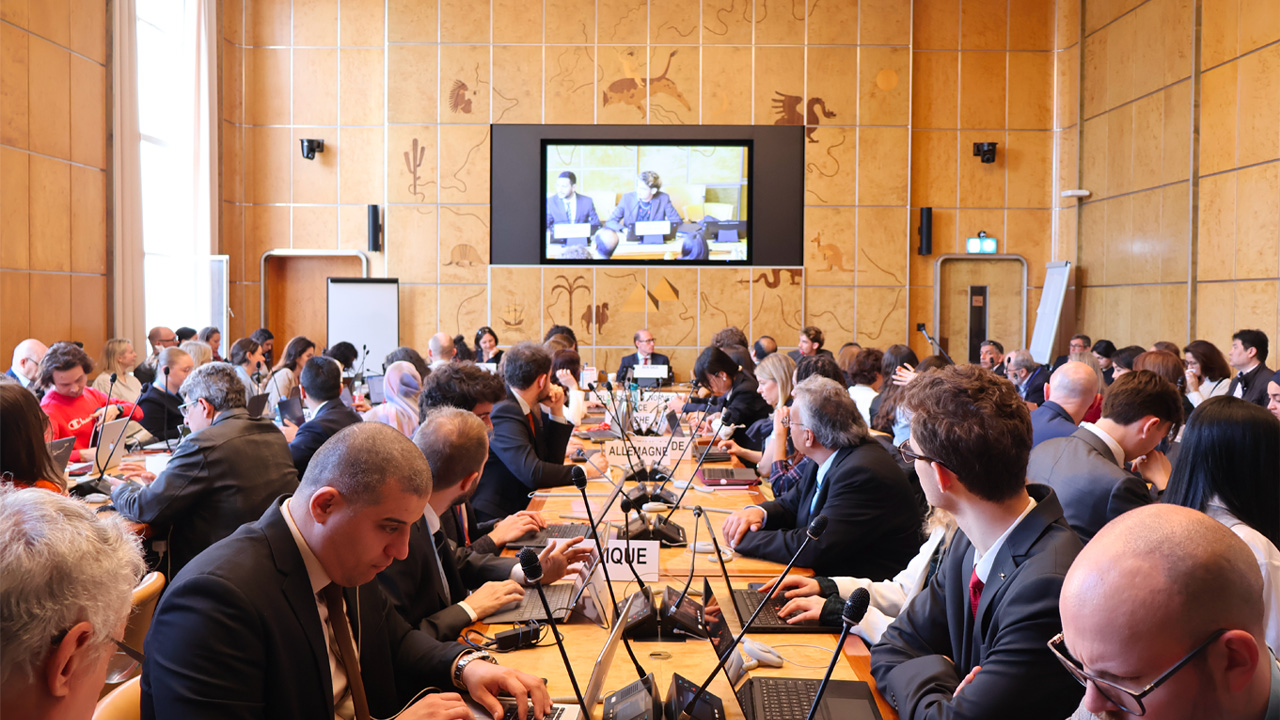
The event brought together defenders and UN experts from the Human Rights Committee, Special Procedures and the OHCHR, to discuss the positive obligations of host States under international human rights law in respect of TNR against individuals and groups within their territory.
The event also discussed strengthening international standards, and gaps arising from shortcomings in their implementation domestically.
Based on international law obligations and good practice, experts and HRDs recommended that host States should:
In consultation with civil society and victims, amend legal, criminal and administrative frameworks to avoid accountability gaps and respond to human rights violations of transnational nature, or that may not reach a domestic criminal threshold, including when acts of TNR are perpetrated against family members.
Consolidate protection mechanisms and adopt a victim-centred, long-term, holistic approach to protection of direct and indirect victims of TNR, including ensuring the right to legal personality in line with international human rights and refugee law.
Strengthen recognition, acknowledgement, understanding and public awareness-raising of acts and patterns of TNR.
Enhance monitoring and reporting on digital TNR, including related to the misuse of biometrics or Artificial Intelligence.
Subject extradition, mutual assistance and cross-border information-sharing requests to rigorous scrutiny, in particular on national security or foreign terrorism charges, to ensure the application of adequate human rights safeguards, including due process and non-refoulement.
Avoid automatically recognising foreign terrorist listings, and amend terrorism definitions, laws and listings to comply with international law.
Adequately regulate corporate actors to ensure human rights due diligence, as well as new technologies, including in the context of counter terrorism, and prohibit the use or transfer of technologies that cannot be used in compliance with human rights or pose unacceptable risks.
Share intelligence and cooperate in criminal investigations with and by other States to prevent and address TNR.
Author
Lee Chung Lun
Lee Chung Lun is a programme officer at ISHR. He supports Chinese, Uyghur, Tibetan, and Hong Kong human rights defenders in their advocacy at the United Nations.
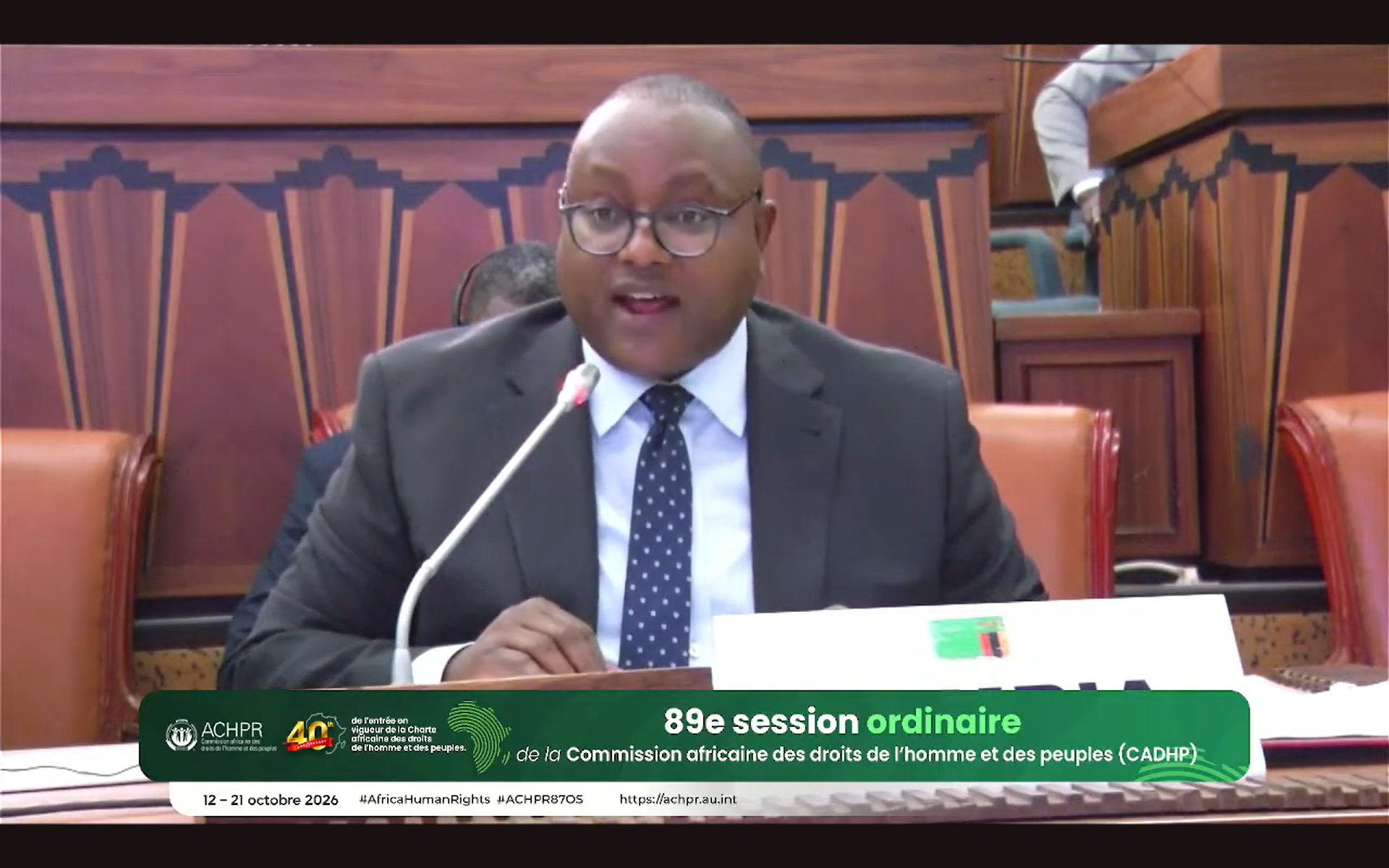
Zambia must ensure that human rights defenders can speak out, organise and work freely. In a joint submission to the African Commission, ISHR, SACCORD and ZNHRD highlight restrictive legislations and call for progress on the ongoing process towards the adoption of the law for the promotion and protection of the rights of defenders.
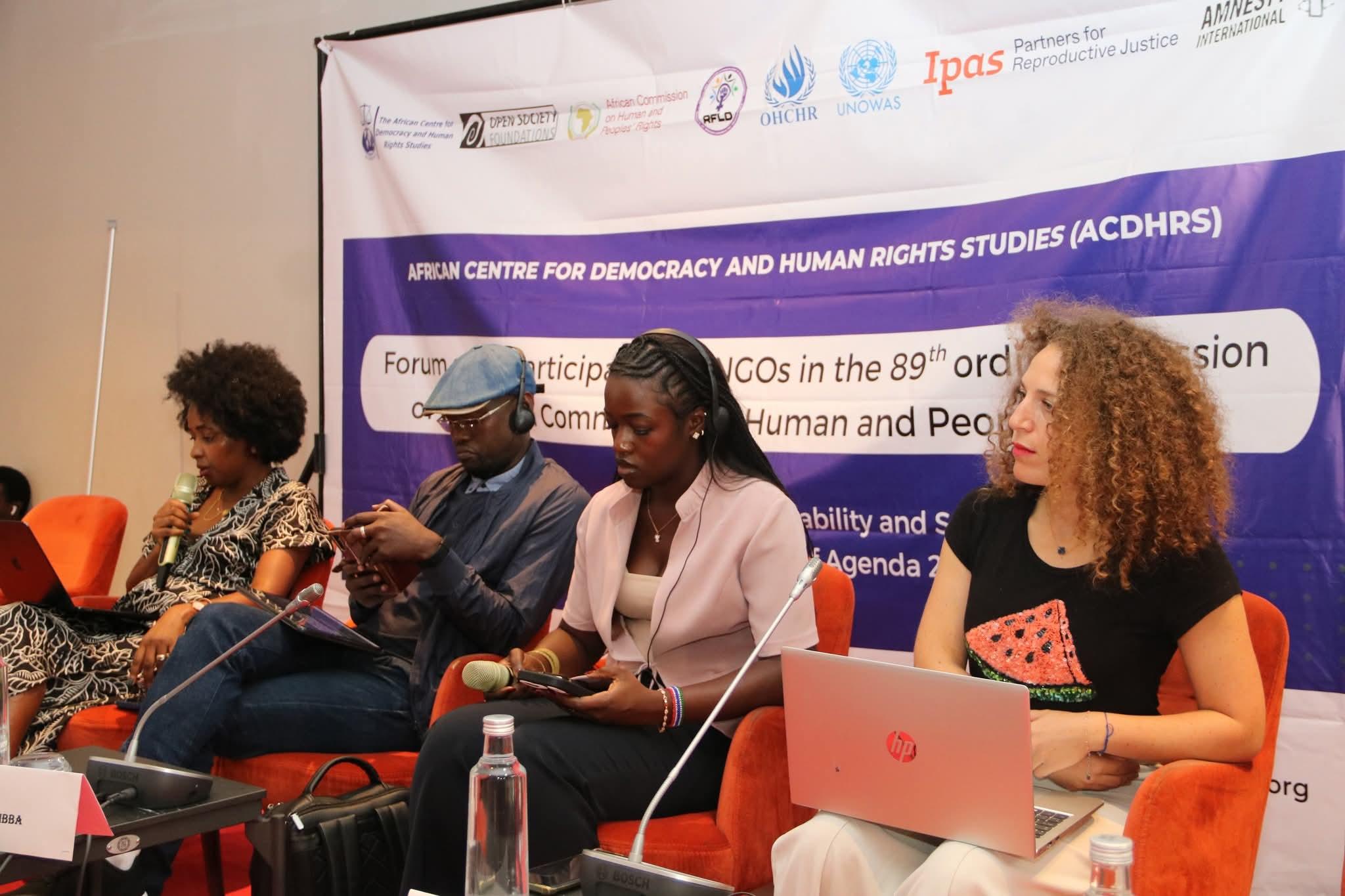
At the NGO Forum ahead of the 89th session of the African Commission, a high-level panel discussion tackled the growing issue of transnational repression in Africa.
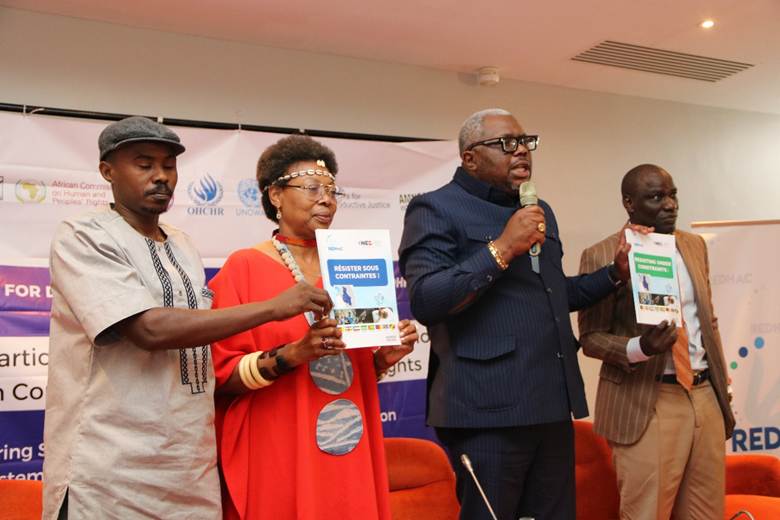
Ahead of the 89th session of the African Commission on Human and Peoples' Rights, the NGO Forum convened a panel on cross-border issues affecting human rights defenders in Central Africa and presented a new publication.