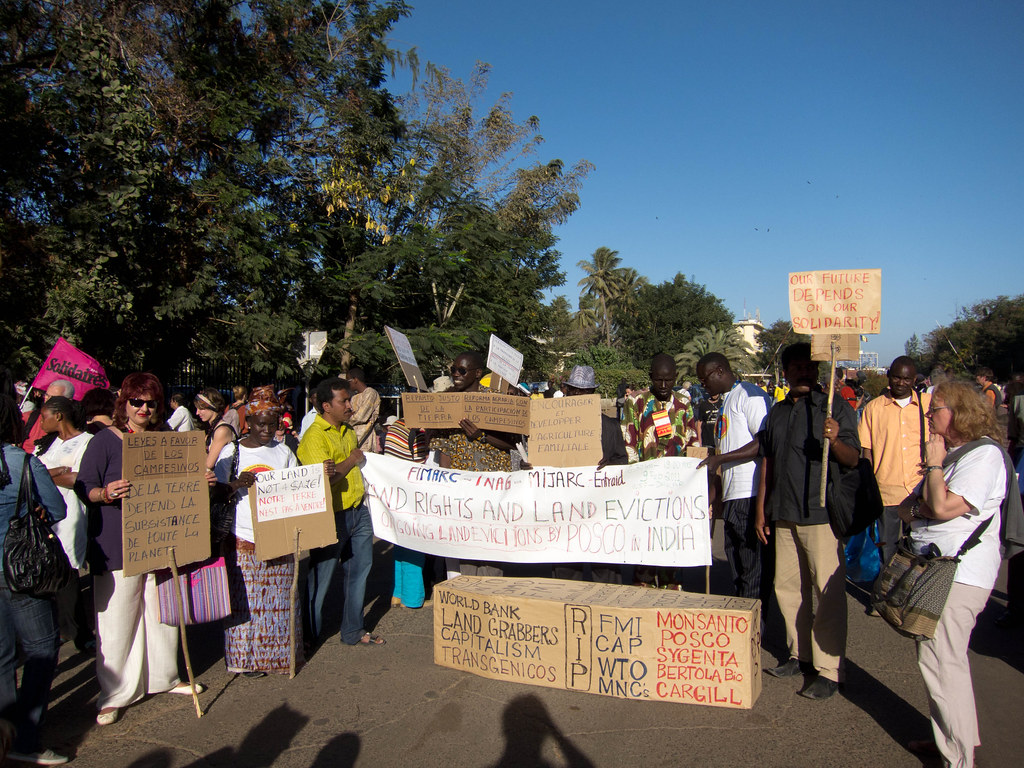
General Comment N° 26 of the Committee on Economic, Social and Cultural Rights spells out the obligations of States parties to the ICESCR in relation to land rights. This constitutes the first guidance wholly dedicated to land rights across the UN Treaty Body system. CESCR’s new resource provides a major opportunity for land rights defenders at a time when the global battle for natural resources is at a historical high, and those who stand to protect their land are on the frontline. In all world regions, people who resist the destruction and exploitation of their land are facing judicial harassment, threats and murders. Indigenous and peasant communities who defend their rights to cultivate and live on their ancestral lands are dispossessed and extorted by powerful actors. CESCR’s General Comment spells out the measures that States parties must take to uphold compliance with the obligations set out in the Covenant.
ISHR welcomes the dedicated section of the General Comment on land rights defenders, which echoes our inputs and calls on States parties to:
- Publicly recognise … the importance and legitimacy of the work of human rights defenders and a commitment that no violence or threats against them will be tolerated
- Repeal of any State legislation or any measures that are intended to penalise or obstruct the work of human rights defenders
- Strengthen State institutions responsible for safeguarding the work of human rights defenders
- Investigate and punish any form of violence or threat against human rights defenders
- Adopt and implement programmes, in consultation with potential beneficiaries, that are well resourced and have inbuilt coordination mechanisms that ensure that adequate protection measures are provided to human rights defenders at risk whenever necessary
Speaking about this groundbreaking new guidance, the Committee’s Co-Rapporteur Rodrigo Uprimny said:
“I hope that communities whose land rights are denied, including indigenous communities, can count on the force of international law, and the norms dictated by the International Covenant on Economic, Social and and Cultural Rights. The General Comment reaffirms and reinforces the concept of free, prior and informed consent and also recognizes the fundamental work of defenders of land rights.”
Download as PDF