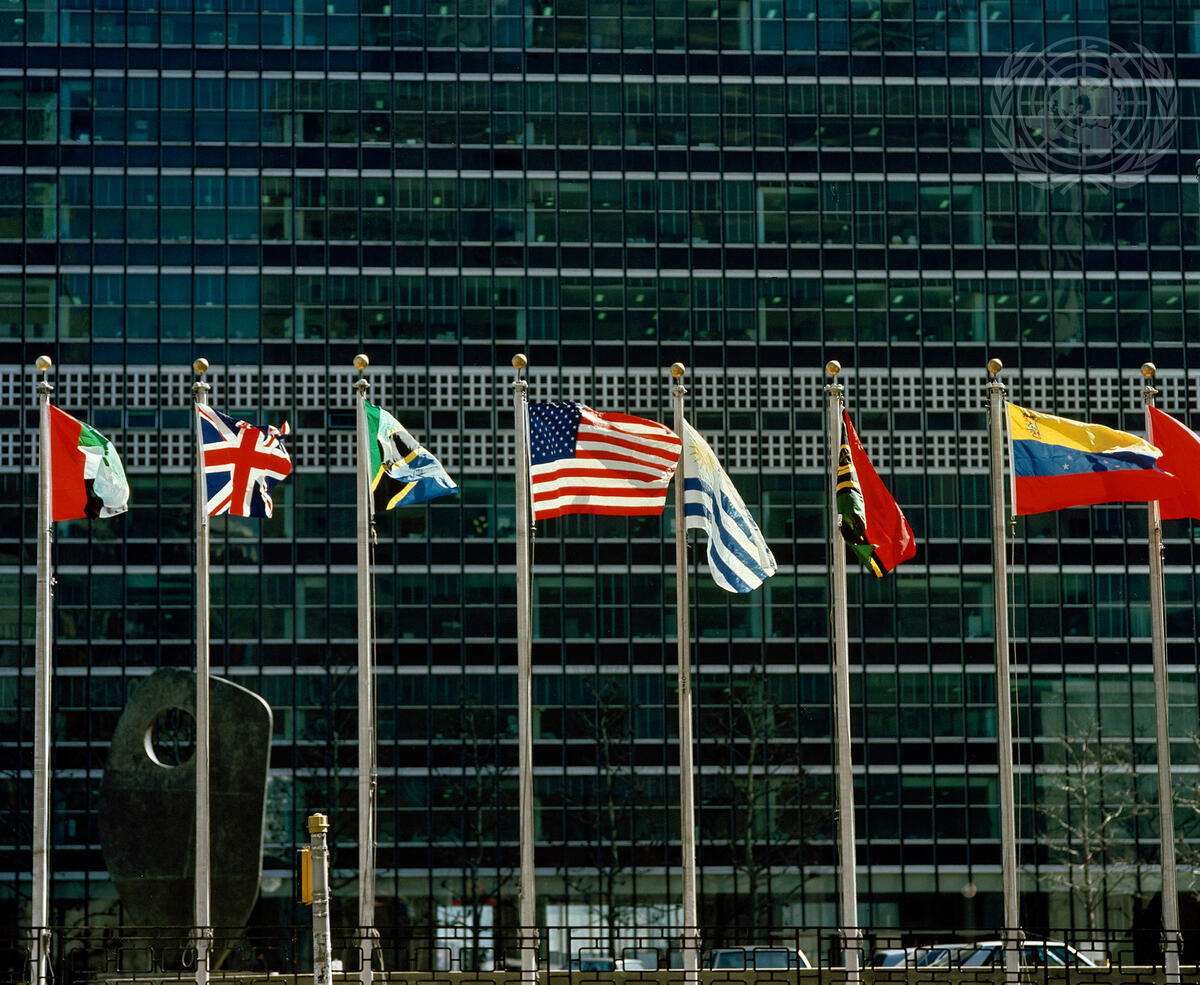
For the second year in a row, the United States has refused to submit to the UN Human Rights Council’s flagship review process, the Universal Periodic Review (UPR), before which it was scheduled to appear on 10 November. This makes the US the first State to fully ignore its obligations before this crucial human rights mechanism.
'No country should be beyond criticism or exempt from basic accountability for their human rights record. The US is no exception. Its recent record on migration, LGBT rights, racial discrimination and civic freedoms, like the right to protest, together with the conduct of illegal wars in the Middle East and extrajudicial executions in the Pacific and Caribbean, merits the kind of close scrutiny that the UPR allows for. What has Washington got to hide?'
Phil Lynch, ISHR Executive Director
The UPR is a peer-review process hosted by the Human Rights Council, which allows for regular discussion and scrutiny of the rights records of all 193 UN Member States. Every State is expected to adhere to and cooperate with this process, each taking turns to inform their peers in cycles that last roughly five years.
During UPR processes, States disclose their internal efforts to uphold and protect human rights at home and abroad, and they receive direct feedback and recommendations from fellow State representatives and civil society in plenary sessions of the Human Rights Council.
The mechanism is based on the principles of transparency, universality and on the equal treatment of all countries – all of which have been seriously undermined by the US’ unprecedented absence.
'In the twenty years since the UPR was established, not a single country has so shamelessly refused to participate in this universal process. It is deeply regrettable that the US, whose former First Lady Eleanor Roosevelt was one of the great champions of the Universal Declaration of Human Rights, has become the first to do so.'
Phil Lynch
The refusal of the US to cooperate with the UPR comes after the Trump administration’s 2025 announcement that it would no longer engage with the Human Rights Council.
Ahead of today’s UPR plenary, civil society organisations published a statement urging Council States and the UN High Commissioner for Human Rights to respond to Washington’s likely absence by scheduling a dedicated dialogue at the Council’s upcoming 64th session (in March 2027) and placing greater direct scrutiny on the US record in coming debates.
'Non-cooperation must carry consequences. We call on States to support a dedicated debate on US non-cooperation and for the UN Human Rights Office to prepare a report on the human rights situation in the country. It is also vital that civil society actors and representatives of affected communities are able to participate in this debate, providing testimony and expert evidence from the ground.'
Phil Lynch
ISHR urges all Council members to maintain pressure and scrutiny on the United States’ record and use all levers to pressure it to return to the table and meet its international human rights obligations, as all countries must without exception.