Venezuela: civil society organisations call for the renewal of key UN Fact-Finding Mission
In a joint statement published today, 21 civil society organisations - including ISHR - called for the renewal of the UN Fact-Finding Mission on Venezuela.
The joint statement addresses key questions regarding this UN mechanism, including what the Fact-Finding Mission (FFM), why must its mandated must be extended until at least until 2028, how it complements the work of the UN Human Rights Office (OHCHR) and international justice mechanisms, and, crucially, how the mission can contribute to the future of Venezuela.
This statement follows an interactive dialogue held at the Human Rights Council’s 63rd session, on 18 September 2026, where members of the FFM presented their most recent report, and during which civil society organisations issued oral statements calling on the Council to renew the FFM’s mandate for another two years.
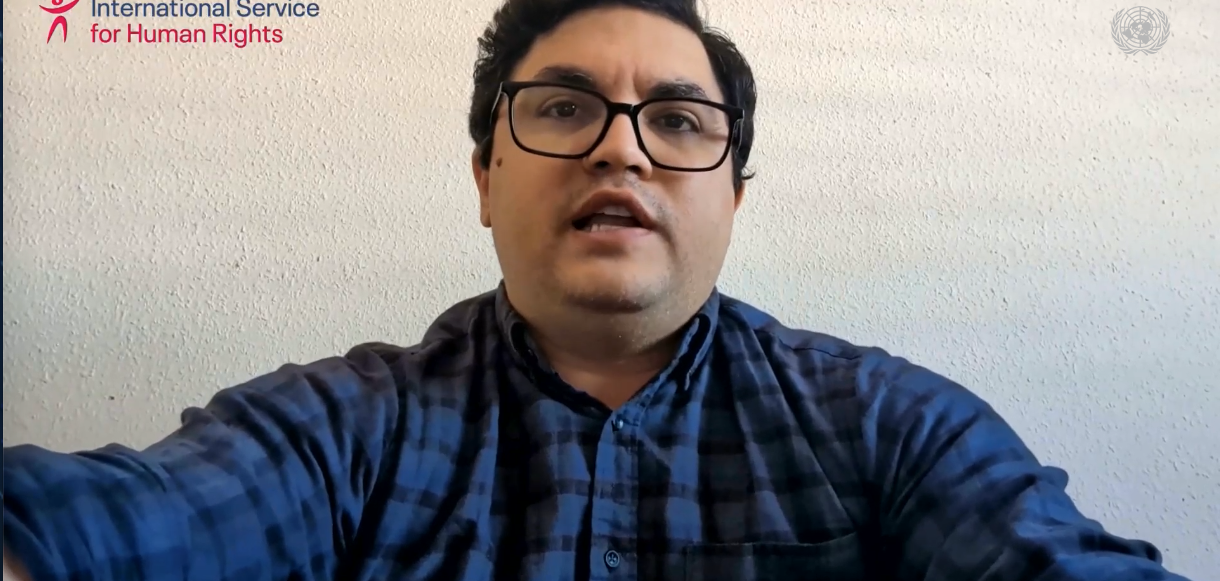
During the interactive dialogue, Luis Carlos Díaz gave a statement on behalf of Transparencia Venezuela and ISHR, calling on Council members to renew the mandates of the FFM and OHCHR on Venezuela.
In its latests reports, the FFM concluded that gross human rights violations and international crimes continue being committed in Venezuela under amid persisting impunity. They also highlighted the role of groups of armed civilians in the government’s policy of repression and other human rights abuses.
These conclusions build on a robust body of work published since 2020. In its reports, the FFM has profiled a number of mid- and high-ranking perpetrators, chains of command within intelligence services and security forces, and a State policy against the civilian population who might be considered dissidents that would constitute crimes against humanity, including persecution on political grounds.
The UN Independent International Fact-Finding Mission on Venezuela is a special mechanism created by the UN in 2019 to exercise scrutiny and investigate gross human rights violations in Venezuela.
The importance of its work has been widely recognised and, given its continued relevance, its mandate has been renewed in 2020, 2022, and 2024for two-year periods.
A resolution to extend its mandate is expected to be considered for voting during the final days of the Council’s 63rd session, between 5 and 7 October. As in previous resolutions that extended the FFM’s mandate, States in the Americas continue to lead the renewal of the mandate of the FFM. Since 2024, the States leading this effort have been Argentina, Canada, Chile, Ecuador, Guatemala, Paraguay, and Uruguay.
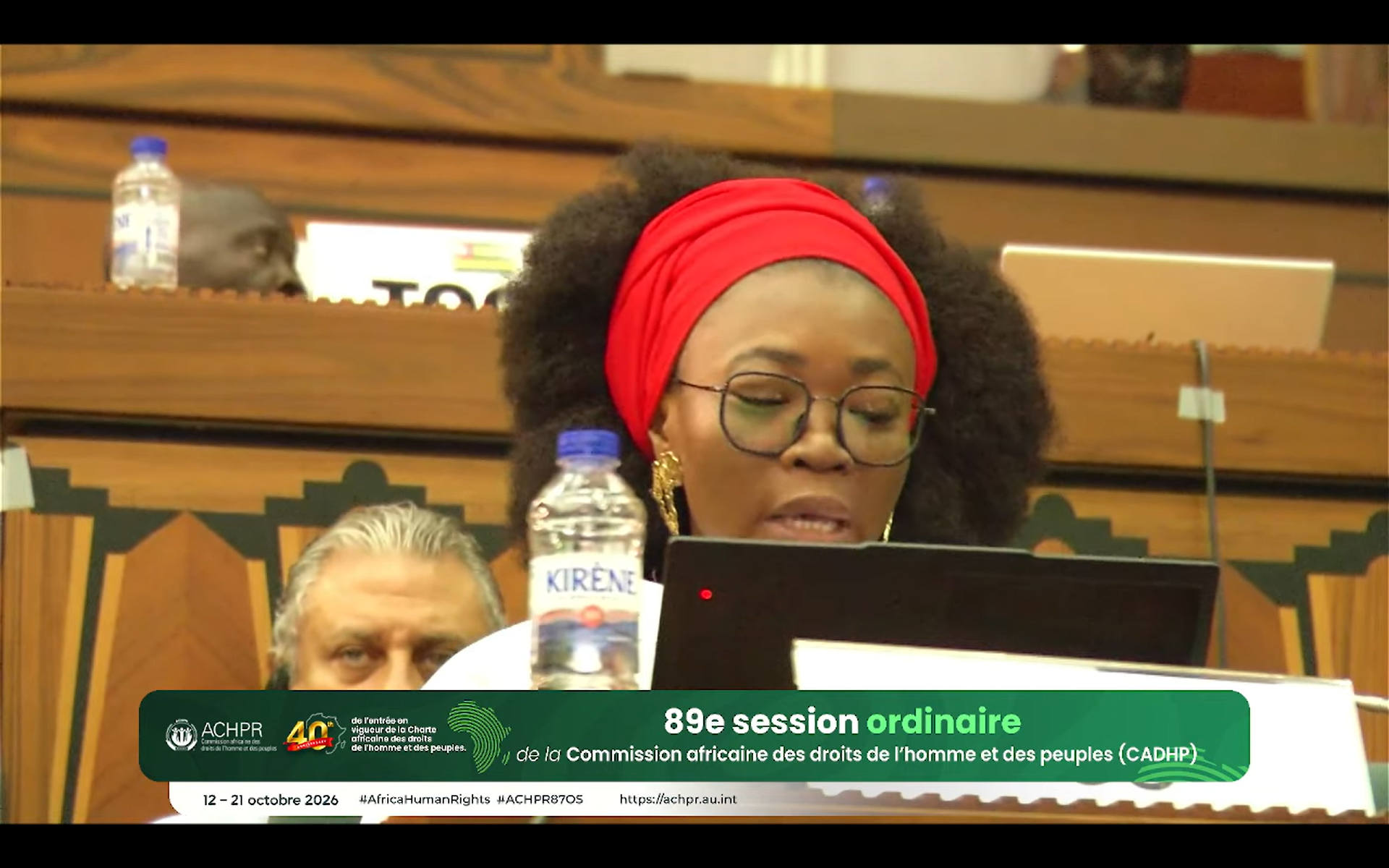
During the 89th ordinary session of the African Commission on Human and Peoples Rights (‘the African Commission’), ISHR shared concerns about the situation of human rights defenders in Cameroon, Zambia and Guinea, especially in regards to the restrictive legal framework they work in and drew their attention to the state of civic space in Africa.
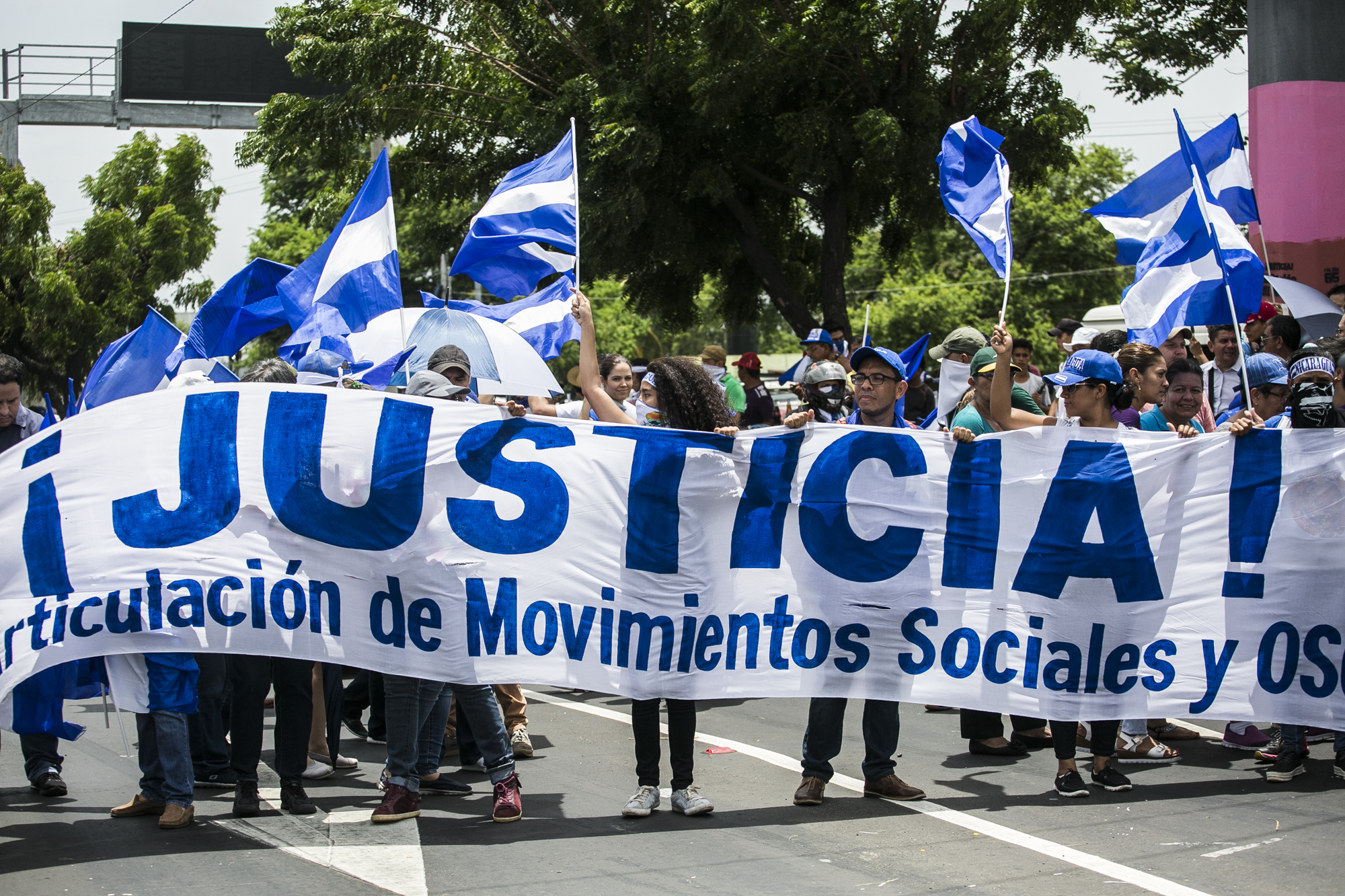
At the Human Rights Council's session, 47 States jointly denounced the dismantling of democracy in Nicaragua, while UN experts presented new evidence of systematic repression, enforced disappearance and deaths in State custody.
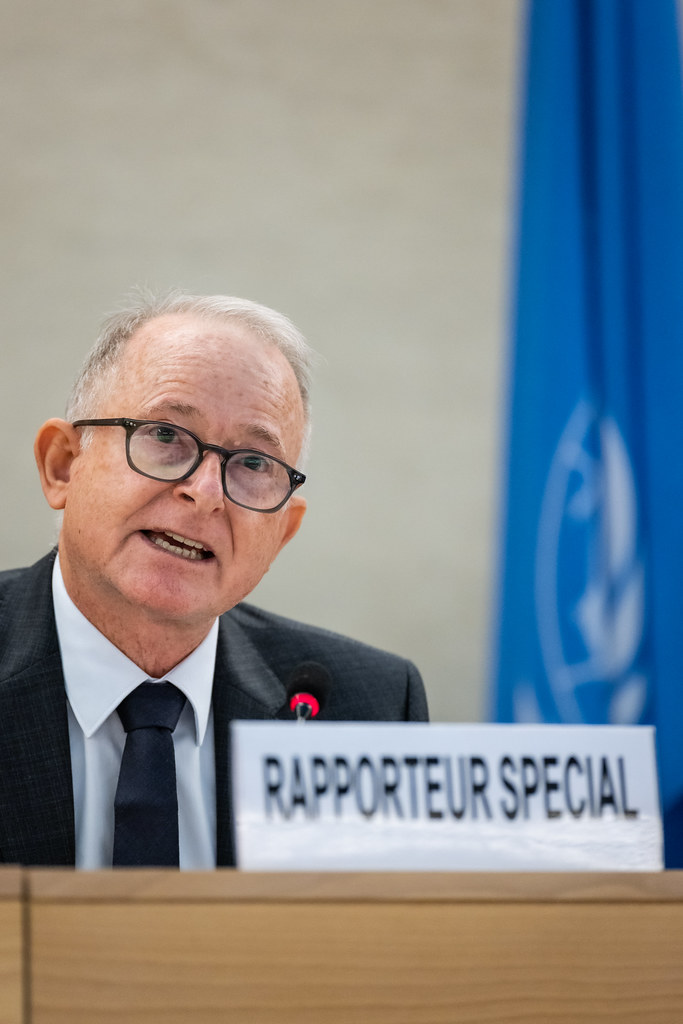
The Human Rights Council has renewed the mandate of the Special Rapporteur on Afghanistan for another year, maintaining dedicated scrutiny of the rights of women and girls. ISHR welcomes the renewal and calls on States to make sure the new Independent Investigative Mechanism for Afghanistan is up and running without delay.