
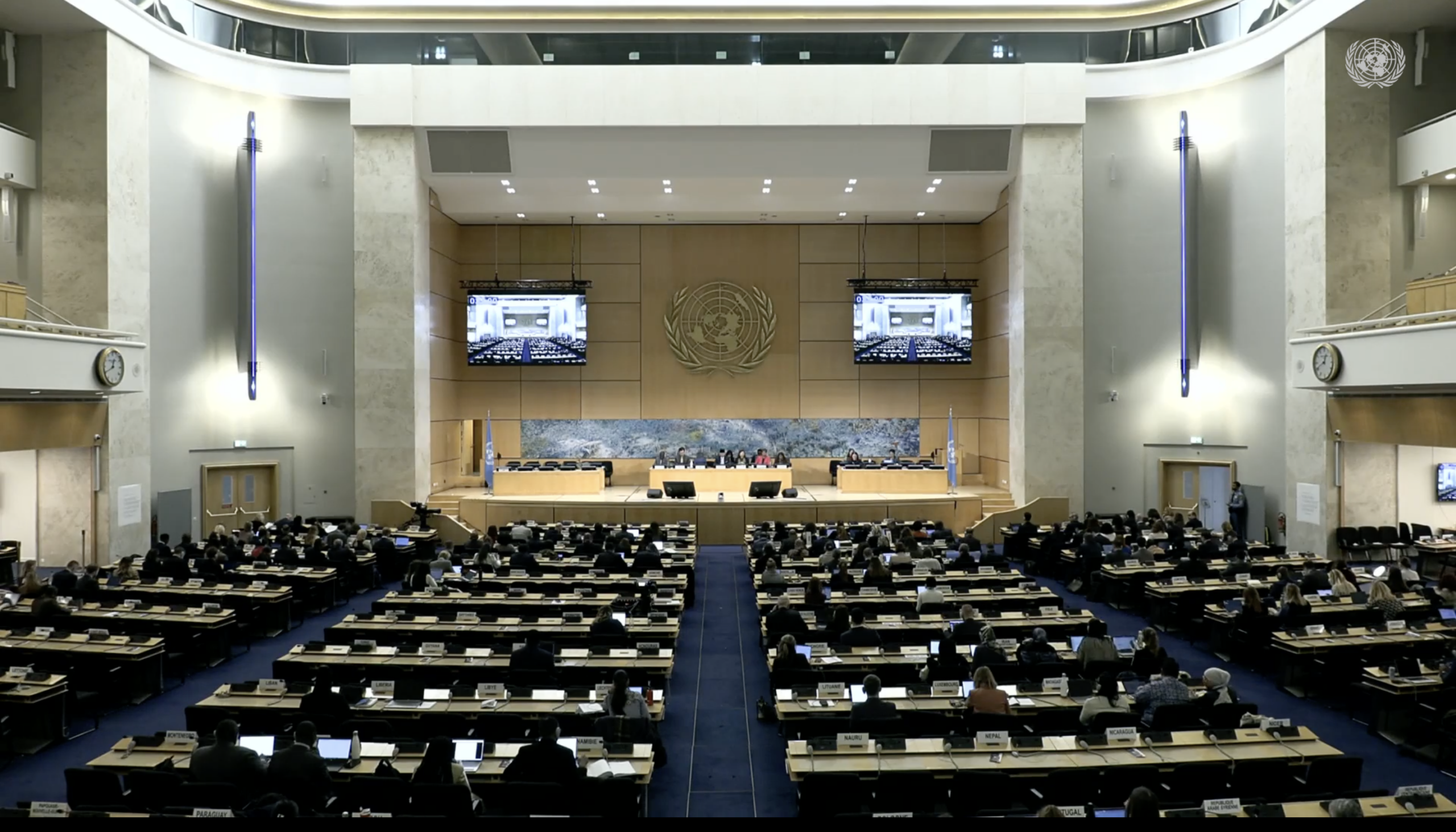
HRC62: Civil society presents key takeaways from the session
At the 62nd Human Rights Council session, civil society organisations shared reflections on key outcomes and highlighted gaps in addressing crucial issues and situations.
© Photo: Flickr/Ollivier Girard/CIFOR
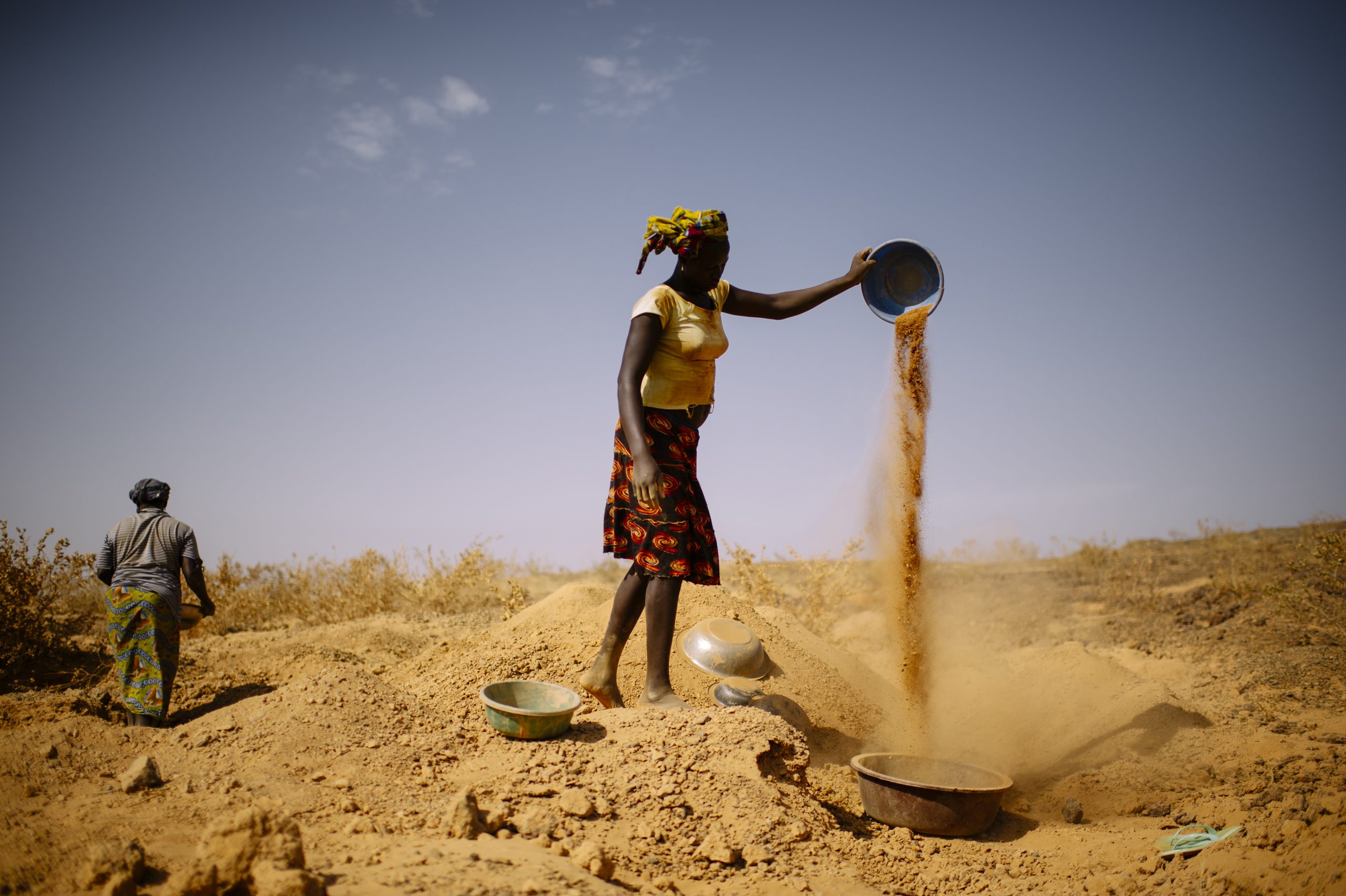
ISHR and Rencontre pour la paix et les droits de l’homme (RPDH) called upon the African Commission to urge the Republic of Congo to comply with the Extractive Industries Transparency Initiative (EITI) rules on transparency for extractive industries and to protect defenders working on connected issues.
On 30 April 2022, Com. Solomon Ayele Dersso, Chairperson of the working group on extractive industries, environment and human rights violations in Africa (WGEI) presented his inter-sessional activity report. The report highlights ongoing discussion with with the African Union (AU) Commission, the United Nations (UN) Development Programme, the Office of the UN High Commissioner for Human Rights and the UN Working Group on Business and Human Rights towards co-convening and co-hosting the first of what would be an annual African Business and Human Rights Forum.
On this occasion, Miyalou Ndoulou Michelle Jeiss from RPDH delivered a joint statement on the critical situation in the Republic of Congo. Indeed, as oil represents 90% of the Congo’s exports, the extractive industry is associated with political and economic instability, as well as human rights violations. The population rarely benefits from the income generated by the sector evidenced by the level of poverty of the populations, with limited access to health.
ISHR and RPDH therefore urged the WGEI to :
Watch the session here
At the 62nd Human Rights Council session, civil society organisations shared reflections on key outcomes and highlighted gaps in addressing crucial issues and situations.
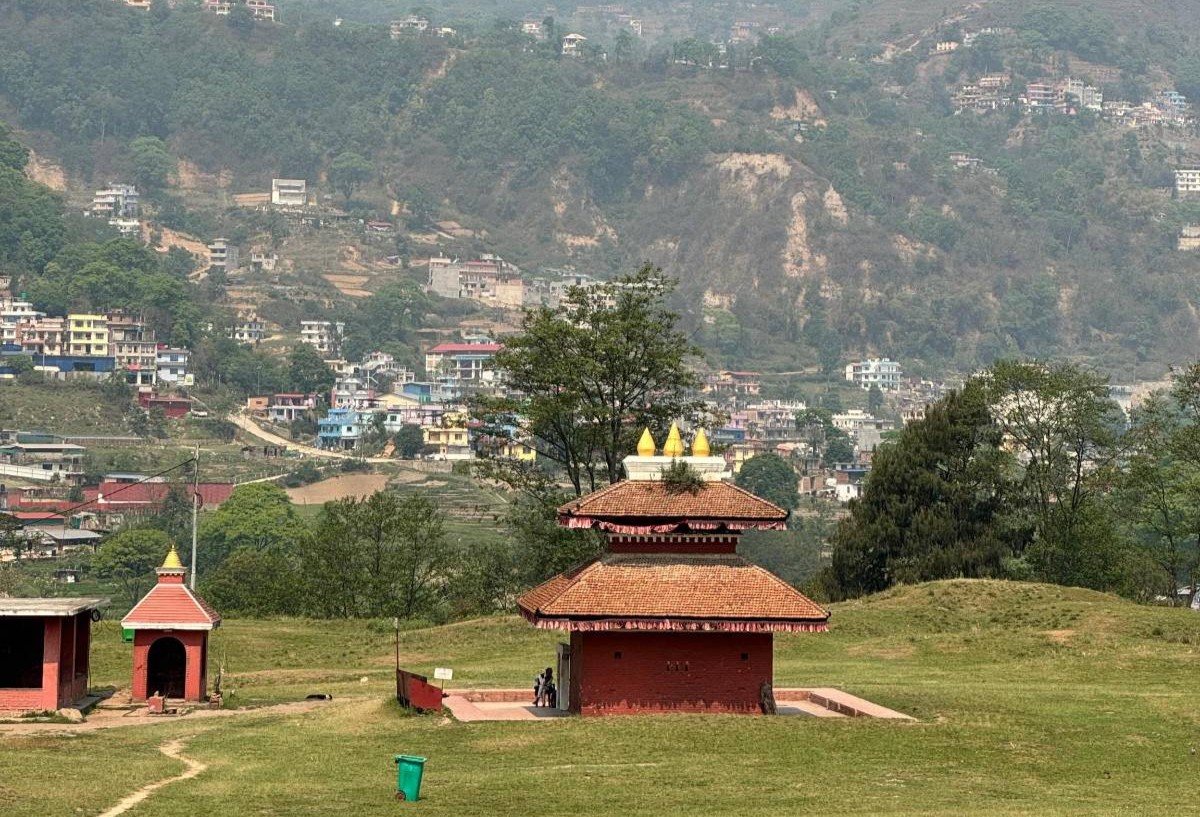
Despite Nepal’s international commitments, human rights violations against Indigenous Peoples continue. The new government has an opportunity to align its laws with international standards, ensure consent for projects affecting Indigenous communities, and protect the right to peaceful protest and the right to defend rights.
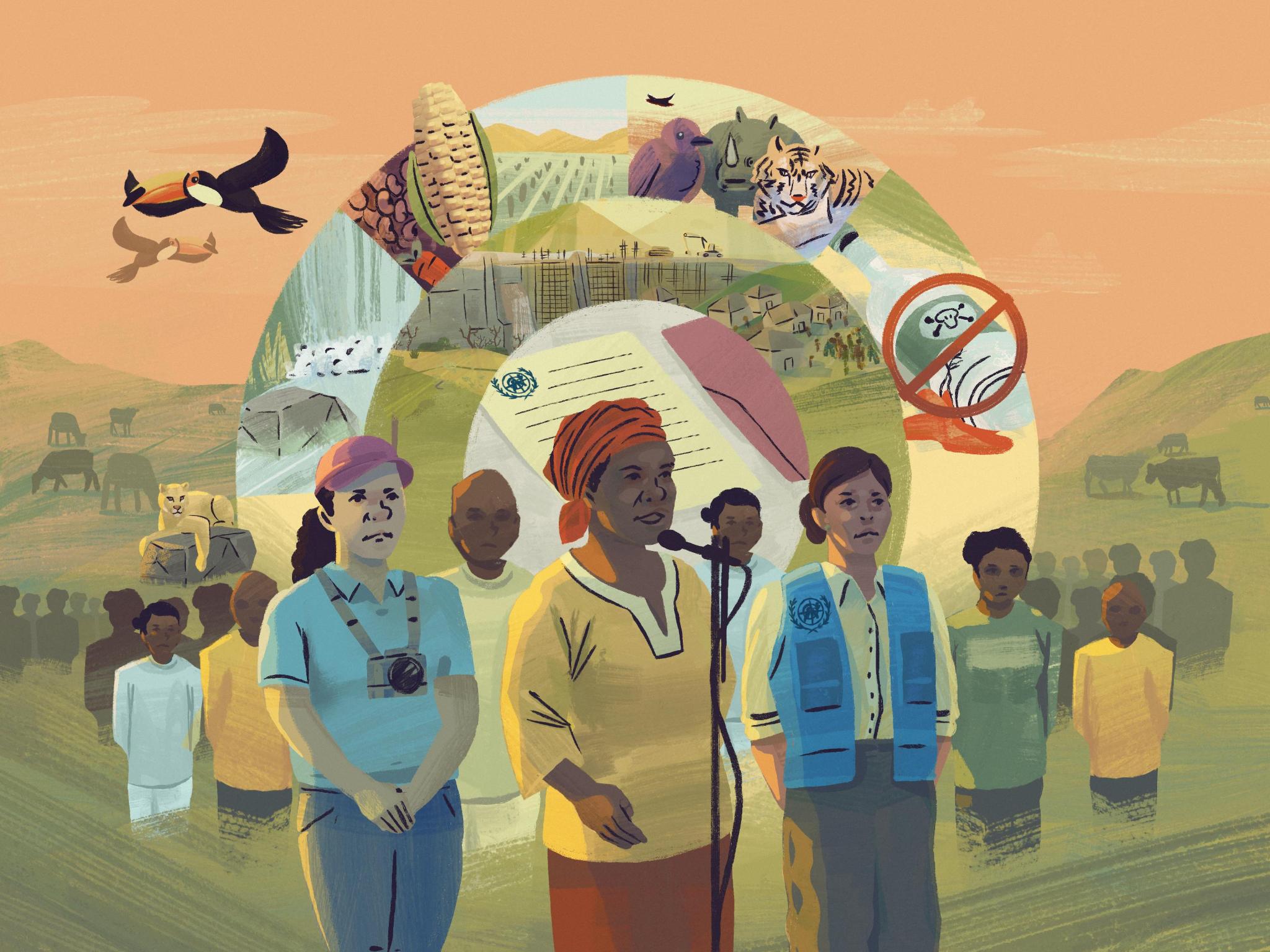
ISHR introduces a new on-line course on advocacy for environmental human rights defenders, a practical, self-paced resource for activists, community leaders, and allies to defend the right to a clean, healthy and sustainable environment using UN and regional mechanisms.