
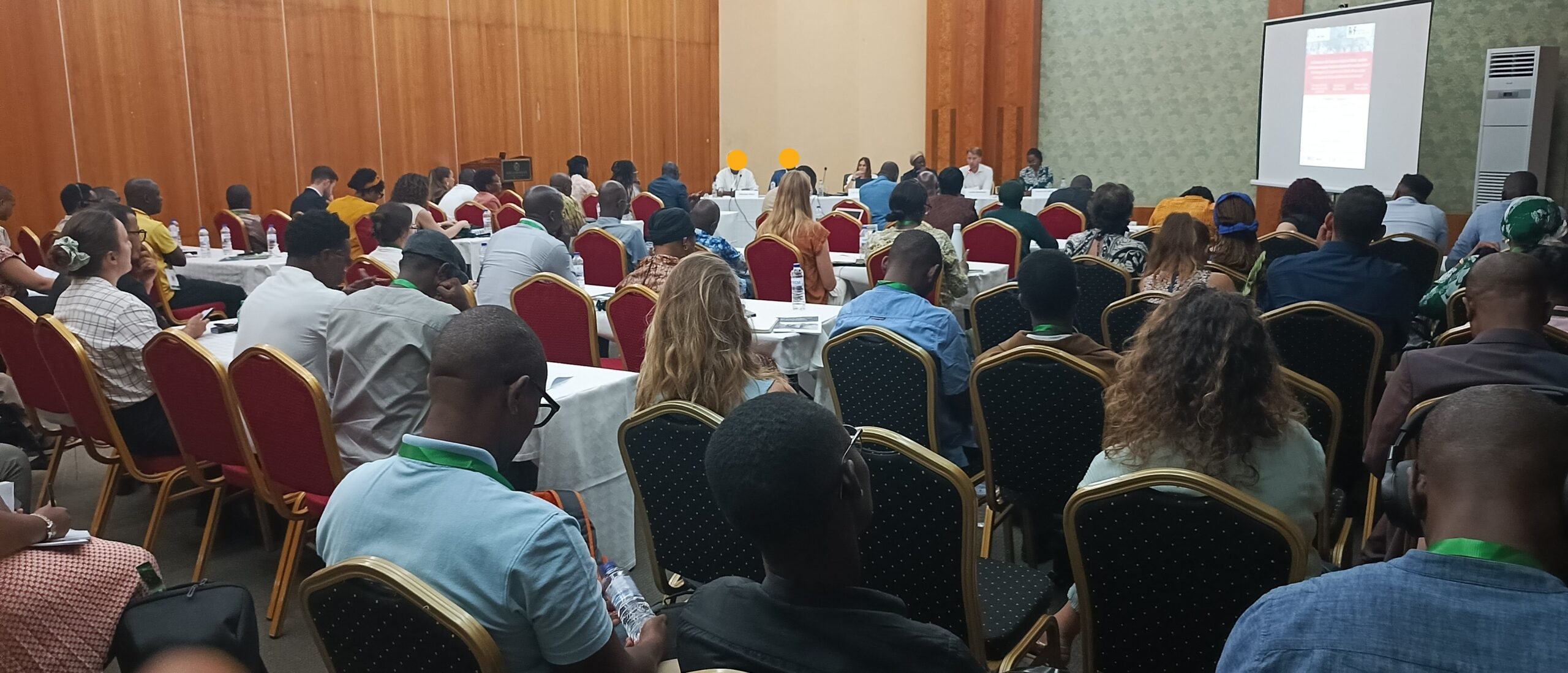
ACHPR89: Civic space, press freedom alarmingly constrained in the Sahel
At the margins of the 89th session of the African commission, civil society groups discussed the growing challenges and threats weighing on journalists working the Sahel.
Chairperson the African Commission's Working Group on Extractive Industries, Environment and Human Rights Violations in Africa. ©African Commission
To strengthen the protection of the environment and those who defend it, ISHR has joined the Environmental Regional Agreement Coalition in calling on the African Commission on Human and Peoples’ Rights to initiate the development of an environmental rights instrument.
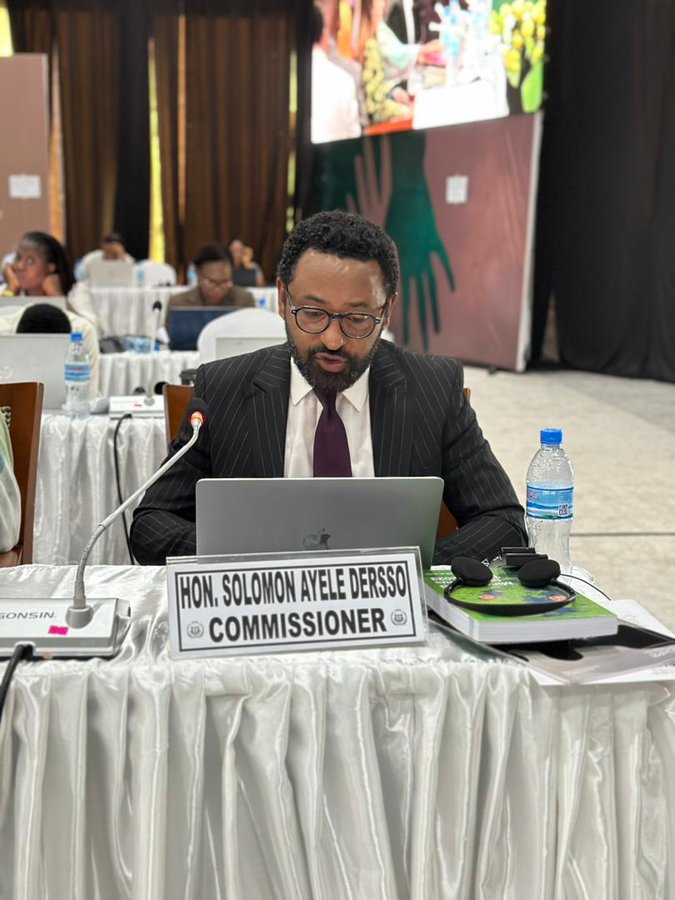
At the 77th Ordinary Session of the African Commission, ISHR reiterated the need to adopt an environmental rights instrument in Africa and its call to the Working Group on Extractive Industries, Environment and Human Rights Violations in Africa (WGEI) to initiate and develop such an instrument. In his report, the Chairperson of the Working Group, Commissioner Solomon Ayele Dersso, noted numerous activities he conducted to raise awareness of the African Commission’s State Reporting Guidelines and Principles on Articles 21 And 24 of the African Charter relating to Extractive Industries, Human Rights and the Environment. The activities include presentations at the Southern Africa Binding Treaty Indaba on 27-28 June 2023 held in Johannesburg, the International Expert Meeting on Human Rights Approaches to Sustainable Social Services held in Geneva on 3-4 October 2023, the convening of a panel discussion on the Use of State Reporting Guidelines and Principles on Articles 21 and 24 of the African Charter on Human and Peoples’ Rights’ as well as the facilitation of the expert validation meeting on the study of Climate Change and Human Rights at the 77th Ordinary Session of the African Commission.
In its statement, ISHR depicted a bleak picture of the state of environmental human rights defenders (EHRDs) in Africa, including the killings and assassinations of EHRDs and the failure of States to hold the perpetrators to account. Indeed, in the Democratic Republic of Congo, Obedi Karafulu, a land rights defender, was shot dead in Bukombo, North Kivu, by unidentified gunmen. The victim defended the interests of 36,000 former workers of the Société internationale des commerces et des industries agricoles (SICIA) concession in Bishusha. In South Africa, Fikile Ntshangase, who vehemently opposed the extension of a coal mine was brutally murdered in her home, and the Abahlali baseMjondolo movement continues to face repression, with three of its members murdered in 2022 alone. In Kenya, the environmental activist who had been fighting illegal deforestation in the Kiambu forest, some 16 km from Nairobi, for several years was killed on 15 July 2021. None of the perpetrators has been held accountable.
We remind the governments of the Democratic Republic of Congo, South Africa and Kenya of their obligation to investigate these murders/assassinations and elucidate the circumstances so that the perpetrators can be brought to justice and appropriate reparations allocated to the families of the victims.Trésor Makunya, Africa Legal and Advocacy Officer at ISHR
To strengthen the protection of environmental rights in Africa and those who defend these rights on a daily basis, the Environmental Rights Coalition, of which ISHR is a member, embarked on an advocacy campaign so that the African Commission could initiate the drafting and adoption of a legal instrument on environmental rights. This instrument will go a long way to ensure access to effective remedies for those affected, access to environmental information, strengthen the social responsibility of extractive industries and, above all, protect environmental rights defenders.
At the margins of the 89th session of the African commission, civil society groups discussed the growing challenges and threats weighing on journalists working the Sahel.
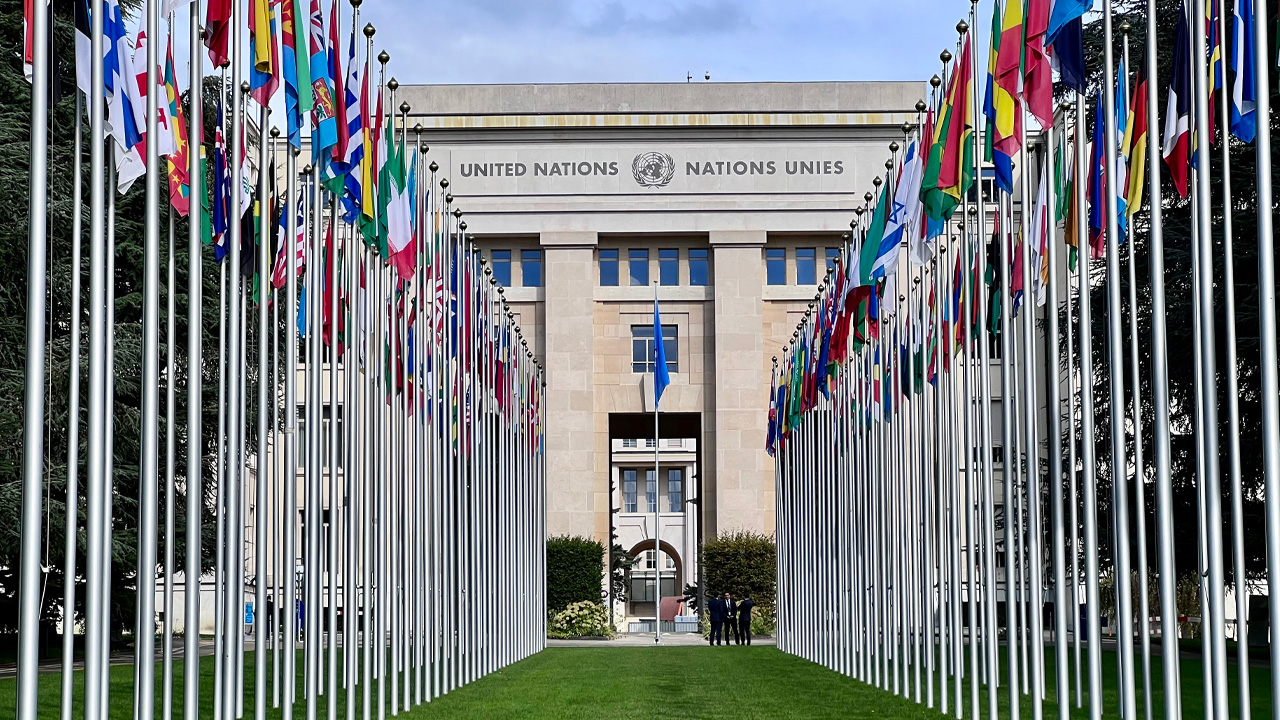
UN experts officially warned Russian authorities they were looking at allegations of laws placing strict and discriminatory burdens on the work of Indigenous rights groups and activists.
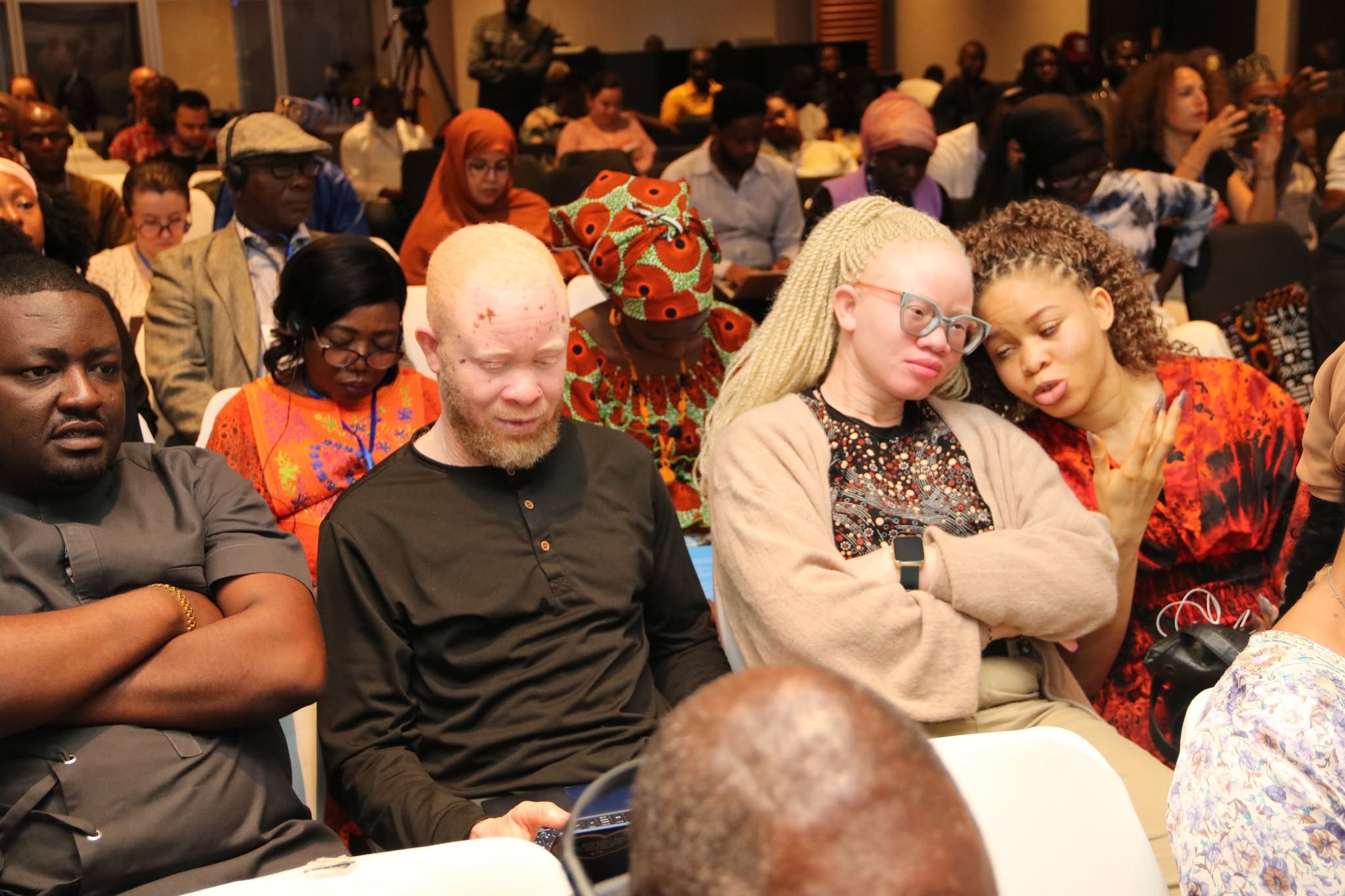
The panel discussion titled “Invisible in the Climate Crisis: The Impact of Climate Change on the Human Rights of Persons with Albinism and Disabilities in Africa” highlighted the disproportionate impact of climate change on marginalised communities and the urgent need for inclusive, rights-based climate action.