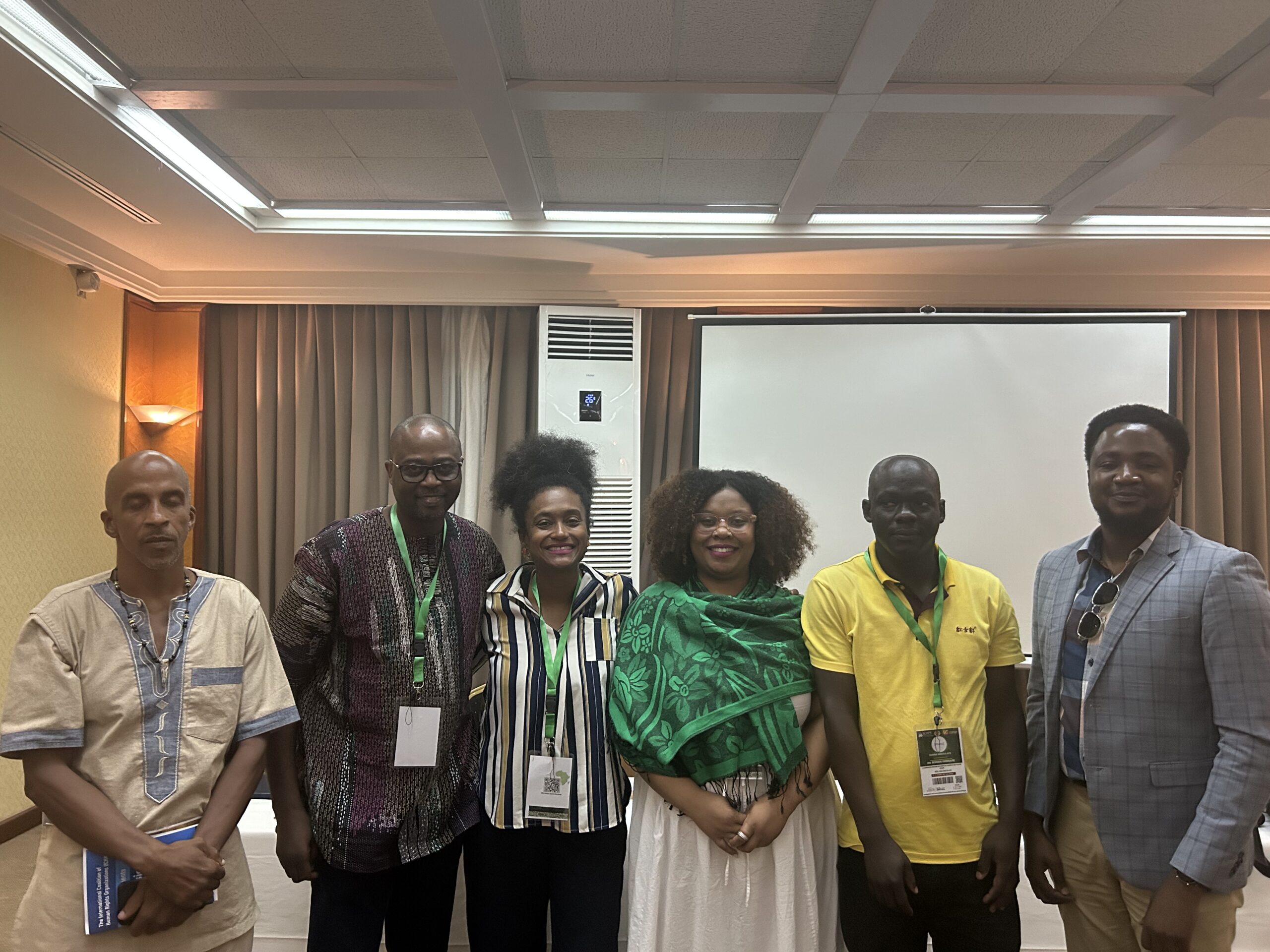
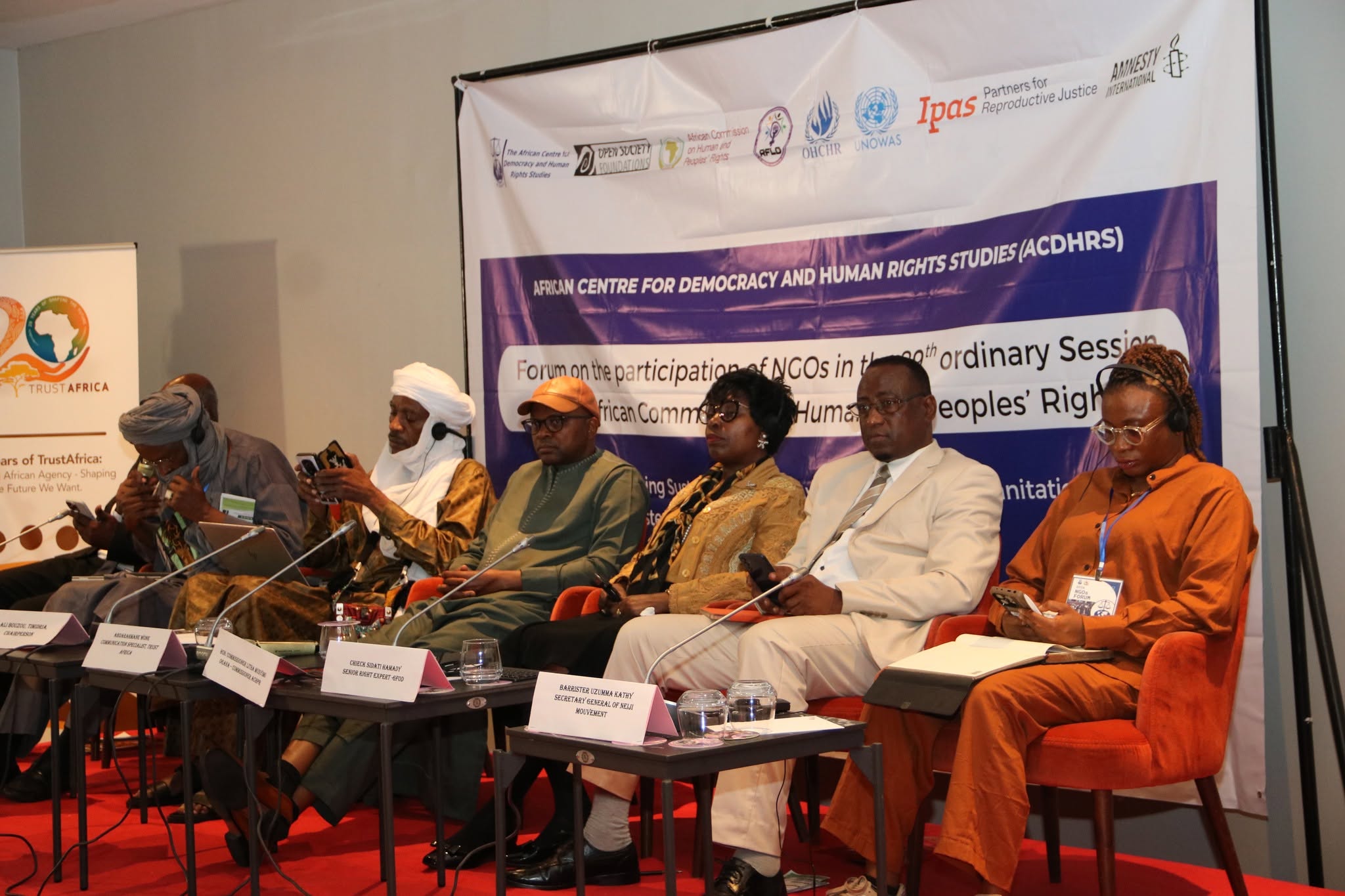
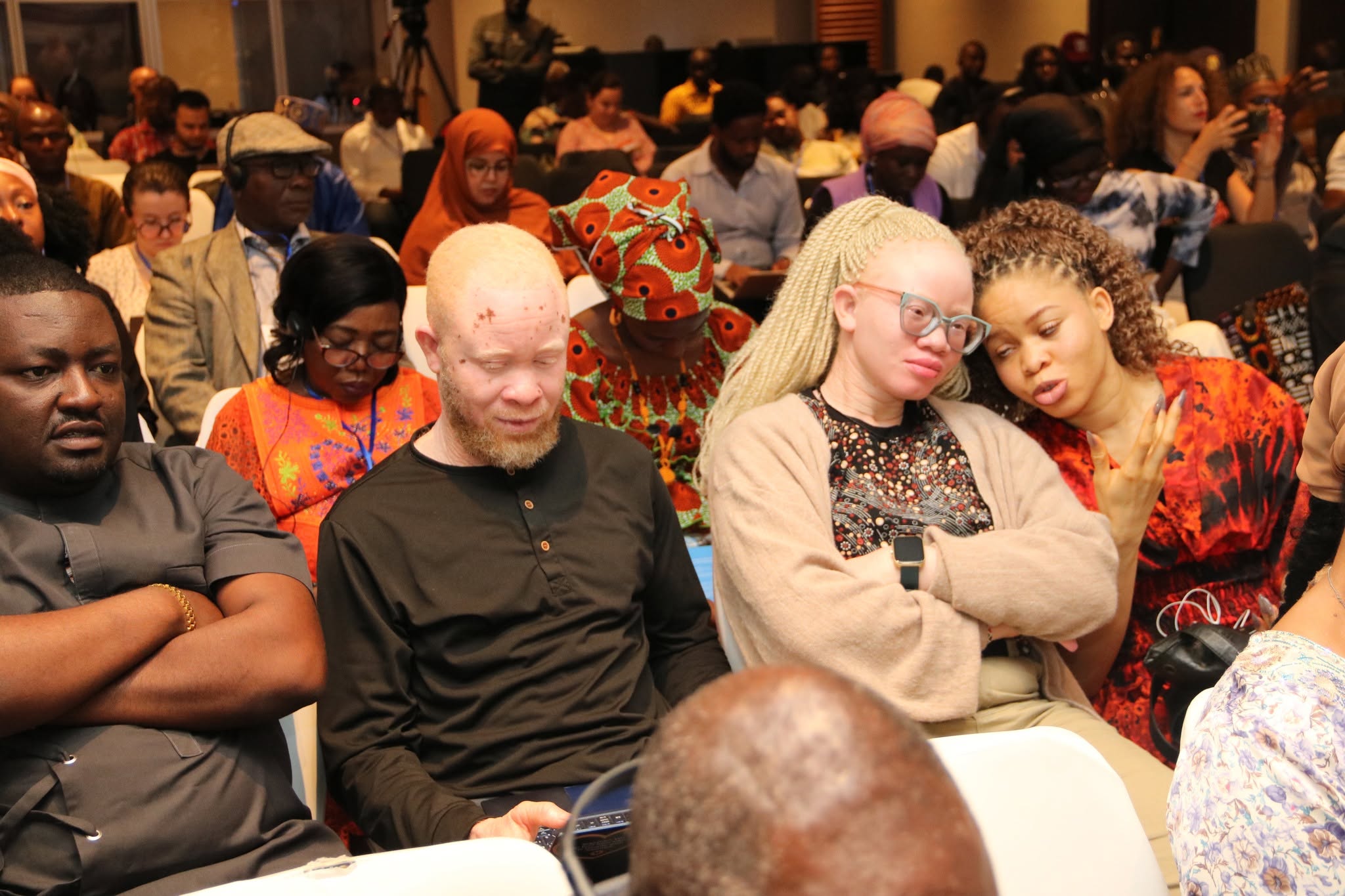
On 15 October the International Service for Human Rights (ISHR) and Instituto Peregum, a civil society organization in Brazil focusing on racial equity, organized a side event in the context of the African Commission for Human and People´s Rights (ACHPR). The event, Diasporic and African perspectives on reparations for the Transaltantic Slave Trade and Colonialism, featured Sara Branco, from Peregum Institute, Siphiwe Baleka from Balanta B’urassa History and Genealogy Society in America (BBHAGSIA) as well as the Guinea Bissau National Reparations Commission, Jeggan Grey-Johnson from OSF Africa, Abdolaye Diallo from Raddho, and Petrus Shimweefeleni Kaulama Hatupopi in representation of Honorable Commissioner Litha Musyimi-Ogana. The event was moderated by Lamar Bailey Karamañites from ISHR.
Colonialism, coalition building, transcontinental partnerships, human dignity, memory, privilege, power, and a profound need to continue to deepen our understanding of the crimes committed during the colonial period were recurring themes in the debate.
Jeggan Grey-Johnson addressed some practical aspects of reparations, such as the precedent set by the payment of reparations when Britain abolished slavery in 1833. Following the passing of the Slavery Abolition Act, the country took out a loan to pay 20 million pounds sterling in compensation to enslavers (not to enslaved people). That sum, according to Grey-Johnson, represented approximately 40 per cent of the national treasury at the time. Britain finally paid off the loan in 2015. This means that British tax payers of African descent were effectively paying taxes that were used to pay reparations to the enslavers of their ancestors.
The panellists examined how the frameworks set out in UN General Assembly Resolution 80/250 and African Union Resolutions 616 and 653 can be translated into concrete actions that meet community needs. They were also clear that the call for reparations did not originate with these instruments. Petrus S. K. Hatupopi pointed to the 1993 Abuja Proclamation and the 2001 Durban Declaration as evidence that the demand for reparatory justice on the African continent has been articulated internationally, formally and persistently, for decades.
However, although the normative framework seems to be advancing at an international level, the panellists noted that the debate remains contested at the national level. Sara Branco pointed out that, in many contexts, the discourse surrounding inequality is framed in terms of class rather than race. This approach, Branco explained, renders invisible the specific harm suffered by people of African descent. Race and class are not alternative explanations, but inseparable dimensions of the same structure, to which are added factors such as gender, nationality, language and other intersecting factors. When race is excluded from the analysis, the problem cannot be addressed and the communities most affected are left without the tools necessary to develop solutions based on their own realities.
Siphiwe Baleka brought a sharp structural critique, identifying the Westphalian legal order itself, built on principles of state sovereignty, non-intervention, and consent-based international law, as a fundamental obstacle to reparatory justice. For Baleka however, the problem is not only the system but the fact that the pursuit of reparations continues to operate within frameworks inherited from colonialism. To the extent that we approach the question from colonised thinking, Baleka argued, we remain trapped within a legal architecture that was designed to protect the very powers being called to account. With this architecture those in power cannot even contemplate the full scale of the crimes that were committed. What is needed is a fundamental shift in approach towards the development and application of African jurisdiction as the basis for prosecuting crimes committed against African peoples, rather than continuing to seek justice on terms set by those who caused the harm.
Speaking about the African context, Abdoulaye Diallo referred to the Thiaroye massacre and the investigation being carried out to establish a clear picture of the events, even the exact number of people killed. In relation to the UN General Assembly Resolution 80/250, African Union Resolutions 616 and 653, AU Decade for reparations, and the UN International Decade for People of African Descent, Diallo pointed out that when we talk about these instruments, the aim must be to implement them at a local level.Translation into local languages and training based on these instruments are some of the concrete steps suggested by Diallo.
This discussion is not a conclusion, but rather a further step in a series of initiatives by civil society concerning reparations, within the context of normative developments at international level. In looking forward to further actions and implementation, panelists proposed the meaningful participation of those most affected, the need to strengthen cooperation between Africa and its diaspora, the creation of inclusive framework for reparations, looking at the infrastructure of the AU reparations architecture as the basis for articulating a diasporic presence in the continent, the restitution of African heritage resources, the development of reparation mechanisms informed by international law as well as the needs of communities, and the reform of the global financial system.
Download as PDF