This webpiece has been written by Adamu Usman Garko, Nigeria, Open Knowledge Development Initiative (OKDI)
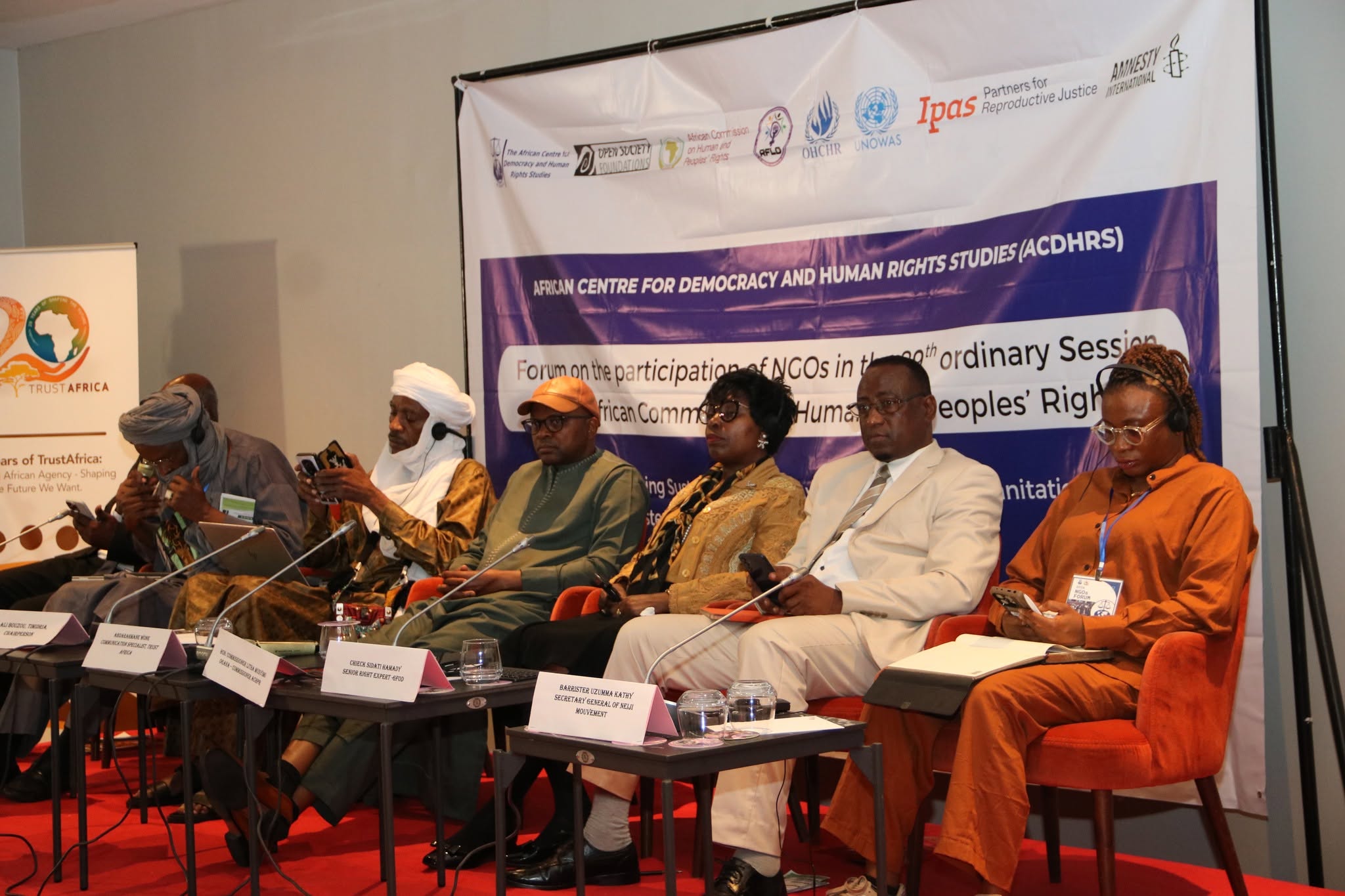
‘Access to water and sanitation cannot be equitable while communities remain excluded because of their ancestry or inherited social status’. This was a central message of the inaugural panel at the NGO Forum preceding the 89th session of the African Commission on Human and Peoples’ Rights (ACHPR). The discussion examined how discrimination based on work and descent shapes access to essential services and participation in public decision-making.
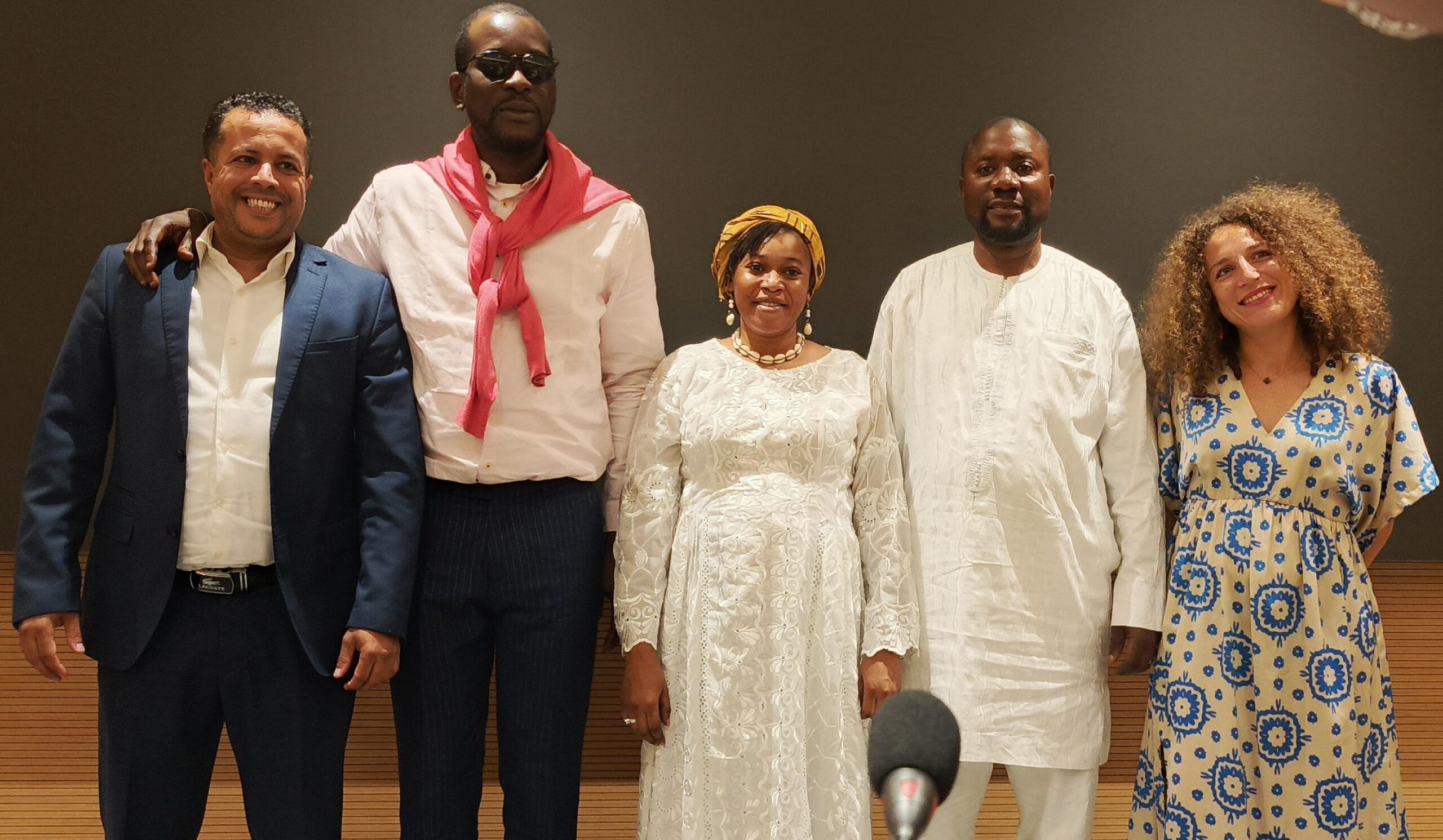
Moderated by Abdarahmane Wone of TrustAfrica, the panel brought together ACHPR Commissioner Litha Musyimi Ogana, Moussa Zangaou (Institute of Research in the Humanities), Ibrahim Ag Idbaltanat (TEMEDT), Uzumma Kathy (Neiji Mouvement), Chieck Sidati Hamady (Global Forum of Communities Discriminated on Work and Descent) and Brahim Bilal Ramdhane (Sahel Foundation). Their discussion connected water justice with dignity, equality and democratic inclusion.
Commissioner Ogana outlined the African Commission’s efforts to recognise and address discrimination against communities based on work and descent. She highlighted Article 2 of the African Charter’s prohibition of discrimination and referred to the Commission’s resolution calling for a continental study. She also emphasised the importance of engaging traditional leaders in addressing discriminatory cultural practices. Her message was practical: legal recognition and policy commitments must produce improvements in people’s everyday lives.
Drawing on a visit to a marginalised community in Niger, Commissioner Ogana described how a borehole constructed by Timidria had improved access to water. The example illustrated the value of targeted interventions for communities whose needs are overlooked. The broader discussion showed that reported infrastructure development within an area does not necessarily mean that every community benefits. Exclusion from planning can leave women, children and older people travelling long distances for water.
Chieck Sidati Hamady highlighted inequalities affecting communities such as the Haratin in Mauritania, linking barriers to water and other services with unequal access to education, representation and public life. He called for reliable documentation of discrimination and meaningful representation of affected communities in decision-making. Brahim Bilal Ramdhane similarly presented water access as a matter of justice, connecting it with inequalities in health, housing, education, employment and infrastructure.
The panel also drew attention to overlapping forms of exclusion. Women, children, older people and persons with disabilities within marginalised communities may face additional barriers that general service-delivery programmes fail to address.
The discussion pointed towards clear priorities: identify excluded communities, document their experiences, ensure their participation in water planning and management, and monitor whether public investment reaches them. Civil society organisations were encouraged to combine engagement with the African Commission with practical initiatives at community level.
The panel’s central lesson was that water justice depends on both access and voice. Sustainable progress requires transparent resource allocation, accountable institutions and the meaningful participation of communities historically excluded from decisions affecting their lives.