This webpiece was written by Mucktarr Rashid, Sierra Leone, Executive Coordinator for Mother Earth for Climate Justice (ME4CJ) and echoed discussions held during the NGO Forum interest group on environment.
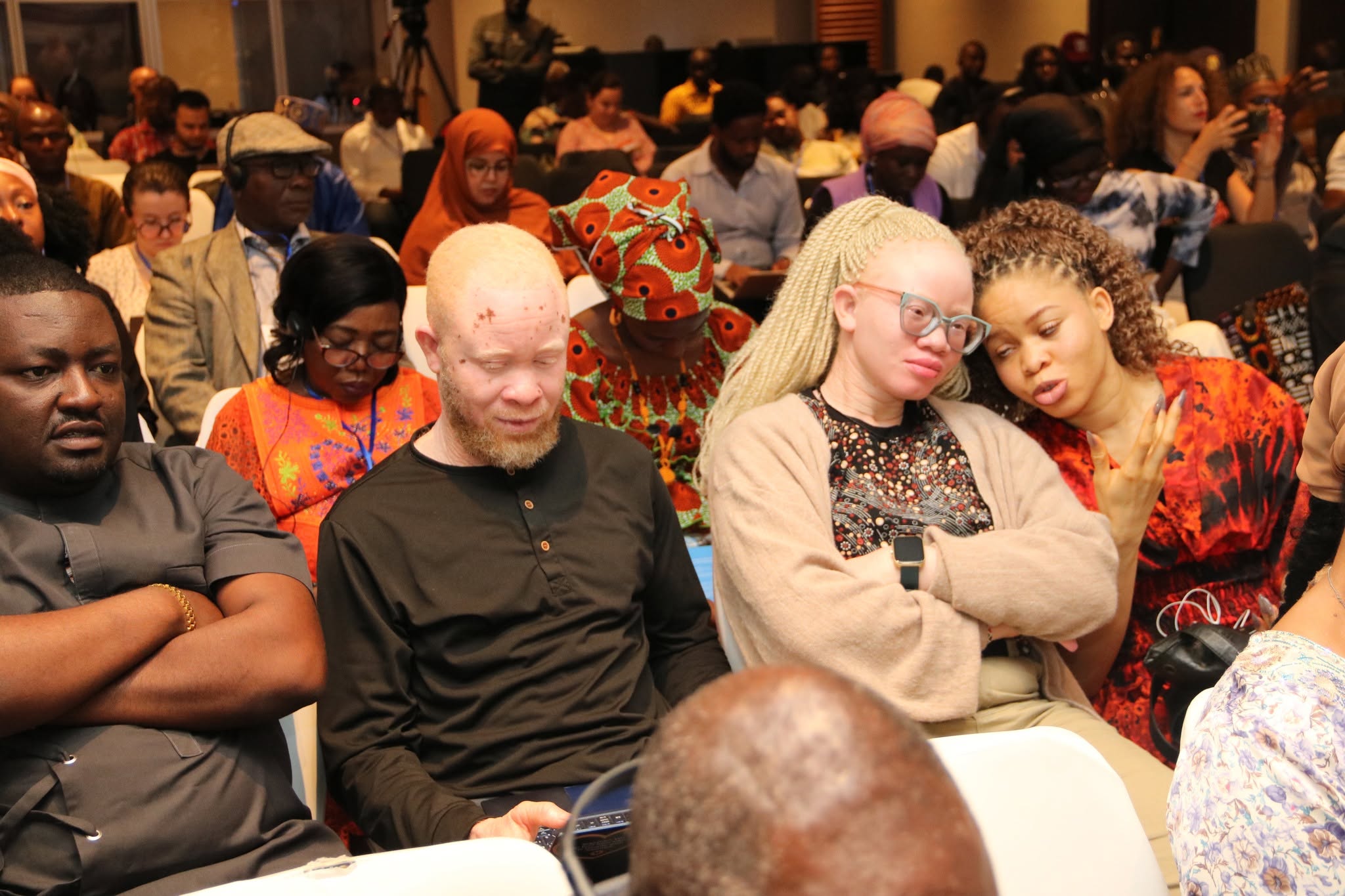
This panel examined how climate change affects persons with albinism and persons with disabilities in ways that are often overlooked in climate policy and emergency planning. Participants explained that rising temperatures, intense sunlight and extreme weather events can deepen existing inequalities and expose already marginalised groups to additional health and protection risks.
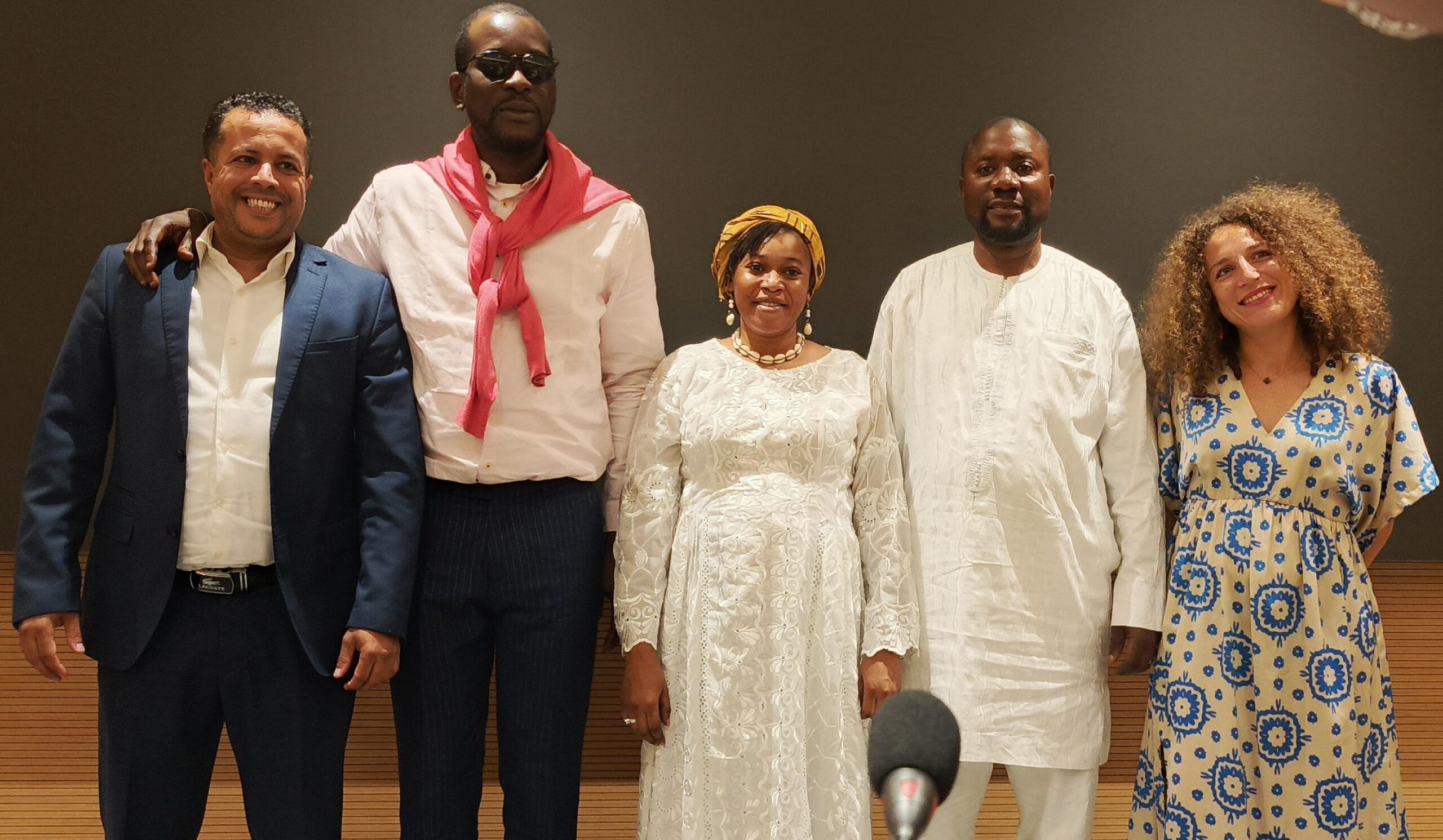
This panel was moderated by Achileus Tardzenyuy Dzevernyuy (Africa Albinism Network) and featured Shitaye Astawes (African Disability Forum), Kwame Andrews Daklo (Africa Albinism Network) and Sherleen Tunai Lumumba (Ana Antami).
Participants highlighted the challenges faced by persons with albinism in Kenya, particularly their vulnerability to ultraviolet radiation (UVR). Due to insufficient melanin, prolonged exposure to sunlight increases their risk of severe sunburn and skin cancer. Limited access to sunscreen, healthcare, and protective services further compounds these risks. Even essential activities, such as walking long distances under the sun to collect water, can expose them to serious health complications.
Sherleen Tunai Lumumba, one of the discussants who is working at the intersection of inclusion, human rights, and community empowerment, drew attention to the specific vulnerabilities of persons with albinism and the importance of addressing their needs in climate responses.
Kwame Andrews Daklo, Advocacy Manager at the Africa Albinism Network, called for the African Commission on Human and Peoples’ Rights to develop guidelines holding corporations accountable for environmental harm, including through the polluter pays principle.
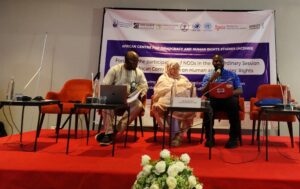
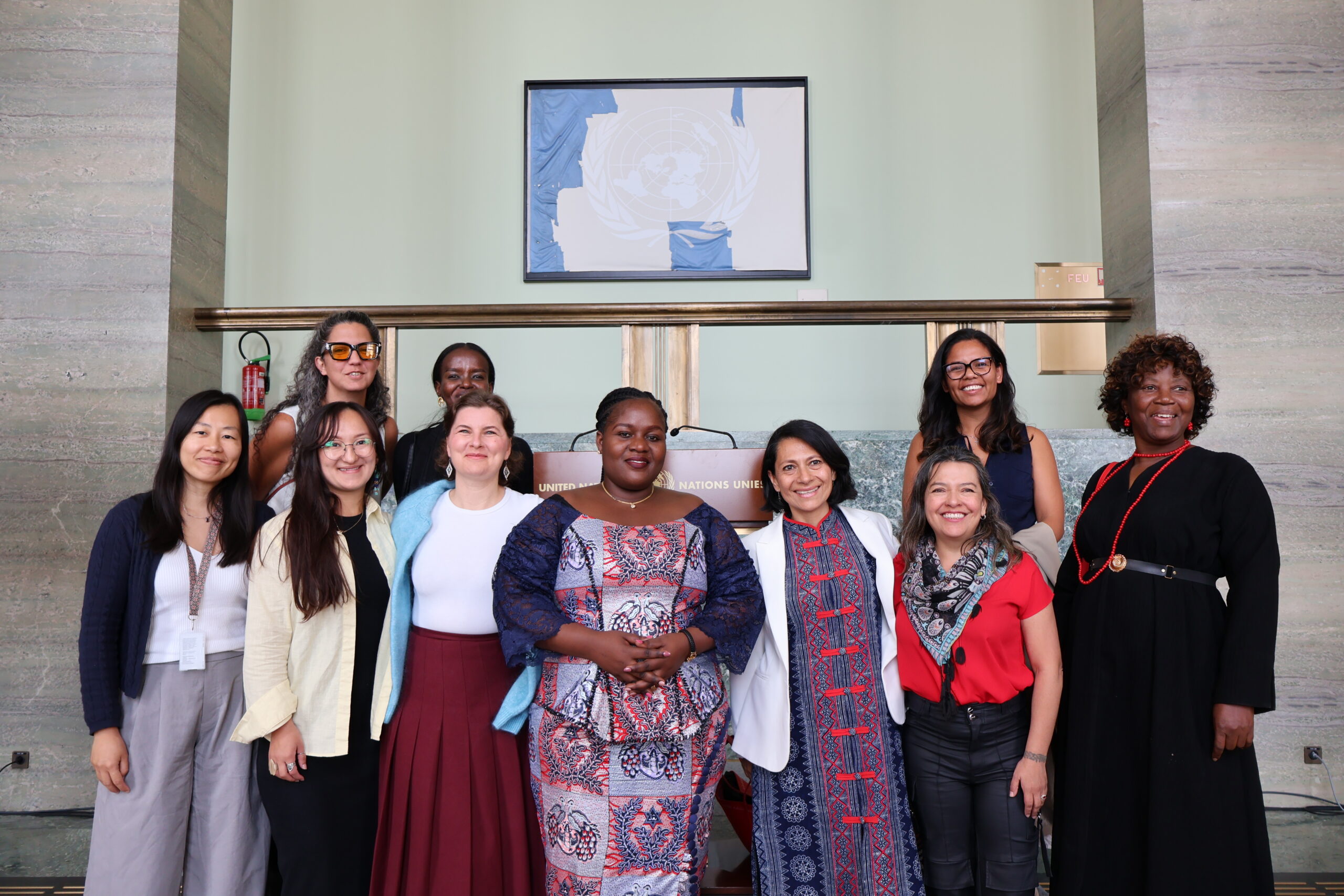
Mucktarr Rashid during the special interest group reporting back on environmental issues.
This discussion reinforced the importance of Article 24 of the African Charter on Human and Peoples’ Rights, which guarantees the right of all peoples to a general satisfactory environment favourable to their development.
Shitaye Astawes, Director of Advocacy and Communication at the African Disability Forum (ADF), emphasised that persons with disabilities face disproportionate climate-related challenges, particularly women with disabilities. She called for their meaningful participation and greater agency in decisions affecting their lives.
The central message was clear: climate justice cannot be achieved while persons with albinism and persons with disabilities remain invisible in climate policies and decision-making. Governments, corporations, and regional human rights institutions must prioritise inclusive adaptation, access to healthcare, corporate accountability, and meaningful participation to ensure that no one is left behind.