Right to a healthy environment, defenders must be central to transnational corporations treaty
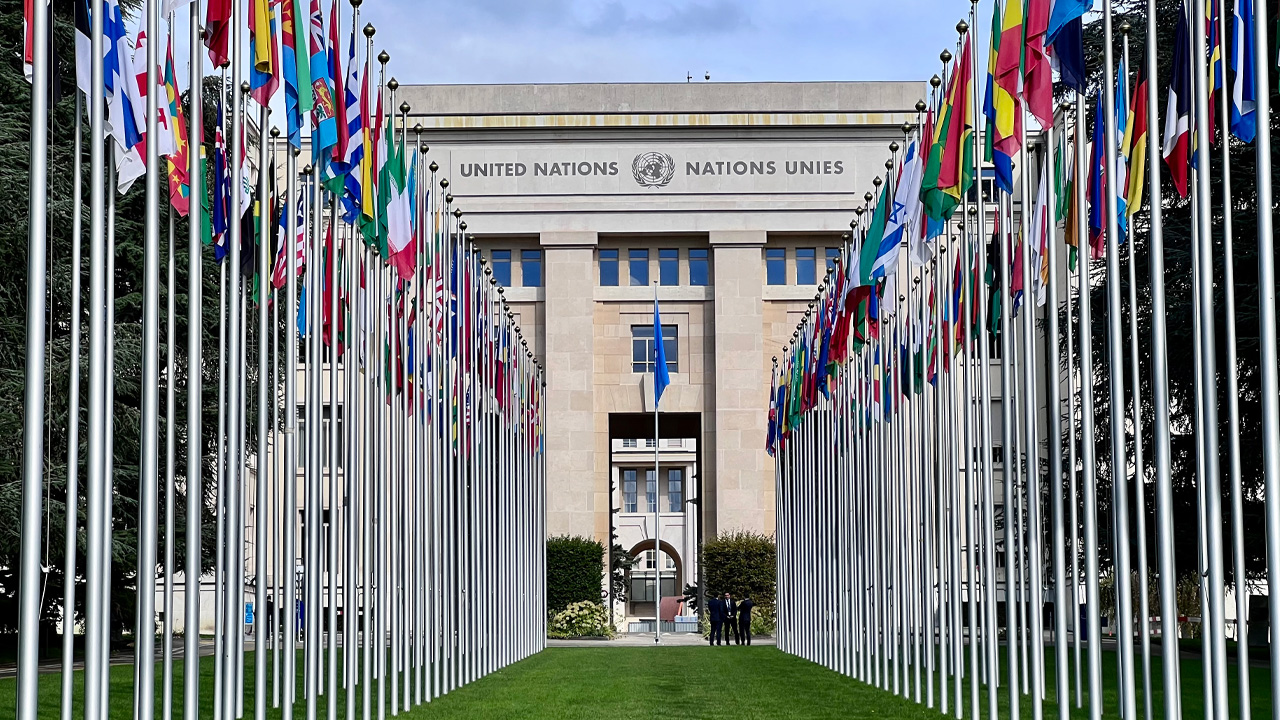
At the twelfth session of the Open-Ended Intergovernmental Working Group (OEIGWG) on transnational corporations ISHR and partners highlighted the right to a healthy environment, the protection of human rights defenders and the impact of conflict on human rights.
More than twelve years have passed since the adoption of Resolution 26/9, which initiated the process of elaborating an international legally binding instrument to regulate the activities of transnational corporations and other business enterprises.
The OEIGWG’s twelfth session brought to a close discussions on the third draft, which have lasted more than three years. During this period, a series of intersessional meetings, informal papers and official sessions took place to advance negotiations on the legally binding instrument (LBI).
ISHR and partner organisations delivered several statements calling for the text to be strengthened. We emphasised that negotiations present an opportunity to address significant gaps in accountability and made specific requests that reflect the realities faced by human rights defenders and communities around the world.
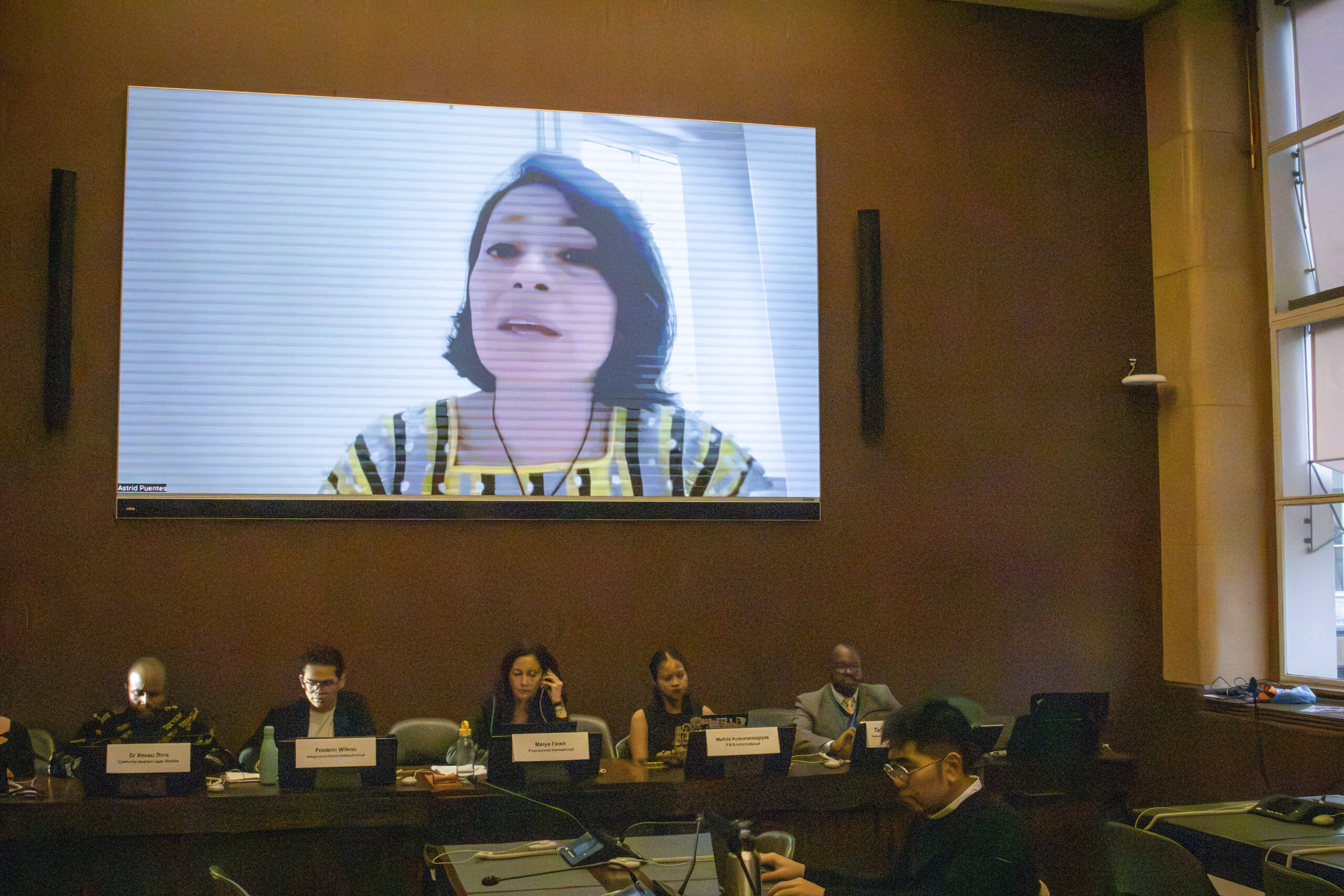
ISHR also co-organised a side event on the margins of the session with to explore these issues further, with contributions from Astrid Puentes, the UN Special Rapporteur on the right to a healthy environment, as well as human rights defenders and a representative of the Government of South Africa. The event was co-organized with FIAN International, Franciscans International, ESCR-Net, CIEL, the Business and Human Rights Centre, and the Cambridge Institute for Sustainability Leadership (CISL Africa).
The right to a clean, healthy and sustainable environment in the LBI
Five years ago, the Human Rights Council recognised the right to a clean, healthy and sustainable environment. Today, this right is enshrined in numerous constitutions, has been affirmed by the International Court of Justice as a precondition for the enjoyment of all other human rights, and forms part of customary international law.
Yet the gap between recognition and reality has never been wider. Wars and armed conflicts continue to undermine the enjoyment of human rights, ecosystems are collapsing, and the business sector remains a major driver of biodiversity loss, pollution and the climate crisis.
During the event, Special Rapporteur Puentes stressed that the LBI is an opportunity to advance the right to a healthy environment and environmental justice.
A human rights defender from Malaysia spoke of ASEAN’s Declaration on the Right to a Safe, Clean, Healthy and Sustainable Environment, adopted in October 2025. The declaration, they said, advances environmental rights and justice, encourages businesses to assess and prevent harm, and provides a foundation for ASEAN States to support strong environmental provisions in the LBI.
However, communities need clear obligations, accountability and effective remedies to make this right a reality. The LBI must therefore be aligned with and build on this regional commitment.
The human cost of industrial expansion on Indigenous lands and transboundary environmental harm
Still at the side event, a representative of FIAN Indonesia explained how landscapes are continually being transformed into industrial agricultural zones, often presented as strategies to strengthen food and energy security. However, these transformations are rarely assessed through a human rights lens.
In Central Kalimantan, the Food Estate programme disrupted traditional shifting cultivation, resulting in the loss of 19 local rice varieties and leaving 237 families without control over their food sources.
In Merauke, South Papua, land clearance for rice and sugarcane plantations is transforming control over land and displacing communities from the territories that sustain them.
What is at stake is not only which crops are grown, but also whose knowledge is recognised, whose practices are sustained and whose livelihoods are considered worth preserving. These impacts fall disproportionately on Indigenous Peoples and traditional communities whose food systems are rooted in specific landscapes.
The consequences are not distributed equally, either across or within communities. Women are particularly affected in frontline groups, often forced to find alternative food sources to ensure their families have enough to eat. Even remote communities or groups that contribute very little to global emissions suffer clear impacts of the latter, as evidenced by the catastrophic flash flood in Rasuwa, Nepal, on 26 August.
These impacts know no borders.
In Indonesia, smoke from forest and peatland fires linked to business activities and land has affected neighbouring countries, while, in Myanmar, transboundary pollution linked to upstream mining has caused heavy metal contamination, including arsenic pollution. Downstream, Indigenous Peoples and affected communities bear the health and economic costs of this degradation, often without access to remedies or environmental justice.
For Indigenous Peoples and women in particular, the treaty must guarantee meaningful participation in decision-making from the outset, rather than only after harm has occurred. It must also ensure access to remedies that address the loss of land, food sources and the ecological foundations of communities’ livelihoods, rather than merely quantifying these losses in economic terms.
Furthermore, the LBI must establish mechanisms for cross-border cooperation and ensure that affected communities have better access to remedies.
Environmental destruction as a policy in conflict
In southern Lebanon, data, including soil and water samples, have documented a clear pattern of environmental destruction by occupying Israeli forces. Satellite imagery shows the disappearance of large numbers of olive trees, while the alleged use of white phosphorus has left toxic heavy metals in the soil and water.
This destruction targets the spaces that sustain the lives of inhabitants, including religious sites, schools, hospitals, as well as food systems and livelihoods, pointing to what can only be described as a deliberate policy of erasure.
The involvement of private-sector actors in these activities has been documented, yet accountability remains lacking.
During the negotiations, ISHR and Franciscans International put forward proposals to ensure that the provisions requiring enhanced due diligence in situations of conflict and occupation are retained.
States and stakeholders must pay close attention to the links between conflict, land and human rights abuses, including land dispossession, environmental harm and other impacts that may obstruct the right to self-determination.
Environmental defenders in the front lines
Attacks against activists working on issues related to business activities persist around the world and environmental human rights defenders are among those most frequently targeted.
In 2025, the Business & Human Rights Centre documented 790 attacks against defenders in 80 countries who had raised concerns about business activities. This amounts to more than two attacks per day, on average. Over the past twelve years, thousands of similar cases have been documented.
A defender from South Africa explained that, beyond physical threats, strategic lawsuits against public participation (SLAPPs) are being used to silence defenders working on issues related to business activities. These lawsuits aim to exhaust defenders, their families and their communities financially through lengthy, expensive legal proceedings.
In response, legal practitioners representing defenders have pursued strategic litigation to establish precedents. Where a court finds that a defender has been subjected to frivolous lawsuit, the corporation responsible may be required to pay penalties.
Despite numerous efforts and interventions by States during the negotiations, the draft has omitted important references to human rights defenders. In particular, the preamble does not refer to the UN Declaration on Human Rights Defenders.
The LBI is an opportunity to strengthen protections for human rights defenders and their communities and ensure that their rights are respected – States and all stakeholders should seize it.
Next steps towards the 13th Session
According to the draft final report of the session, a new updated draft of the legally binding will be presented by the end of February 2027 together with a roadmap towards the 13th Session.
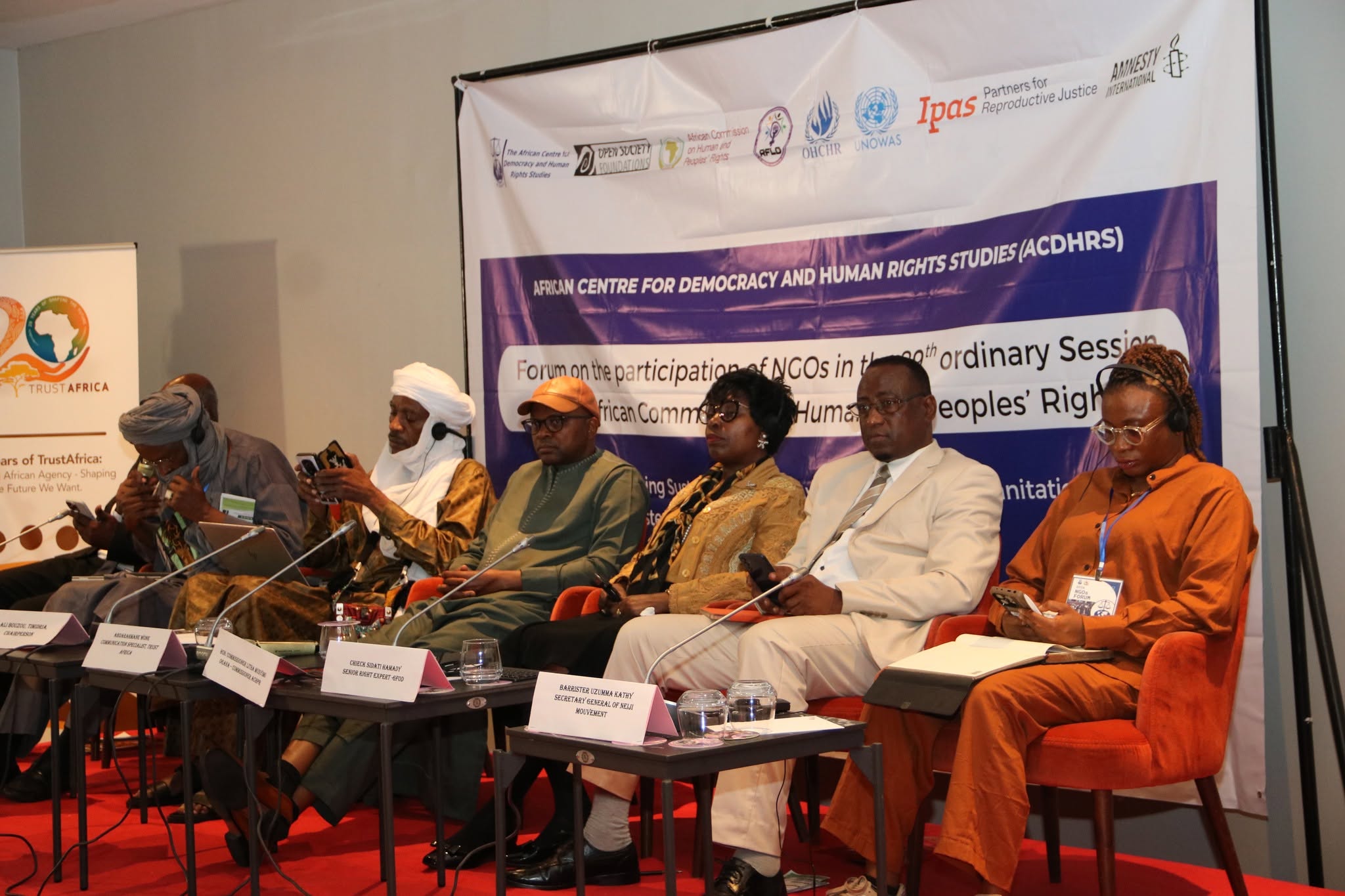
Over two days, the forum celebrated the African Charter’s historic achievement but converged on a clear warning: its next phase must prioritise implementation, resourcing, the protection of civic space, accountability, and tangible remedies so that the Charter becomes an enforceable source of protection in people’s daily lives rather than an aspiration on paper.
Ahead of the 89th session of the African Commission on Human and Peoples’ Rights, the NGO Forum convened an inaugural panel on advancing water justice and democratic inclusion for Communities Discriminated on Work and Descent in Africa.
UN experts officially warned Russian authorities they were looking at allegations of laws placing strict and discriminatory burdens on the work of Indigenous rights groups and activists.