
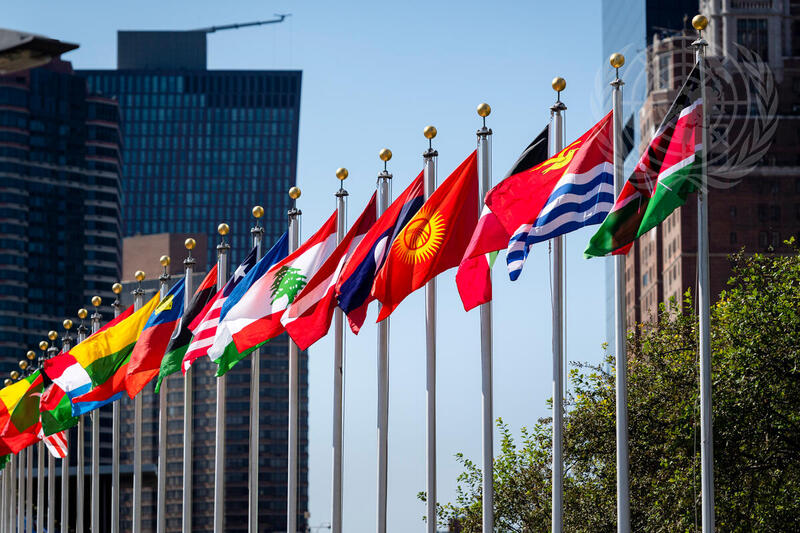
© UN Photo/Rick Bajornas
At a crossroads – Breaking the cycle of crisis: Joint civil society submission on the status of the Treaty Bodies
ISHR along with Amnesty International and other civil society organisations submit recommendations for the sixth biennial report of the Secretary-General on the status of the UN human rights treaty bodies.
The preparation of the Secretary-General’s report comes at a moment of profound crisis for the UN’s human rights system, including the treaty bodies. International human rights treaties form the legal backbone of the UN human rights architecture, and the treaty bodies responsible for monitoring them are essential to ensuring compliance and delivering justice. They provide authoritative guidance to States, shape national laws and public policies, provide redress to victims when national efforts have failed, and create institutional spaces through which rights holders and civil society can contribute to the promotion and protection of human rights for civil society worldwide.
Today, however, the treaty body system is being steadily weakened by a severe financial and operational crisis. Like other human rights mechanisms, the treaty bodies were forced to significantly reduce their activities in 2025; this included forced cancellation of whole sessions, reduction of other sessions and cancellation of pre-sessional working groups. Treaty bodies with visiting and inquiry functions were additionally affected, with on‑site visits cancelled or indefinitely delayed. These are not administrative inconveniences: they directly affect the rights and safety of people and communities, erode fundamental rights and amount to denial of justice.
The treaty body system is trapped in a perpetual crisis cycle with a backward looking formula (intended to calculate its financial resourcing) that only partially addresses the mandated activities of the treaty bodies—unable to plan, unable to deliver on the prevention and protection mandates entrusted to them in the treaties, and unable to assist States parties in upholding their legally binding treaty obligations.
In this joint civil society submission, we called for the fixed calendar for treaty body reviews of State parties to be put in place, to enable clarity for all stakeholders involved in the review process, and provide predictability for a forward looking allocation of resources. We noted the crucial role the Secretary-General has to play in this regard; and called for the Secretary-General’s proposed programme budget for 2027 to include the resources required to ensure the full implementation of the calendar as well as all other mandated activities.
Access here the full joint civil society submission.