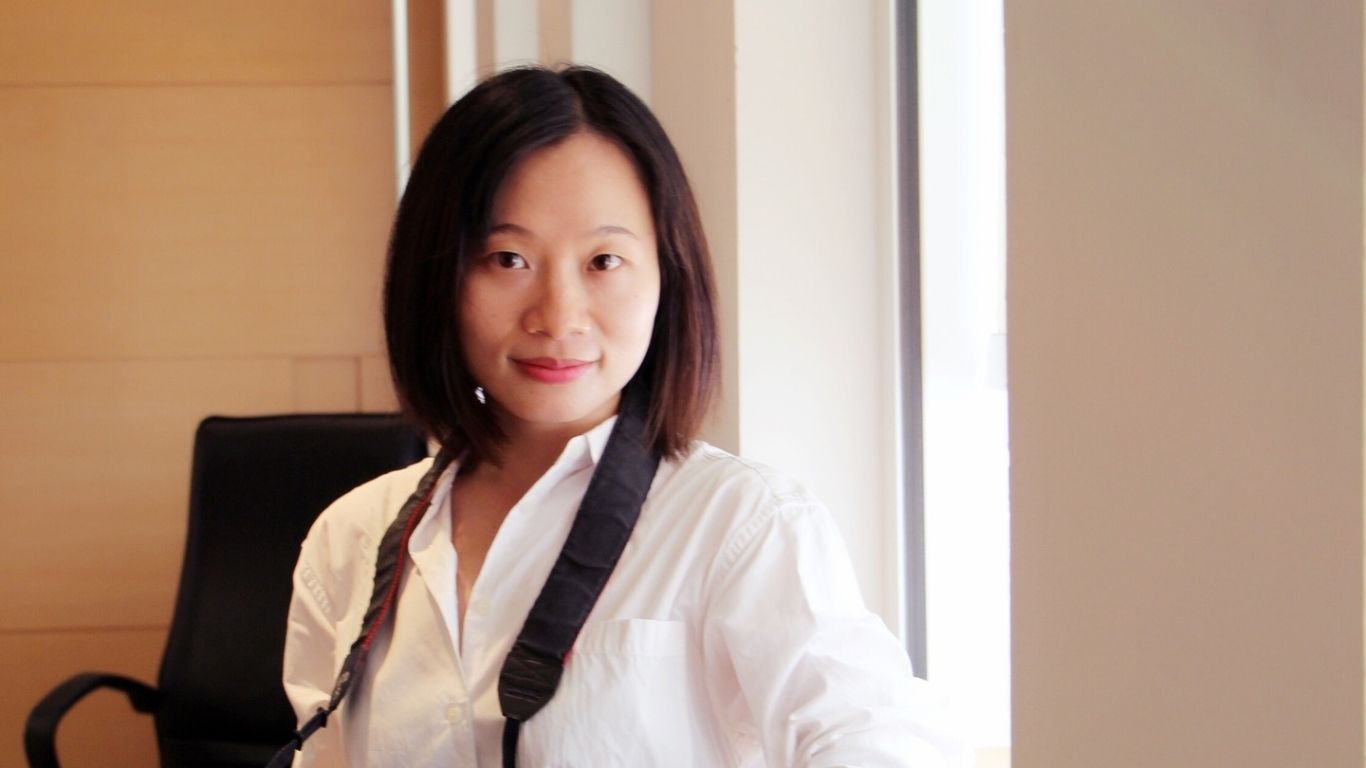
Sophia Huang Xueqin has spent nearly five years behind bars for her journalism, feminist advocacy and peaceful exercise of fundamental freedoms. She was sentenced to five years’ imprisonment for ‘inciting subversion of State power’, together with a supplemental sentence of four years’ deprivation of political rights.
The conviction followed years of work as an independent journalist and as one of the most prominent figures associated with China’s #MeToo movement.
Her prison sentence is expected to end on 18 September 2026, but her release may not bring an end to the restrictions imposed on her.
In a joint statement, 60 civil society organisations, including ISHR, call on Chinese authorities to ensure that Huang is released and can resume her journalism and human rights work free from surveillance, harassment, intimidation or retaliation.
Five years of detention for peaceful activism
On 19 September 2021, Huang was preparing to leave China to begin graduate studies in the United Kingdom when she and labour and human rights defender Wang Jianbing were detained by police in Guangzhou.
They were subsequently held incommunicado, denied access to lawyers of their choosing and subjected to ill-treatment. The prosecution centred on their peaceful activities, including gatherings with friends and fellow activists, participation in an online course on non-violent movements, and online posts about social and political issues.
These are what the Chinese government considers ‘subverting State power’, despite repeated calls by UN experts to repeal such provisions. In June 2024, the Guangzhou Municipal Intermediate People’s Court sentenced Huang to five years in prison and Wang to three years and six months for ‘inciting subversion of State power’. Huang and Wang were also sentenced to four and three years’ deprivation of political rights, respectively. Wang completed his arbitrary prison term in March 2025.
Their prosecution reflects a broader pattern in which China’s vague and sweeping national security offences are used to criminalise peaceful human rights work, including the activities of journalists, women’s rights defenders, lawyers and other civil society actors.
UN experts and human rights groups have long expressed concern at the phenomenon of ‘non-release release’, whereby human rights defenders face unlawful restrictions on free movement and other basic rights upon leaving prison, on the grounds of a supplemental sentence of ‘deprivation of political rights’. In 2019, UN experts stated in the case of lawyer Jiang Tianyong that ‘the domestic legal provisions allowing for “deprivation of political rights” are nothing but an instrument of oppression, used to punish human rights defenders for their work, in violation of international human rights law and standards’.
Repeated UN scrutiny over her detention
Huang’s detention and prosecution have drawn repeated scrutiny from UN human rights experts.
Between 2022 and 2024, UN Special Procedures repeatedly raised concerns over Huang’s detention, treatment, and prosecution. Experts highlighted her incommunicado detention, torture and ill-treatment, denial of legal assistance and due process violations. Following Huang’s conviction, nine UN human rights mandates again raised her case in a letter to China as part of broader concerns about patterns of repression in China aimed at silencing human rights defenders and critical voices.
The UN High Commissioner for Human Rights, Volker Türk, also publicly addressed Huang and Wang’s sentencing in his June 2024 global update to the Human Rights Council.
He deplored the heavy sentences imposed on them for exercising their fundamental human rights, and urged the Chinese authorities to release all those arbitrarily detained and undertake legal reform.
Release must mean freedom
China has repeatedly used surveillance, restrictions on movement and communications, harassment and other forms of control against human rights defenders following their release from detention. Huang’s additional four-year deprivation of political rights further raises concerns that the end of her prison term will not restore her full enjoyment of fundamental freedoms.
ISHR and the other signatories call on the Chinese authorities to:
- Ensure Huang Xueqin is released immediately and faces no further arbitrary detention or restrictions on her freedom of movement.
- Guarantee her rights to freedom of expression, association and peaceful assembly, and participation in public life, including her ability to communicate freely with family, friends, supporters and civil society.
- Guarantee her right to privacy and ensure that she is not subjected to surveillance, harassment, intimidation, retaliation or arbitrary restrictions on her movement or communications.
- Amend domestic legislation, including the Criminal Law, to bring it into compliance with international human rights law and standards and prevent its misuse to criminalise human rights defenders and others peacefully exercising their rights.
On 18 September, the Chinese authorities must do more than open the prison gates: they must allow Sophia Huang Xueqin to be truly free.