
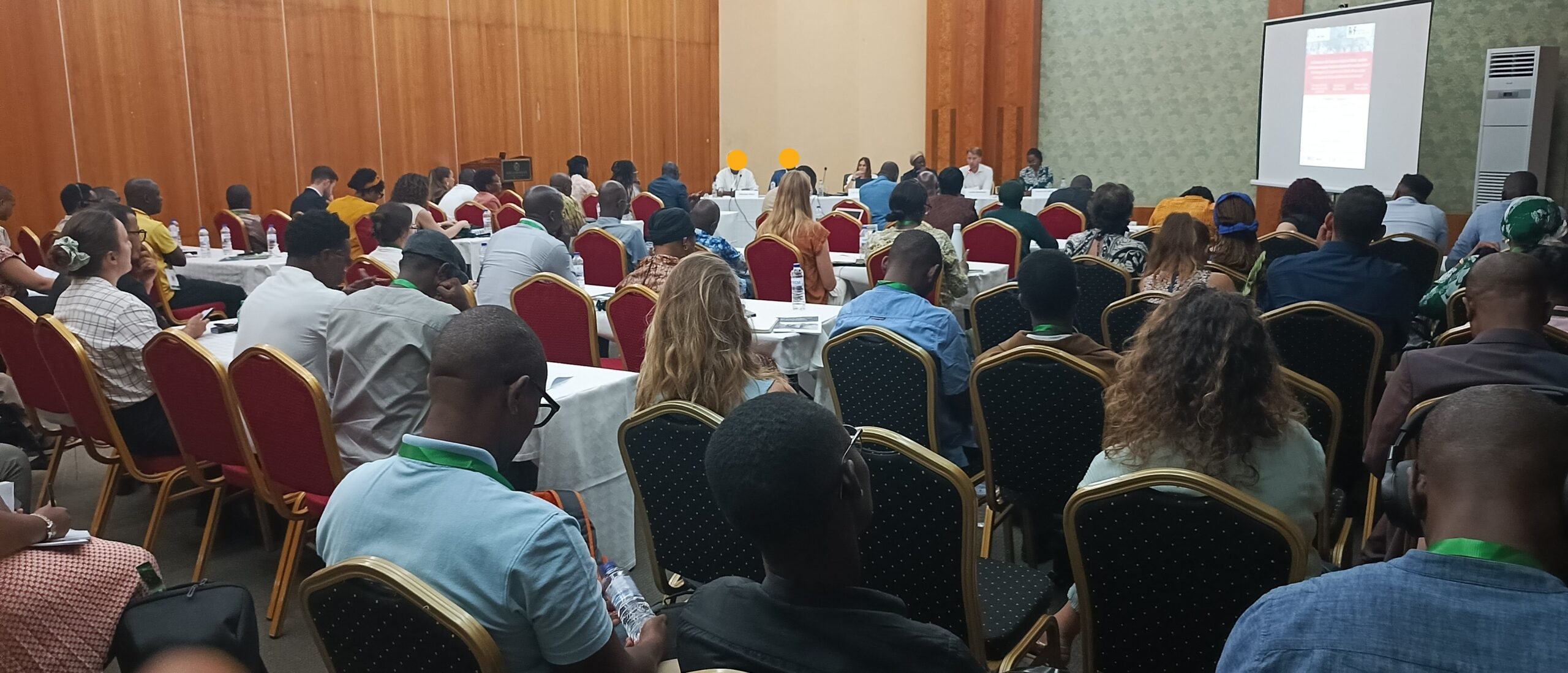
ACHPR89: Civic space, press freedom alarmingly constrained in the Sahel
At the margins of the 89th session of the African commission, civil society groups discussed the growing challenges and threats weighing on journalists working the Sahel.
Carmen Lau and Anna Kwok at HRC63. Image: UN Web TV
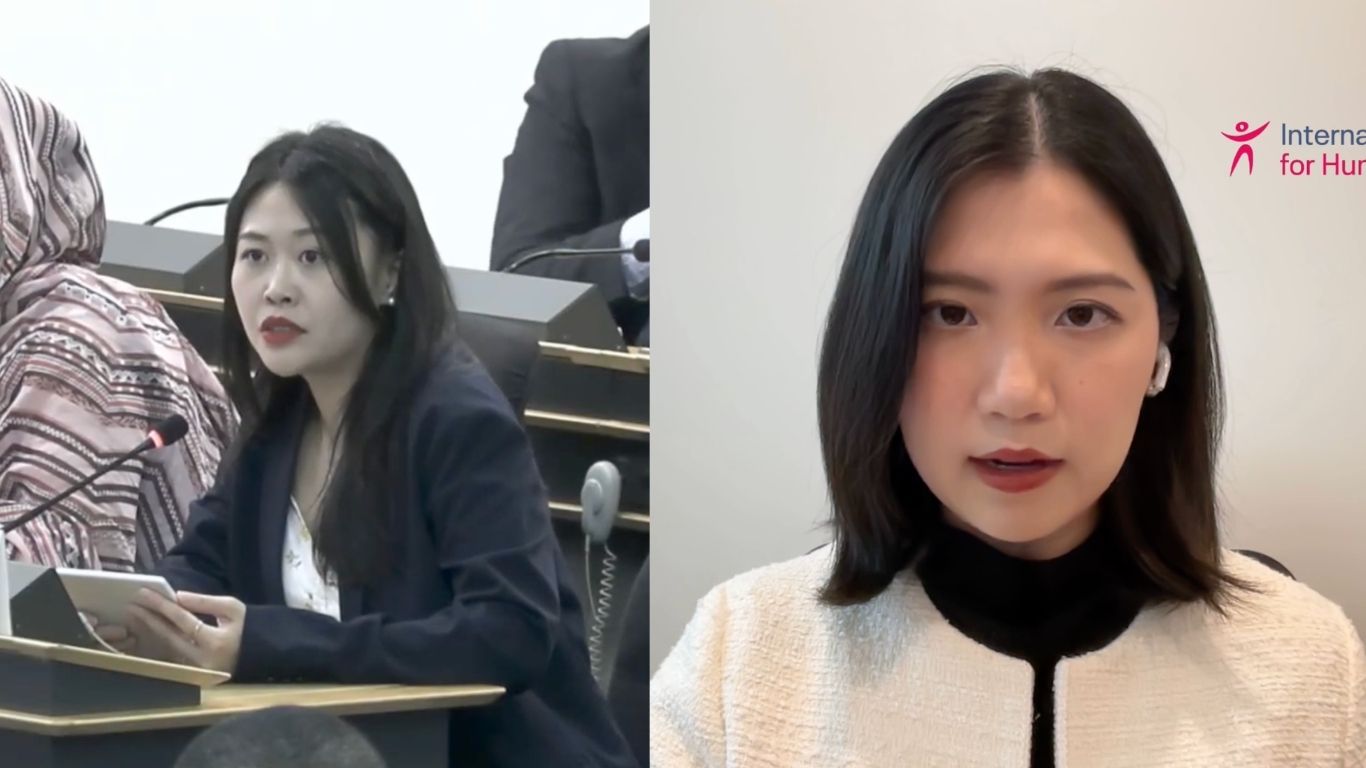
At the Human Rights Council’s 63rd session (HRC63), Hong Kong human rights defenders Carmen Lau and Anna Kwok brought their testimony of transnational repression before the Council, as States renewed scrutiny of China’s human rights record.
The September session drew renewed attention to restrictions on civic space in China, the human rights situation in Tibet and the Uyghur region (Xinjiang), and the use of Hong Kong’s national security laws against activists at home and abroad.
Through the testimony of Hong Kong defenders accompanied by ISHR, the Council also heard directly how repression can cross borders and extend to their families.
Exiled Hong Kong human rights defender Carmen Lau addressed the Council about the risks she continues to face as a result of her human rights advocacy. Lau is among the exiled Hong Kong activists subject to arrest warrants and HK$1 million bounties imposed by Hong Kong authorities.
She told the Council that repression had followed her to the United Kingdom, where her neighbours received letters containing sexually explicit AI-generated deepfakes of her and urging them to hand her over to the Chinese embassy. She also described constant online harassment and rape threats intended to intimidate and silence her.
Speaking before you today carries real risks. I live with a credible fear of surveillance, harassment, and abduction because of my human rights advocacy. We urge the High Commissioner and Member States to condemn these acts through concrete action and call for an end to the extraterritorial weaponisation of Hong Kong’s national security laws.Carmen Lau
Hong Kong human rights defender Anna Kwok addressed the Council during its annual dialogue on the UN Secretary-General’s report on reprisals. Kwok, who is also subject to a HK$1 million bounty, spoke about the imprisonment of her 70-year-old father in Hong Kong, which she characterised as retaliation aimed at her work abroad.
I speak to you today as a target of transnational repression and reprisals for my human rights advocacy, including my engagement with the UN. When States do their utmost to silence activists abroad, including for cooperating with the UN, the UN and Member States should also do their utmost to respond to it.Anna Kwok
Kwok also pointed to a landmark joint statement on transnational repression by over 130 UN human rights experts issued a day earlier. The statement provides a roadmap for action, calling on States to prevent and investigate transnational repression, hold perpetrators accountable, strengthen protection for people at risk, and prevent the misuse of international law enforcement and other cross-border mechanisms.
During Council discussions, States continued to press China to act on recommendations already made by the UN. Four years after the UN Human Rights Office published its report finding possible crimes against humanity in the Uyghur region, France, the United Kingdom and Canada again called for follow-up, amid continuing calls for the High Commissioner to provide a substantive update on China’s implementation of the Office’s recommendations. The EU, in a statement joined by Albania, Montenegro and Liechtenstein, also called for implementation of recommendations from the UN Human Rights Office and other UN human rights mechanisms, as did the Netherlands, Czechia and Sweden.
Four years after the UN Human Rights Office concluded that serious violations in the Uyghur region may constitute crimes against humanity, the lack of substantive public follow-up is no longer tenable. High Commissioner Türk has a responsibility to follow up on his Office’s recommendations and publicly assess and report on the extent to which China has implemented them.Lee Chung Lun, ISHR programme officer
As High Commissioner Volker Türk appealed for an ‘urgent U-turn’ on tightening restrictions on the rights of Tibetans and expressed deep concern at detention facilities and violations in the Uyghur region, China’s new Law on Promoting Ethnic Unity and Progress emerged as another significant focus of scrutiny for governments. Australia, Canada, the United Kingdom, the EU, Switzerland, the Netherlands, Ireland and Germany raised concerns about its potential impact on cultural, linguistic and religious rights, particularly for Tibetans, Uyghurs and Mongols.
The situation in Hong Kong also remained a major concern, with States drawing attention both to repression inside the territory and to efforts to target defenders abroad. The EU raised the repressive use of national security legislation, while Japan, Ireland, Austria, Germany and Denmark raised concerns over fundamental freedoms, civic space and media freedom. Echoing calls by High Commissioner Türk for the quashing of sentences against Chow Hang-tung, Lee Cheuk-yan and Albert Ho, the United Kingdom highlighted recent convictions under the National Security Law, including those of leaders of the Hong Kong Alliance and Joshua Wong, and again called for the release of Jimmy Lai.
In the latest Secretary-General’s annual report on reprisals, China’s cross-border targeting of activists continued to draw concern. During the Council’s debate over the Secretary-General’s reprisals report, Liechtenstein raised specific concern over the cases of Anna Kwok and Carmen Lau, while the United Kingdom also highlighted Lau’s situation. Norway separately identified China among States where journalists in exile have reportedly faced patterns of transnational repression.
The Council’s reprisals debate also kept attention on pressure against defenders inside Hong Kong. Belgium, speaking for the Benelux countries, and Germany urged the immediate release of Chow Hang-tung, while Australia, speaking for Canada and New Zealand, called for the release of pro-democracy activists in Hong Kong.
ISHR urges States to sustain and increase coordinated pressure on China to respect human rights and end repression and restrictions against human rights defenders. We also call on the UN Human Rights Office and independent experts to continue and strengthen monitoring and reporting on the country.
At the margins of the 89th session of the African commission, civil society groups discussed the growing challenges and threats weighing on journalists working the Sahel.
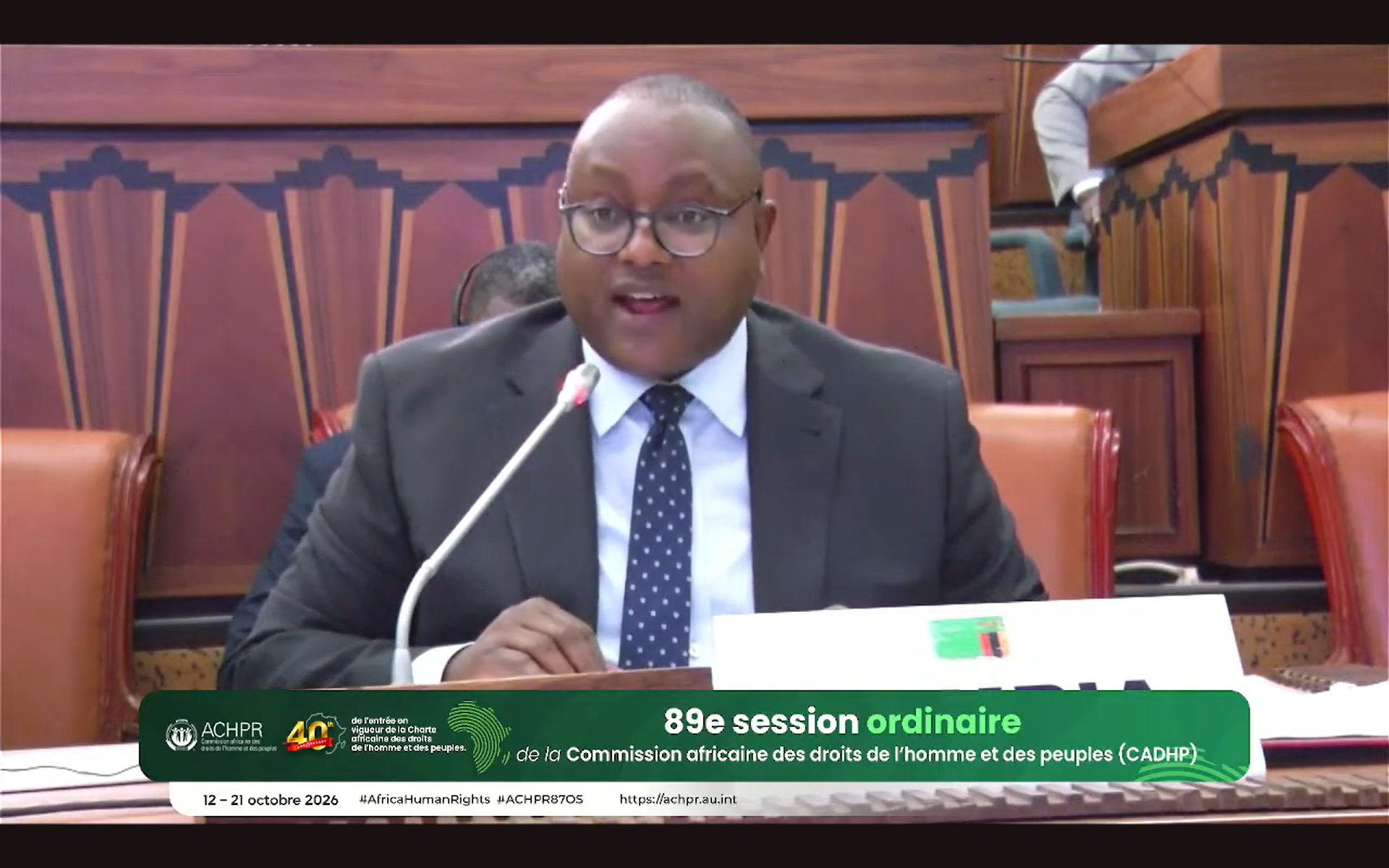
Zambia must ensure that human rights defenders can speak out, organise and work freely. In a joint submission to the African Commission, ISHR, SACCORD and ZNHRD highlight restrictive legislations and call for progress towards the adoption of the law for the promotion and protection of the rights of defenders.
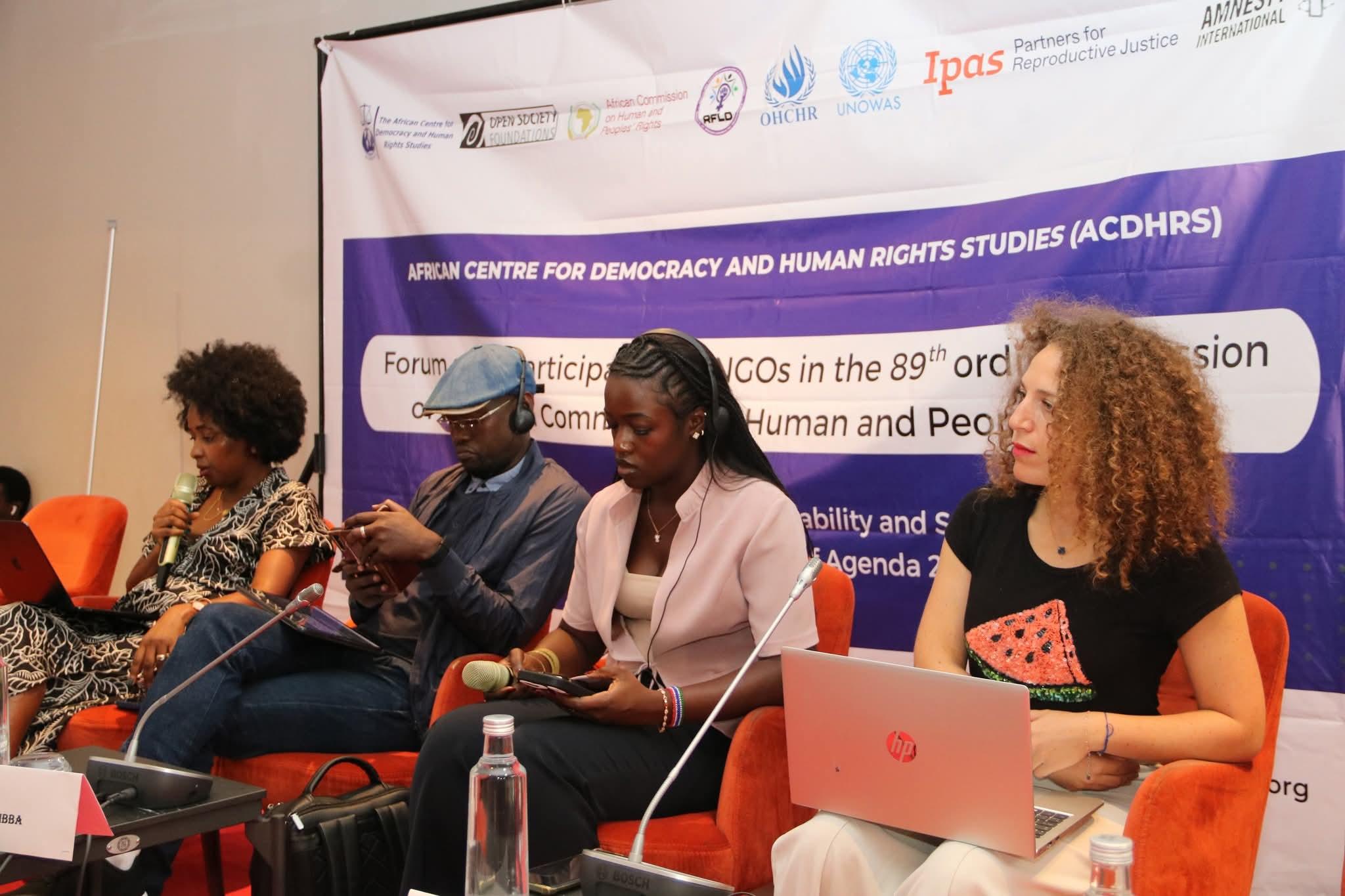
At the NGO Forum ahead of the 89th session of the African Commission, a high-level panel discussion tackled the growing issue of transnational repression in Africa.