
Venezuela: civil society organisations call for the renewal of key UN Fact-Finding Mission
In a joint statement published today, 21 civil society organisations - including ISHR - called for the renewal of the UN Fact-Finding Mission on Venezuela.
© UN Photo/Manuel Elías
UN human rights experts released a landmark statement urging States, businesses, INTERPOL and international organisations to prevent and combat the spread of transnational repression, warning of its increasing impacts on human rights, democracy and the rule of law and those who take action to defend them.
Over 130 UN Special Procedures mandate holders and members of Treaty Bodies (see all signatories below) adopted a landmark statement calling for a decisive international response to the increasing use of transnational repression by States as a tool to silence activism across borders.
'An unprecedented number of UN experts made it clear today that any response to transnational repression should be strongly anchored in human rights obligations. Not only should governments hold perpetrators accountable, they should also proactively adopt laws and policies that centre the needs of victims, in particular at-risk diasporas and those in exile.'Raphaël Viana David, Senior Advocacy Manager for ISHR
‘Transnational repression represents a growing challenge to the international human rights system and to the principles of the Charter of the UN itself,’ signatories said in their appeal, which provided a roadmap of measures to prevent and respond to transnational repression, and better assist and protect those targeted.
‘By creating fear across borders, transnational repression has profound consequences not only for those directly targeted, their families and communities, but also for civil society action, democratic principles, civic space, refugee protection, independent journalism and media freedom,’ the experts stressed, warning that this threatens the ability of individuals and groups to ‘promote, protect and defend human rights, and to engage safely with national, regional and international human rights mechanisms’, including at the UN.
Arising from a retreat for UN human rights experts convened by ISHR in June, this joint statement comes a week after the UN Human Rights Council’s first dedicated dialogue on the issue of transnational repression and arbitrary detention, and amid broader efforts by the UN human rights system to address growing acts of transnational repression targeting those who engage with the UN. These efforts include statements and resolutions at the Human Rights Council, and a first brief by the UN Human Rights Office.
Transnational repression tactics, the experts said, include extrajudicial killings, torture, harassment, arbitrary detention, travel bans, expulsions, deprivation of nationality, misuse of international law enforcement mechanisms, including INTERPOL Red Notices, intimidation of family members and associates, and more. Signatories flagged the ‘increasingly digital nature of transnational repression’, including through the use of social media, spyware and malware software, warning that all of these are being amplified by artificial intelligence tools.
Signatories urge States to refrain from committing or supporting acts of transnational repression and to develop specific laws and policies to prevent, investigate and punish such acts, including when they don’t amount to a crime under domestic law. This includes directing resources to better track and analyse patterns of transnational repression, including digitally, building the capacity of national authorities across different areas, establishing inter-governmental coordination mechanisms and focal points, and regulating surveillance technologies.
Signatories stress the need to combat the misuse of frameworks to counter terrorism and organised crime, to apply additional vetting to INTERPOL Red Notices and Diffusions, and to take into account a country’s transnational repression record when considering bilateral cooperation, agreements, and diplomatic assurances.
States must also redouble efforts to protect and assist those being targeted or likely to be in the future, including through efficient reporting channels, adequate protection policies and programmes, psychosocial support, and expedited asylum, resettlement and humanitarian visa processes.
Experts also call on other actors, including international organisations and businesses – to be wary of transnational repression and of their responsibilities in preventing it. Businesses, in particular tech companies, should conduct due diligence and strengthen privacy and data protection. INTERPOL should also step up efforts to tackle the misuse of Notices, Diffusions, and other mechanisms, including by cooperating with civil society and relevant States.
'Powerful human rights abusers will not let a border stop them from quashing dissent. At a time when more States are pushing human rights defence into exile, the UN and all States who care about upholding human rights must heed the experts’ call and take action to protect those who seek refuge or engage in critique or dissent abroad.'Raphaël Viana David
The latest annual report by the UN Secretary-General on acts of reprisals against individuals seeking to cooperate with the UN cites 32 States. Of these, 13 States are cited for acts of transnational repression, affecting at least 43 individuals and four organisations. ‘Allegations of transnational repression across borders seemed to be on the rise, with examples from all regions, some enabled by the misuse of digital technologies,’ the report noted in its conclusions.
‘Transnational repression can cripple key accountability efforts at the UN and leave the global human rights system blind and deaf. States must ensure human rights defenders and activists who seek justice at the UN are safe from the long reach of abusive governments both while engaging with its mechanisms and afterwards.'Madeleine Sinclair, director of ISHR’s office in New York
ISHR has long campaigned to denounce reprisals against those engaging with the UN, and for the UN and States to ensure that human rights defenders and civil society organisations can safely cooperate with human rights experts and mechanisms. This year, ISHR’s campaign is focused on the impact of transnational repression.
ISHR urges States, UN officials, businesses and all stakeholders to follow the recommendations in the statement and take proactive steps to address, prevent and punish acts of transnational repression, to enhance assistance and protection of victims, and to ensure everyone can safely engage with the UN and other international human rights bodies.
*List of signatories:
Special Procedures mandates:
Special Procedures mandate holders
Treaty Body committees:
Treaty Body members in their individual capacity:
In a joint statement published today, 21 civil society organisations - including ISHR - called for the renewal of the UN Fact-Finding Mission on Venezuela.

Ahead of the expected release of feminist journalist and prominent #MeToo activist Sophia Huang Xueqin on 18 September, ISHR and 59 other civil society organisations urge Chinese authorities to ensure her release and guarantee that she can exercise her human rights without surveillance, harassment, retaliation or other arbitrary restrictions.
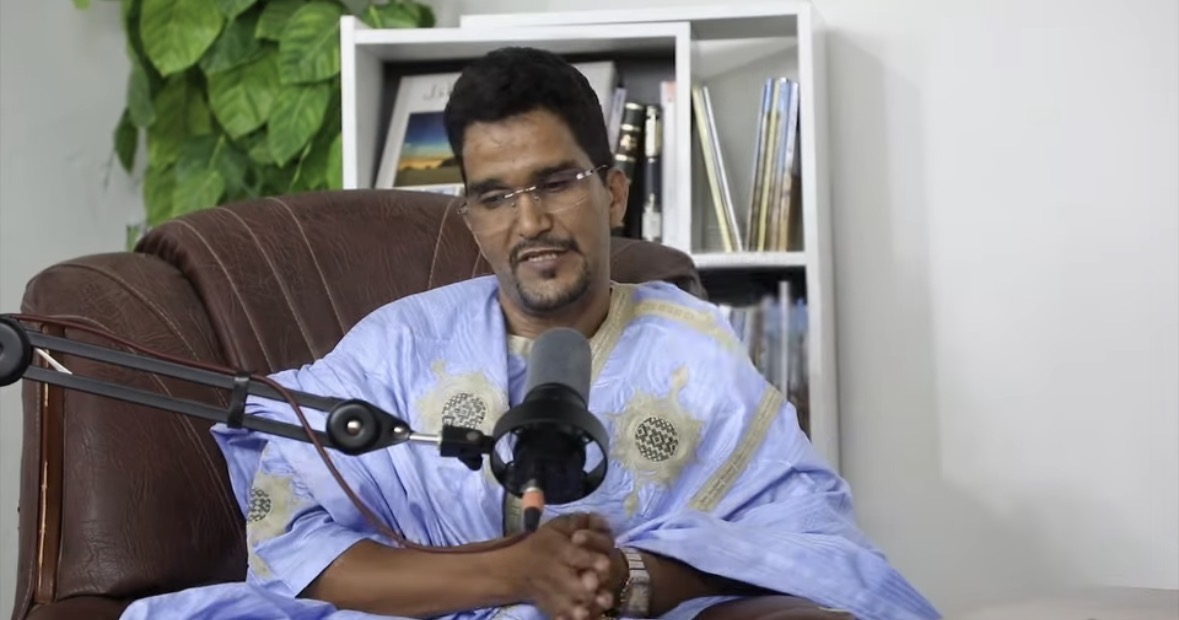
The UN Committee against Torture has found that Morocco violated the Convention Against Torture in the case of Abdelmoula El Hafidi, a Sahrawi human rights defender who was subjected to degrading detention conditions.