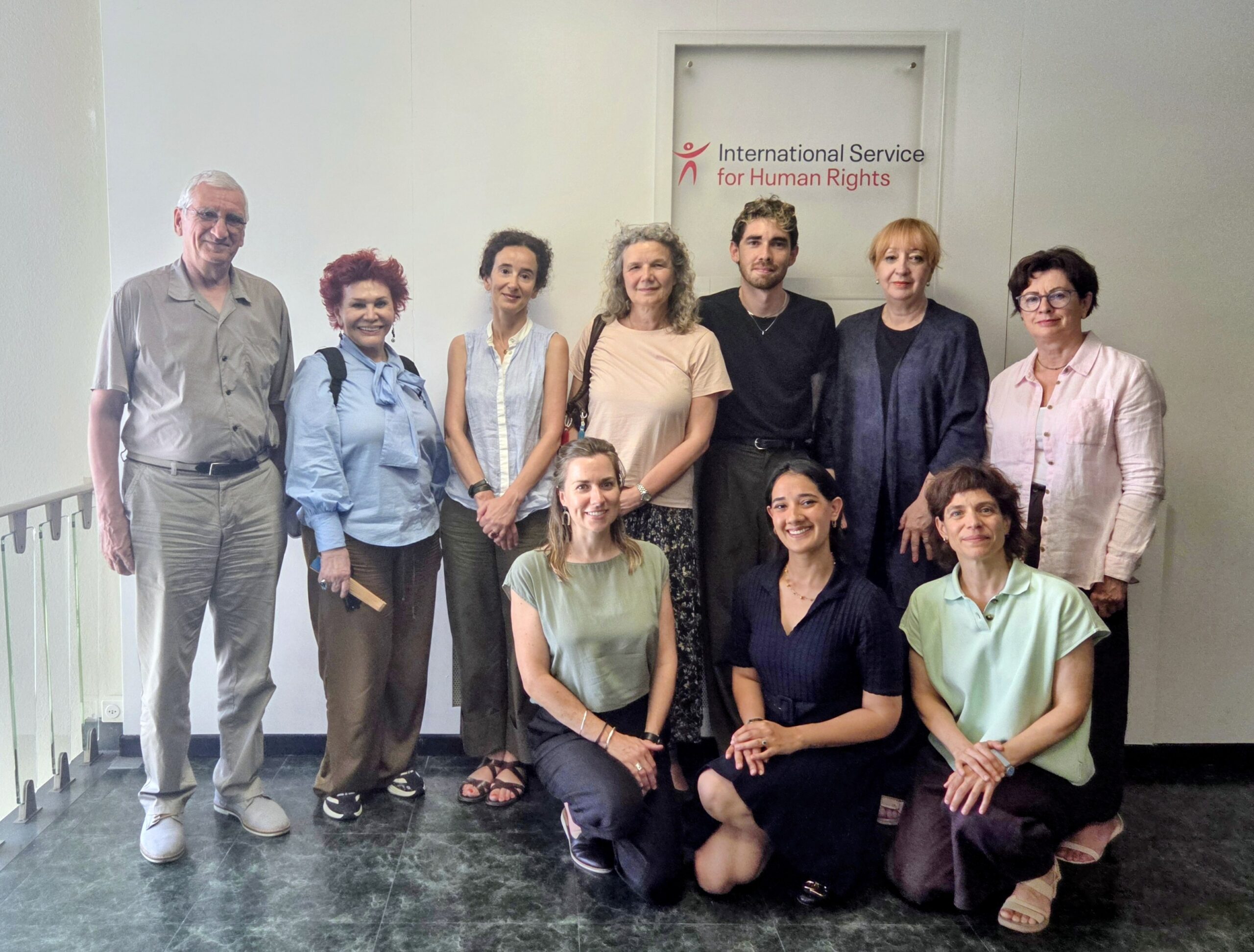
Transnational repression (TNR) is profoundly altering the landscape for global human rights advocacy, making ‘safe havens’ less safe. Bringing together the core guardians of international human rights law, ISHR’s retreat under Chatham House rule aimed to address this challenge.
In the face of States and their proxies increasingly reaching beyond borders to silence critics, human rights defenders, journalists, diaspora and exiled communities, the retreat sought to strengthen norms against TNR, as well as enhance strategic coordination among UN rights bodies.
Over two days, UN Treaty Body members and Special Procedures mandate holders engaged with a range of civil society and academic experts to understand tools and patterns of TNR, from killings and physical attacks, renditions and abductions, to emerging digital forms of TNR.
The UN experts also heard from affected individuals and communities on the far-reaching and cumulative impacts of TNR, including its chilling effects on human rights advocacy, refugee protection and democratic resilience, and opportunities to advance victim-centred prevention and protection policies.
The urgency of improving UN responses is driven by the escalating sophistication of TNR.
States are increasingly weaponising digital surveillance, Interpol Red Notices and other judicial cooperation mechanisms, as well as family coercion to punish individuals and communities abroad.
These tactics deeply impact the physical, psychosocial and economic wellbeing of individuals and communities abroad, often generating self-censorship and isolation.
They have general chilling effects on civil society, particularly among those who cooperate with the UN and continue to suffer from intimidation and reprisals for doing so, in Geneva and elsewhere.
In 2025, there was heightened awareness of TNR among UN Member States, including through a joint statement led by Germany and endorsed by over 45 States at the Human Rights Council, and the release of a brief by the Office of the High Commissioner for Human Rights.
However, the UN system still lacks a sufficiently coordinated response to TNR that clarifies the international law obligations of States and outlines detailed policy responses grounded in international human rights.
The retreat contributed to efforts to recognise TNR as a grave global concern, reaffirm the applicability of international standards to such acts, and renew the commitment of UN rights bodies to ensure the safety of diaspora and exiled communities, and human rights defenders abroad, including when cooperating or seeking to cooperate with the UN human rights system.