
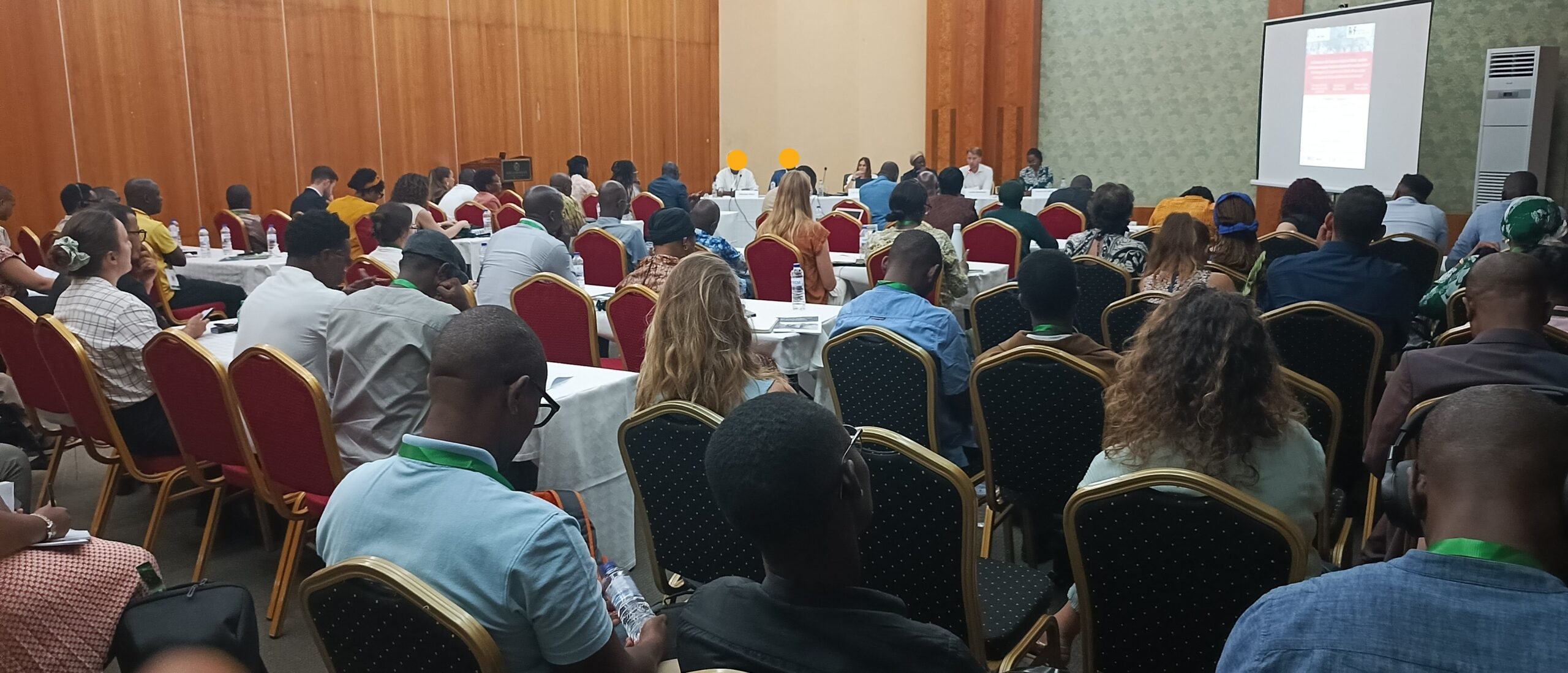
ACHPR89: Civic space, press freedom alarmingly constrained in the Sahel
At the margins of the 89th session of the African commission, civil society groups discussed the growing challenges and threats weighing on journalists working the Sahel.
Naama Asfari © Antony Jean

ISHR is deeply concerned by the deteriorating health of Sahrawi human rights defender Naâma Asfari, who has been on an indefinite hunger strike since 8 June while detained in Kénitra prison, in Morocco.
Update (24 July 2026): After 47 days Naâma Asfari ended his hunger strike following a visit from a delegation of Morocco’s General Delegation for Prison Administration and Reintegration. During the visit, the delegation reportedly committed to transferring Asfari to a prison closer to his family’s place of residence, responding to one of the demands that prompted his hunger strike. While welcoming this commitment as a positive step, Asfari’s family stressed that his remaining demands remain unresolved, including the implementation of the decisions of the UN Committee against Torture and the Opinion of the UN Working Group on Arbitrary Detention relating to his case. ISHR welcomes this reported commitment to transfer Asfari closer to his family and reiterates its call on the Moroccan authorities to fully implement the recommendations of the relevant UN human rights mechanisms and ensure respect for Asfari’s rights.
ISHR is deeply concerned by the deteriorating health of Sahrawi human rights defender Naâma Asfari, who has been on an indefinite hunger strike since 8 June 2026 while detained in Kénitra prison, in Morocco. Asfari is one of the Sahrawi human rights defenders convicted in connection with the violent dismantlement of the Gdeim Izik protest camp in 2010.
His hunger strike, which he has described as the ‘Battle of Dignity’, seeks to compel the Moroccan authorities to implement long-standing decisions and recommendations issued by UN human rights mechanisms concerning his case and those of the other Gdeim Izik detainees.
According to his family, Asfari has now lost approximately nine kilograms and has further intensified his protest by refusing to cooperate with the prison doctor and foregoing his daily exercise period.
Over the past decade, multiple UN human rights mechanisms have found serious violations of international law in relation to the Gdeim Izik cases.
The UN Committee against Torture (CAT) has adopted individual decisions in the cases of Naâma Asfari and several other members of the Gdeim Izik group, concluding that Morocco violated the Convention against Torture. In particular, the Committee found that convictions relied on statements obtained through torture or coercion, while allegations of torture were never subjected to prompt, impartial and effective investigation. It recommended, among other measures, that the convictions be quashed, the victims released, and full reparations provided.
In addition, in Opinion No. 23/2023, the UN Working Group on Arbitrary Detention concluded that the detention of the Gdeim Izik prisoners is arbitrary and called for their release and the provision of effective remedies in accordance with international law.
Despite these findings, the recommendations of the UN mechanisms remain unimplemented.
Asfari’s case has been included in the annual report of the UN Secretary-General on reprisals four times, from 2018-2022.
ISHR is gravely concerned by the risks posed to Asfari’s health and calls on the Moroccan authorities to take urgent steps to safeguard his life and physical integrity. We further urge Morocco to engage constructively with the recommendations of the UN human rights system by implementing the decisions of the Committee against Torture and the Opinion of the Working Group on Arbitrary Detention without further delay.
The effective implementation of decisions issued by UN human rights mechanisms is essential to ensuring justice for victims, upholding the rule of law, and preserving confidence in the international human rights system.
At the margins of the 89th session of the African commission, civil society groups discussed the growing challenges and threats weighing on journalists working the Sahel.
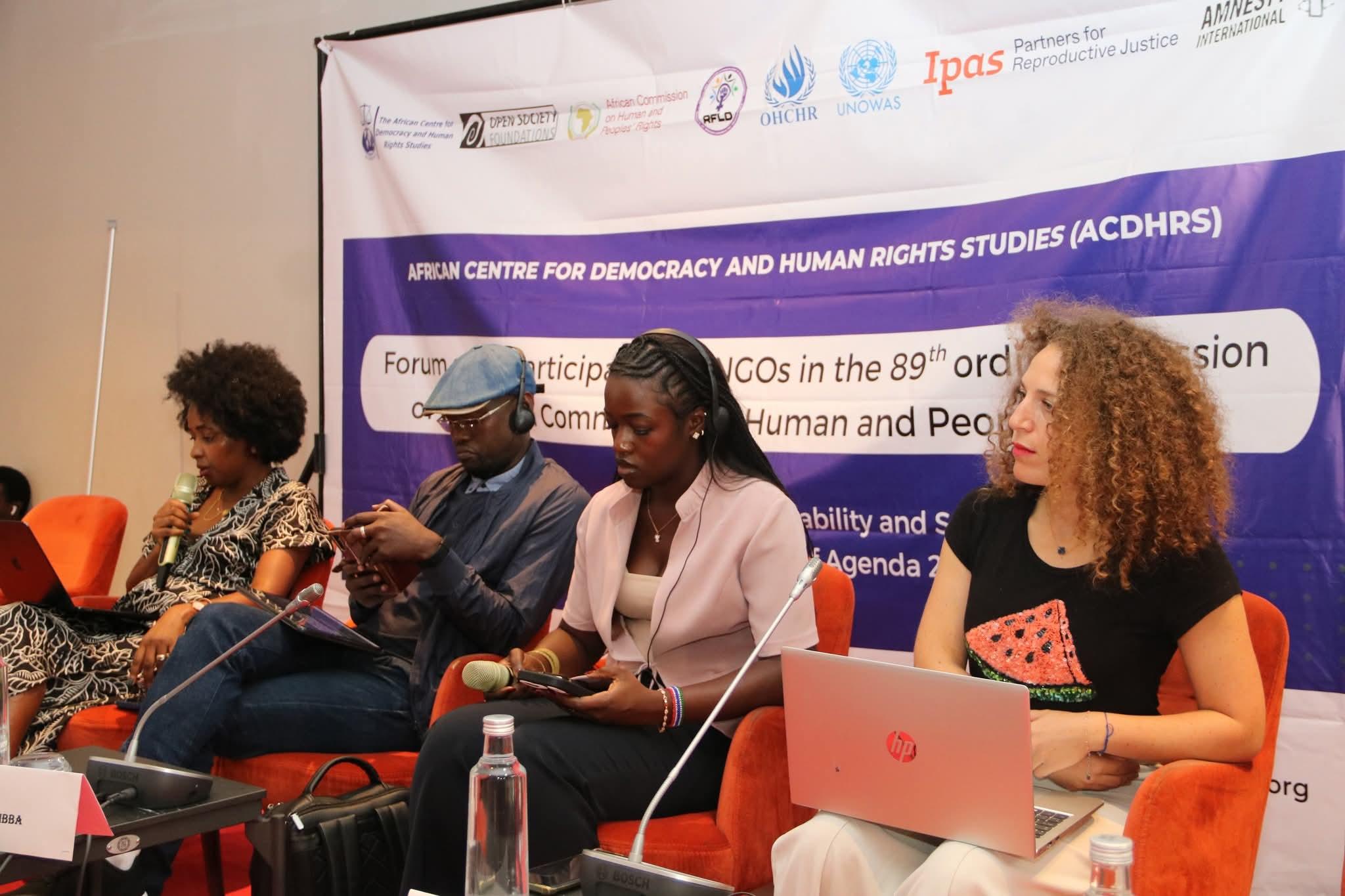
At the NGO Forum ahead of the 89th session of the African Commission, a high-level panel discussion tackled the growing issue of transnational repression in Africa.
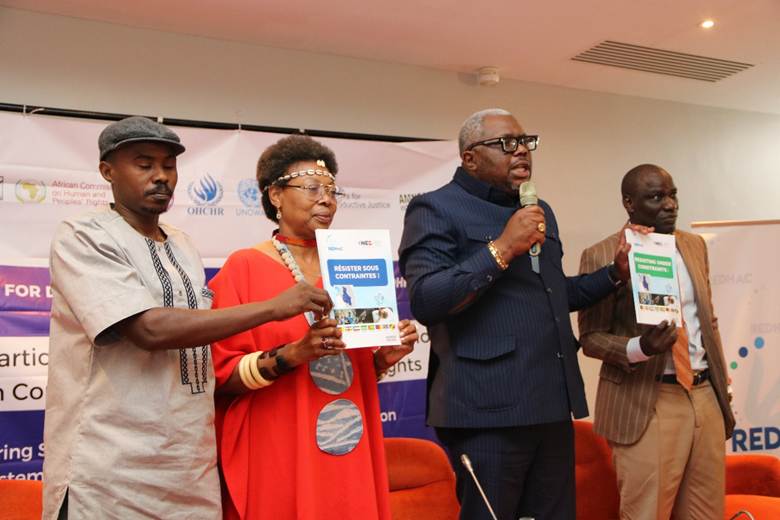
Ahead of the 89th session of the African Commission on Human and Peoples' Rights, the NGO Forum convened a panel on cross-border issues affecting human rights defenders in Central Africa and presented a new publication.