
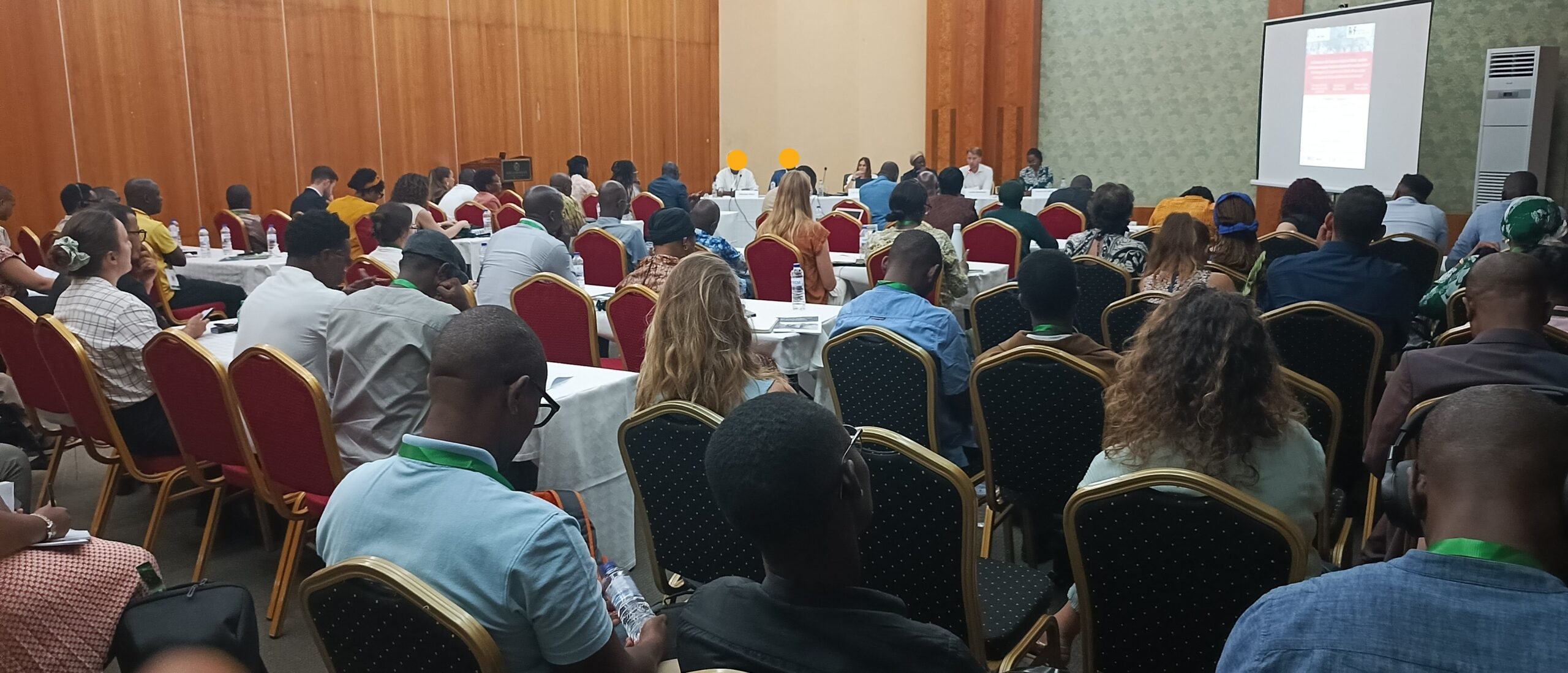
ACHPR89: Civic space, press freedom alarmingly constrained in the Sahel
At the margins of the 89th session of the African commission, civil society groups discussed the growing challenges and threats weighing on journalists working the Sahel.
Screenshot M. Abdelmoula El-Hafidi
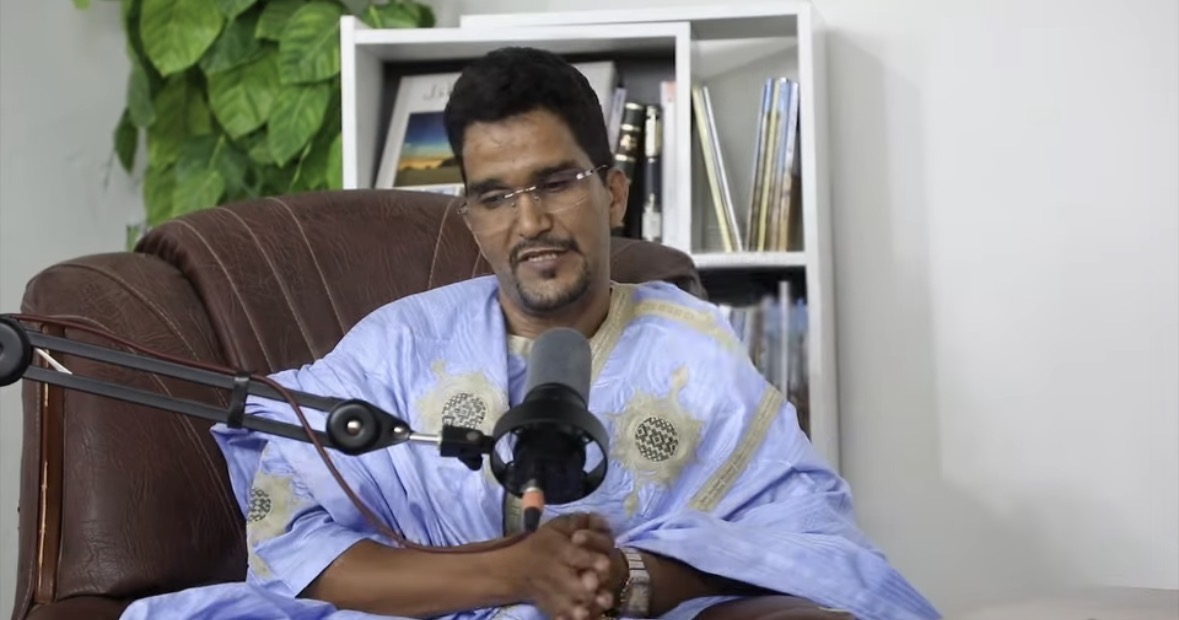
The UN Committee against Torture has found that Morocco violated the Convention Against Torture in the case of Abdelmoula El Hafidi, a Sahrawi human rights defender who was subjected to degrading detention conditions.
The decision, adopted on 24 April 2026 during the Committee Against Torture (CAT)’s 84th session, marks another significant finding against Morocco regarding human rights violations in the context of the occupied territory of Western Sahara.
This follows a pattern of UN human rights body findings against Morocco regarding the treatment of Sahrawi human rights defenders in occupied Western Sahara. The Working Group on Arbitrary Detention previously determined in 2019 that El Hafidi’s deprivation of liberty was arbitrary.
Represented by ISHR, El Hafidi submitted the complaint to the CAT on 9 June 2022, alleging violations of Articles 1, 12, 13, 14, 15, and 16 of the Convention Against Torture. The complaint documented a range of abuses.
During his arrest, he was beaten and threatened with rape to extract confessions related to his self-determination activism. Once detained, he was denied access to a lawyer, subjected to solitary confinement for over 22 hours a day, and refused adequate medical care. Complaints filed by his sisters were ignored by authorities.
He also described degrading conditions at Aït Melloul prison: 40 prisoners in a single cell with three toilets, no windows or natural light, no potable water, and inadequate heating.
Morocco contested the admissibility of the complaint, arguing that six years had passed since the alleged facts and that El Hafidi had not exhausted domestic remedies. On the merits, the State Party denied all allegations of torture and mistreatment, claiming that El Hafidi received proper food, medical care, and family visits, and that any disciplinary measures were lawful.
The State Party also claimed that El Hafidi had continued his education while incarcerated.
The Committee’s decision drew a distinction between the specific allegations of torture and conditions of detention. The Committee declared most of the specific torture allegations inadmissible due to insufficient evidence – such as immediate medical reports or proof of lawyer access requests – and failure to exhaust domestic domestic remedies, but found the detention conditions complaint admissible.
The Committee found that Morocco violated Article 16 (prohibition of cruel, inhuman or degrading treatment), read alone and in conjunction with Articles 12 (obligation to investigate) and 13 (right to complain) of the Convention.
The Committee noted that while the State Party claimed the cell was designed for 40 people, it provided no evidence of the cell’s exact dimensions or proof that El Hafidi had access to potable water. The Committee remained “deeply concerned” that detainees smoked inside the cell, there was no access to natural light or air due to lack of windows, and heating was inadequate.
In their decision, Committee members stated that ‘[…] the Committee considers that the conditions of the complainant’s detention in the Aït Melloul prison, taken as a whole, constitute degrading treatment’.
Furthermore, the Committee found that Morocco failed its obligation under Article 13 to guarantee the right to lodge a complaint, as the authorities did not provide a response through a prompt and impartial investigation into these conditions.
The Committee urged Morocco to take immediate action, including:
Morocco has 90 days from the date of the decision to inform the Committee of the measures taken to implement its decision.
Abdelmoula El Hafidi was arrested on 16 April 2016 in Boujdour, Western Sahara. He faced fabricated charges in relation to protests at a university campus in Marrakech, where a Moroccan student died.
El Hafidi was active in the Sahrawi self-determination movement and worked with human rights organisations, including Boujdour Press and the Sahrawi Association for Human Rights.
He was subsequently sentenced to 10 years in prison in July 2017 for ‘organisation and incitement to a clash with use of violence with a weapon and with premeditation resulting in death without intent to kill’. His conviction was upheld on appeal in April 2018 and by the Court of Cassation in April 2019.
Following his release, El Hafidi and his family members were subjected to a series of acts of intimidation and reprisals incompatible with Morocco’s international obligations (see ISHR’s letter to the Committee).
At the margins of the 89th session of the African commission, civil society groups discussed the growing challenges and threats weighing on journalists working the Sahel.
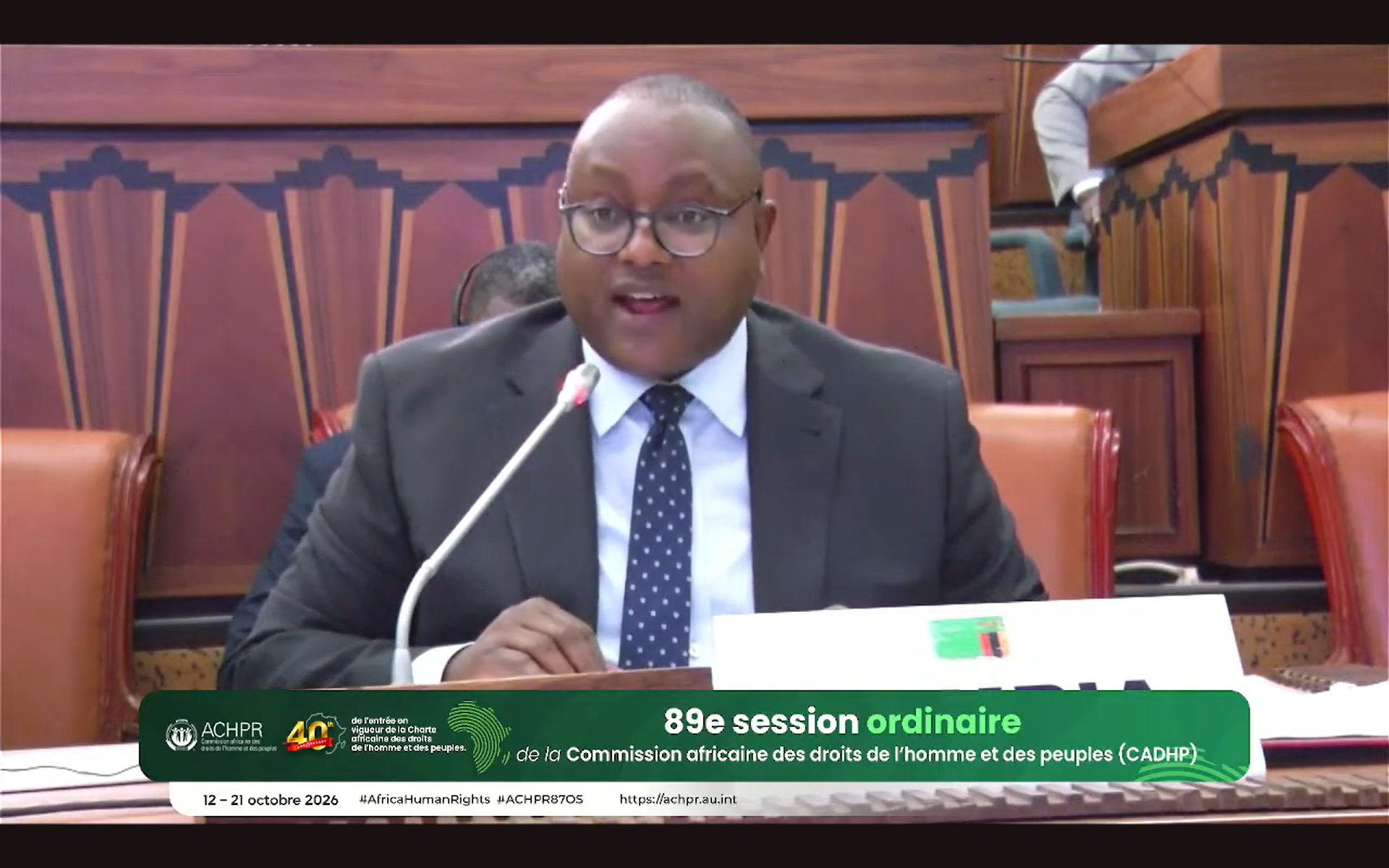
Zambia must ensure that human rights defenders can speak out, organise and work freely. In a joint submission to the African Commission, ISHR, SACCORD and ZNHRD highlight restrictive legislations and call for progress towards the adoption of the law for the promotion and protection of the rights of defenders.
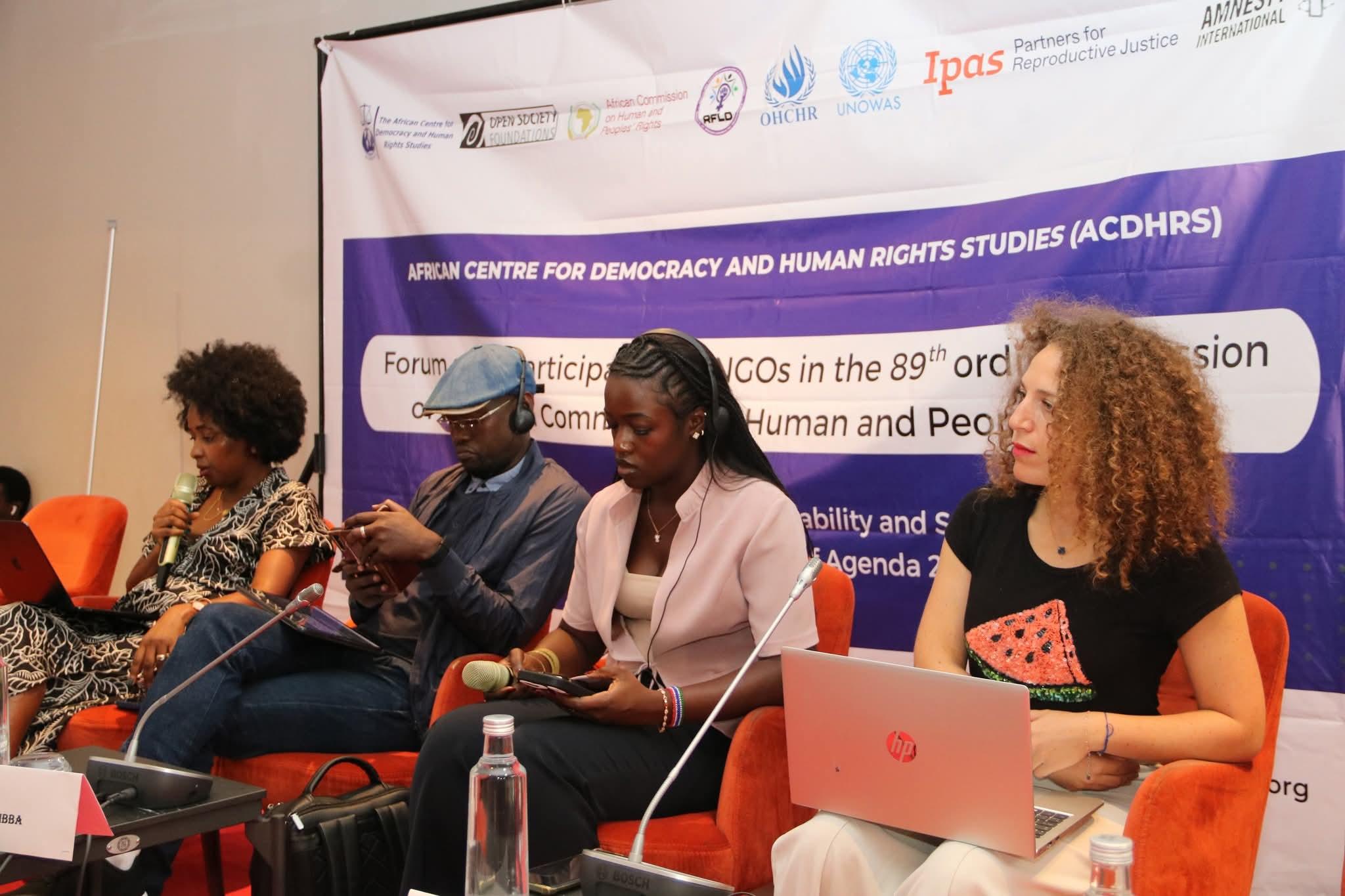
At the NGO Forum ahead of the 89th session of the African Commission, a high-level panel discussion tackled the growing issue of transnational repression in Africa.