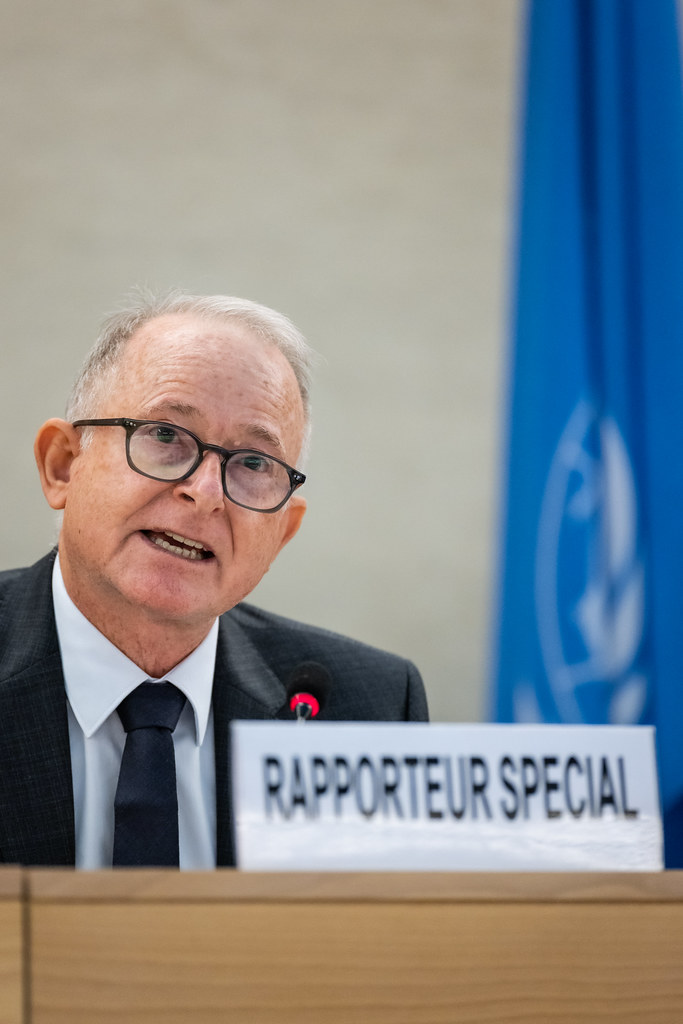
On 23 and 24 September, the UN Human Rights Council discussed the 2026 report of the UN Secretary-general on reprisals against persons or groups working with the United Nations.
The report cited 32 States, while flagging that it omitted ‘verified claims’ that involved four other countries out of security concerns for the victims. Eight of the countries named are current members of the Human Rights Council – Burundi, the Democratic Republic of the Congo, Egypt, France, China, India, Pakistan and Viet Nam. Another – Germany – is seeking election to the body in October, while Burundi is running for reelection.
The Secretary-General’s report highlighted the trend of transnational repression tactics deployed in acts of reprisals against exiled activists and groups related to their work with UN mechanisms, citing ‘at least 43 individuals and four organisations’ affected in 15 of the 32 States mentioned overall.
'Because human rights activists on the ground are those best equipped to inform the UN and about the challenges it should address, it is paramount that they be able to access the UN safely and freely. No one should face retaliation for defending their community and their rights on the global stage. States need to do better to protect those who expose violations at home or abroad.'
Madeleine Sinclair, Director of ISHR’s New York office and long time expert on reprisals
ISHR has long fought to denounce the practice of States taking retaliatory action against human rights defenders and organisations that engage with the UN. This year, our annual campaign to #EndReprisals sought to highlight the plight of six activists that have had to seek refuge outside their countries as a result of their work, but who remain at risk or have been targeted through transnational repression tactics.
Transnational repression involves governments attempting to silence, intimidate, or punish people or organisations based abroad because of their work, including engaging with UN mechanisms, or of real or perceived acts of political or social dissent. Transnational repression can take the form of extrajudicial killings, torture, harassment, arbitrary detention, travel bans, expulsions, deprivation of nationality, misuse of international law enforcement mechanisms, including INTERPOL Red Notices, intimidation of family members and associates, and more.
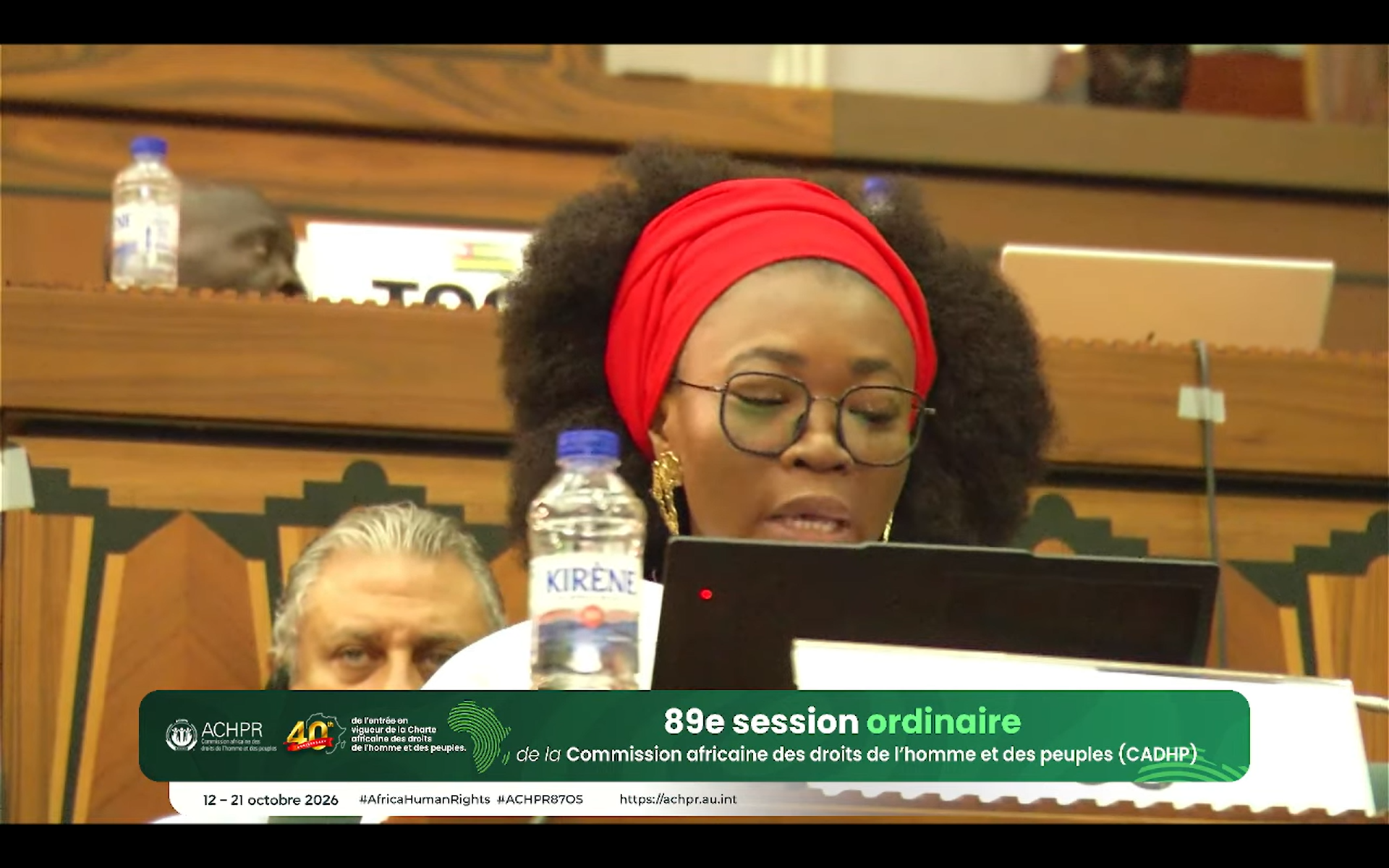
Exiled Hong Kong pro-democracy activist Anna Kwok, who was cited in the report, read a statement during the Council debate urging States to support victims of transnational repression and prevent governments from resorting to it.
Kwok was one of six defenders highlighted in ISHR’s campaign alongside the four Burundian lawyers Armel Niyongere, Dieudonné Bashirahishize, Vital Nshimirimana and Lambert Nigarura, and exiled Egyptian journalist Basma Mostafa
'In this global fight to defend human rights, no matter where we are, feeling safe is a privilege. I, a Hong Konger pro-democracy activist, am among many global rights defenders who live every single day knowing we are being watched and threatened.'
Anna Kwok
Ten States also took the floor to highlight individual cases of reprisals and urge perpetrators to resolve them, including those of defenders highlighted in ISHR’s current and past campaign to end reprisals.
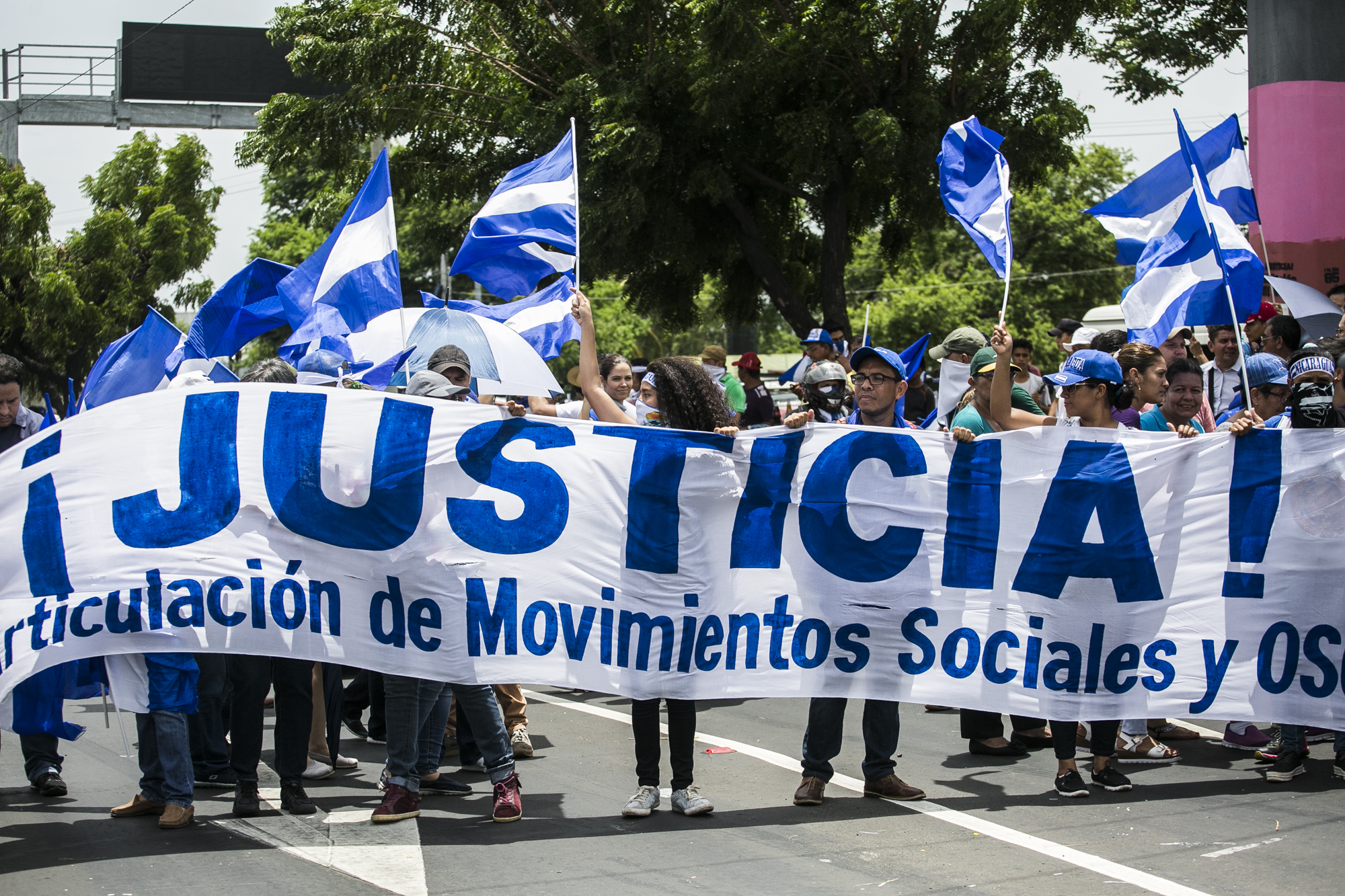
Speaking on behalf of Canada and New Zealand, Australia’s representative called for the protection of Nicaraguan human rights defenders in exile, and the release of pro-democracy activists in Hong Kong and of Russian Indigenous rights activist Daria Egereva. Representing the Benelux States, Belgium raised the cases of Hong Kong pro-democracy activist Chow Hang-Tung, Vietnamese journalist Pham Doan Trang, Cuban political prisoner Roberto Pérez Fonseca and Russian activist Alexey Gorinov.
Liechtenstein named Russian lawyer Violetta Fitzner, the Belarus Human Rights Lawyers association and of the Human Rights House Foundation organisation, also mentioning the cases of Anna Kwok and her fellow Hong Kong activist Carmen Lau. Germany raised the cases of Daria Egereva, her fellow Russian Indigenous rights activist Natalia Leongardt, and Chow Hang-Tung, while Denmark spoke about imprisoned Bahraini activist Abdulhadi Al-Khawaja. Finally, the United Kingdom spoke about Carmen Lau, Violetta Fitzner, and of the four Burundian lawyers Armel Niyongere, Dieudonné Bashirahishize, Vital Nshimirimana and Lambert Nigarura.
On 23 September, over 130 UN Special Procedures mandate holders and members of Treaty Bodies endorsed an unprecedented statement pointing to the ‘growing challenge’ that transnational repression poses to human rights. They called on all States to take steps to bolster their national legislation to punish and prevent such acts, and called for greater protection for the individual activists and groups that are being targeted by cross-border campaigns that violate human rights and fundamental freedoms.
We urge States to continue publicly raising cases of individuals and groups that are victims of reprisals; call on the UN and States to work to ensure safe and unhindered access to the United Nations for those who need it most; and call on governments to take coordinated action to deter the spread of transnational repression tactics and offer better protection to those at risk.