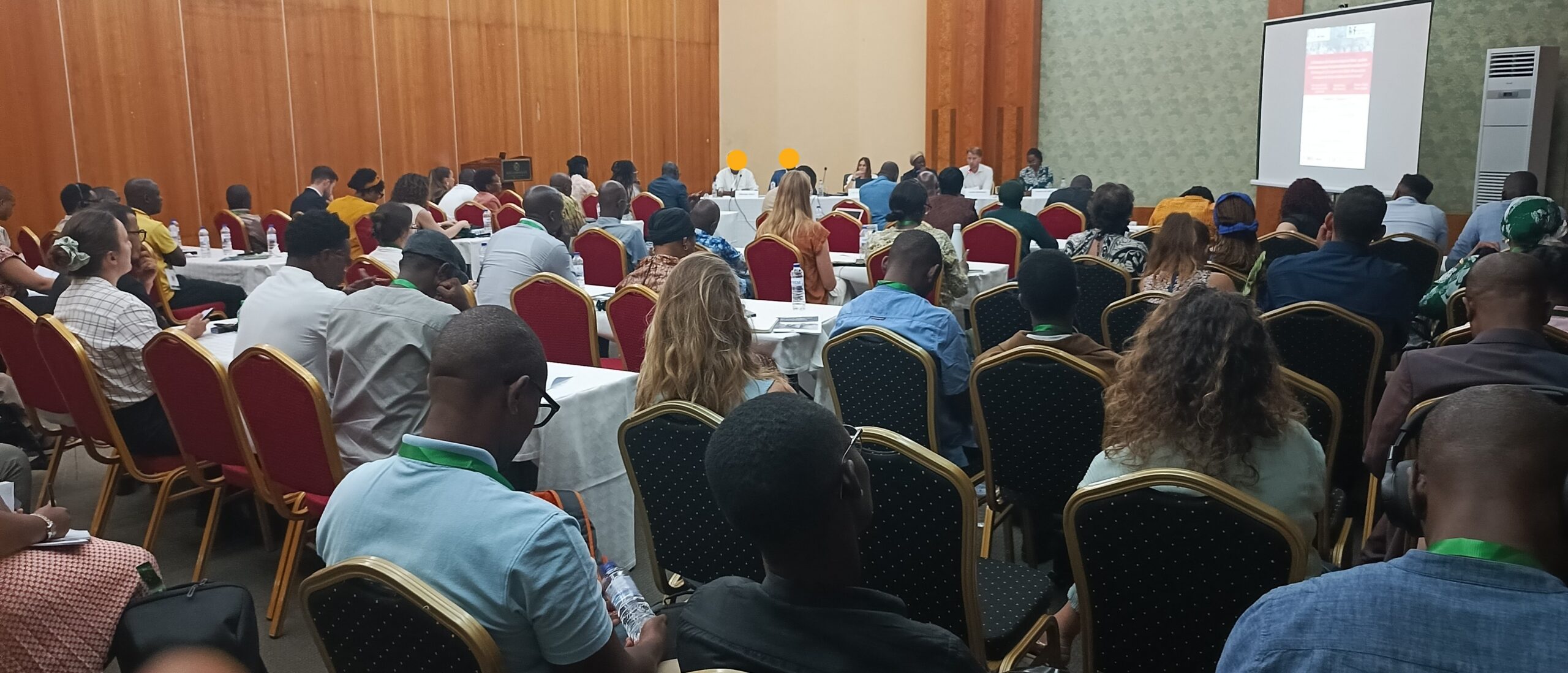
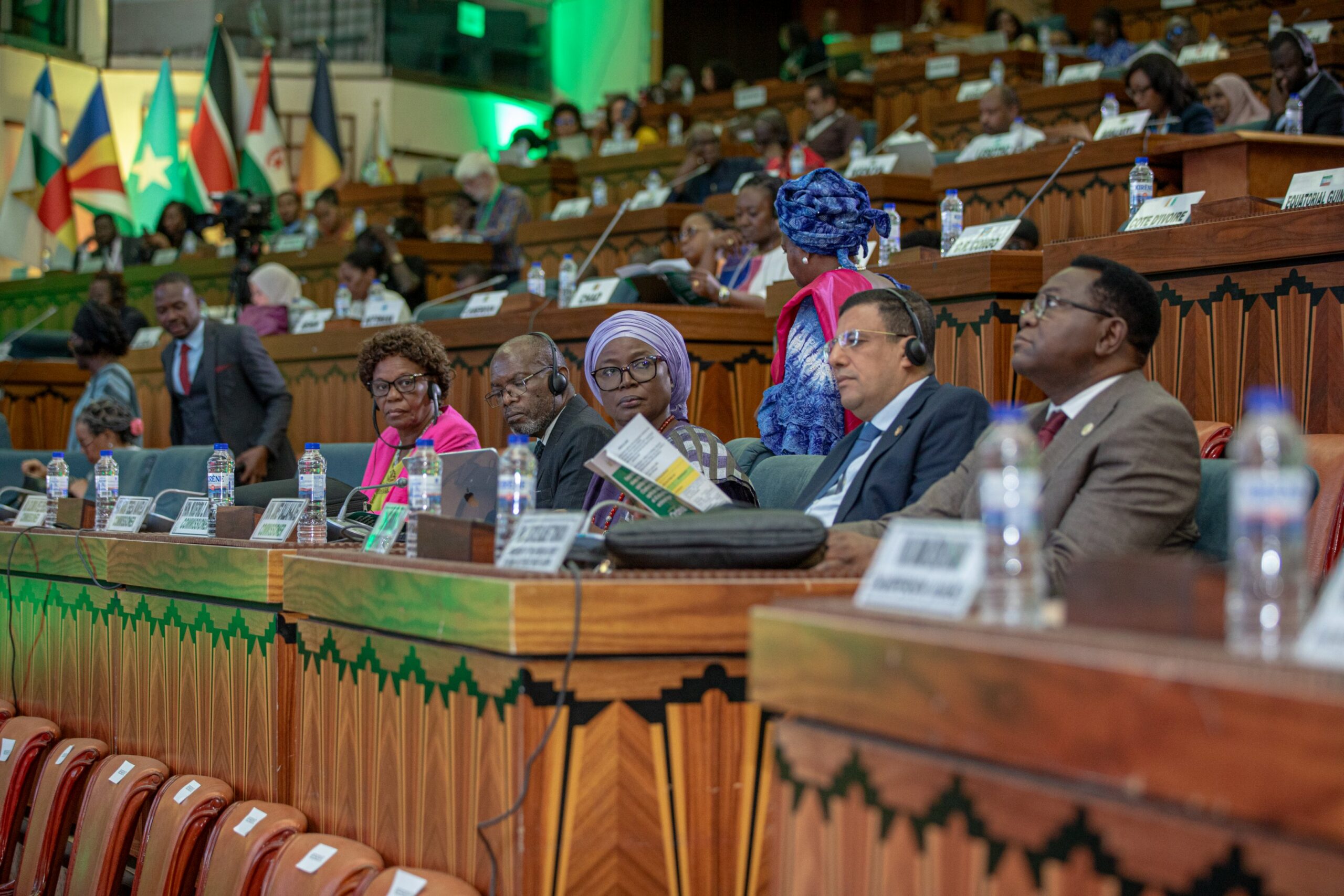
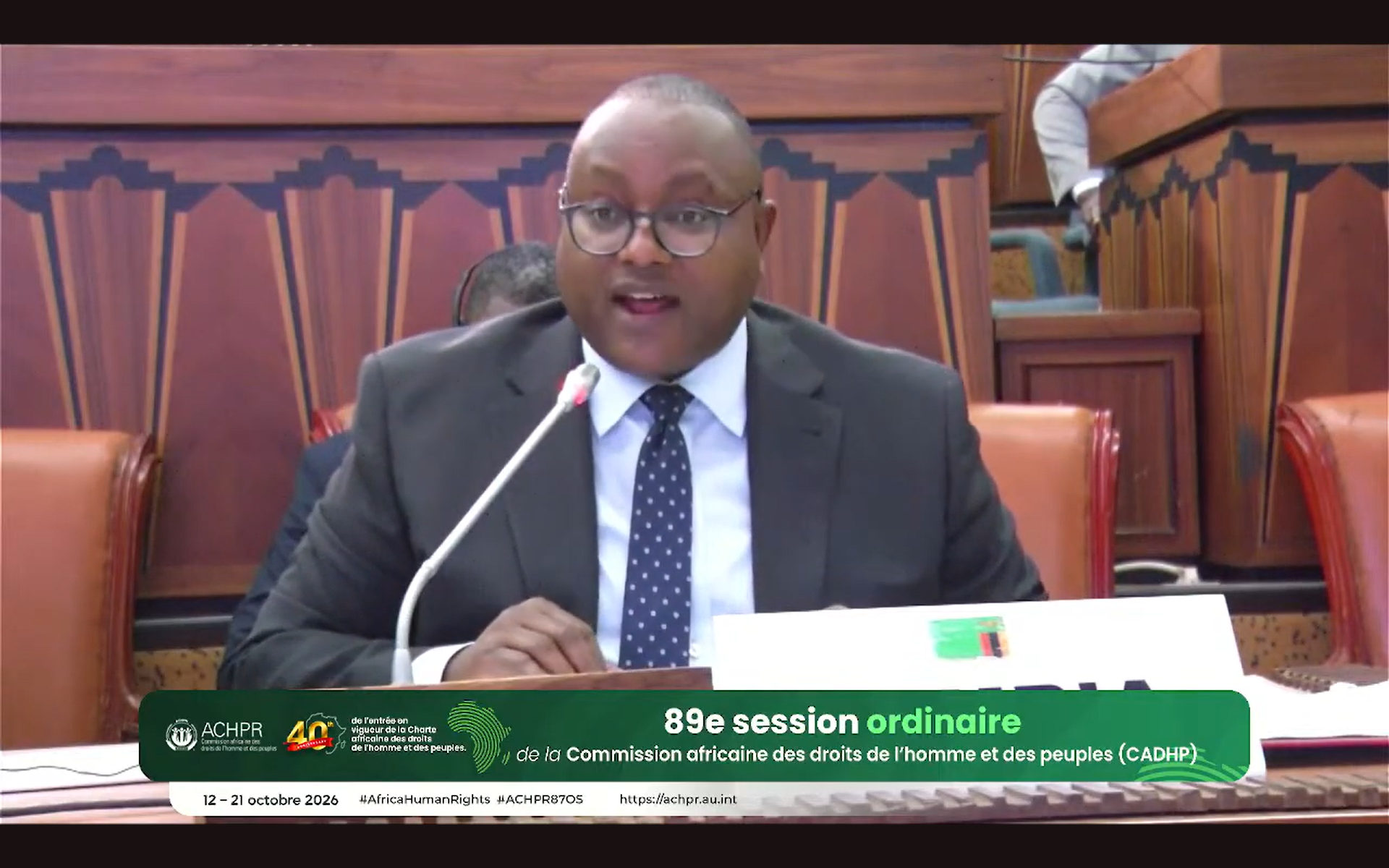
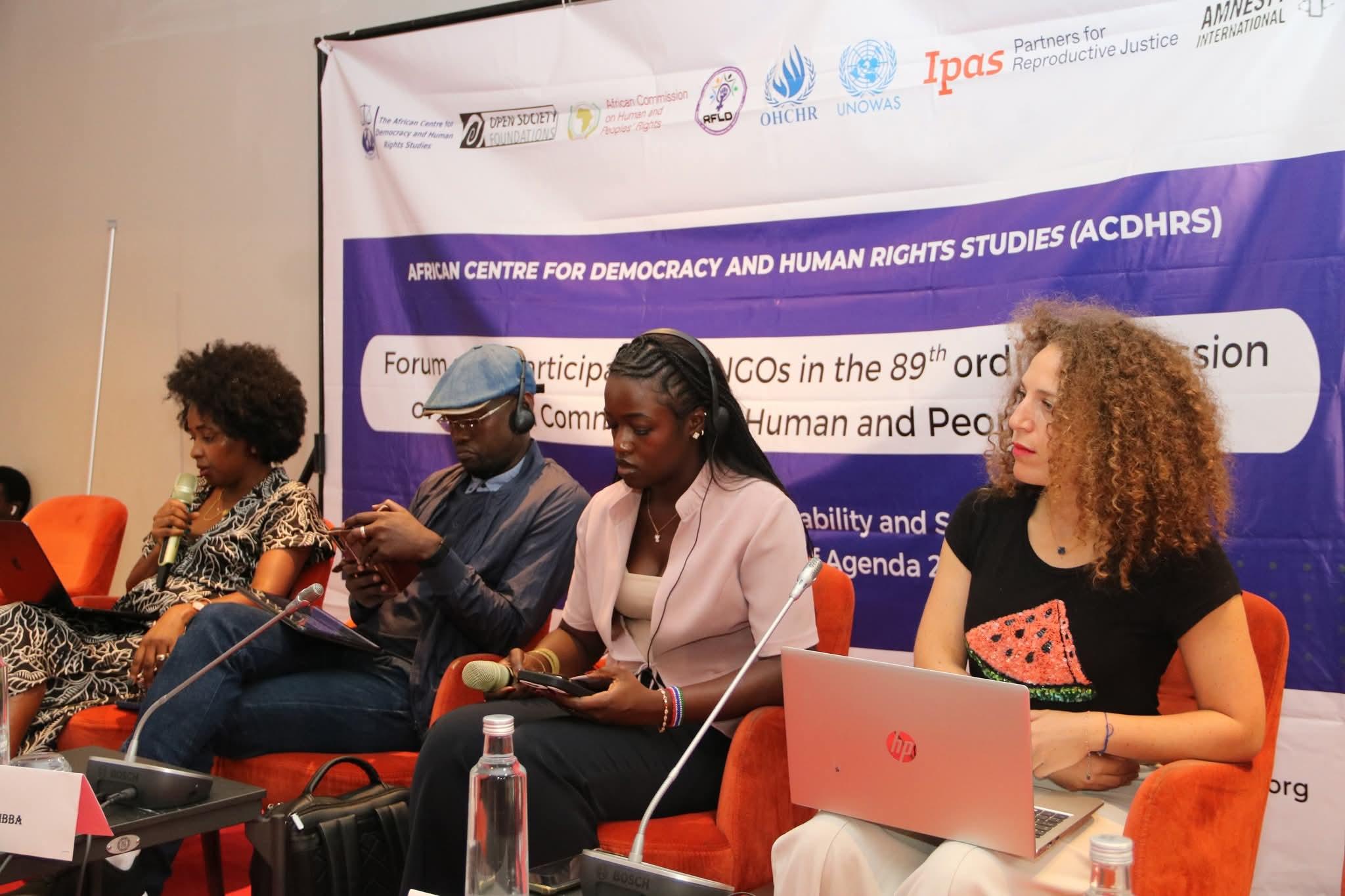
On 14 October, Observatoire pour la protection des Défenseurs des Droits Humains (OMCT, FIDH), and Reporters without borders, organised a side event on ‘Shrinking of civic space in the Sahel: what are the consequences for journalists and civil society’.
The event was co-sponsored by ISHR, REPRODES, Amnesty International, KISAL, FIACAT, ROADDH, Tournons la page and African Defenders – DefendDefenders.
‘What happens to human rights when those who defend them are subjected to attacks?,’ asked ACHPR Commissioner Salma Sassi-Safer, laying the basis for discussions.
Indeed, journalists play a key role in the preservation of rule of law, democracy and the respect of rights. Through their work, they facilitate the enjoyment of the right to access information which is essential for the enjoyment of other rights.
However, in Burkina Faso, Mali, Niger and increasingly in Guinea, attacks are directed to journalists. In fact, under the scope of the fight against terrorism, the regulation of cybersecurity and cyber-criminality, preservation of public order and national interests, States are repressing the work of numerous journalists subjecting them to surveillance, intimidations, online harassment, abductions, enforced disappearance, transnational repressions, arbitrary detention, and imprisonment.
Giving concrete examples such as Moussa Kaka and Moussa Tchangari from Niger, Youssouf Sissoko from Mali, and several others of the region, panellists expressed their concerns for the preservation of human rights in such contexts.
Furthermore, a presentation by FIDH revealed that these attacks have also been expanded to lawyers that try to defend such cases, indicating that no one seems to be spared in the Sahel.
In response to this situation, which undermines both human rights defenders on the ground and civil society’s overall ability to document cases, the panellists called on the African commissions to take concrete measures to protect of civic space in the countries concerned and to develop adequate, prompt responses to the situation in Sahel.
Speakers also urged States to align the restrictions on rights with the principles of equality, necessity, and proportionality of international existing standards.
Overall, panellists stressed that press freedom should not be put on hold in times of crisis and that States should not choose between respecting of human rights and fundamental freedom, on the one hand, and security, on the other.