HRC63: human rights defenders remind Niger of its international commitments
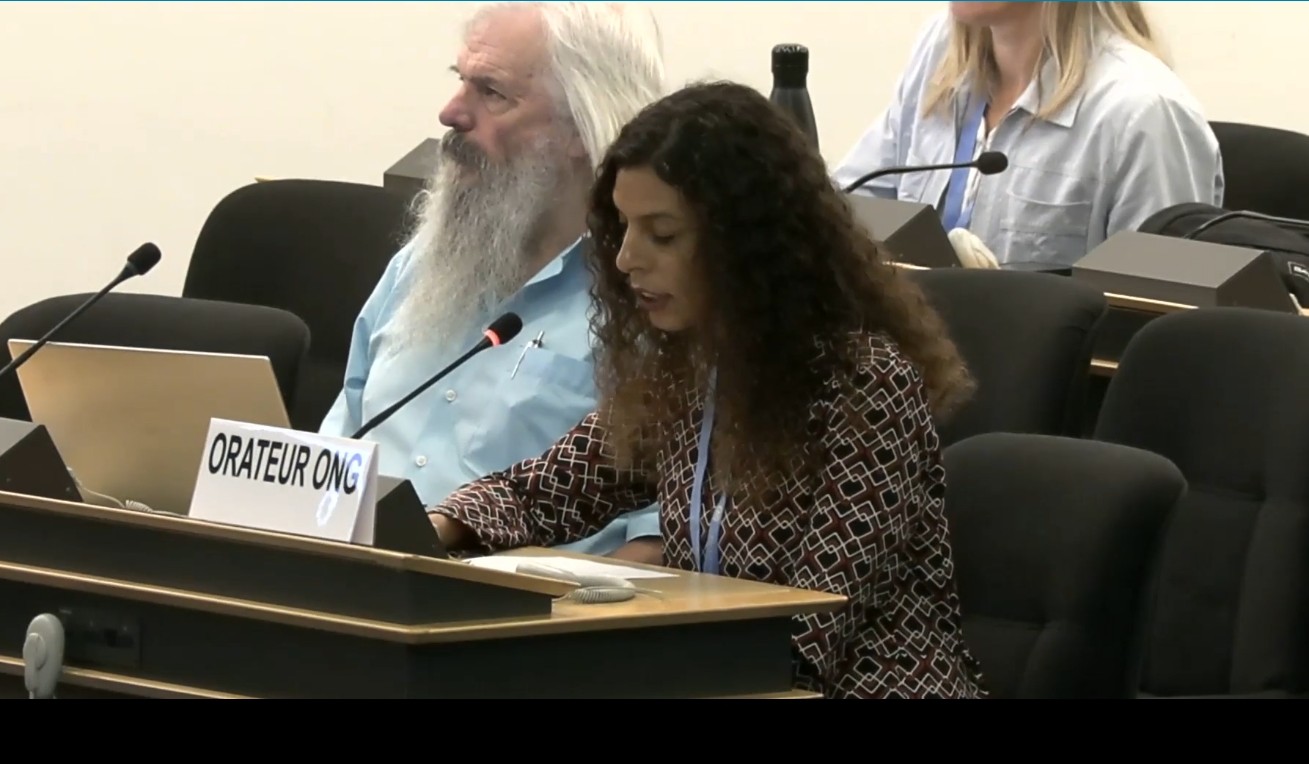
On 25 September, a delegation from the Government of Niger presented its report to the Human Rights Council as part of the fourth cycle of the Universal Periodic Review. Of the 265 recommendations received, Niger took note of 11 and accepted 254, including 23 relating to the protection of human rights defenders and their working environment.
Despite Niger’s efforts to protect human rights defenders within its territory through the significant adoption of the Law on the Recognition and Protection of Human Rights Defenders in 2022, the law is struggling to be effectively implemented.
This statement therefore highlighted with concern the gap between commitments and the reality on ground, characterised by a persistent deterioration in civic space, as detailed in the joint report submitted.
Whilst independent civil society organisations face threats of dissolution and administrative restrictions on their activities, intimidation, judicial harassment and arbitrary arrests – based on repressive provisions of the Criminal Code and Ordinance No. 2010-05 on cybercrime – continue against human rights defenders, journalists and civil society actors. Freedom of assembly is subject to authorisation requests, which are systematically refused on security grounds.
ISHR has therefore recommended:
Immediately and unconditionally release all those arbitrarily detained for exercising their fundamental freedoms, and cease all intimidation and reprisals against human rights defenders and journalists.
Repeal or amend the Cybercrime Ordinance and the Criminal Code to decriminalise offences relating to the press and freedom of expression.
Fully restore the freedoms of peaceful assembly and association by lifting the de facto ban on demonstrations and ensuring a safe and enabling environment for civil society.
Implement the law protecting human rights defenders and establish a national mechanism for their protection, in consultation with civil society.
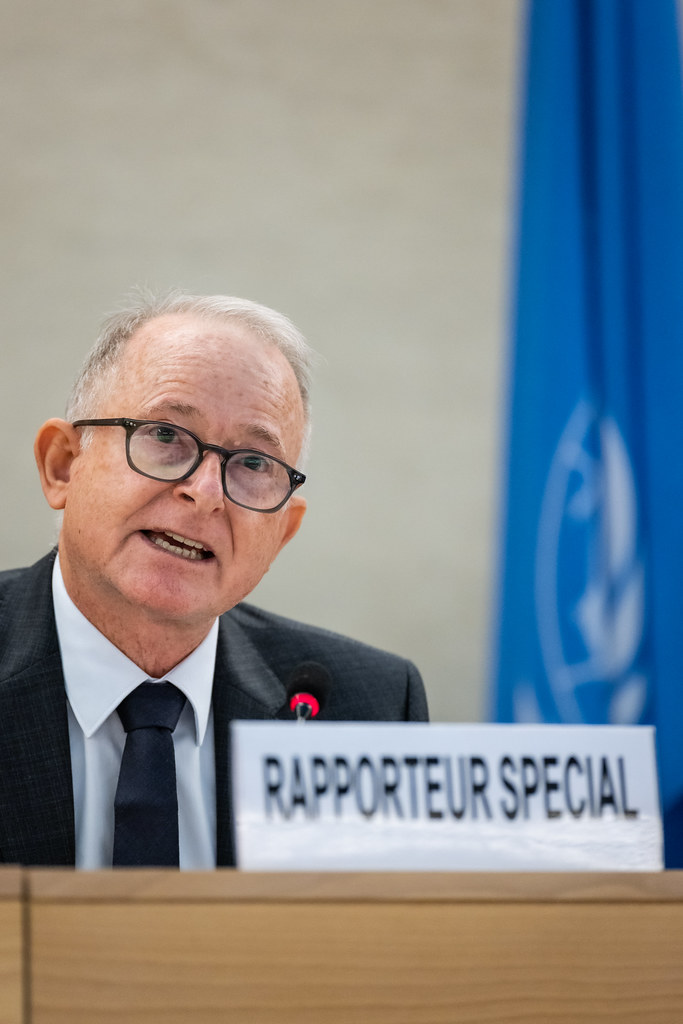
Extend a standing invitation to the special procedures, in particular the Special Rapporteur on human rights defenders.
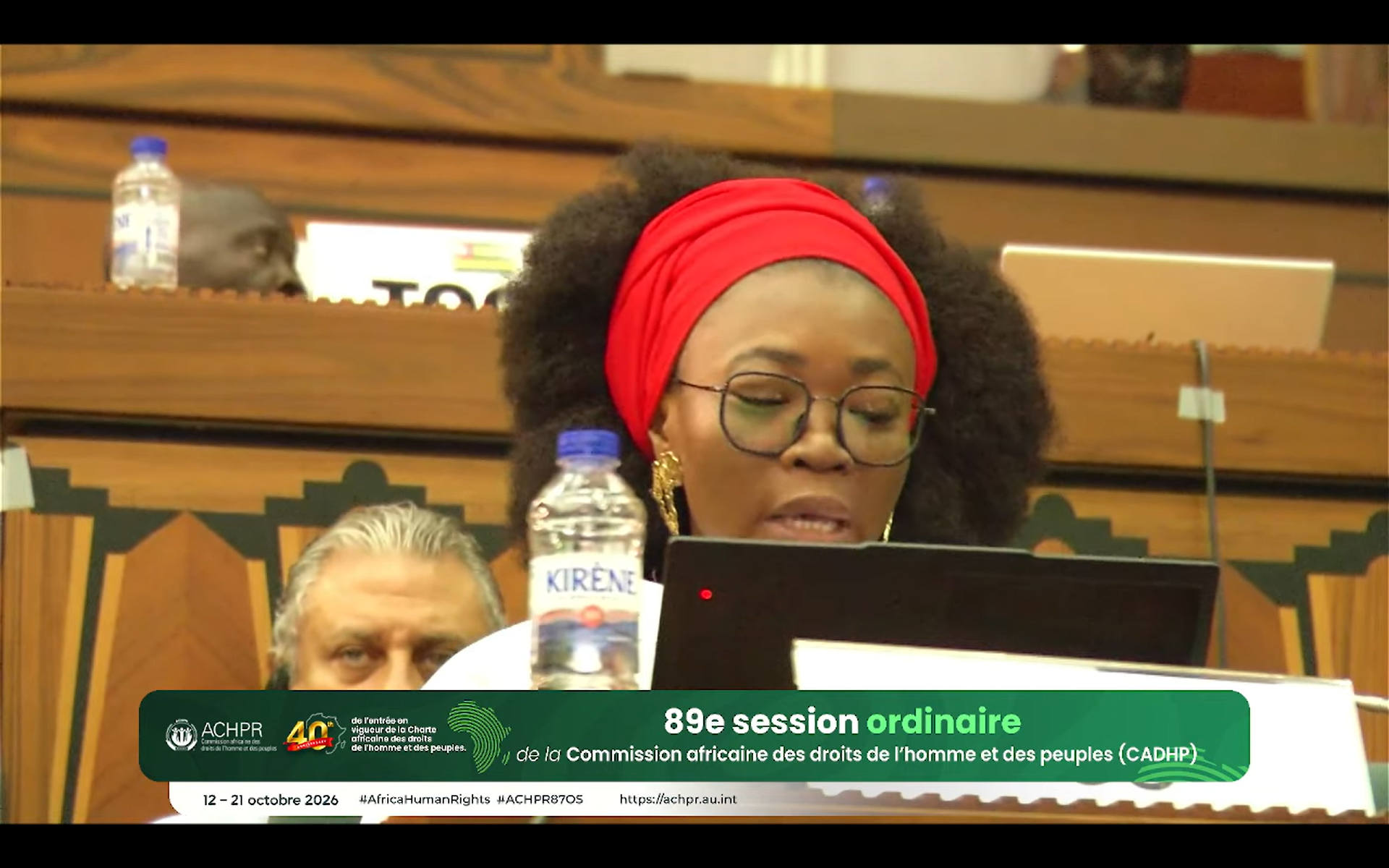
During the 89th ordinary session of the African Commission on Human and Peoples Rights (‘the African Commission’), ISHR shared concerns about the situation of human rights defenders in Cameroon, Zambia and Guinea, especially in regards to the restrictive legal framework they work in and drew their attention to the state of civic space in Africa.
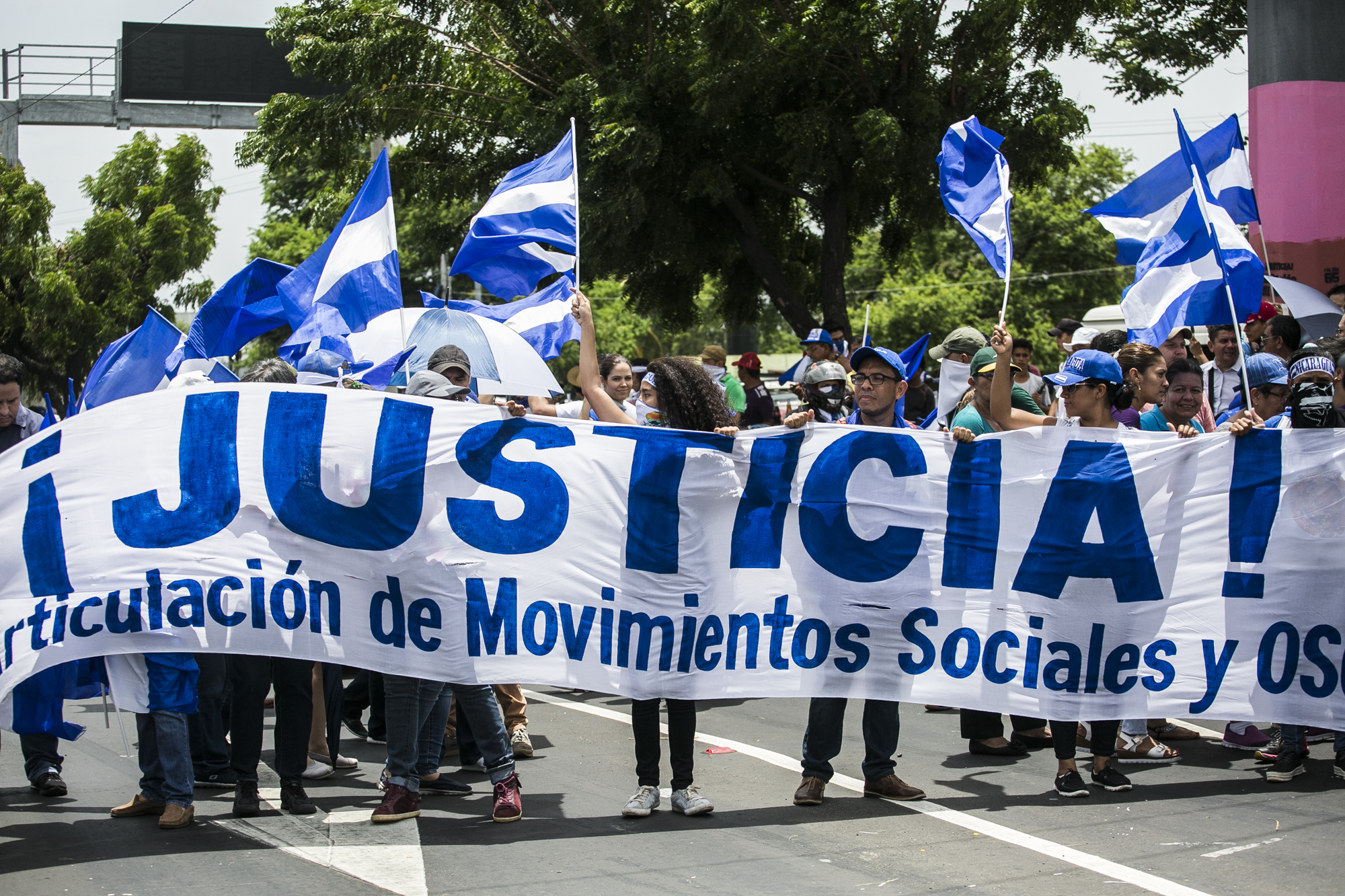
At the Human Rights Council's session, 47 States jointly denounced the dismantling of democracy in Nicaragua, while UN experts presented new evidence of systematic repression, enforced disappearance and deaths in State custody.
The Human Rights Council has renewed the mandate of the Special Rapporteur on Afghanistan for another year, maintaining dedicated scrutiny of the rights of women and girls. ISHR welcomes the renewal and calls on States to make sure the new Independent Investigative Mechanism for Afghanistan is up and running without delay.