
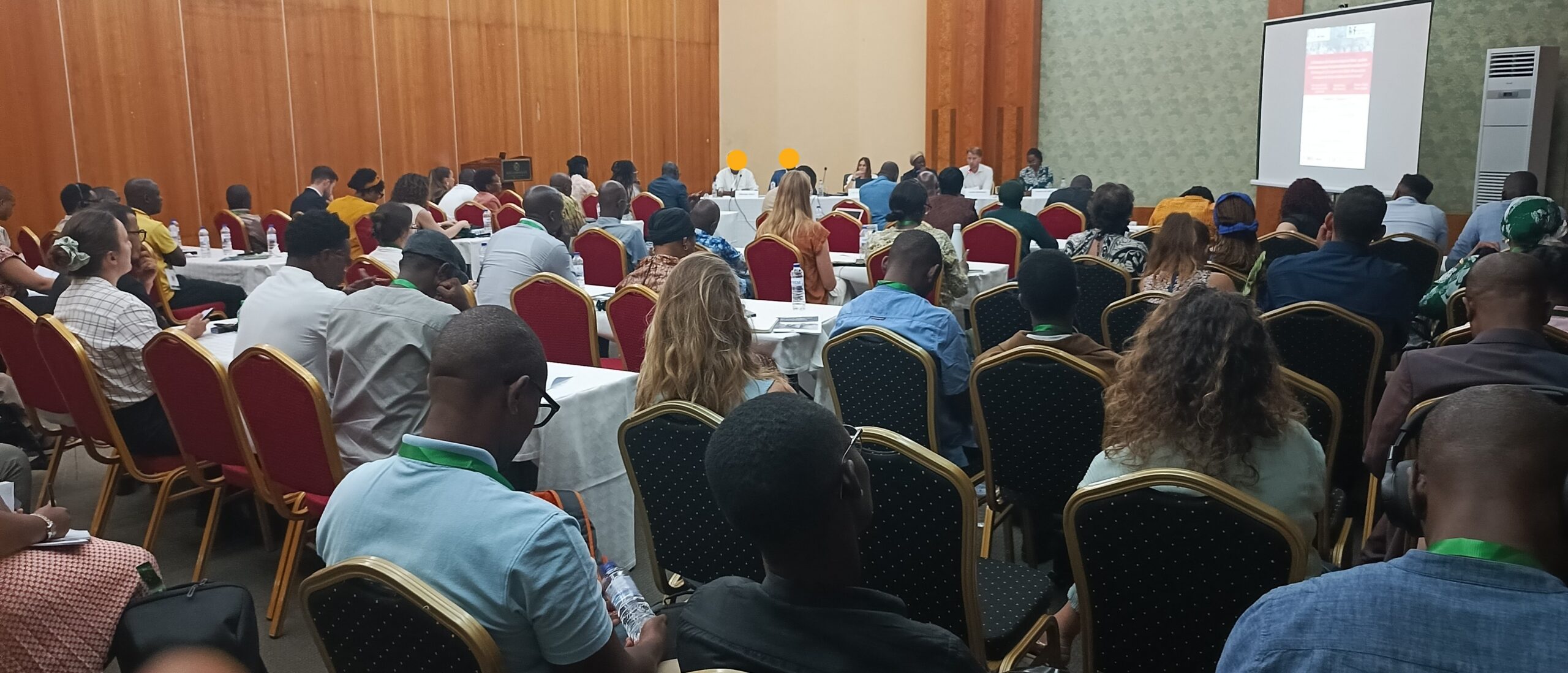
ACHPR89: Civic space, press freedom alarmingly constrained in the Sahel
At the margins of the 89th session of the African commission, civil society groups discussed the growing challenges and threats weighing on journalists working the Sahel.
Naama Asfari © Antony Jean

Relatives of Sahrawi human rights defender Naâma Asfari have alerted that he and eight other detained activists have renewed their hunger strike on 23 September 2026.
Naâma Asfari’s family also reported that, during a phone call on 29 September, he confirmed to them that he had been transferred to a Marrakesh prison and that he was continuing the hunger strike he has been waging alongside his fellow detained activists since 23 September, despite attempts by Moroccan authorities to force him to end it.
Asfari is one of nine Sahrawi human rights defenders convicted in connection with the violent dismantlement of the Gdeim Izik protest camp in Western Sahara, in 2010.
In May 2026, the UN Committee against Torture reaffirmed its findings that Morocco’s detention of the activists linked to the Gdeim Izik camp pointed to ‘a consistent pattern of arbitrary arrests, solitary confinement, acts of torture or ill-treatment during interrogations, and the subsequent use of confessions obtained under duress in judicial proceedings’.
Earlier this year, Naâma Asfari went on a 47-day hunger strike between 8 June and 24 July, which he dubbed the ‘Battle of Dignity’, and which aimed to protest against Morocco’s unwillingness to abide by UN calls to improve his and his colleagues’ detention conditions and work towards their release.
Asfari had originally ended this hunger strike following a visit from a delegation of Morocco’s General Delegation for Prison Administration and Reintegration. During that visit, the delegation had reportedly committed to transferring him to a prison closer to his family’s place of residence, responding to one of the demands that prompted his strike.
ISHR remains gravely concerned by the risks posed to Asfari’s health and calls on the Moroccan authorities to take urgent steps to safeguard his life and physical integrity. We also urge Morocco to abide by recommendations of the UN human rights system and implement the decisions of the Committee against Torture and the Opinion of the Working Group on Arbitrary Detention without further delay.
At the margins of the 89th session of the African commission, civil society groups discussed the growing challenges and threats weighing on journalists working the Sahel.
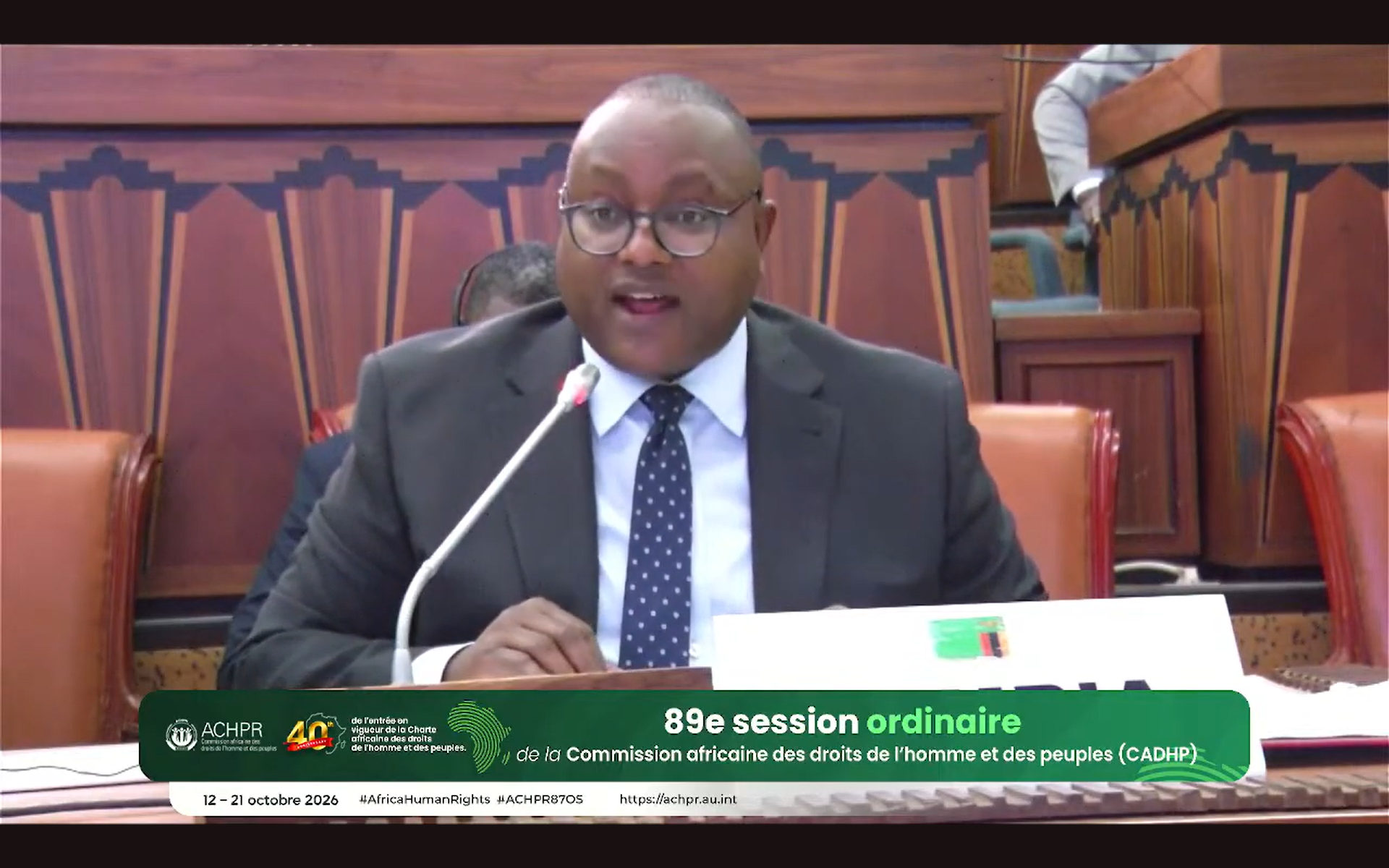
Zambia must ensure that human rights defenders can speak out, organise and work freely. In a joint submission to the African Commission, ISHR, SACCORD and ZNHRD highlight restrictive legislations and call for progress towards the adoption of the law for the promotion and protection of the rights of defenders.
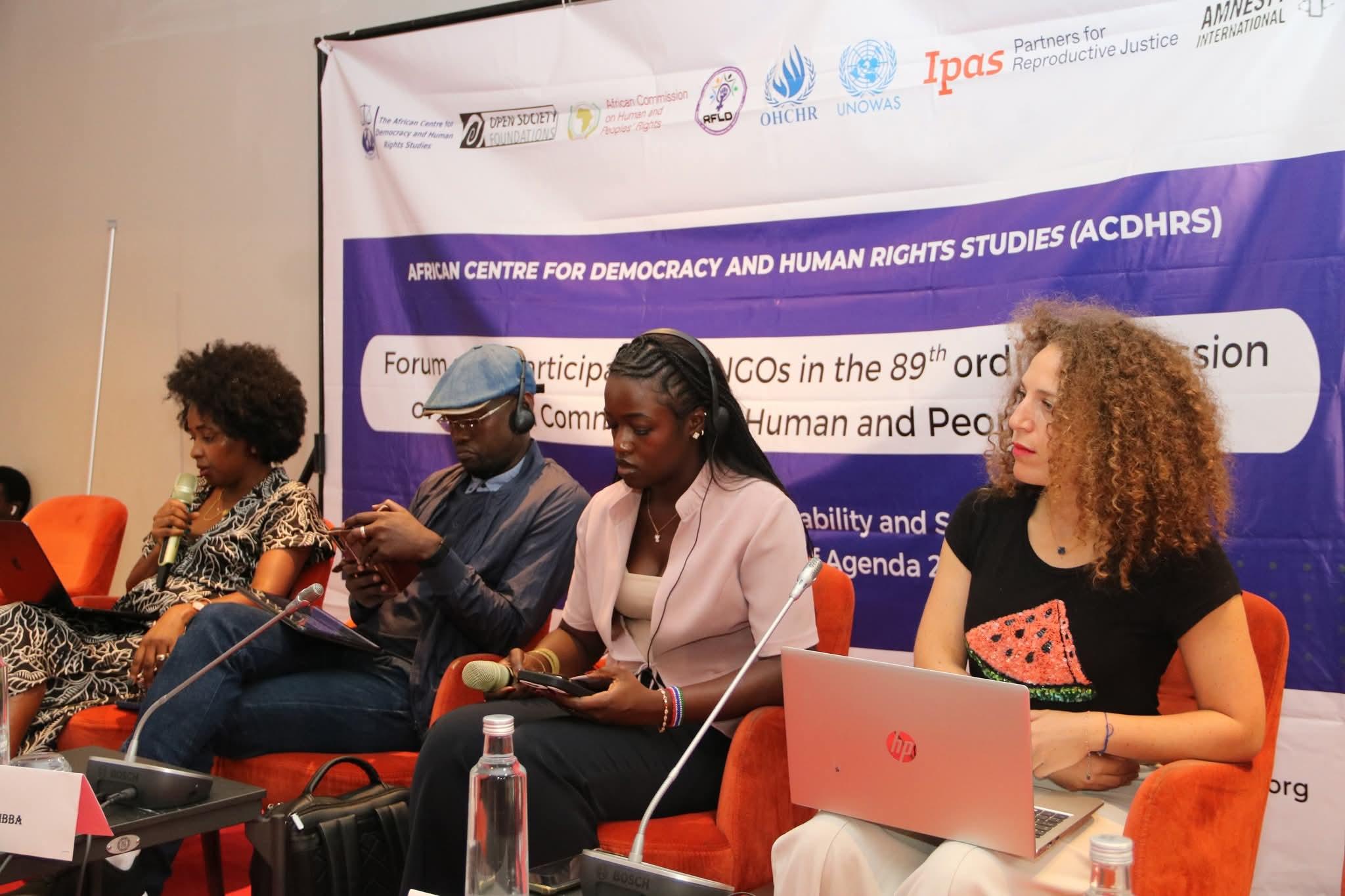
At the NGO Forum ahead of the 89th session of the African Commission, a high-level panel discussion tackled the growing issue of transnational repression in Africa.