Africa, Asia, Europe, Latin America & Caribbean, Middle East & North Africa
Training
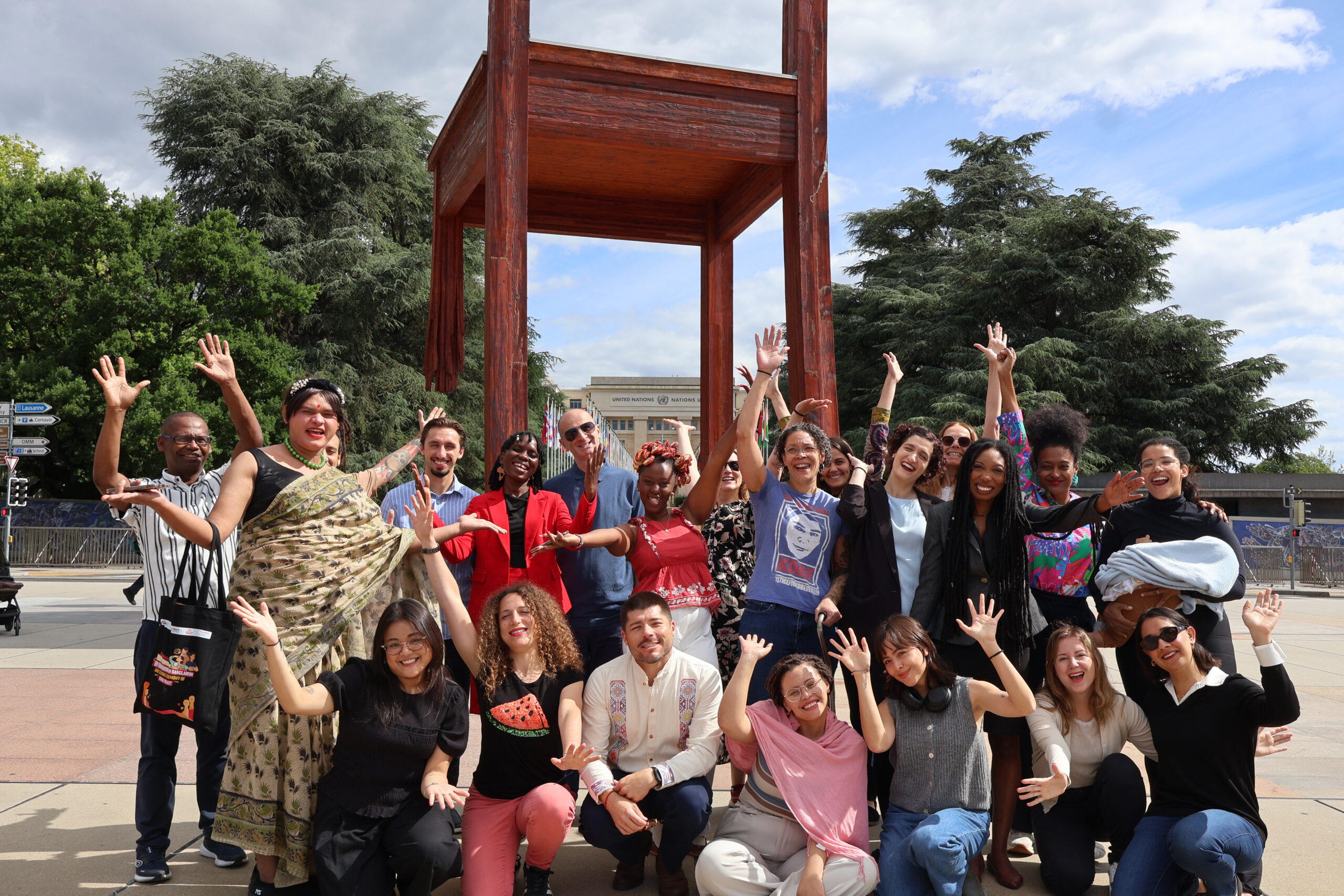
HRDAP26: Eleven defenders tackled democratic backsliding, racial justice through the UN system
This year eleven activists completed ISHR’s flagship training, the Human Rights Defender Advocacy Programme, to strengthen their advocacy skills and develop an individual roadmap to push for change in their country.
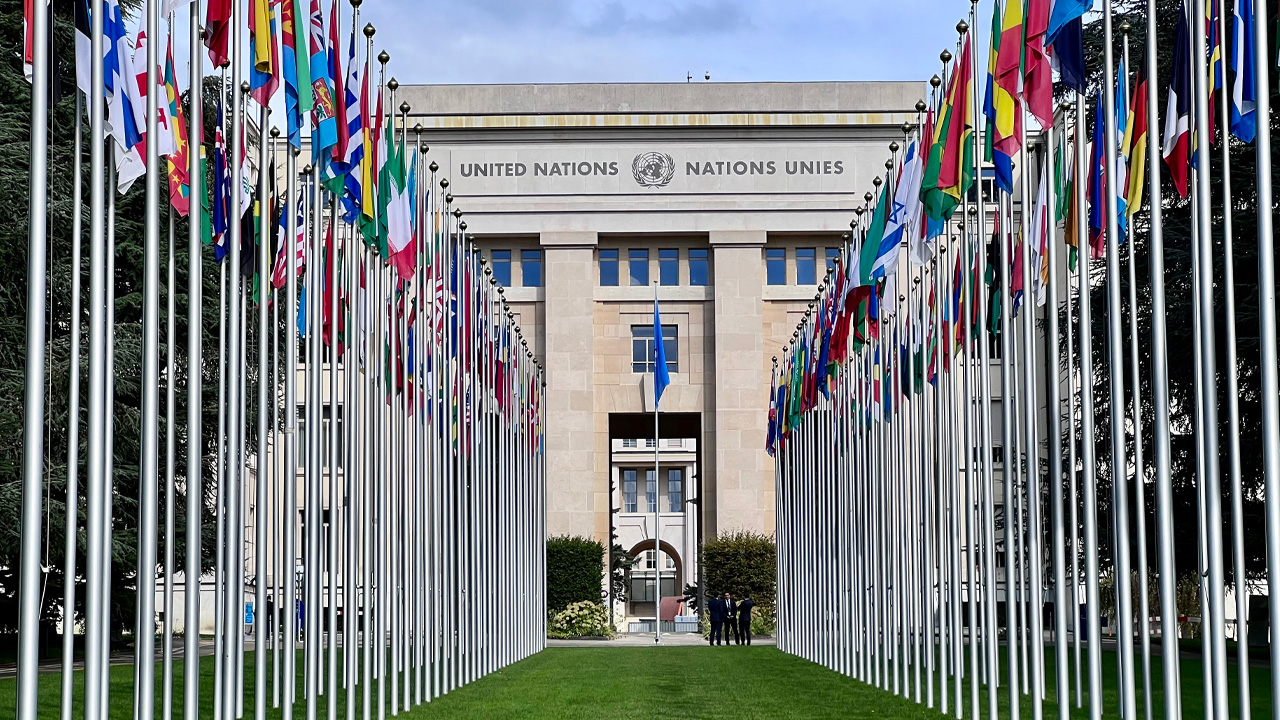
From 13 to 19 June 2026, eleven activists from ten countries were in Geneva for the in-person part of the Human Rights Defender Advocacy Programme (HRDAP), held during the 62nd session of the UN Human Rights Council. This followed two intensive online courses on UN human rights mechanisms and advocacy techniques.
Meet the HRDAPers
For the first time, this year’s programme worked across two thematic lenses — anti-racism and democratic backsliding. On racial justice, we welcomed: Diáspora Africana de la Argentina (DIAFAR), representing Argentina’s African diaspora; Geledés – Instituto da Mulher Negra, a Brazilian organisation defending Black women and Black communities against racism and sexism; the Daunte & Kobe No More Names Initiative, defending civil rights and community safety in the United States; Groundation, a grassroots organisation tackling social issues in Trinidad and Tobago; and The Nama Traditional Leaders Association (NTLA), advocating for indigenous land rights and rural and marginalised youth in Namibia.
The following groups worked on democratic backsliding: Civil Association for Equality and Justice (ACIJ), pushing for more inclusive and transparent democratic institutions in Argentina; and The Families of Victims of Involuntary Disappearance (FIND) advocating for the disappeared in the Philippines; Kenya Ni Mimi, a youth-led campaign putting young people at the centre of nation-building; Freedom Hive Uganda, empowering people to advocate for gender equality, civic rights, and climate justice; Pathchola Foundation, advancing social inclusion and LGBTIQAH+ rights economic empowerment in Bangladesh.
One participant cannot be named for safety reasons.
Fewer defenders made it to Geneva this year compared to previous HRDAP cohorts, not by choice but because of mobility and visa barriers activists face worldwide, including funding cuts, compounded this year by the heightened security and travel disruption surrounding the G7 summit in Evian and its wider effects on Geneva.
Some participants were questioned at length, airport after airport, about the purpose of their travel, and for some, simply arriving in Geneva felt like the hardest part of the journey. ’At one point I thought I was not arriving,’ said Norah Kobusingye from Freedom Hive Uganda. ’So I can’t believe I’m actually here.’
I think this course has a very special recipe, the right ingredients: theory, practice, contacts, visits to the UN, and engaging activities. The correct measures, in my opinion.
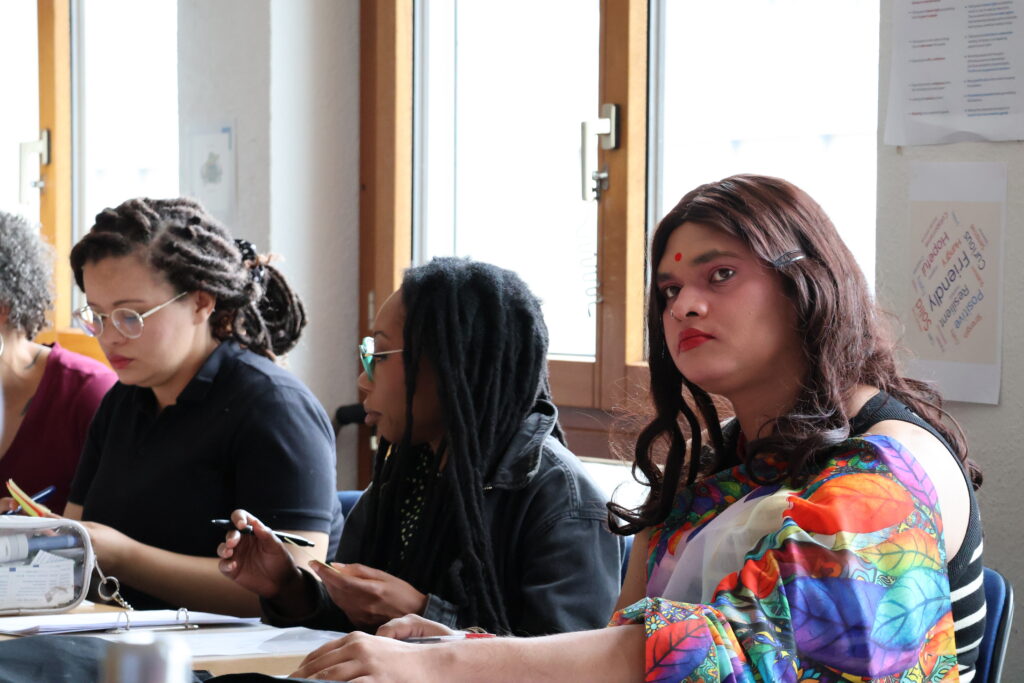
Through the programme, defenders worked collectively and in individual coaching sessions to practice advocacy techniques and sharpen their strategies before putting them to work: Engaging directly with human rights mechanisms to push for change.
During the Programme
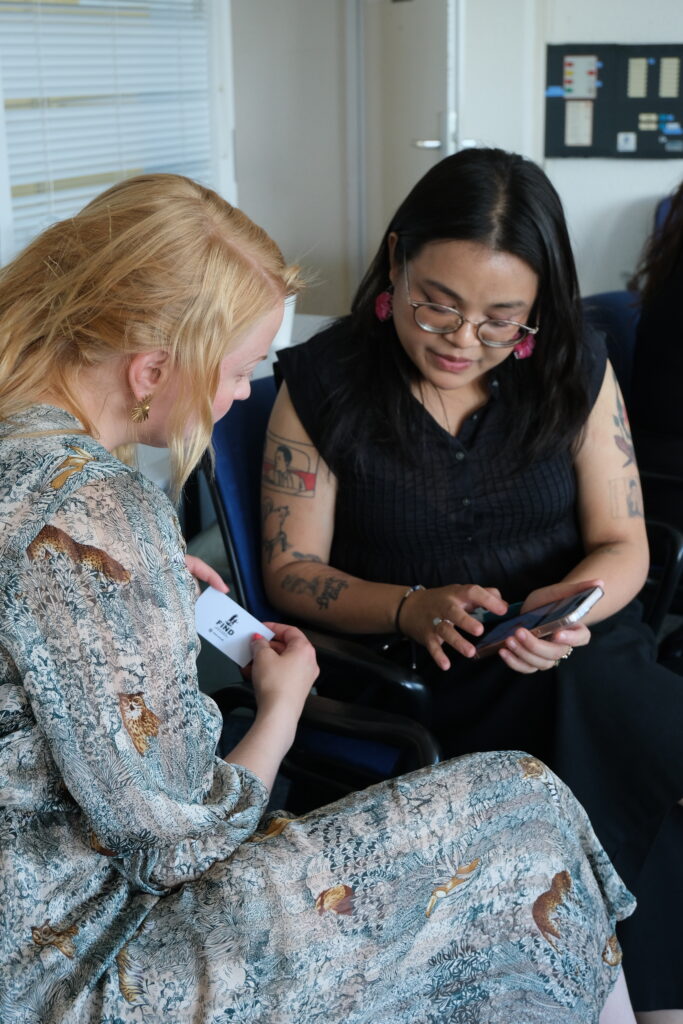
They built bridges with Special Procedures and senior UN officials, including at the Office of the High Commissioner for Human Rights. and with the Special Rapporteur on human rights defenders, as well as with mandate holders working on extrajudicial, summary or arbitrary executions, on the human rights of migrants, and on unilateral coercive measures; and the Head of the Special Procedures Branch. They also met and learned from civil society organisation experts, connected with diplomats, and discussed coalitions with Geneva-based NGOs.
I would describe HRDAP as one of the most practical and transformative human rights advocacy training programmes available. It combines high-quality learning on the UN human rights system with hands-on coaching, real advocacy planning, and meaningful networking opportunities.
What makes the programme unique is its hybrid design: Online learning gives defenders the flexibility to prepare at their own pace, while in-person sessions create space to revisit open questions, exchange experiences, and turn that learning into practice.
Together, these sessions help defenders build effective narratives and craft an Advocacy Roadmap, a guide not just for the week ahead, but for their work as activists long after Geneva.
Apply to HRDAP! It has meant so much to me — it's helped me look at my advocacy strategy in a completely different way. If you consider yourself a human rights defender, HRDAP is the perfect platform to help you grow and shape that.
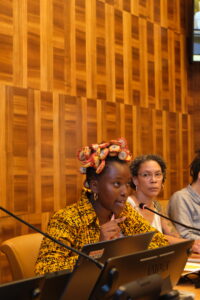
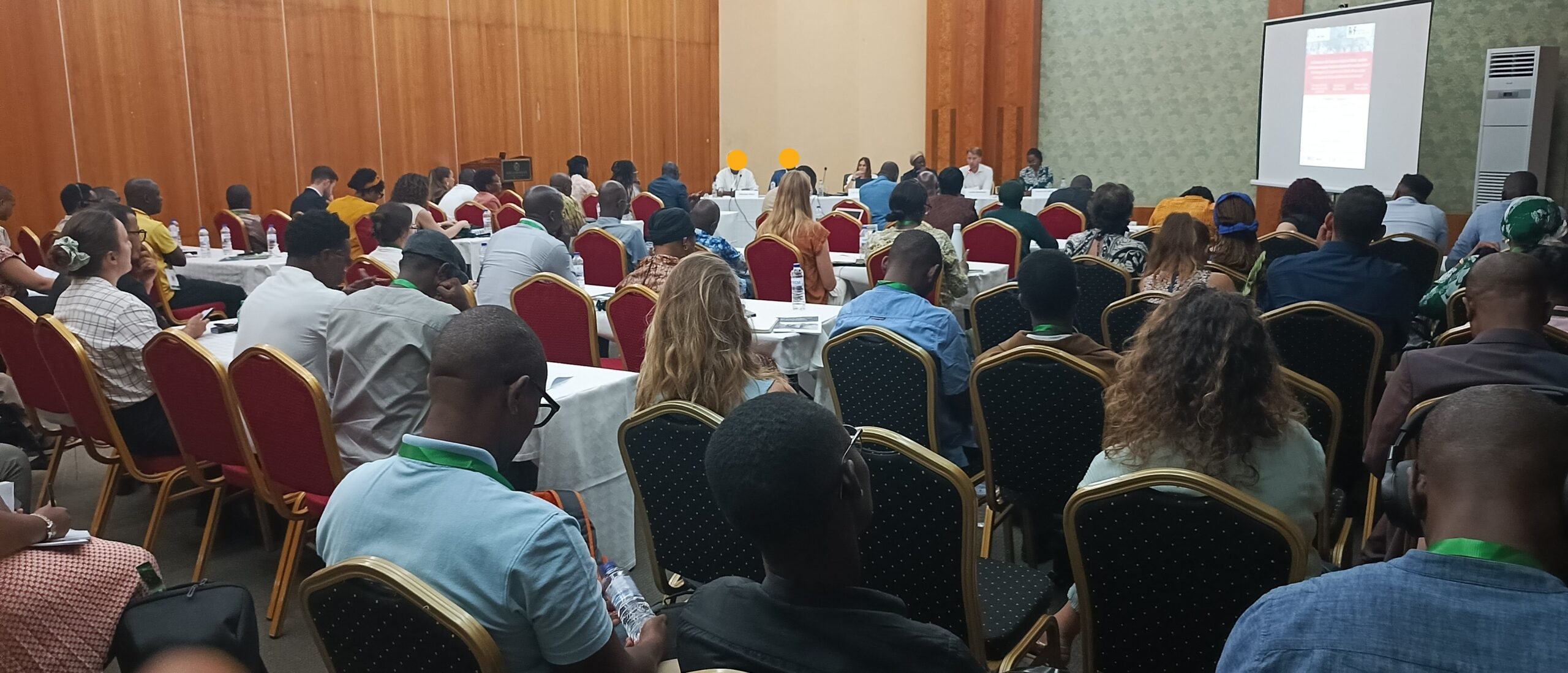
HRDAP participants also took part in a side event at the UN, at the margins of the Human Rights Council.
The event tackled anti-racism, where defenders and activists examined how systemic discrimination and democratic backsliding are deeply intertwined. Diplomats and NGO representatives filled the room to hear directly from the defenders.
Defenders also got the opportunity to deliver statements at the Council.
In addition, part of the programme focused on the mental health and wellbeing of defenders. ISHR has seen how essential this is, not only when dealing with the injustices and hard experiences many defenders live through, but as a form of resistance that helps them keep doing this invaluable work.
This year, HRDAP26 introduced a dedicated wellbeing workshop, recognising that activist mental health is too often an afterthought. ’I’m reminded of my own agency,’ said Cecille Baello from FIND. ’Being empowered to hold space for myself, not just for others, has been a real shift.’
This experience has changed my life and I am grateful for all the wonderful people I met. I have never learnt so many applicable things in such a short time. This gives me hope for humanity that there is such a strong team of people that are consistently building up human rights defenders. I think the social part of all of this is so important and our mental health.
Adeola Young, Groundation, Trinidad and Tobago
What comes next?
HRDAP doesn’t end when defenders leave Geneva. Many already have plans to build projects, bridges, and coalitions together, having found strength and motivation in one another. ISHR seeks to keep this network alive, working continuously to improve and personalise the programme, staying in touch with defenders from as far back as the first cohort in 2014.
This year’s group may have been smaller, but the programme’s ambition hasn’t shrunk. It has adapted: Hybrid participation, new regions represented, and wellbeing built directly into the curriculum. Asked in a survey, 100% of HRDAPers said they were satisfied with the hybrid course, felt part of a wider defender community, and expanded their networks through UN expert meetings.
To all defenders out there building a better world: Thank you. We are equally grateful to our donors and partners for making this work possible. We now look ahead to the next generation of defenders — applications for HRDAP27 open later this year.
Author
Columba Benitez
Columba is currently a master’s student in International and Development Studies at the Geneva Graduate Institute. Columba has a strong commitment to human rights advocacy and experience as an activist serving as a Head of Communications for the AgriFood Collective. Columba has worked on participatory research, environmental campaigns, and community-based advocacy initiatives in Mexico.
Ahead of the 89th session of the African Commission on Human and Peoples’ Rights, the NGO Forum convened an inaugural panel on advancing water justice and democratic inclusion for Communities Discriminated on Work and Descent in Africa.
At the margins of the 89th session of the African commission, civil society groups discussed the growing challenges and threats weighing on journalists working the Sahel.
UN experts officially warned Russian authorities they were looking at allegations of laws placing strict and discriminatory burdens on the work of Indigenous rights groups and activists.