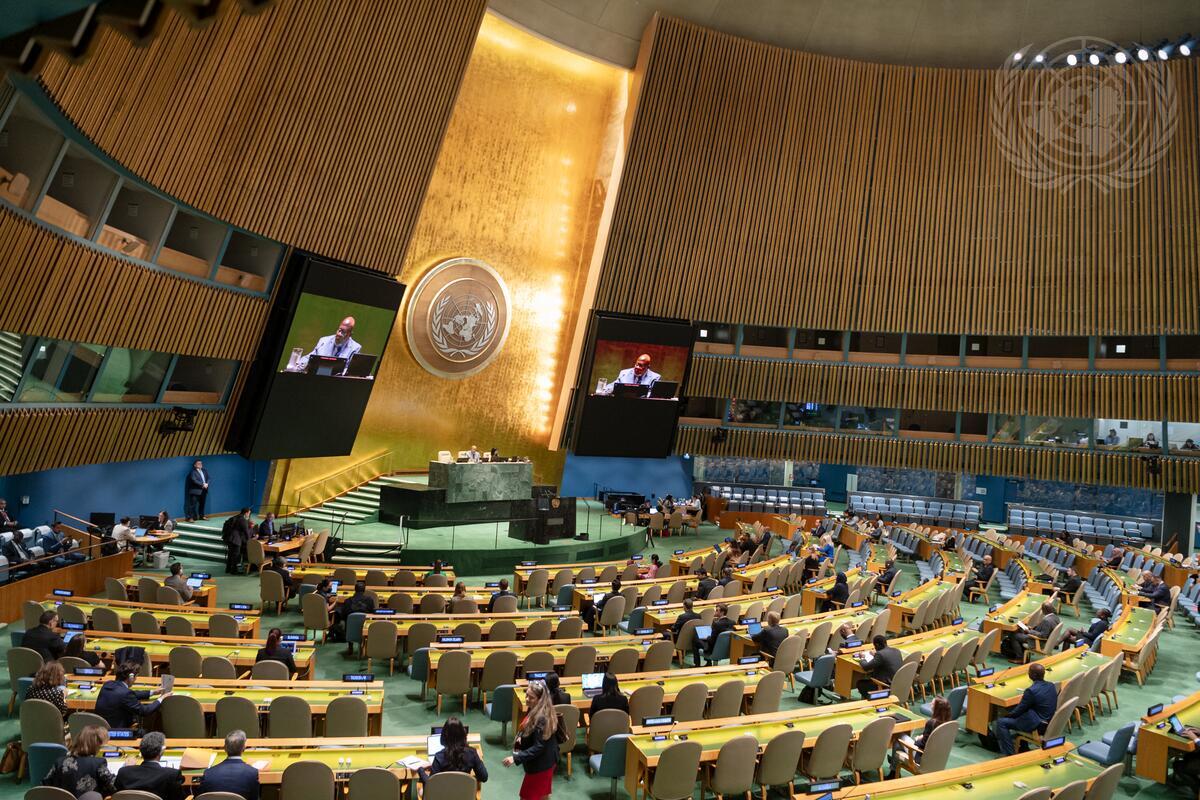
In the UN’s finance committee, horse-trading and deal-making are the norm. Efforts to improve the effectiveness of UN programmes collide with plans to shape spending to match national interests – which often means, not spending at all.
But today, says ISHR, the UN member States have a stark choice to make.
Delegates can back up their rhetoric about how human rights are an essential part of preventing violence and building peace, and pass a budget accordingly.
Or they can ignore the UN’s third pillar, and risk destabilizing the system and all that is has worked for.
As ISHR reported earlier this year, deep cuts to the proposed biennium budget have already forced decisions directly affecting human rights activities.
“The Secretary-General’s Rights Up Front initiative is already under pressure. With the latest round of proposed budget cuts, it would be gravely undermined,” says Eleanor Openshaw, ISHR’s New York director.
“Even worse, the discussion are happening, literally, in a back room – with little or no access for civil society to take part.”
The 2018-2019 budget negotiations within the UN’s Fifth Committee have been characterized by coverage from Foreign Policy and the New York Times as a power play by China and Russia that takes advantage of a pugnacious U.S. stance to UN spending.
“China has made clear, in New York and in Geneva, that it wants a say about how money is spent in the UN – and that has meant, in practice, funding security and development at the cost of human rights,” says Sarah M Brooks, ISHR advocate in Geneva.
“Setting aside China’s political ambitions, the reality of this policy on the ground is that it costs not just human rights, but may also cost human lives.”
Defenders from around the world have emphasized how important the UN human right presence is in areas of conflict.
Hassan Shire, Executive Director of African NGO DefendDefenders, emphasizes:
“Human rights components are indispensable elements of UN peacekeeping missions. Without respect for fundamental rights, there can be no sustainable peace.
“That repressive states are moving to get rid of human rights work in the UN’s peacekeeping architecture is no surprise. States that are committed to these goals, including the fight against sexual abuse, should now step in and provide the UN with the necessary resources.”
Openshaw concludes, “A decision to defund human rights is so short-sighted. It could have damaging, long-term impacts.
All States who want to see the UN act effectively to protect human rights, and to keep their commitments to ‘never again’, should keep this in mind.”
Contact: Eleanor Openshaw, Co-Director NY Office [email protected]
Photo: ISHR