
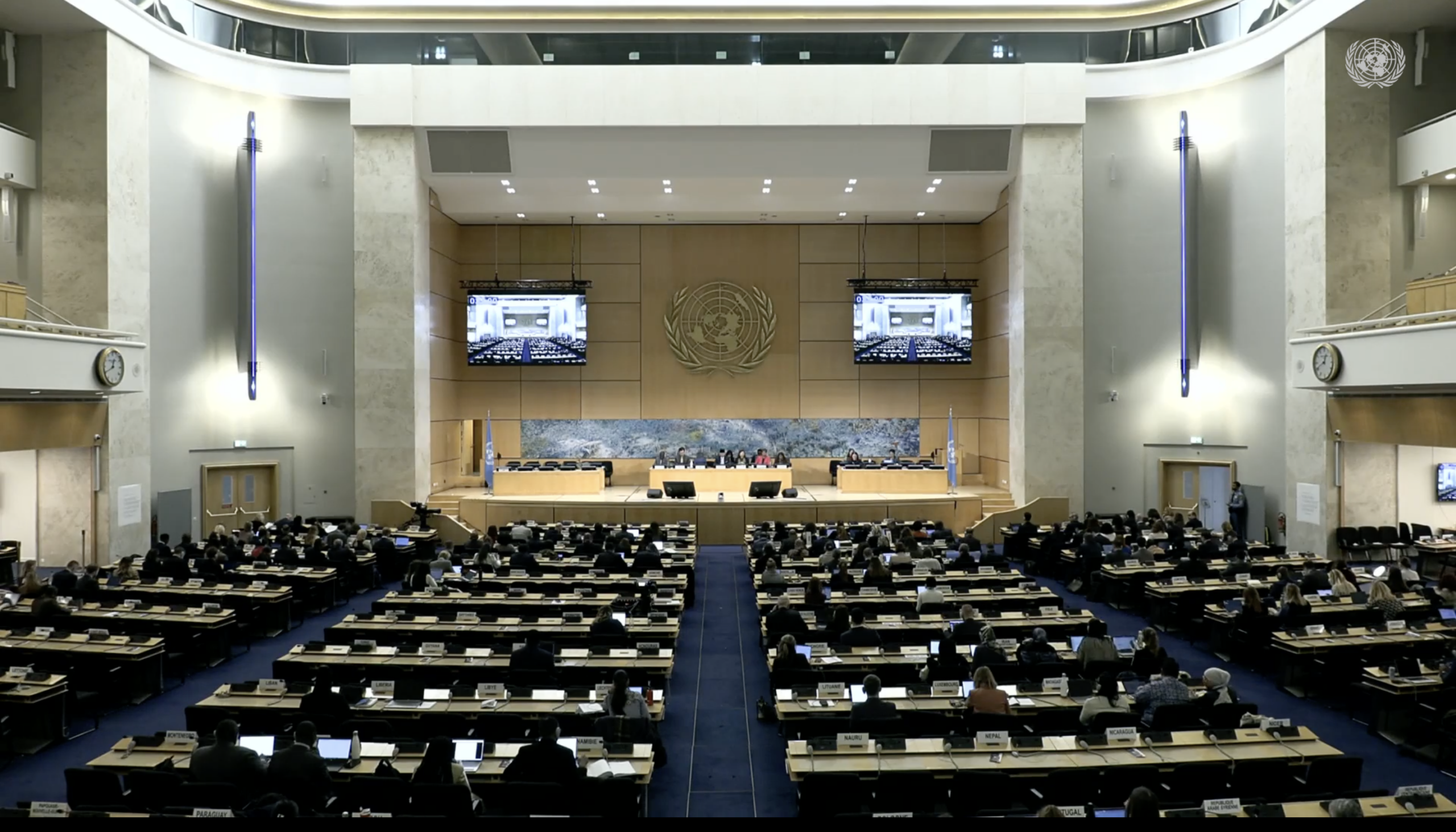
HRC62: Civil society presents key takeaways from the session
At the 62nd Human Rights Council session, civil society organisations shared reflections on key outcomes and highlighted gaps in addressing crucial issues and situations.
© ISHR
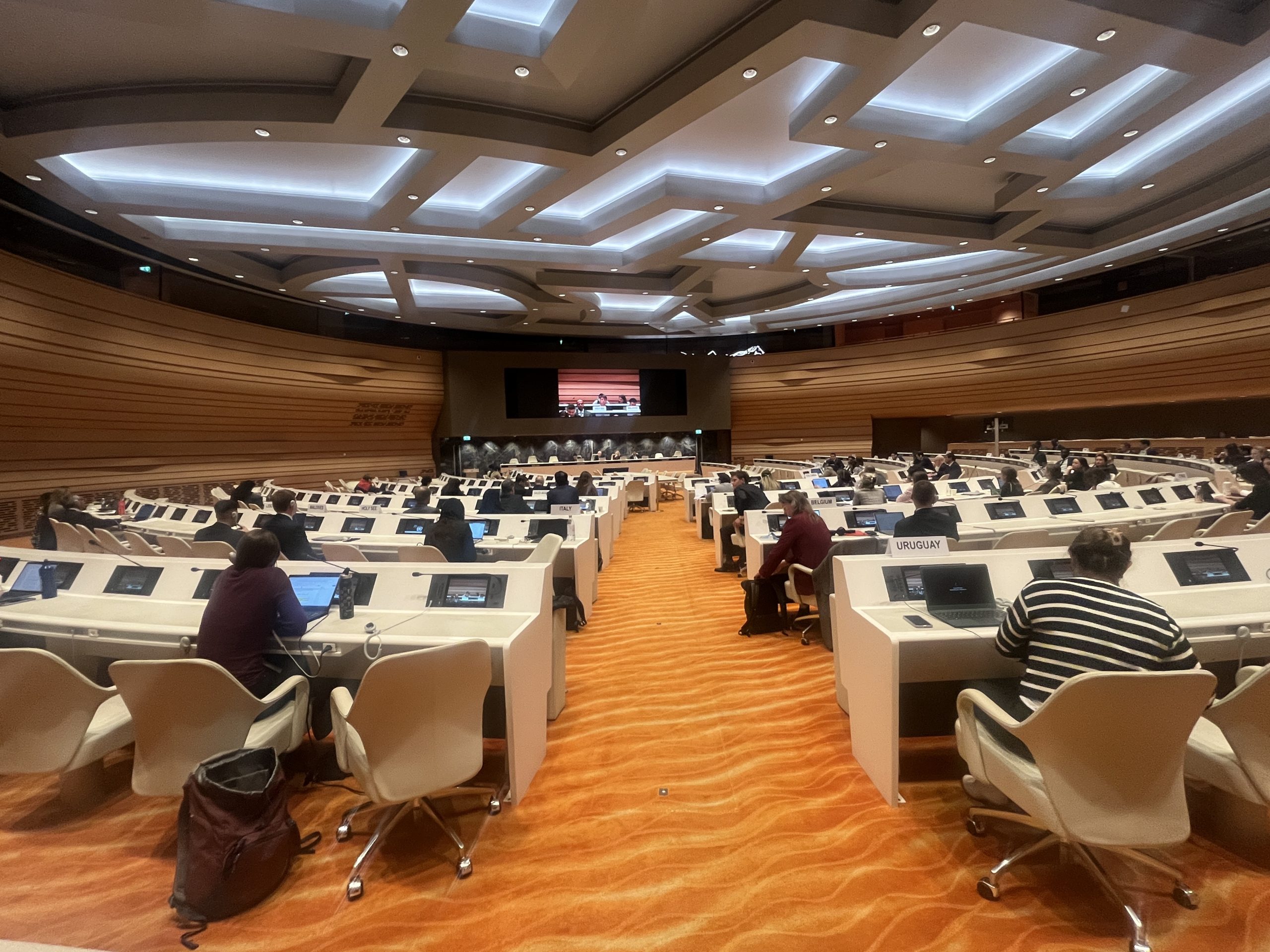
At the intersessional consultations for the legally binding instrument on transnational corporations and human rights, discussions focused on victims’ rights, protection measures, and access to remedy. ISHR called on States to center defender protections in the treaty, urging strong safeguards against reprisals and recognition of the right to defend rights.
At the first intersessional consultations of the legally binding instrument (LBI) on transnational corporations and human rights held on 15-16 April, States and stakeholders discussed key provisions of the treaty’s draft. They were guided by a non-paper produced by the legal experts aiding the consultations. The discussions focused on Article 4 (rights of victims), Article 5 (protection of victims), and Article 7 (access to remedy), aiming to clarify areas of divergence and explore possible paths toward agreement.
States debated how the treaty should list the rights of victims, the conditions for access to information, and the use of precautionary measures to prevent further harm to victims. A recurring issue was the distinction between ‘abuses’ and ‘violations’ and the implications of each term for corporate accountability and State obligations. Positions also differed on the inclusion of collective rights, the recognition of affected communities, and specific protections in conflict-affected areas. While some States pushed for stronger commitments on gender responsiveness and inclusive access to justice, others raised concerns around legal clarity, coherence with existing frameworks, and flexibility for national implementation. The relationship between judicial and non-judicial mechanisms and the possibility of collective or group actions remained central points of debate, but without an agreement at the end of the consultations.
In this context, ISHR called on States to place human rights defender protections at the centre of the treaty through a series of targeted interventions. In its general statement, ISHR welcomed the inter-sessional consultations but raised concern over the lack of hybrid participation to guarantee that different views could be expressed. ISHR also alerted to the risk of weakening language on human rights defenders, including the removal of references to the UN Declaration on Human Rights Defenders in the preamble. On Article 4 (rights of victims), ISHR urged the explicit recognition of the right to defend rights and strong safeguards against reprisals, including for defenders, their families, and supporters. Finally, in the debate on Article 5 (protection of victims), ISHR stressed the obligation of States to ensure a safe environment for defenders, including environmental human rights defenders, and called for aligning the language regarding human rights defenders to the highest international standards appearing in the UN declaration on Human Rights Defenders, the Declaration +25, and the Escazu agreement.
Further thematic consultations are planned for June and August, ahead of the 11th negotiation session of the IGWG in October. ISHR will continue to be an active participant in this process, advocating for the continued inclusion of protections for human rights defenders.
At the 62nd Human Rights Council session, civil society organisations shared reflections on key outcomes and highlighted gaps in addressing crucial issues and situations.
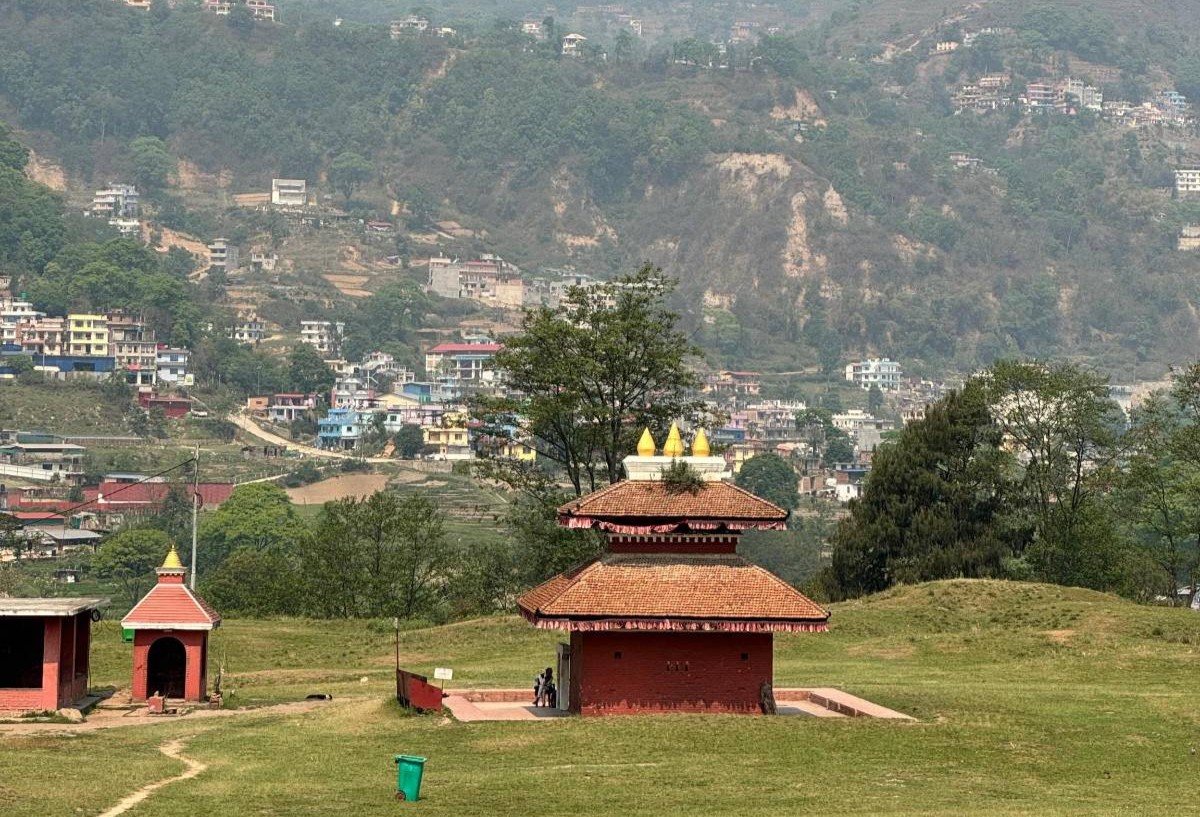
Despite Nepal’s international commitments, human rights violations against Indigenous Peoples continue. The new government has an opportunity to align its laws with international standards, ensure consent for projects affecting Indigenous communities, and protect the right to peaceful protest and the right to defend rights.
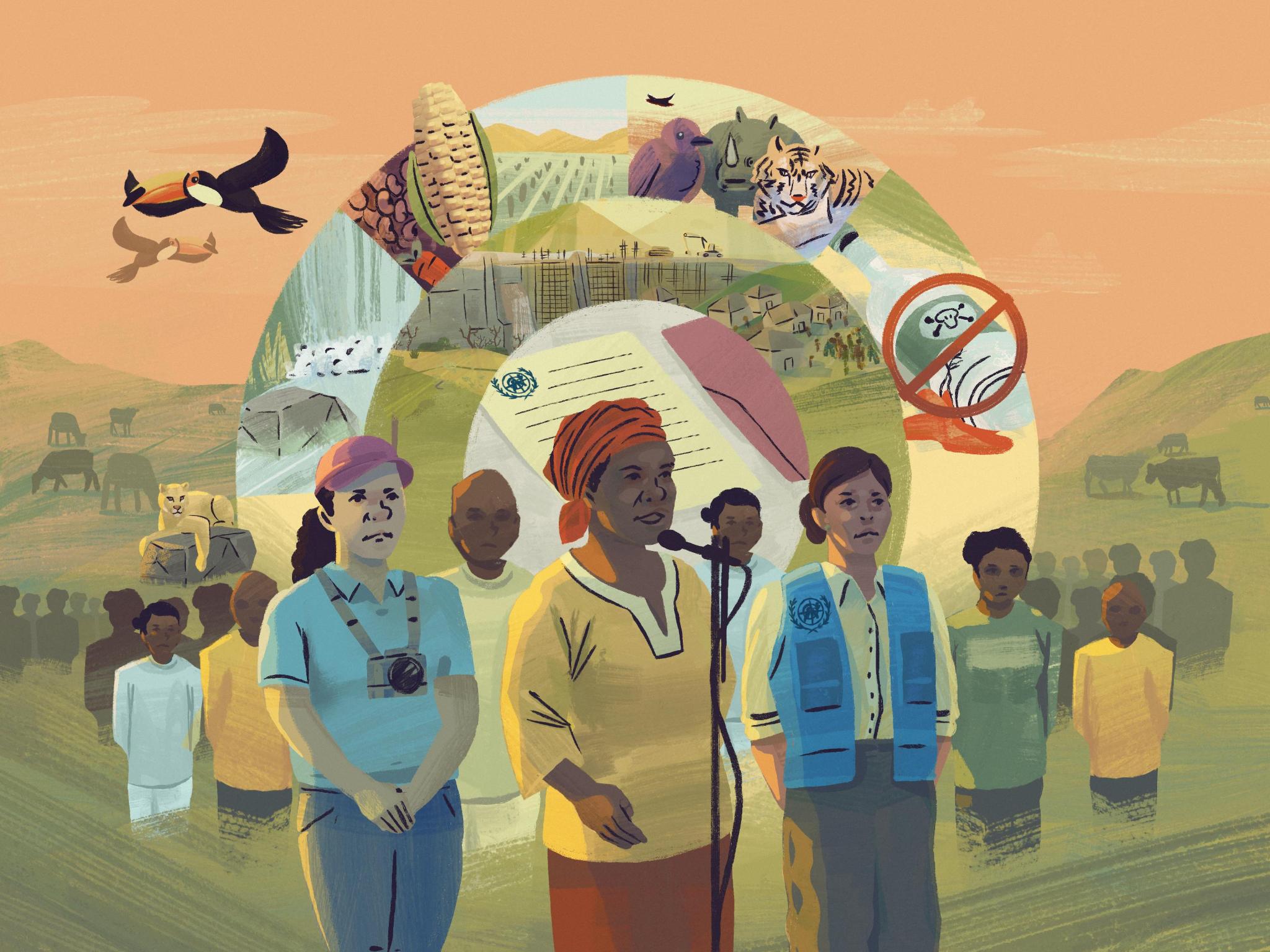
ISHR introduces a new on-line course on advocacy for environmental human rights defenders, a practical, self-paced resource for activists, community leaders, and allies to defend the right to a clean, healthy and sustainable environment using UN and regional mechanisms.