
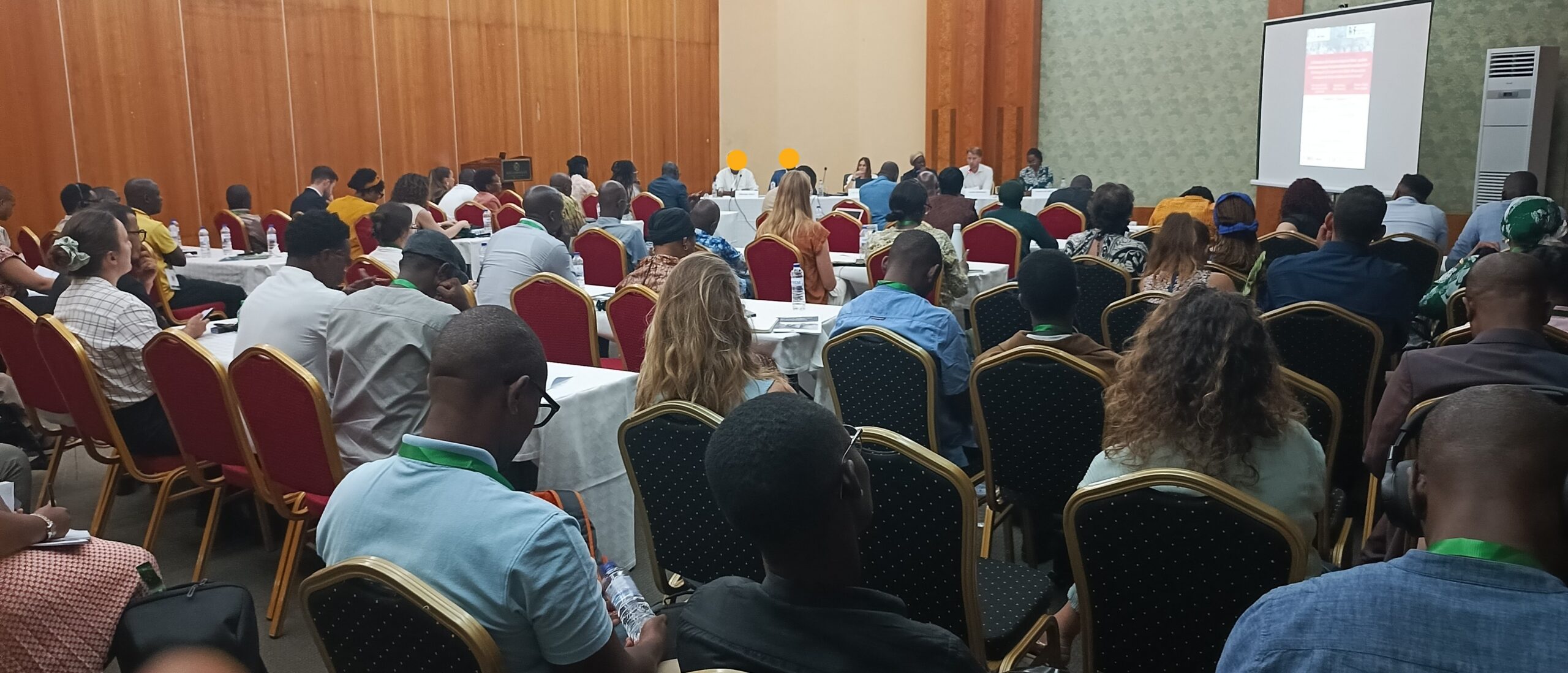
ACHPR89: Civic space, press freedom alarmingly constrained in the Sahel
At the margins of the 89th session of the African commission, civil society groups discussed the growing challenges and threats weighing on journalists working the Sahel.
Photo: Used with permission of the Martin Ennals Foundation

Formula 1 should stop sportswashing human rights abuses in host countries such as Bahrain and Saudi Arabia, and instead use its considerable leverage to push for the release of arbitrarily detained human rights defenders and an end to the repression of civic freedoms, says ISHR and a coalition of over 20 NGOs.
In an open letter to Formula 1 chief Stefano Domenicali ahead of the Bahrain Grand Prix on 3 March, ISHR has joined with over 20 leading civil society organisations to raise serious concerns over F1’s ongoing role in “sportswashing” amidst a deterioration in Bahrain’s human rights situation. Bahraini authorities are imprisoning its population at the highest rate of any country in the MENA region, while Bahraini political prisoners remain behind bars and some face imminent execution in violation of international law.
Together with partners, ISHR condemns Bahraini law that criminalises peaceful protest and severely curtails freedom of speech, eliminating any space for those who wish to exercise their fundamental rights to freedom of assembly, expression and opinion.
The open letter makes a number of concrete calls and recommendations, including that:
At the margins of the 89th session of the African commission, civil society groups discussed the growing challenges and threats weighing on journalists working the Sahel.
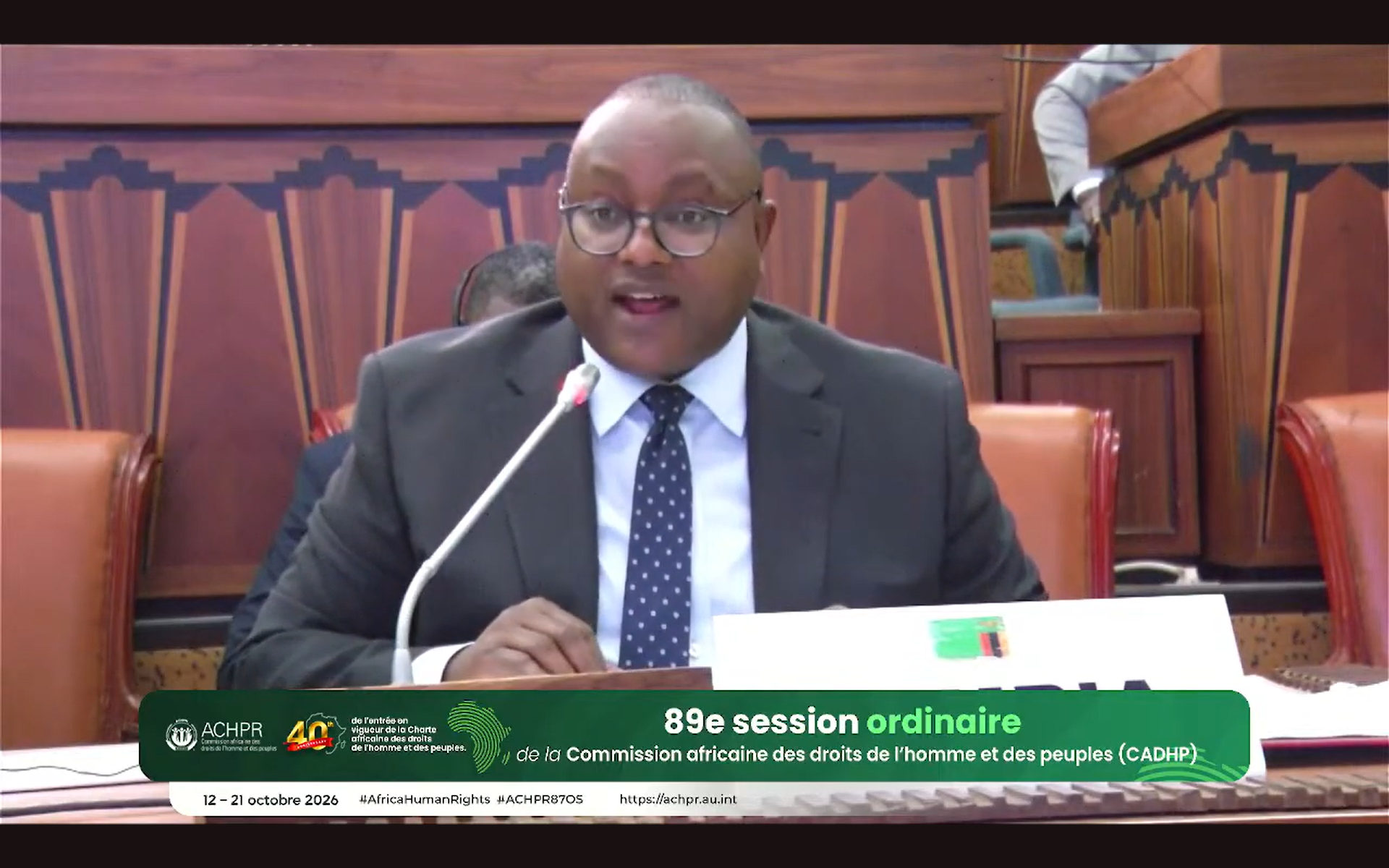
Zambia must ensure that human rights defenders can speak out, organise and work freely. In a joint submission to the African Commission, ISHR, SACCORD and ZNHRD highlight restrictive legislations and call for progress towards the adoption of the law for the promotion and protection of the rights of defenders.
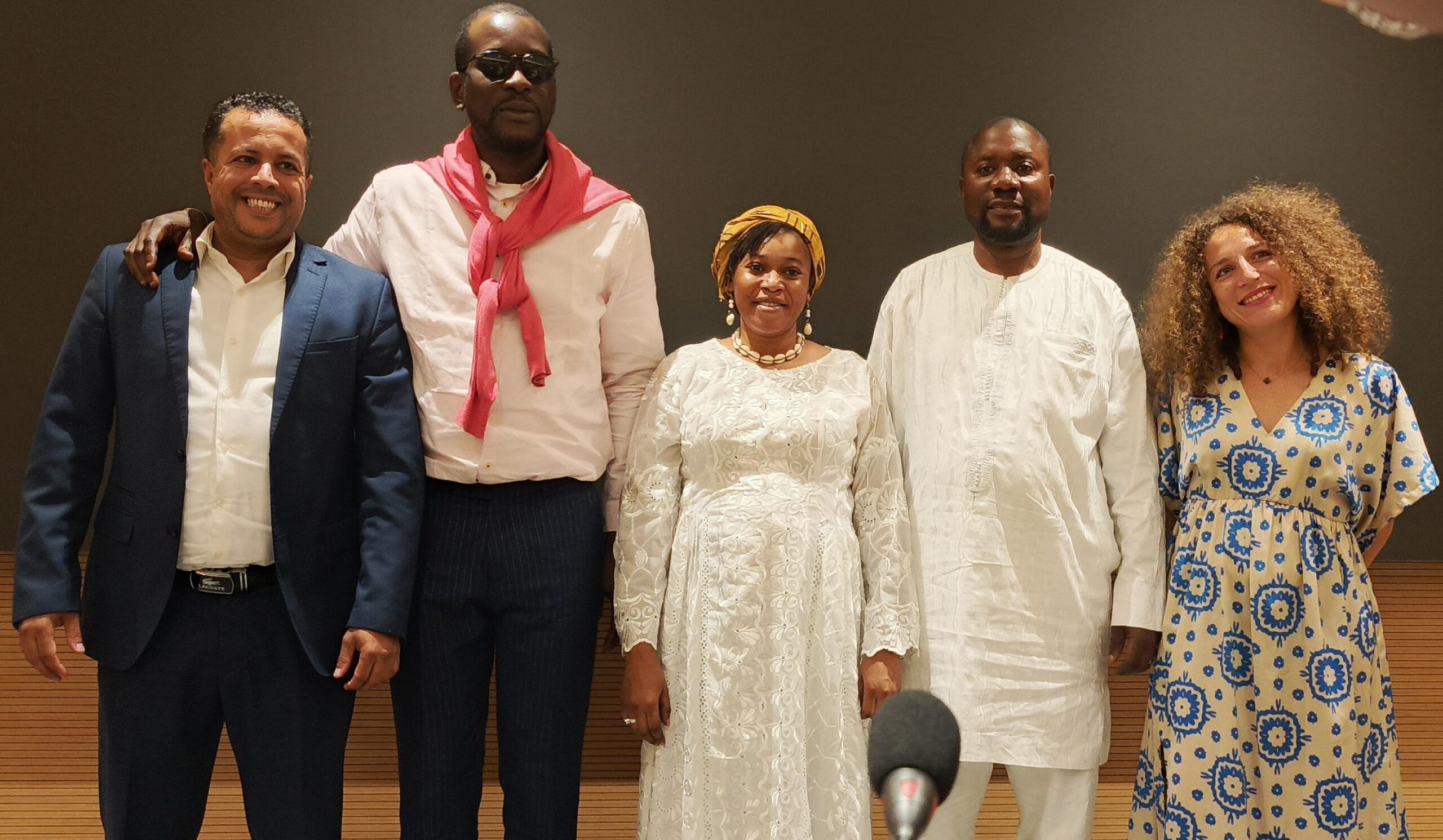
On the sidelines of the NGO Forum and the 89th Ordinary Session of ACHPR, ISHR, DefendDefenders and Front Line Defenders held an event on the intersection of environmental and digital rights. Defenders from Democratic Republic of Congo, Mali, Nigeria and Western Sahara discussed their contexts and recommendations.