HRC 43 | Fiji must act to improve protections for human rights defenders
Human rights defenders in Fiji face harassment, intimidation, and restrictive laws and policies. During the adoption of Fiji's third Universal Periodic Review report, ISHR called on Fiji authorities to take steps to create a safer and more enabling environment for defenders.
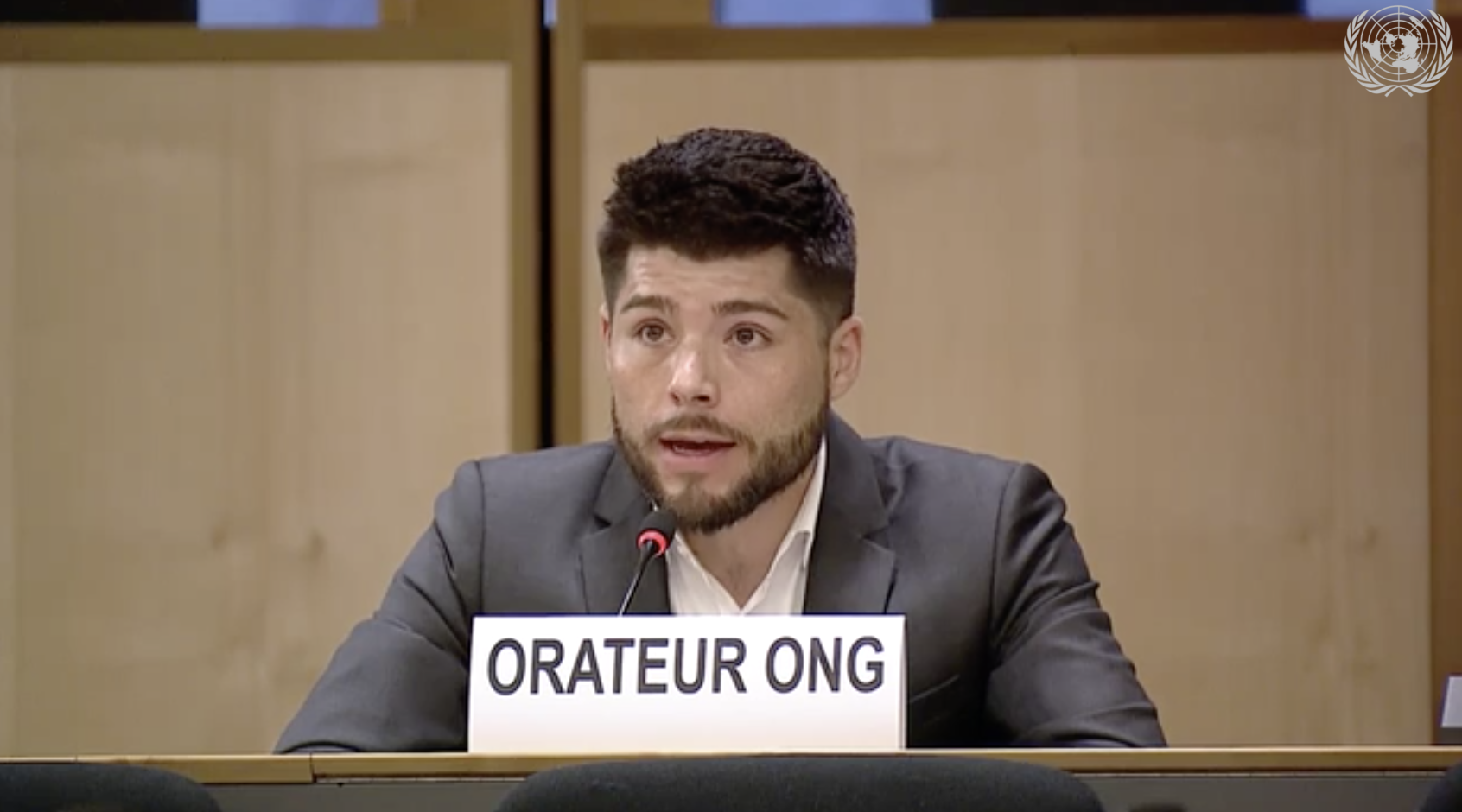
On 12 March the Human Rights Council adopted the report from Fiji’s third Universal Periodic Review (UPR). During the session, ISHR delivered a joint statement with Rainbow Pride Foundation highlighting critical actions Fiji must take to ensure all human rights defenders are able to fully enjoy their fundamental rights.
The statement recognised that since its last UPR, Fiji has made significant progress in expanding civic space. However, as ISHR and Rainbow Pride Foundation underscored in a joint briefing paper ahead of the UPR, more needs to be done.
‘Not only do laws and policies continue to restrict the fundamental rights of freedom of expression, assembly, and association, but human rights defenders are also all too frequently intimidated and harassed with impunity,’ said ISHR Programme Manager and Legal Counsel Tess McEvoy. ‘This is particularly true for defenders working for the protection and promotion of the rights of lesbian, gay, bisexual, transgender and intersex (LGBTI) persons,’ McEvoy added.
The joint statement therefore urged Fiji to:
Ensure human rights defenders can freely carry out their legitimate activities, including by implementing the Declaration on Human Rights Defenders at the national level;
Repeal the sections of the Public Order Act Amendment Decree, the Media Industry Development Decree, the 2014 Electoral Decree and the Online Safety Bill that restrict the freedom of expression, assembly, and association;
Enhance efforts to combat acts of discrimination and violence against LGBTI persons and guarantee that all such acts are investigated and punished by incorporating sexual orientation into antidiscrimination laws; and
Take measures to reduce the targeting and harassment of LGBTI human rights defenders.
Watch our statement here:
Author
Tess McEvoy
Tess McEvoy leads ISHR’s work on women and LGBTI human rights defenders, ISHR’s legal protection work and Treaty Bodies, and co-leads ISHR’s legal team which engages in strategic litigation for the protection of human rights defenders.
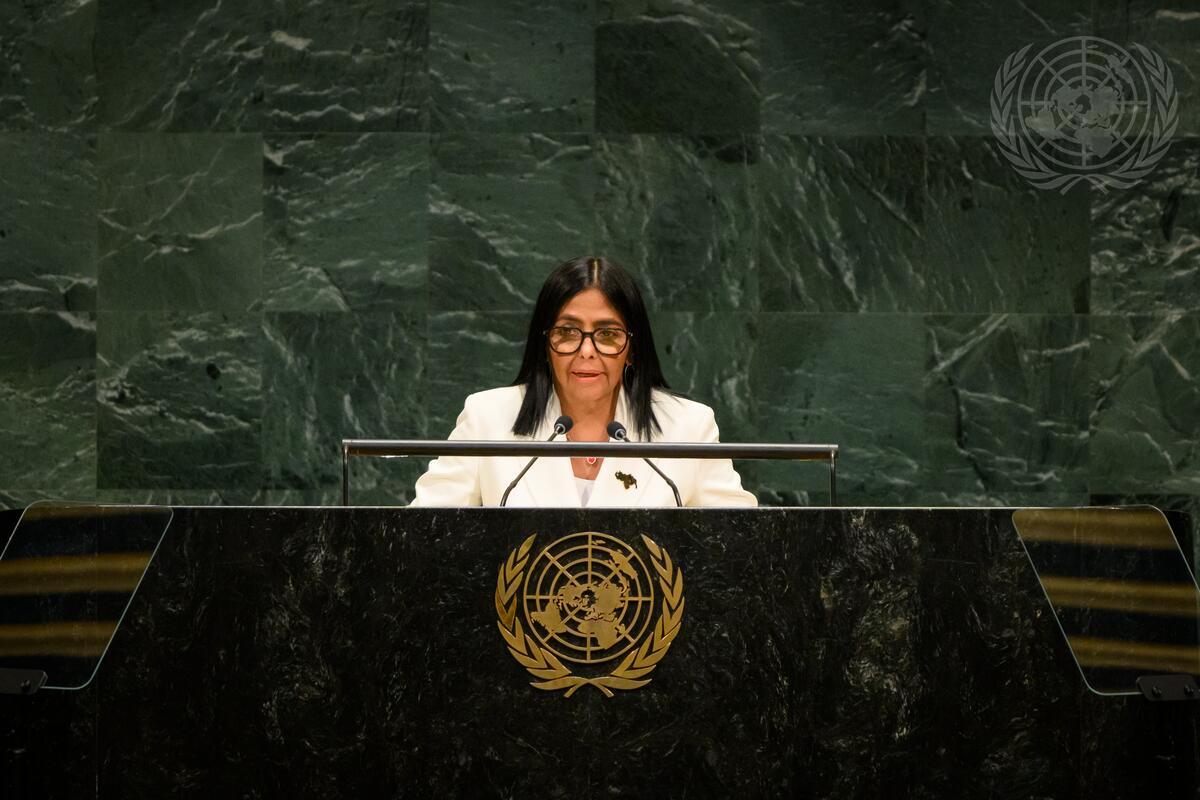
The Human Rights Council renewed the mandates of its Fact-Finding Mission on Venezuela and of the Office of the United Nations High Commissioner for Human Rights to monitor human rights in the country, at a time when global scrutiny is more needed than ever to ensure reforms respect and protect human rights.
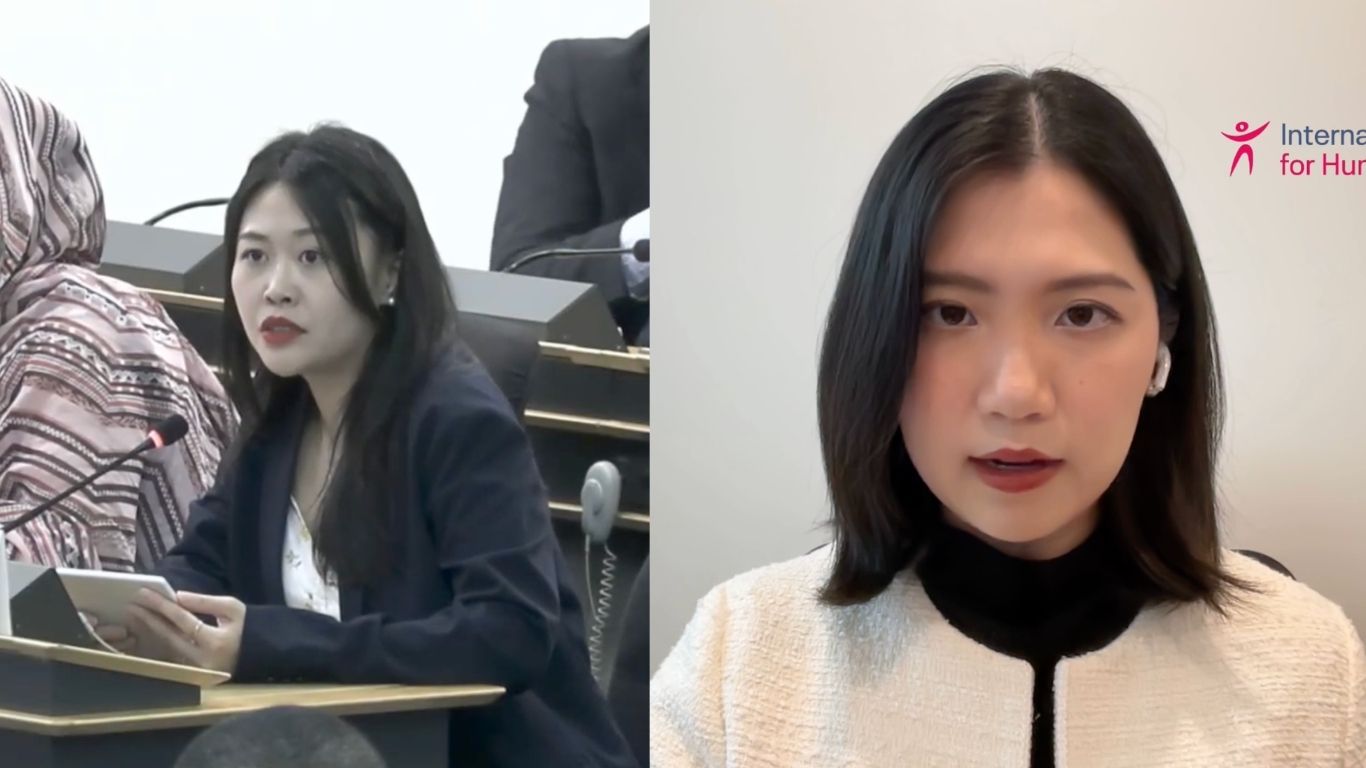
At the Human Rights Council’s 63rd session (HRC63), Hong Kong human rights defenders Carmen Lau and Anna Kwok brought their testimony of transnational repression before the Council, as States renewed scrutiny of China’s human rights record.
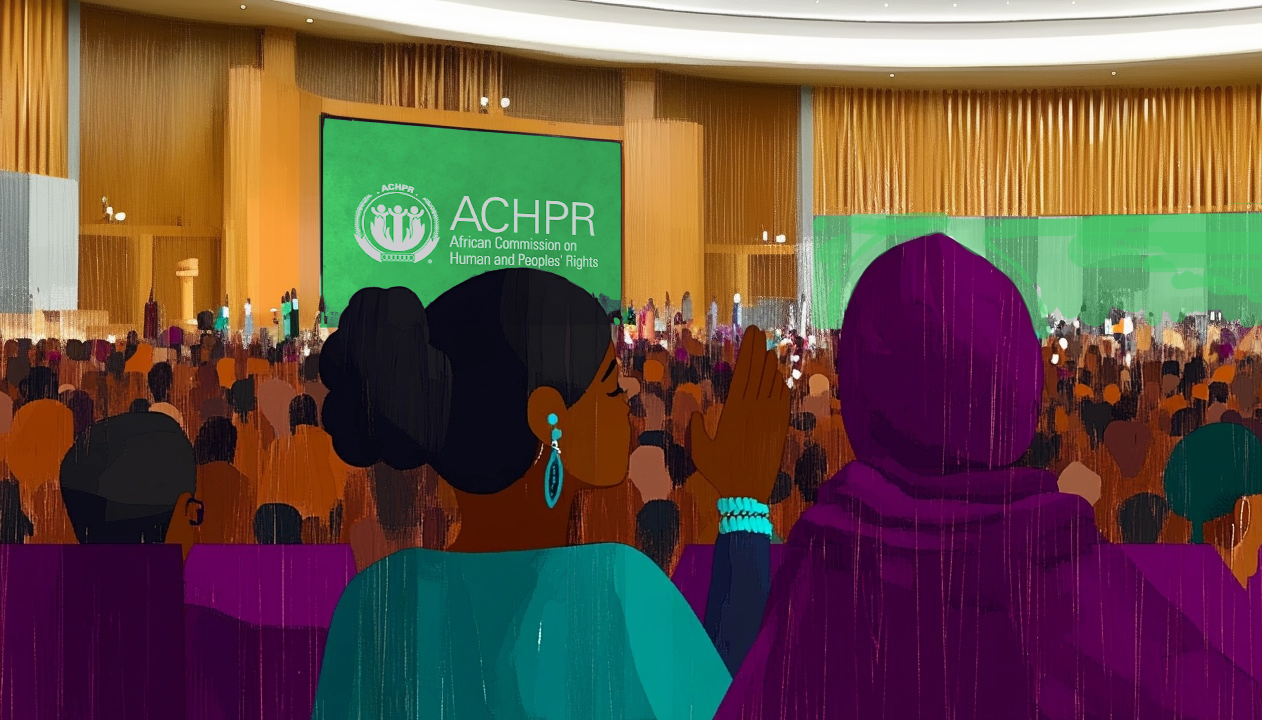
The public session of the 89th session of the African Commission on Human and Peoples' Rights (ACHPR) will be held in Dakar, Senegal, from 12 to 21 October. The public session will be preceded by a training session organised jointly by ISHR, Front Line Defenders and Defend Defenders on 6, 7 and 11 October, and the NGO Forum, organised by ACDHRS from 8 to 10 October.