
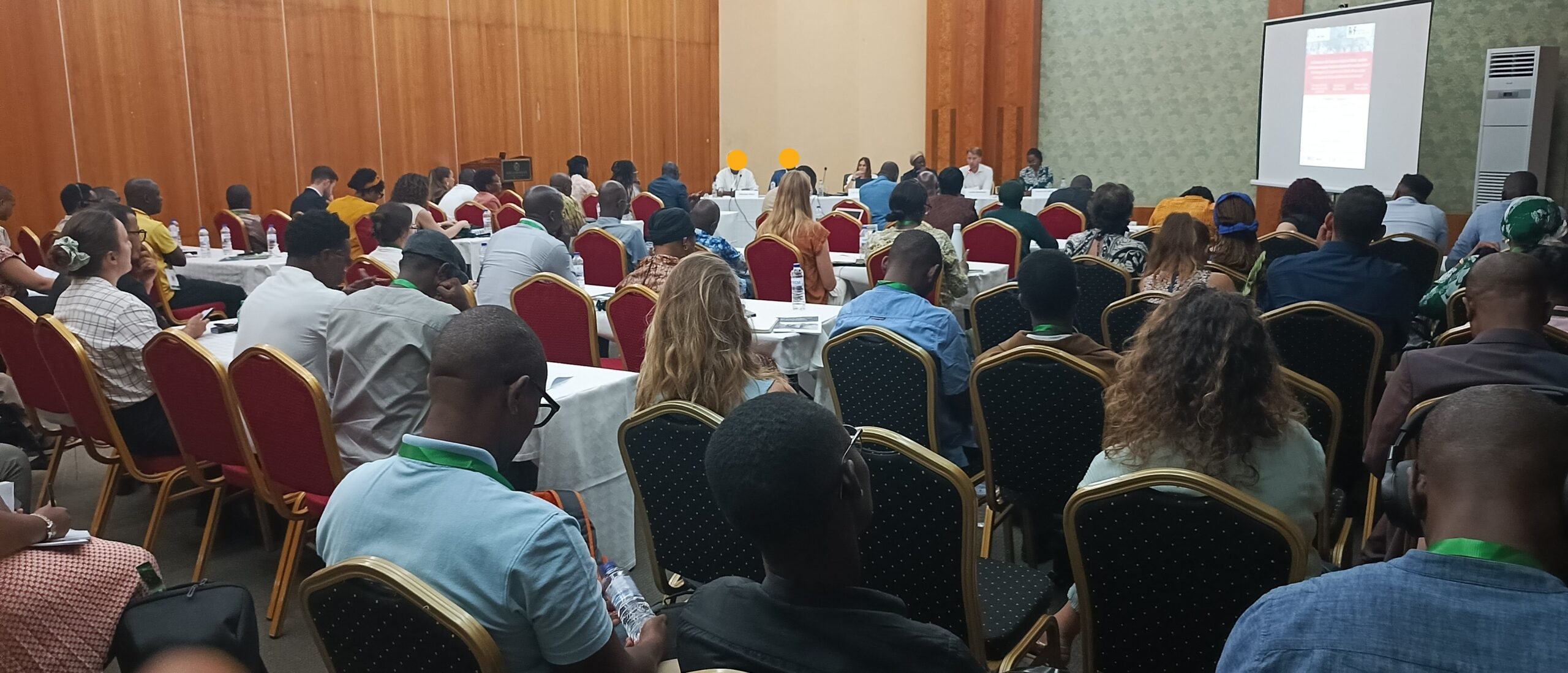
ACHPR89: Civic space, press freedom alarmingly constrained in the Sahel
At the margins of the 89th session of the African commission, civil society groups discussed the growing challenges and threats weighing on journalists working the Sahel.

During HRC60 Item 10 Technical assistance and capacity-building for Yemen in the field of human rights, Yemeni woman human rights defender Abha Abdullah Baawedan delivered a joint statement on behalf of ISHR, the Justice4Yemen Pact Coalition, and DT Institute.
Mr. President,
This is a joint statement on behalf of ISHR, the Justice4Yemen Pact Coalition, and DT Institute.
My name is Dr. Abha Abdullah Baawedan. I am a Yemeni human rights defender working and president of Al-Amal Women’s and Sociocultural Foundation (AWSF), member of the Justice4Yemen Pact (J4YP) Coalition.
The Justice4Yemen Pact, a coalition of ten Yemeni civil society organisations, calls upon the international community to invest in transitional justice and the future of sustainable peace in Yemen – namely, its younger generations – to address ongoing human rights atrocities committed against civilians and children with impunity and to break the cycle of unsuccessful peace treaties and repeated conflict sown at the expense of the victims.
The conflict in Yemen has raged on for over a decade, throughout which mass human rights violations have been committed by all conflict parties against innocents, including children, women, marginalised, and displaced persons – and which continue to grow by the second. The Justice4Yemen Pact asserts that lasting peace cannot be achieved without transitional justice.
Accountability for past crimes is essential for reconciliation and for stability of Yemen. In order to achieve justice, States must support civil society including in documentation and preserving evidence. Our organisations decry the inaction of the international community at the alarming and unprecedented crackdown on civil society.
Given that the conflict parties have repeatedly failed to demonstrate the political will necessary for transitional justice, it is the necessary duty of the international community, alongside and in supporting local civil society, to take every possible action to apply pressure onto the conflict parties and invest in the development and understanding of local communities to foster shared visions of Yemeni peace.
The Justice4Yemen Pact further expresses deep concern for the situation of children in Yemen. In 2025, J4YP partners documented over 90 human rights violations committed against children – the vast majority of which were child abductions and recruitment – grave violations against children in times of war (as held by UNICEF).
Underpinning the impunity with which these atrocities are committed is media weaponisation utilising disinformation and propaganda, targeting children and adults alike. Such propaganda acts to justify repressive actions, crush dissent, and reframe human rights violations as acts of national defence.
We urge the Human Rights Council to explicitly integrate transitional justice into its discussions and resolutions on Yemen as a central pillar of peace building and political settlement, in line with the UN’s sustaining peace agenda. We urge UN Member States and peace mediators to prioritise supporting Yemeni civil society to ensure accountability and the realisation of victims’ rights, including children’s rights, in all negotiations and post-conflict frameworks, to avoid repeating cycles of violence and exclusion.
Thank you.
At the margins of the 89th session of the African commission, civil society groups discussed the growing challenges and threats weighing on journalists working the Sahel.
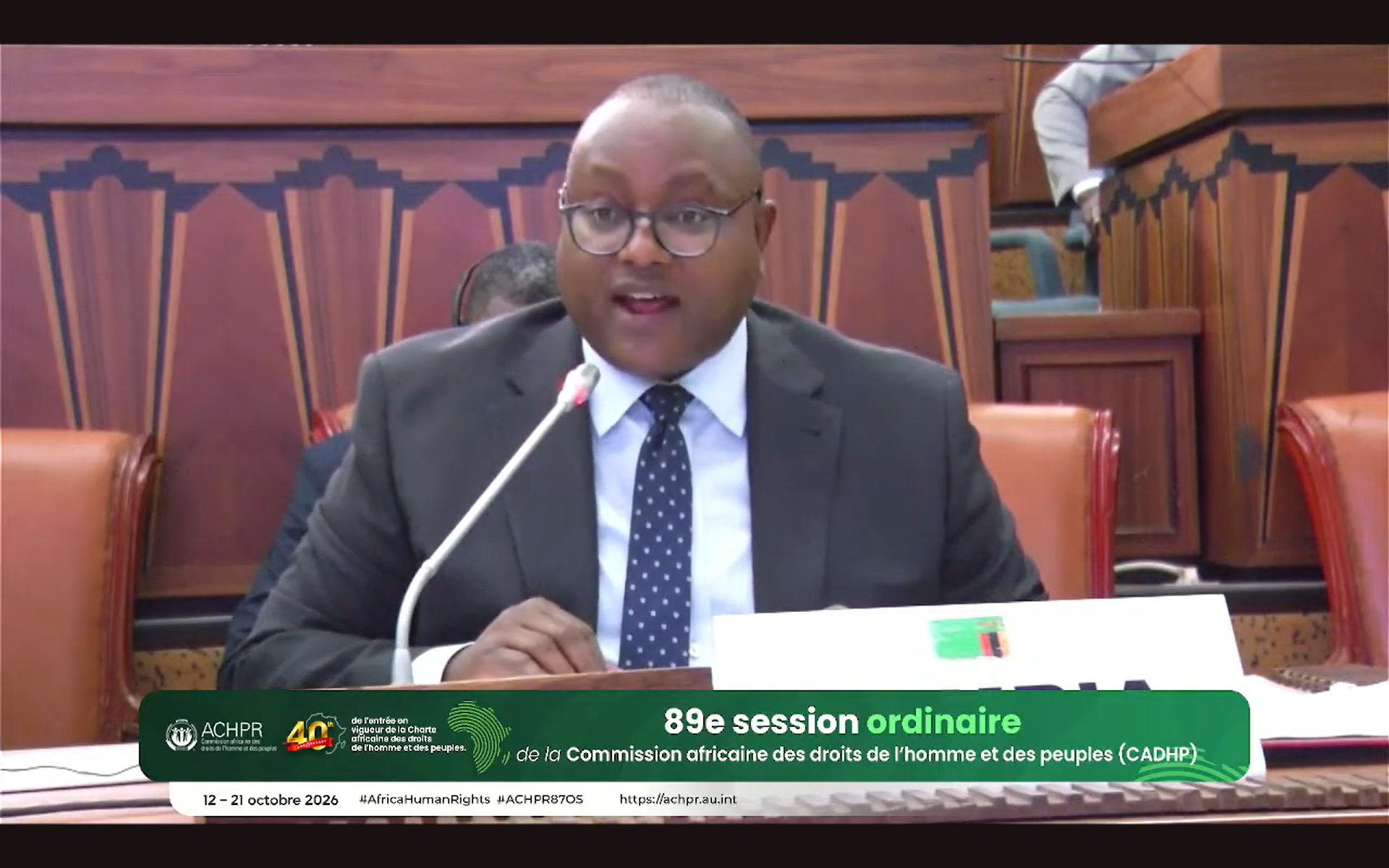
Zambia must ensure that human rights defenders can speak out, organise and work freely. In a joint submission to the African Commission, ISHR, SACCORD and ZNHRD highlight restrictive legislations and call for progress towards the adoption of the law for the promotion and protection of the rights of defenders.
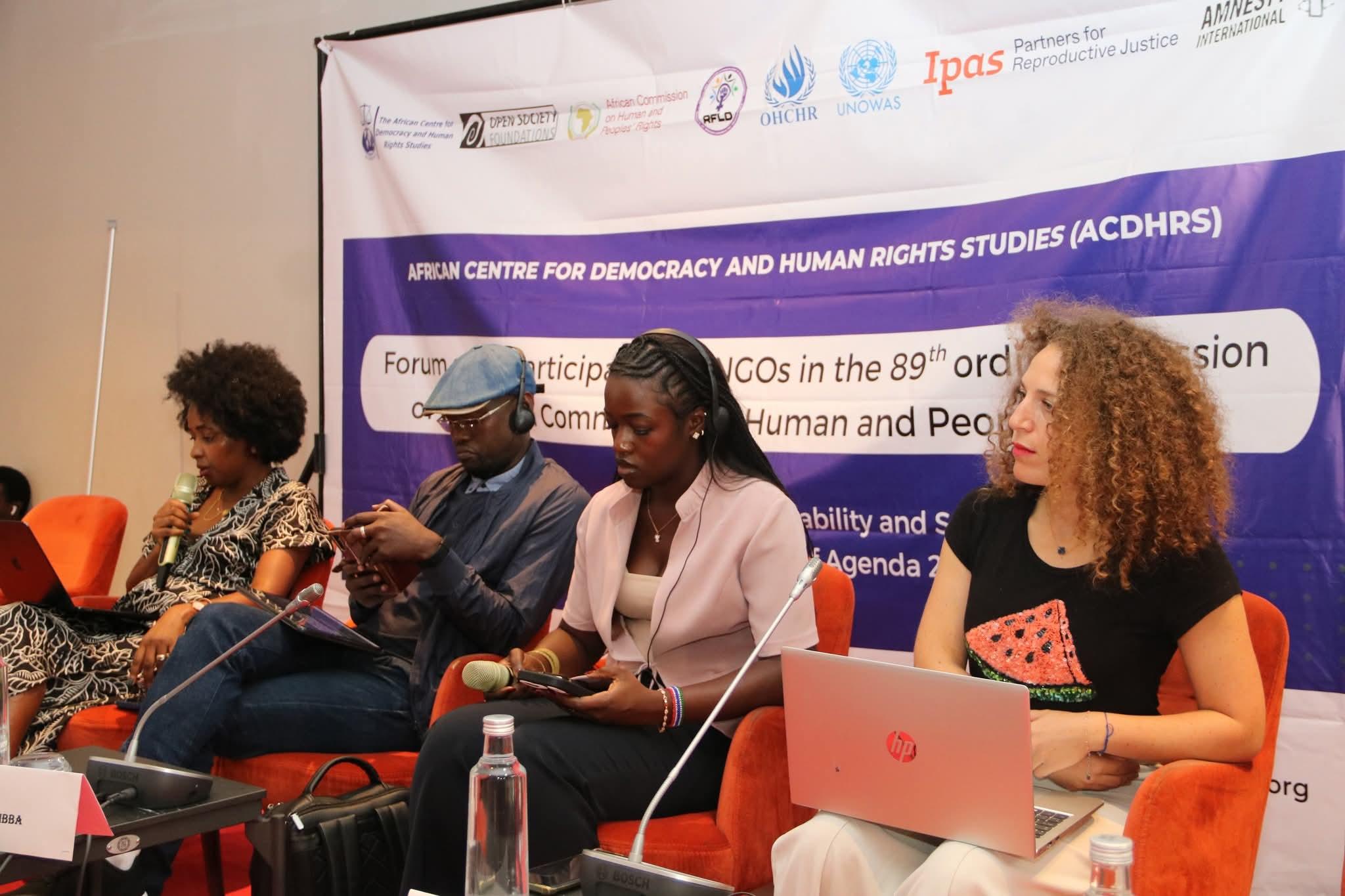
At the NGO Forum ahead of the 89th session of the African Commission, a high-level panel discussion tackled the growing issue of transnational repression in Africa.