HRC38 | Cooperation with UN and commitment to international law vital to peace and sustainable development
Respect for human rights – and a commitment to uphold these rights through multilateralism and the rule of law – is the only pathway to peace, security and sustainable development.
In its opening statement to the 38th session of the UN Human Rights Council, currently underway in Geneva, ISHR has warned that States that do not cooperate, that selectively engage, or that withdraw from UN human rights mechanisms, undermine human rights. They open space for authoritarianism, unilateralism and repression.
By contrast, High Commissioner Zeid said, ‘Every decision to engage more productively with the human rights system is a decision to create openings towards a more harmonious society – one where there is greater justice, more sustainable peace and better development.’
Welcoming the High Commissioner’s update, ISHR Director Phil Lynch said: ‘Your update reflected on the progress that can be achieved by States through constructive engagement with your Office. Technical assistance and cooperation is, of course, one means of advancing rights. But it must be complemented by monitoring, reporting and accountability measures. And when the time comes, it should also be complemented by condemnation – publicly speaking out to expose perpetrators and provide solidarity to victims.’
With the current High Commissioner’s term scheduled to conclude in August 2018 and the search for his successor currently underway, Lynch took the opportunity to thank the High Commissioner for his principled public advocacy.
‘We hope that your successor will also be strong, independent and outspoken. We expect them to have the full support of the UN, its agencies and leadership in putting human rights, and human rights defenders, firmly up front,’ Lynch said.
Concluding ISHR’s intervention, Lynch echoed the High Commissioner’s words – in a speech that earned a standing ovation from Member States – that human rights defenders are the real heroes of humanity, before noting that ‘some of ISHR’s heroes are arbitrarily imprisoned, criminalised or severely restricted in these very same States.’
Citing the cases of detained Emirati defender Ahmed Mansoor, Chinese artist and poet Liu Xia who is subject to house arrest, Egyptian defender Mozn Hassan and women’s rights activists imprisoned in Saudi Arabia for their peaceful human rights work, Lynch pledged that while the High Commissioner’s term may be ending, members of civil society will not stand down until all defenders are free.
At a time of financial strife and ongoing reform for the organisation, States have adopted a 2026 budget cutting 117 jobs at the UN’s Human Rights Office. The final budget endorses proposed cuts that disproportionately target human rights, imperilling the UN’s ability to investigate grave abuses, and advance human rights globally.
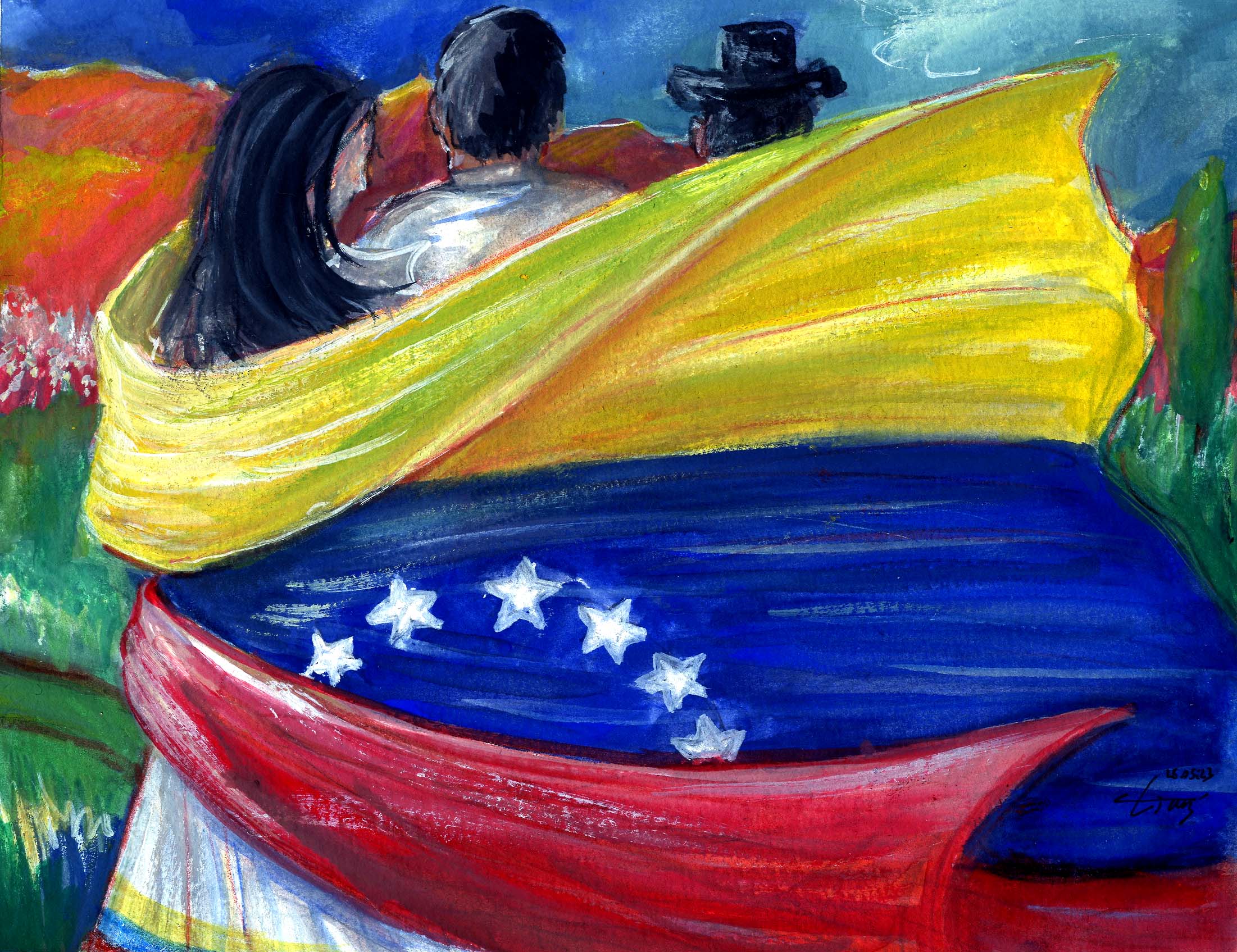
ISHR and 37 human rights organisations in Latin America issued a joint statement condemning the United States military attack against Venezuela and expressing concern about the serious human rights situation in the country. Any solution to the crisis facing the country must be democratic, peaceful and negotiated, centred on respect for human rights, and prioritising the participation and decision-making power of Venezuelan society over its future.
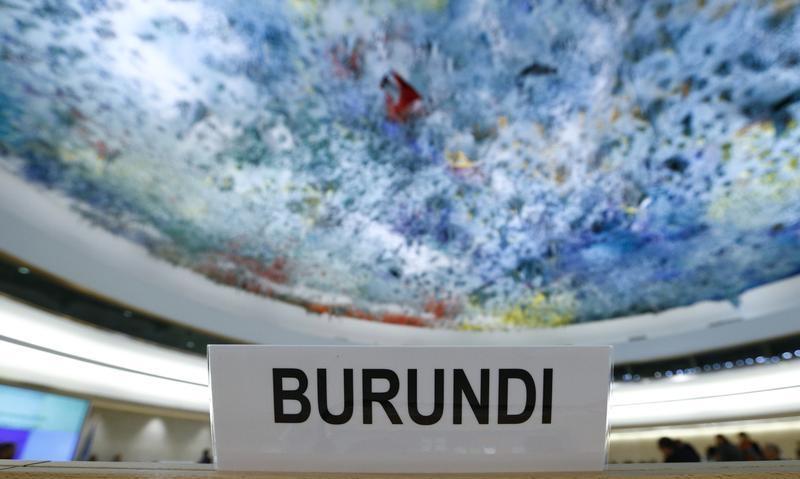
In a landmark ruling against Burundi, the UN Committee against Torture has set a precedent on the protection of lawyers and human rights defenders engaging with UN mechanisms, affirming that reprisals for cooperating with the UN violate the Convention Against Torture.