
HRC38 | Enough is enough, a zero tolerance approach to cases of reprisals is needed
At the 38thsession of the Human Rights Council, ISHR called on States and the Council President to do more to address cases of intimidation and reprisal against those seeking to engage with the Council.
Targeting of those who engage, or seek to engage, with the Human Right Council violates human rights, undermines the Council’s mandate, subverts its integrity, and threatens its credibility.
In a statement to the Council, ISHR welcomed the resolution on intimidation and reprisals passed at the 36th session, including the creation of a dedicated dialogue to address such acts. ISHR called on States to use the interactive dialogue at the September session of the Council to consider trends in the Secretary-General’s report; share good practices, challenges and lessons learned; raise concerns on specific cases; and encourage dialogue on action taken to address cases, including to prevent further cases and ensure accountability.
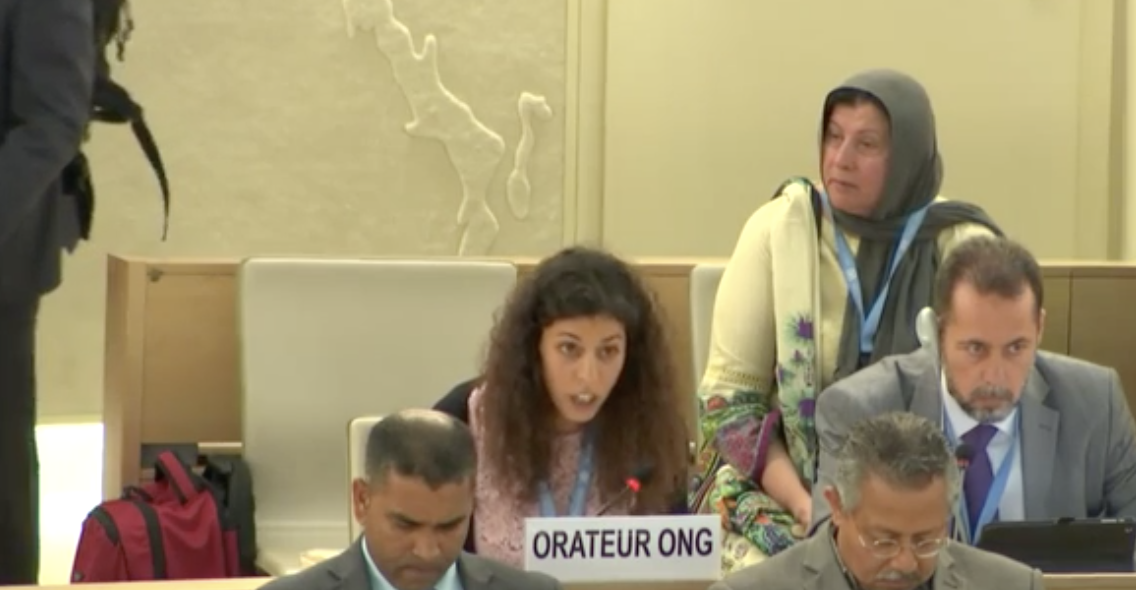
‘We again reiterate our support for the Assistant Secretary General’s role as Senior official on reprisals and our call for him to do more to ensure his post is visible and accessible to rights holders; including developing a public facing policy on how to engage with his mandate so victims know how to submit information, what response to expect, and are updated on their case’, said ISHR’s Salma El Hosseiny.
ISHR reminded the Council that the appointment of the senior official on reprisals does not obviate obligations of other UN bodies.
‘Mr President, while we welcome public commitments you recently made on reprisals– more is needed, especially to address cases against those seeking to engage with this Council, such as travel bans against defenders travelling to Geneva’, added El Hosseiny.
ISHR was pleased to hear statements made by States during the General Debate expressing concern about cases of reprisal. ISHR praises the consistency of States such as Belgium, Luxemburg and the Netherlands, who not only made statements but also called for more to be done by the Senior official on reprisals.
In closing, ISHR expressed grave concern about defenders that remain in detention; echoing concerns raised in previous sessions. Ibrahim Metwally and Ahmed Mansoor remain imprisoned and subject to ill-treatment in the United Arab Emirates and Egypt respectively.
‘All States need to act to protect rights holders and the integrity of this Council’, concluded El Hosseiny.
Watch the statement here:
Contact: Tess McEvoy [email protected]; Madeleine Sinclair, [email protected].
Photo: ISHR.