HRC62: Human rights, enabling defenders must be central to climate financing
In a statement at a panel on climate change and human rights, ISHR and the Institute for Political Economy Sri Lanka highlighted the ‘trap’ in which States could enter if not looking at climate financing with a human rights perspective.
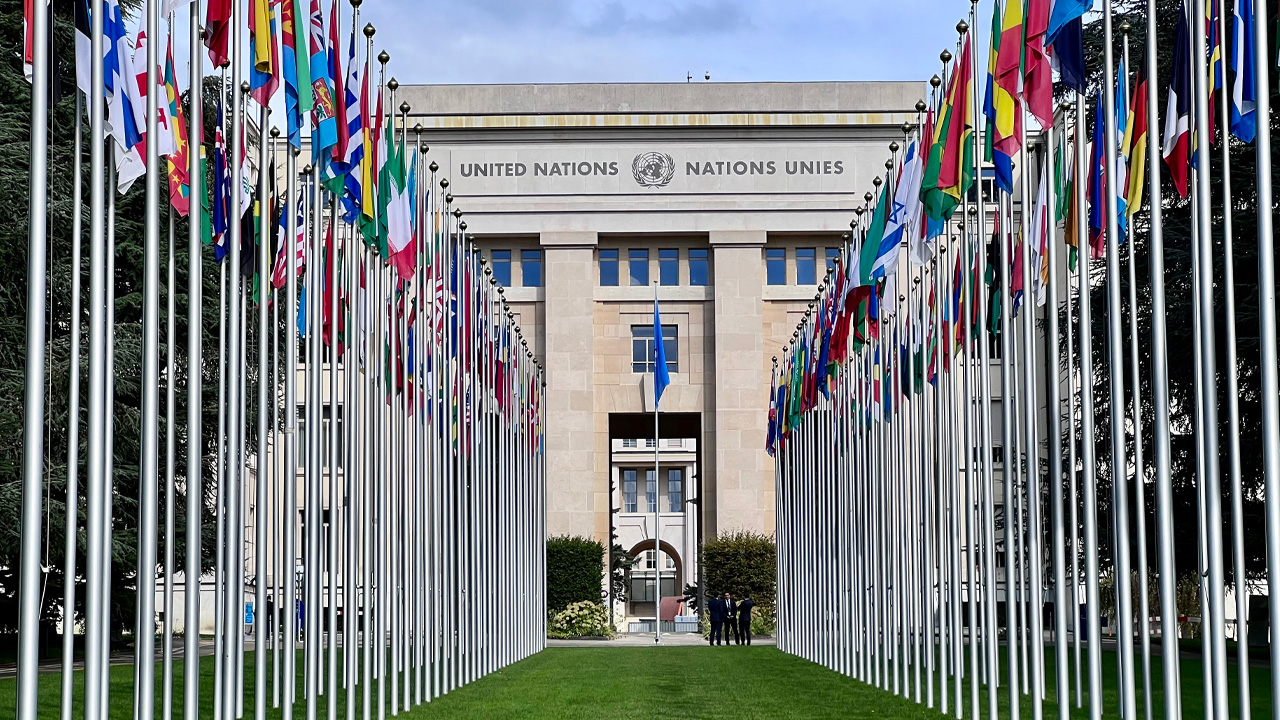
On 19 June, the Human Rights Council hosted its annual panel discussion on the impacts of climate change on the enjoyment of human rights. This year’s topic focused on climate financing. ISHR and the Institute for Political Economy Sri Lanka, delivered a statement highlighting the need to examining climate financing through a human rights lens to address climate change effectively and equitably, otherwise this could lead to a ’trap’ that could impact communities and Indigenous Peoples, in particular in their enjoyment of economic, social and cultural rights.
For example, Sri Lanka contributes less than 0.05 percent of global fossil carbon emissions, yet carries an external debt stock of approximately USD 54.8 billion. In 2026, roughly 85 percent of government revenue is allocated to debt servicing, leaving only marginal resources for climate adaptation, disaster risk reduction, and social protection.
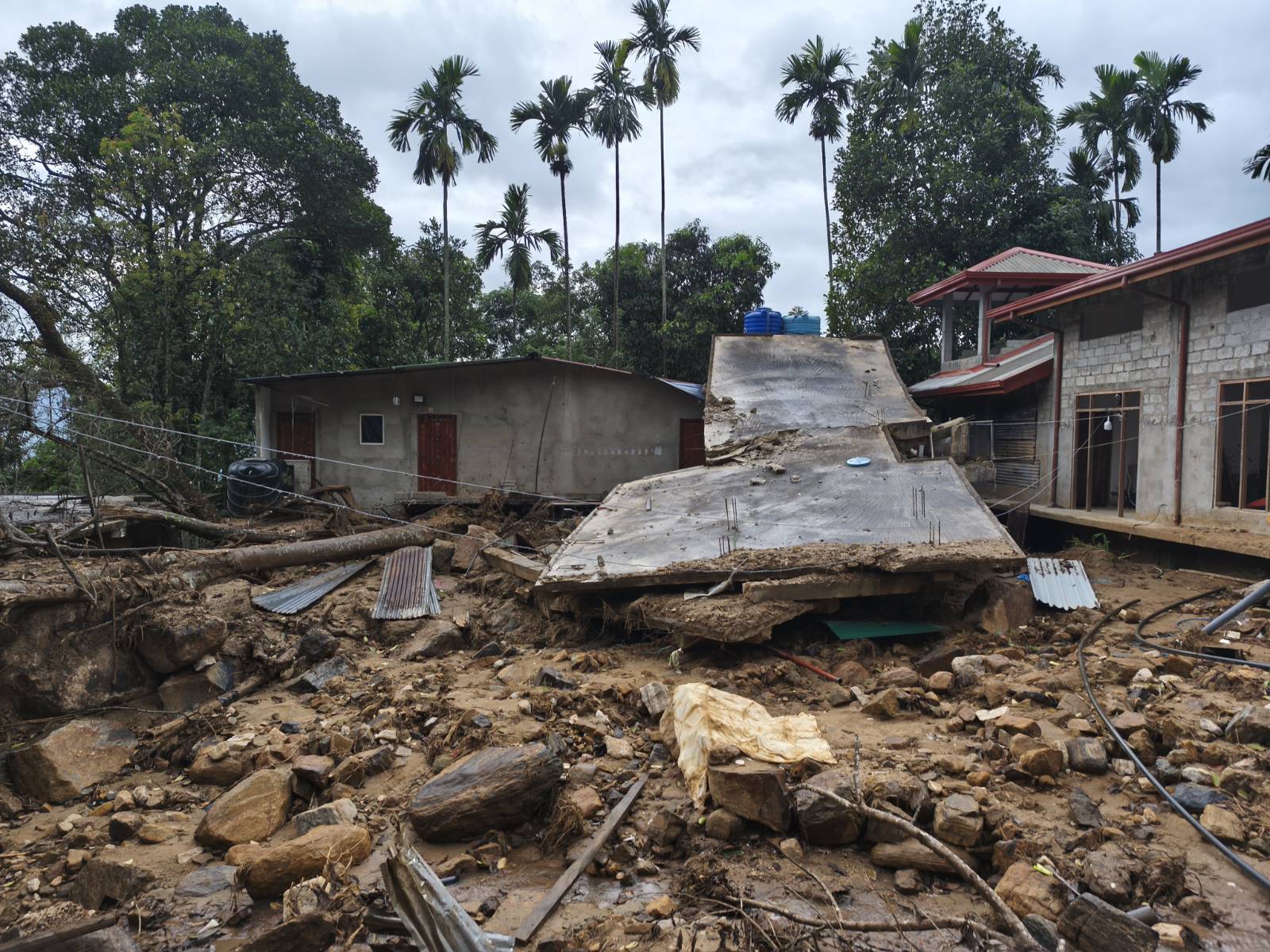
The lack of measures for adaptation and mitigation has already taken its toll. Smallholder farmers face declining yields and rising food insecurity. Coastal fishing communities watch their catches collapse.
Residents of informal urban settlements have been repeatedly displaced by floods and landslides, without secure tenure or reconstruction support. And estate workers in the plantation sector – many of them descendants of indentured Tamil labourers – are living in ecologically sensitive, climate-exposed environments, yet excluded from climate planning, while sustainability benefits flow to estate management and private firms.
Each of these communities bears the cost of a debt-climate trap it did not create, sustained by a fiscal system that has no room left to protect them.
In early June, UNDP publicly called for operationalising carbon markets to attract private capital in Sri Lanka. Sri Lanka’s National Climate Finance Strategy, funded by the United Kingdom and implemented by UNDP, proposes debt-for-nature swaps and carbon markets as its core instruments.
These instruments reproduce colonial dispossession by translating complex socio-ecological relationships into monetised units, erasing the relational and custodial knowledge systems through which Indigenous and local communities have historically understood and governed nature.
At the same time, climate fora are failing to comprehensively address this gap and not fully responding to the climate crisis. The United Nations Framework Convention on Climate Change (UNFCCC) continues to exclude military emissions from its reporting, when it is estimated that this sector contributes from five to six percent of global greenhouse gases and the Loss and Damage Fund still fails to provide timely support.
There are four key demands in this regard:
Debt cancellation without conditions
Grant-based climate finance that creates no new debt.
An end to market mechanisms that commodify nature, displace communities and exacerbate human rights violations.
Accountability for regional and international financial institutions.
Enabling environment and protection of human rights defenders
States that seek climate financing also restrict civil society and criminalise environmental human rights defenders. An enabling environment for civil society and the protection of human rights defenders are prerequisites for effective, equitable and rights-based climate finance.
This requires:
Meaningful participation of civil society and affected communities in climate finance decisions.
Human rights safeguards and defender protection attached to all climate finance mechanisms.
Direct, accessible, and flexible funding for local and community-led actors.
Rights-based climate finance is not a theory. It exists. It must become the standard.
Watch the full statement below, delivered by Melani Gunathilaka from the Institute for Political Economy Sri Lanka, and read their contribution to the upcoming OHCHR report on climate financing to be presented at the 63rd session of the Human Rights Council, in September.
Ahead of the 89th session of the African Commission on Human and Peoples’ Rights, the NGO Forum convened an inaugural panel on advancing water justice and democratic inclusion for Communities Discriminated on Work and Descent in Africa.
UN experts officially warned Russian authorities they were looking at allegations of laws placing strict and discriminatory burdens on the work of Indigenous rights groups and activists.
A panel the impact on the rights of persons with albinism and disabilities in Africa explored the disproportionate impact of climate change on marginalised communities and the urgent need for inclusive, rights-based climate action.