HRC62: Nepal's UPR success will be measured by real improvements for Indigenous Peoples
Despite Nepal’s international commitments, human rights violations against Indigenous Peoples continue. The new government has an opportunity to align its laws with international standards, ensure consent for projects affecting Indigenous communities, and protect the right to peaceful protest and the right to defend rights.
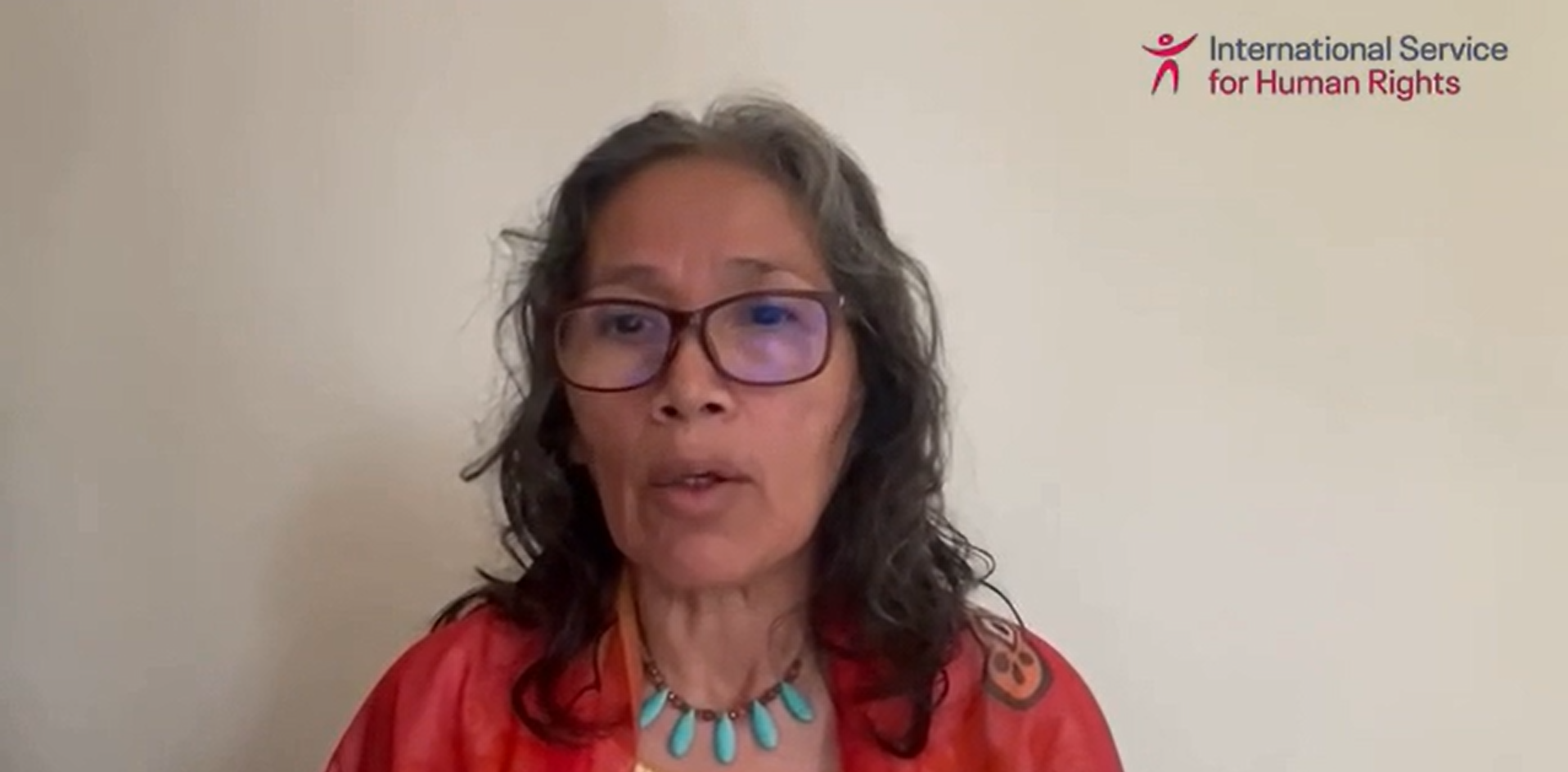
On 30 June, ISHR and the Community Empowerment and Social Justice Network (CEMSOJ) delivered a statement during the adoption of Nepal’s Universal Periodic Review (UPR). The statement was delivered by Pranisha Shakya, and Indigenous Newa defender who said that Indigenous Peoples in Nepal continue to face challenges in the enjoyment of their human rights.
Nepal is the only Asian country that has ratified the International Labour Organization Convention N° 169 (ILO 169), and it has shown support of the UN Declaration on the Rights of Indigenous Peoples (UNDRIP).
Despite these commitments, Nepal’s Constitution and national laws are not in accordance with these international standards and specific regulations are not incorporated to fully guarantee the rights of Indigenous Peoples.
In 2024, Nepal’s Supreme Court ordered the federal and provincial governments and parliaments, as well as local bodies to formulate necessary laws and policies for the implementation of both ILO 169 and UNDRIP. The country’s federal parliament and the relevant ministries were urged to enact, amend or reform current bills in the parliamentary pipeline to align them with these instruments. However, this is still pending.
The lack of adequate legislation to protect Indigenous Peoples’s rights is evident in many situations. Development projects continue to proceed without meaningful consultation through Indigenous Peoples’ own customary institutions and without obtaining their free, prior and informed consent.
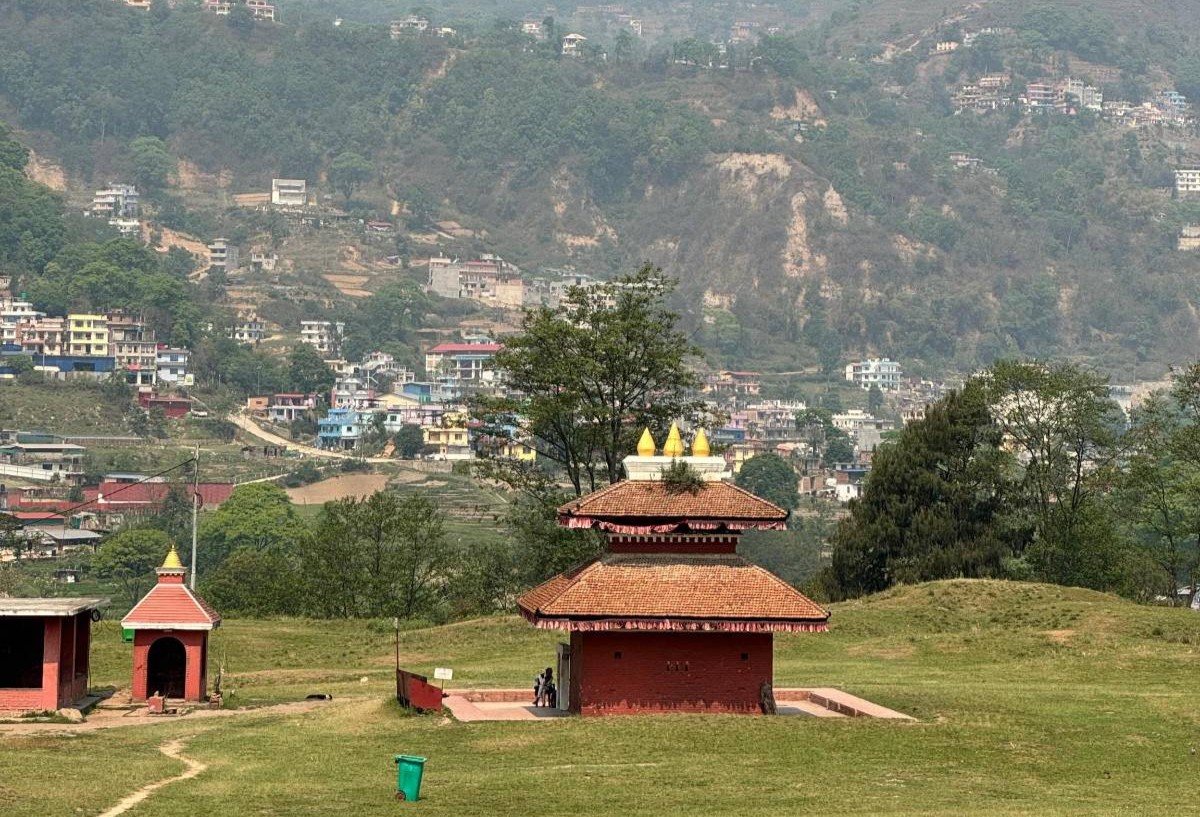
One example lies in the Fast Track (Expressway) Project, a mega highway project that would run 72.5km along the Bagmati River corridor. Some 6 km of the ‘Expressway’ will slice through farms and lands managed under a sociocultural endowment system known as Guthi, as well as ritual routes and sites of significant value for locals, including Indigenous Newa communities of the historical Khokana and Bungamati towns in Lalitpur.
The communities have been concerned about devastating impacts on their lands, livelihoods and cultures. Their representatives claim that all those projects will displace the Newar community of the area entirely, which have been affected due to land acquisitions for various public purposes at different times in the past.
This and other similar business, development and infrastructure projects that continue to report inadequate consultation, lack of free, prior and informed consent, loss of ancestral lands and resources, and insufficient access to effective remedies.
Peaceful protests and the right to defend rights
Nepal’s Constitution and its international obligations guarantee the fundamental human rights to freedom of expression and peaceful assembly. Yet, these are systematically eroded by restrictive measures that criminalise peaceful protesters, human rights defenders, and journalists.
A disproportionate and often lethal use of force is deployed against individuals exercising their right to protest, while the vast majority of such incidents remain without prompt, independent, and impartial investigations. This was the case of the ‘Gen-Z’ protests in September 2025, that left around 76 people dead and more than 2,000 injured.
Following the 2025 protests and the elections this year, a new government has taken office in Nepal. This presents a vital opportunity for the country to fulfil its international obligations and implement the recommendations made by various mechanisms, including the UPR, to improve the human rights situation in the country. Specifically, this should be achieved by:
a) Aligning its laws and policies with the United Nations Declaration on the Rights of Indigenous Peoples and ILO Convention 169.
b) Ensuring free, prior and informed consent is obtained before approving projects affecting Indigenous Peoples, and ensuring their full and meaningful participation in decisions that impact them.
c) Guaranteeing the right to peaceful protest and the right to defend human rights.
You can watch the full statement below and read the joint submission for the 4th UPR of Nepal submitted by CEMSOJ and other partners.
Author
Ulises Quero
Ulises leads the work on business, environment, and land at ISHR.
On this day, five years ago, the UN Human Rights Council’s recognised the right to a clean, healthy and sustainable environment. ISHR calls on States to protect the defenders who help advance this right.
At the Human Rights Council, ISHR and CONTIOCAP warned that environmental destruction threatens Indigenous Peoples’ lives including natural and cultural heritage. States must respect their right to self-determination and end the criminalisation of Indigenous defenders.
The public session of the 89th session of the African Commission on Human and Peoples' Rights (ACHPR) will be held in Dakar, Senegal, from 12 to 21 October. The public session will be preceded by a training session organised jointly by ISHR, Front Line Defenders and Defend Defenders on 6, 7 and 11 October, and the NGO Forum, organised by ACDHRS from 8 to 10 October.