
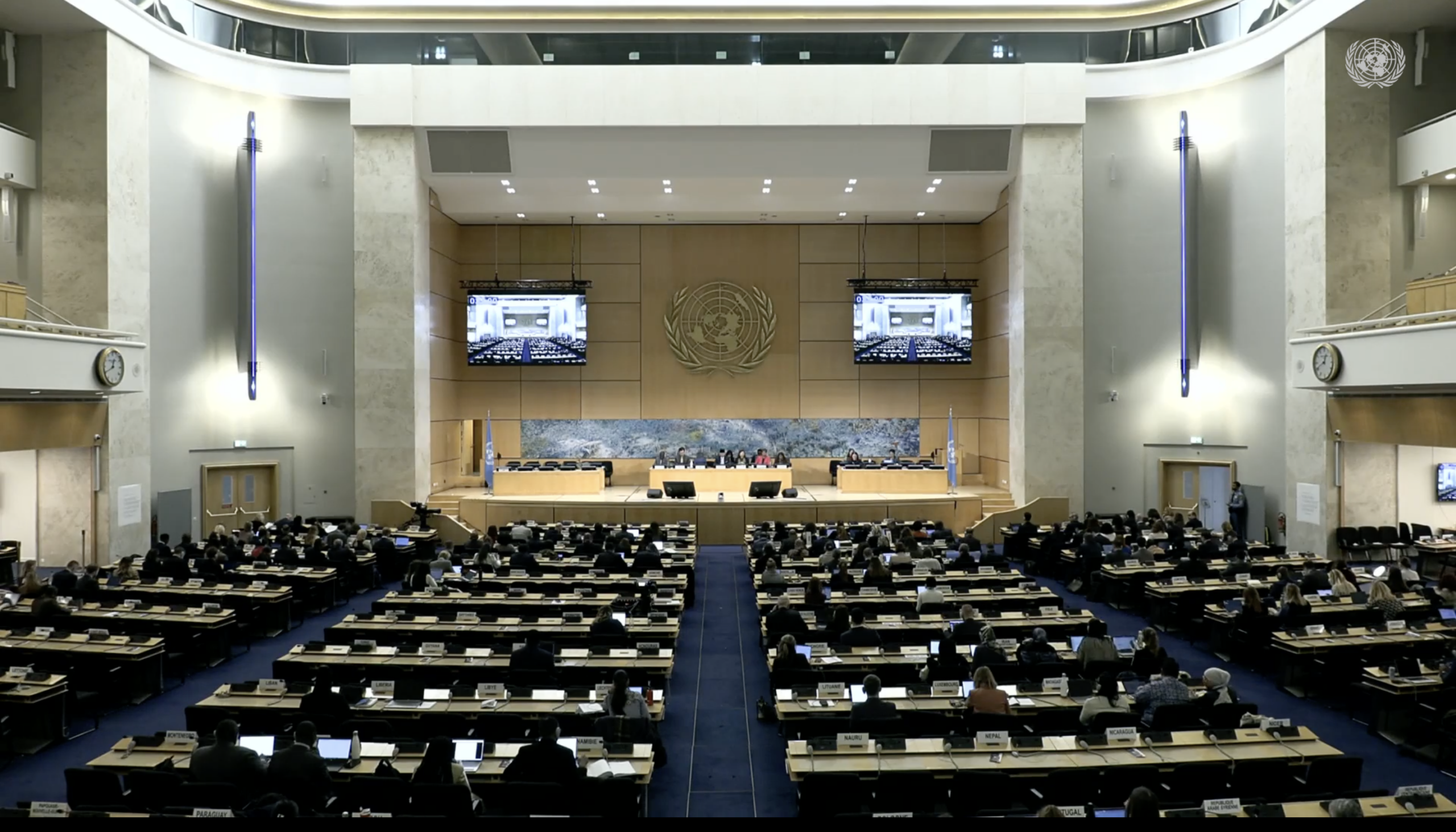
HRC62: Civil society presents key takeaways from the session
At the 62nd Human Rights Council session, civil society organisations shared reflections on key outcomes and highlighted gaps in addressing crucial issues and situations.
Image: Pixabay.com/CreativeCommons

The Finnish Ministry of Foreign Affairs has commissioned an external evaluation of nine international NGOs active in the human rights field, including ISHR. The evaluation report provides valuable insights in ISHR’s work and impact.
The independent evaluation report describes ISHR as ‘the ‘go-to’ organisation when civil society is engaging with the UN human rights system’; ‘an effective and influential organisation which is strengthening the work of human rights defenders by providing training, capacity-building, collaborative advocacy initiatives and access to international and regional mechanisms and policymakers.’
Working in coalitions is described as being ‘part of ISHR’s DNA’. The report also cites the Model Law on the protection of human rights defenders as ‘an excellent example of how international commitments can be translated and contextualised into impact at the national level.’
Additionally, the report highlights that:
‘Independent evaluations are crucial to our institutional monitoring and learning processes’ says ISHR’s Vincent Ploton. ‘We regularly commission evaluations of specific ISHR projects and publish the findings on our website. What’s particularly valuable with this independent evaluation is that it covers nine international NGOs active in the human rights field. We have taken a range of measures in accordance with the findings of previous external reviews, and we look forward to engaging in future similar processes,’ Ploton concludes.
Download as PDF
At the 62nd Human Rights Council session, civil society organisations shared reflections on key outcomes and highlighted gaps in addressing crucial issues and situations.
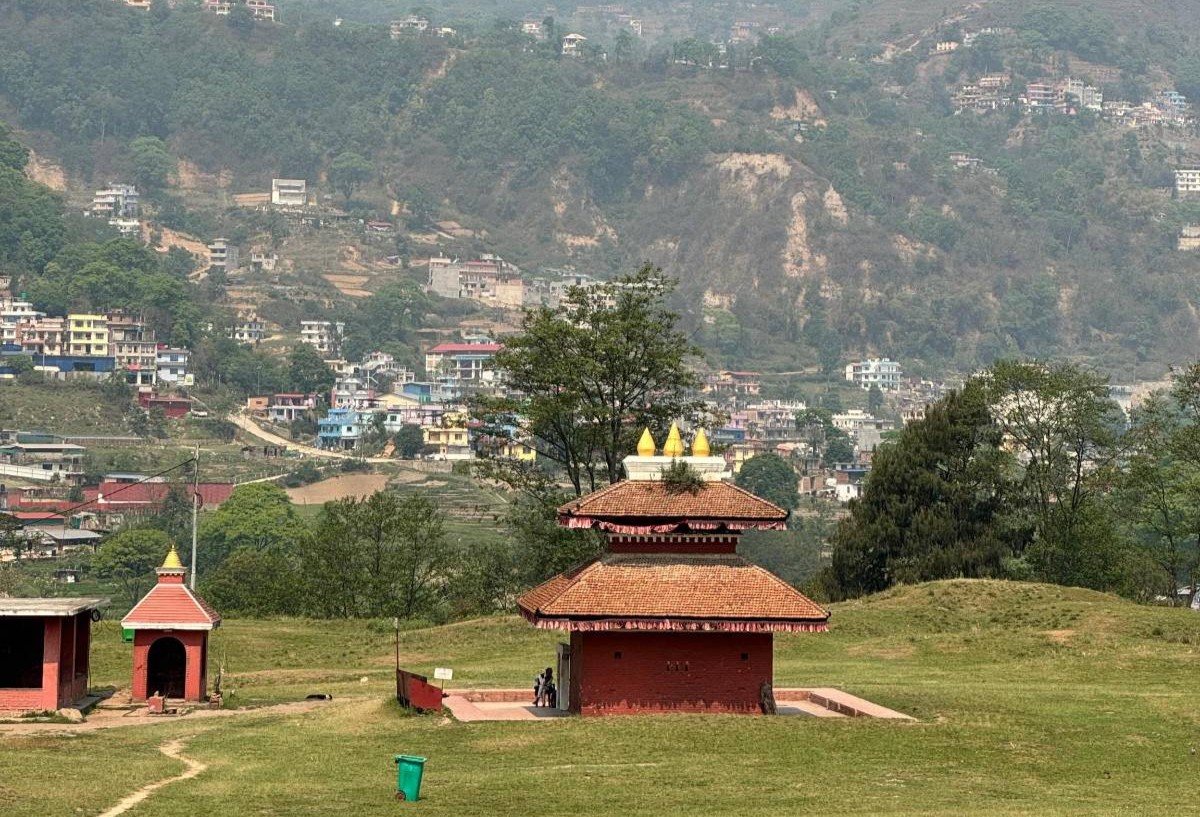
Despite Nepal’s international commitments, human rights violations against Indigenous Peoples continue. The new government has an opportunity to align its laws with international standards, ensure consent for projects affecting Indigenous communities, and protect the right to peaceful protest and the right to defend rights.
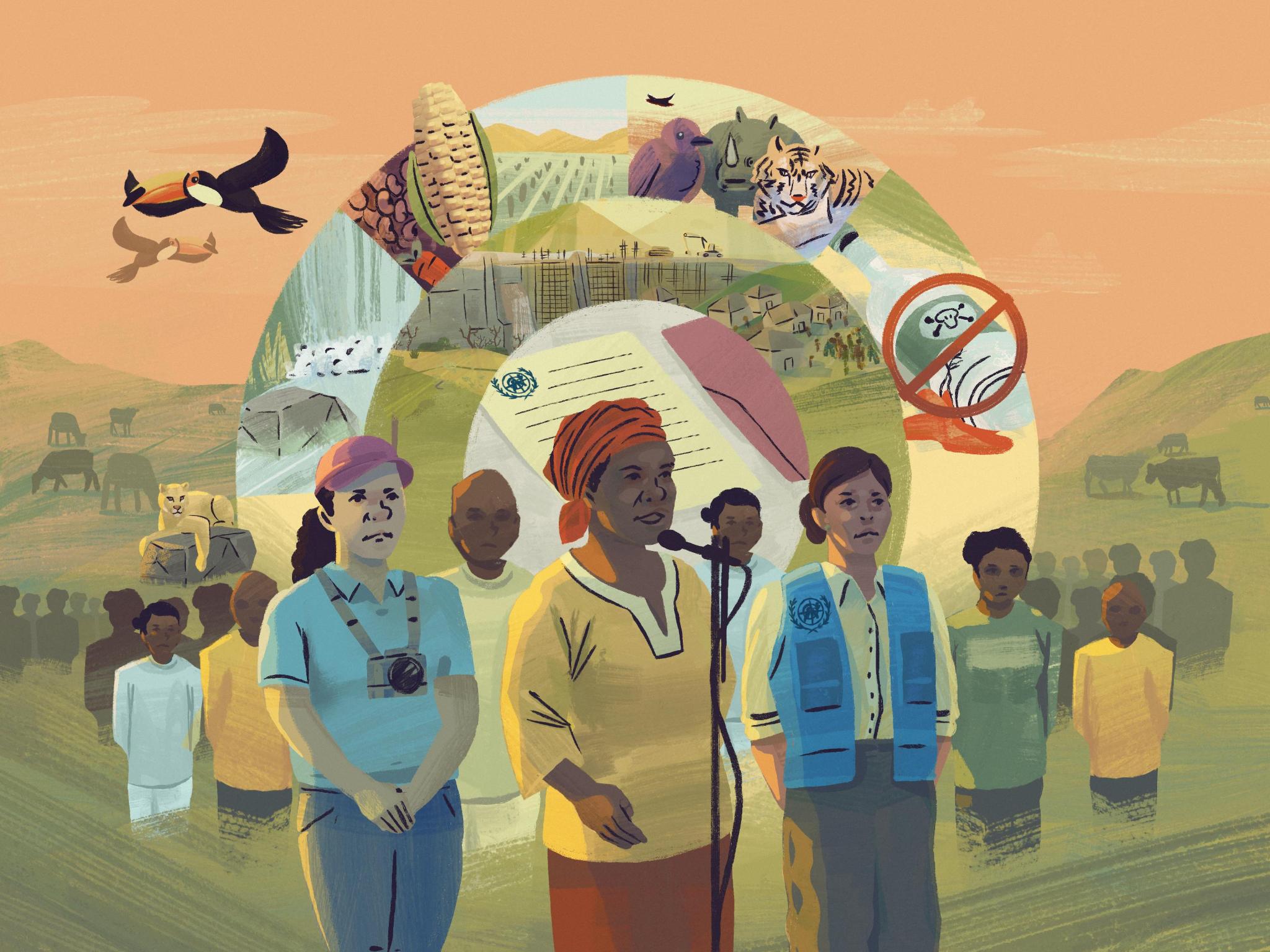
ISHR introduces a new on-line course on advocacy for environmental human rights defenders, a practical, self-paced resource for activists, community leaders, and allies to defend the right to a clean, healthy and sustainable environment using UN and regional mechanisms.