HRC62: Civil society presents key takeaways from the session
At the 62nd Human Rights Council session, civil society organisations shared reflections on key outcomes and highlighted gaps in addressing crucial issues and situations.
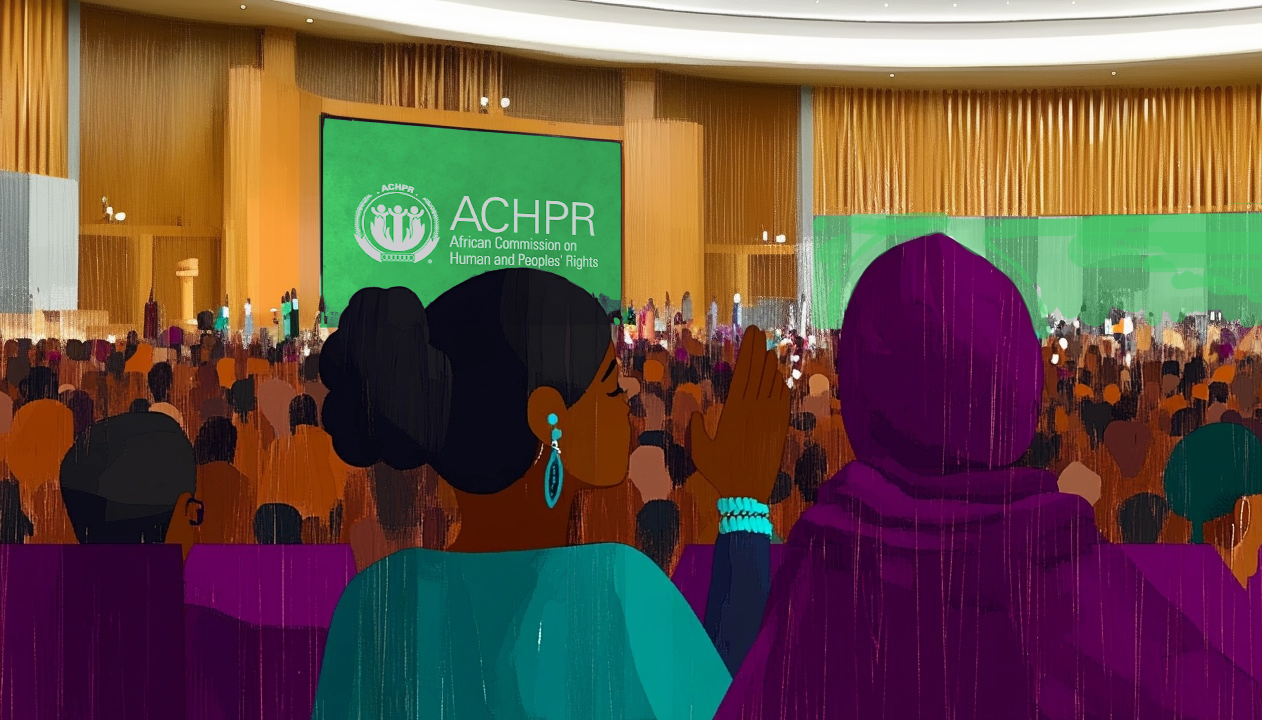
As part of the NGO Forum ahead of the 85th Ordinary Session of the African Commission on Human and Peoples’ Rights, the African Centre for Democracy and Human Rights Studies convened a panel on the issue of 'AI and Human Rights in Africa: Navigating the Future of Governance and Development'.
The panel on artificial intelligence (AI) and human rights was held on 19 October 2025 with panellists from Avocats sans frontières France, the Centre for Information Technology and Development, Baobab Bytes, Dadaïdes, and the European Union Delegation to Nigeria, with moderation from the University of Lagos.
The discussion highlighted the strengths and weaknesses of the existing legal framework – or lack thereof – in Africa with respect to AI.
Participants pointed to the African Union Convention on Cybersecurity and Personal Data Protection – the so-called Malabo Convention, adopted in 2014 – and, at the same time, the common absence of binding domestic legislation on AI within African States at the national level.
In this last regard, the panel delved into the cases of Nigeria and Ghana and the gaps in their respective AI legal and policy frameworks.
The AI industry is an extractive industry in Africa.Stéphanie Lamy, Dadaïdes
Policy issues raised by the panel include cyberaddiction, algorithmic manipulation and targeting, lack of transparency at a technical level, data sovereignty, and – foreign – AI companies as extractive industries in Africa. The economic opportunities of AI and the potential for multilingualism in Africa were also raised.
In our interventions, ISHR called for a human rights-based approach to AI law, ethics, and policy in Africa, with a particular emphasis on the right to privacy.

At the 62nd Human Rights Council session, civil society organisations shared reflections on key outcomes and highlighted gaps in addressing crucial issues and situations.
Despite Nepal’s international commitments, human rights violations against Indigenous Peoples continue. The new government has an opportunity to align its laws with international standards, ensure consent for projects affecting Indigenous communities, and protect the right to peaceful protest and the right to defend rights.
ISHR introduces a new on-line course on advocacy for environmental human rights defenders, a practical, self-paced resource for activists, community leaders, and allies to defend the right to a clean, healthy and sustainable environment using UN and regional mechanisms.