Durban Declaration remains useful, relevant for combating racial discrimination
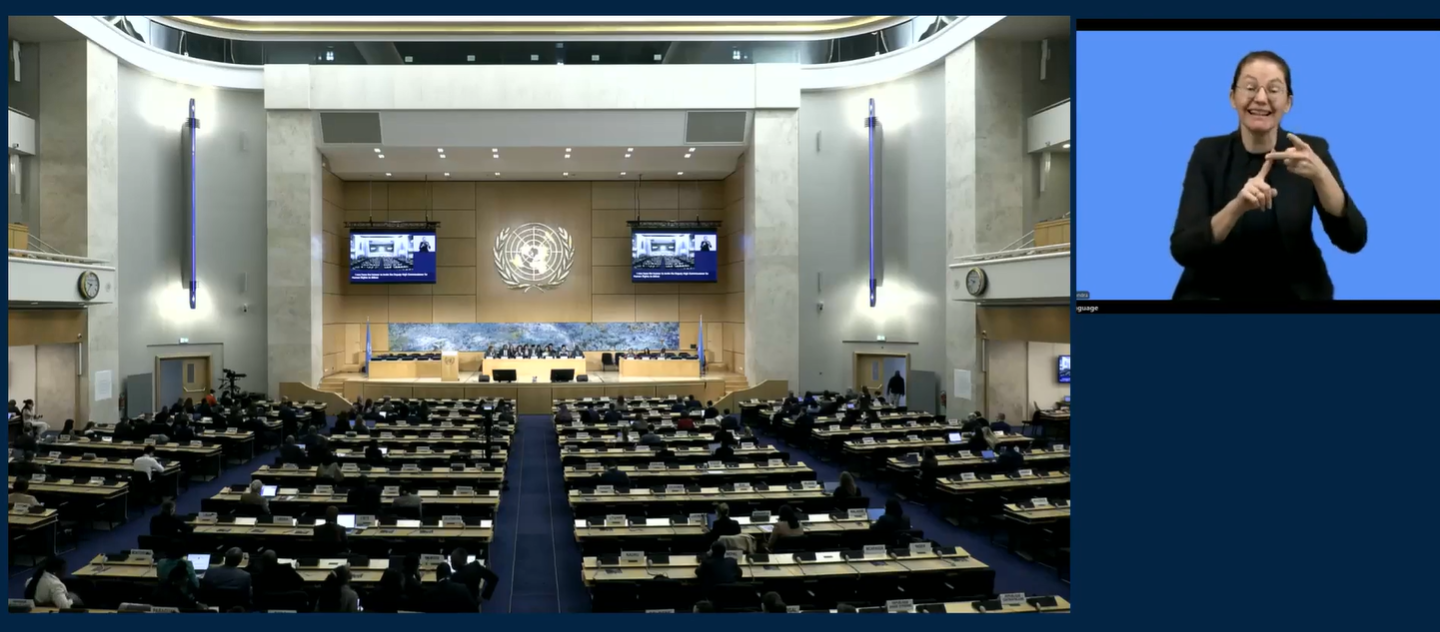
At a high-level panel on the 25th anniversary of the Durban Declaration and Programme of Action, ISHR called on States to renew their commitments towards its full implementation.
Panellists included Nada Al Nashif, Deputy High Commissioner for Human Rights, Martin Chungong, Secretary General of the Inter-Parliamentary Union, Beatriz Carrillo de los Reyes, Director General for Equal Treatment and Non-Discrimination and against Racism at the Ministry of Equality of Spain, James Ndirangu Waweru, Chair-Rapporteur of the Intergovernmental Working Group on the Effective Implementation of the Durban Declaration and Programme of Action, and Ketty Marcelo López, President of the Organization of Ashaninka Indigenous Women of the central Amazon region of Peru.
Speakers emphasised that, after 25 years, the Durban Declaration and Programme of Action (DDPA) remains a global framework for combating racism and its evolving manifestations, and they noted progress while stressing the urgent need to intensify efforts toward realising racial justice, particularly in times of massive proliferation of blatant racist rhetoric.
According to Beatriz Carrillo de los Reyes, ‘hate speech finds new ways of gaining ground through digital means and misinformation and bullies continue to erode coexistence and the most basic consensus and agreements’. Furthermore, significant advances at the international level were recognised, such as the drafting of the United Nations Declaration on the Human Rights of People of African Descent.
According to Al-Nashif, the most common form of discrimination is based on national or ethnic group, while discrimination based on skin colour remains prevalent. In addition, at least 30% of human rights defenders killed worldwide in 2024 were Indigenous or belonged to a minority group. Against this backdrop, Al-Nashif asserted that the simplest way forward was for States to fulfil the commitments made in the Durban Declaration and Programme of Action, though she also acknowledged that this was not exclusively a matter for States.
‘Businesses also have an important role. They have a responsibility to prevent and mitigate racial discrimination linked to their operations through policies, due diligence and mechanisms to address grievances,’ Al-Nashif said.
Businesses must also analyse their historical role and economic benefit in the root causes of racism, racial discrimination and related forms of intolerance. In this regard, the media also plays an important role in promoting and reflecting diversity and fair representation, including in its coverage of culture, sports and civil society.
Ketty Marcelo López highlighted how racism and classism intersect to shape the experiences of Indigenous women, particularly regarding their rights to land, autonomy, and self-determination. Ketty stressed that Indigenous peoples reject assimilation, and demand respect for their ways of life. Last, Marcelo López stated that the governments of the Americas remain colonial, as colonialism did not end with independence.
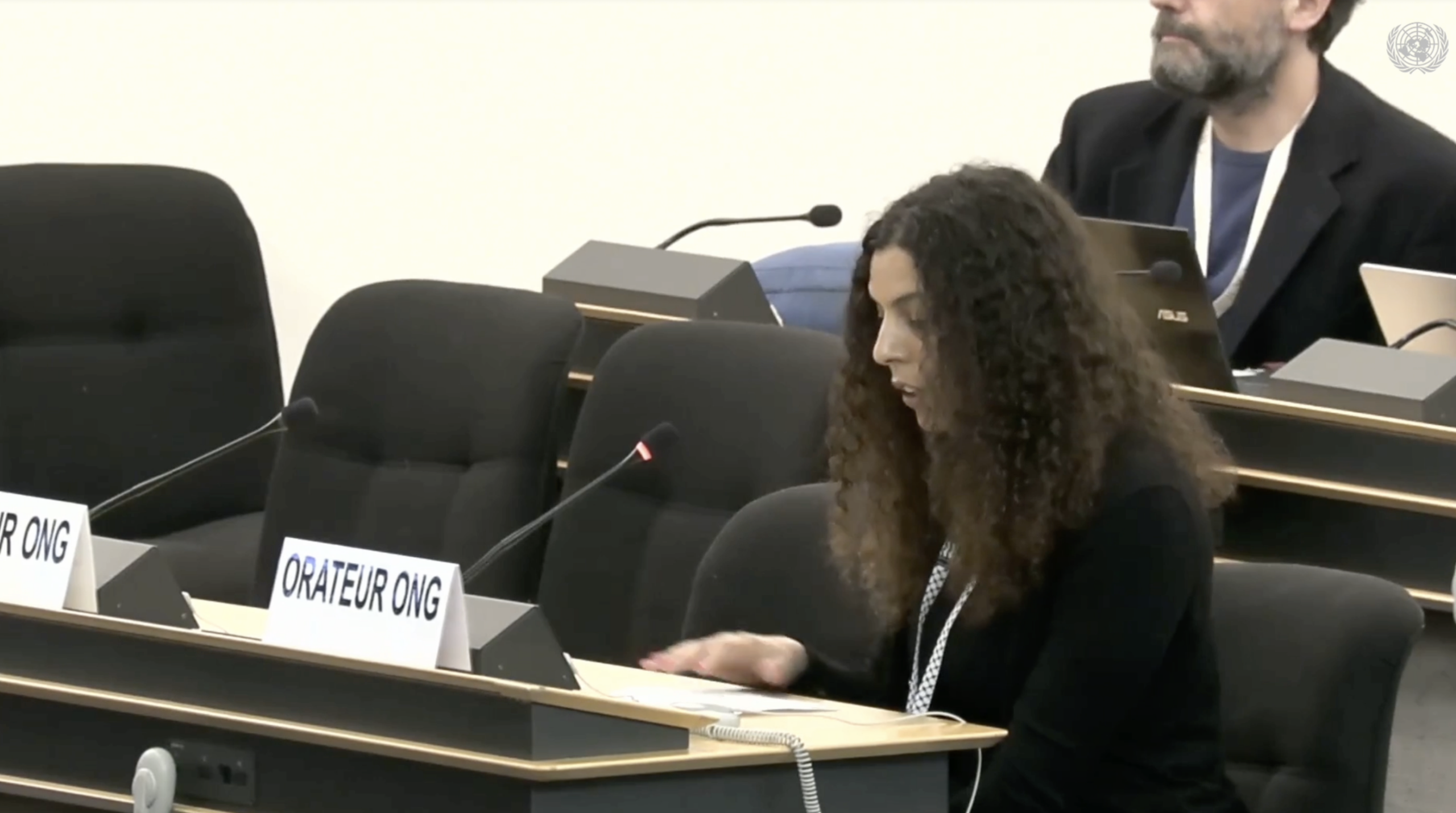
Taking the floor to advocate for a renewed commitment to the DDPA, ISHR reiterated that no country is free from racism, and it is time for States to focus on building a more equitable and just world for all. Ending racism requires restorative justice, which calls for courageous leaders and a supportive government structure to end centuries of discrimination and dismantle the colonial power structures that sustain deeply entrenched systems of oppression.
ISHR delivered a statement containing five concrete calls for States:
To oppose any UN reform that could undermine access to justice and the participation of Africans and people of African descent.
To actively participate in the drafting of the UN declaration on the promotion and full respect of the human rights of people of African descent.
To renew all anti-racist mandates that are up for renewal this year.
To participate in activities related to the African Union’s decade of reparations.
To recognise that systemic racism is a direct consequence of the Transatlantic Trade in Enslaved Africans and colonialism, and take concrete measures to redress historical injustices.
Find ISHR’s statement below.
Read the full statement below:
The Durban Declaration and Programme of Action is the United Nations action plan to combat racism, racial discrimination, xenophobia and related forms of intolerance worldwide. It embodies the international community’s firm commitment and has great moral value, serving as a basis for advocacy initiatives around the world. In this spirit, United Nations mechanisms such as the WGEPAD, the PFPAD, the IGWG for the effective implementation of the Durban Declaration and Programme of Action, the EMLER and others were created to uphold the commitments made 25 years ago.
In the context of United Nations reform and the global crises, it is more important than ever to respect, protect and fulfil the agreements reached in Durban, renewing the commitment to accountability and justice, and opposing any reform that could represent a step backwards in terms of human rights and access to justice for those individuals and communities affected by systemic racism.
The links between past and contemporary forms of racism were clearly established at the 2001 World Conference against Racism. It was recognised at that moment that no country can claim to be free of racism, that racism is a global problem and that combating it requires a universal effort. These words are as true today as they were then.
In the context of increased repression, militarised and excessive policing, racial profiling, racial discrimination in the administration of migration, increased hateful narratives, and other human rights violations, this demands that States move towards concrete measures in favour of racial justice and give greater priority to the global fight against structural racism and all its manifestations.
ISHR, in our work of supporting those who have been actively working to build a world free from racial injustice, echoes the words of human rights defenders and their organisations, and calls on States to:
Oppose any UN reform that could potentially undermine access to justice and participation for Africans and Afrodescendants.
Actively participate in the development of the draft UN declaration on the promotion and full respect for the human rights of people of African descent.
Renew all the antiracism mandates up for renewal this year: the Special Rapporteur on contemporary forms of racism (HRC61), the Intergovernmental Working Group on the effective implementation of the DDPA (HRC61), and the Working Group of Experts for people of African Descent (HRC63).
Participate in the activities around the ACHPR decade on reparations.
Recognise that systemic racism is a direct consequence of the Transatlantic Trade in Enslaved Africans and colonialism, and look at the root causes for systemic racism in each national context in order to properly address its evolving manifestations. In this spirit, take concrete actions towards reparations for historic injustices.
ISHR, the Center for Constitutional Rights, Advocates for Human Rights, the Unitarian Universalist Service Committee and Human Rights First delivered a joint statement at the Human Rights Council on the United States' refusal to cooperate with the Universal Periodic Review.
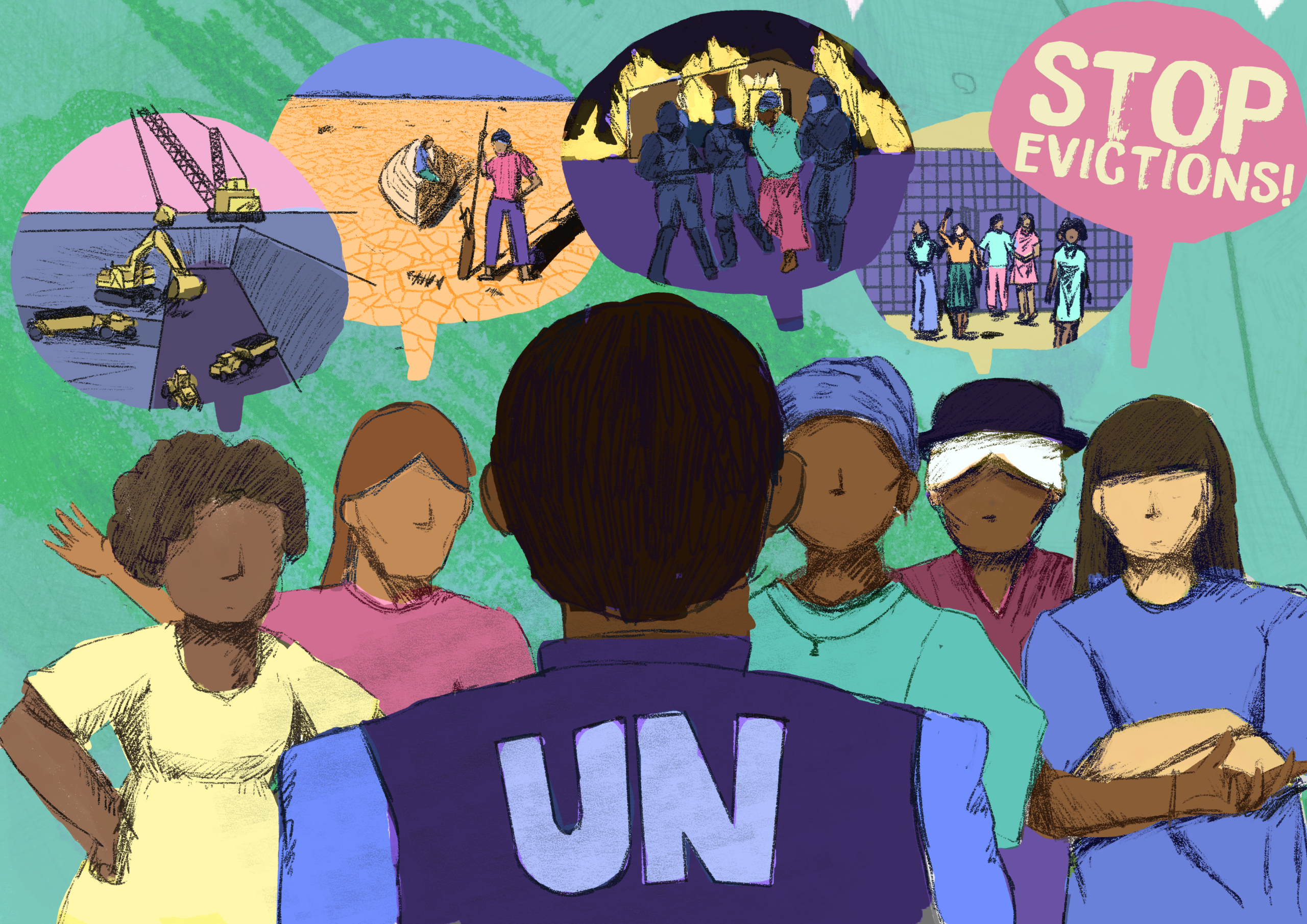
The Special Rapporteur on Adequate Housing presented his final report on his visit to Guatemala, with recommendations seeking to address decades of displacement, dispossession of land against Indigenous Peoples, and the criminalisation of defenders.
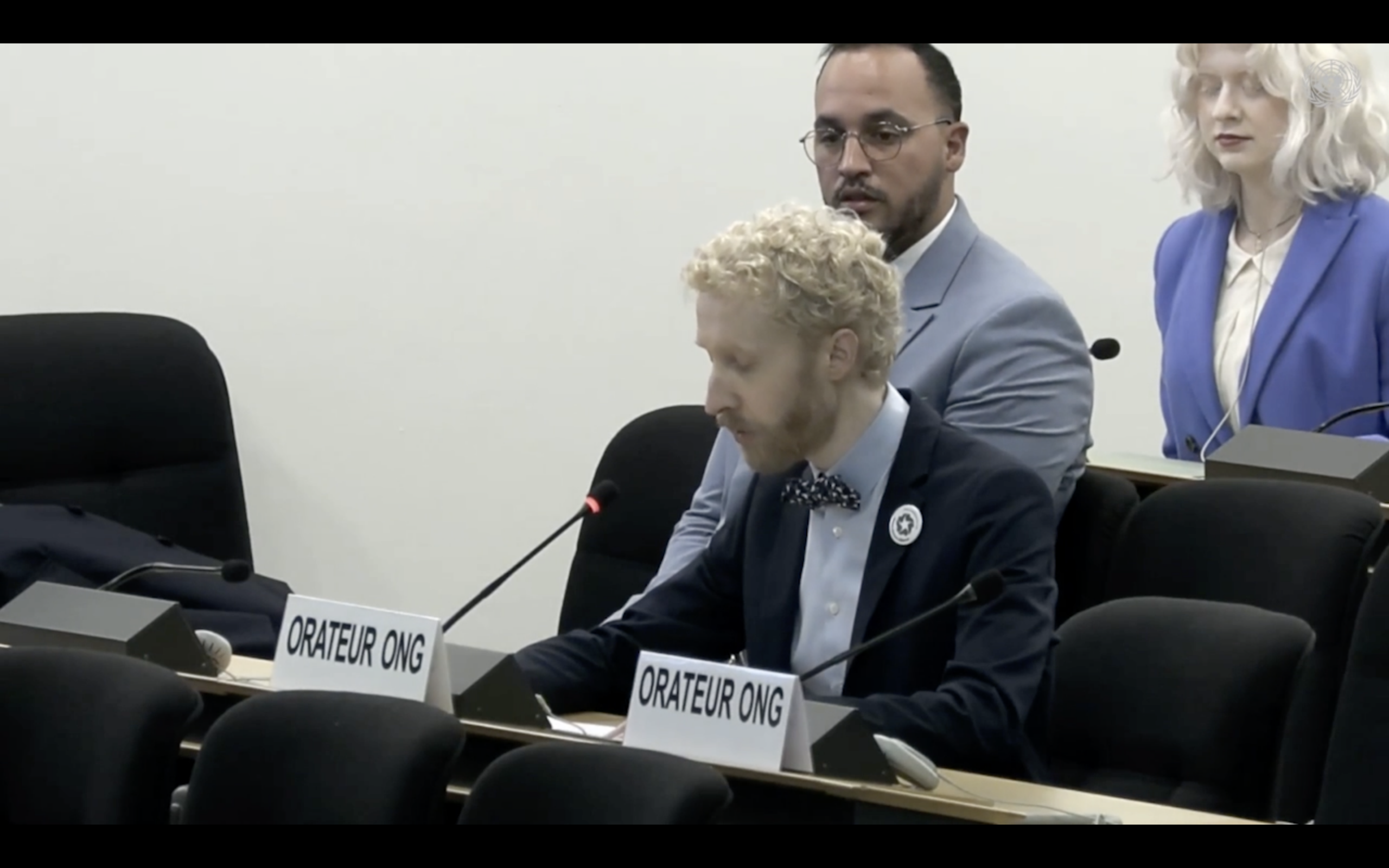
During an HRC61 debate with the Independent Expert on the enjoyment of human rights by persons with albinism, Antoine Gliksohn, Executive Director of the Global Albinism Alliance delivered a joint statement with ISHR. Read and watch the statement below.