
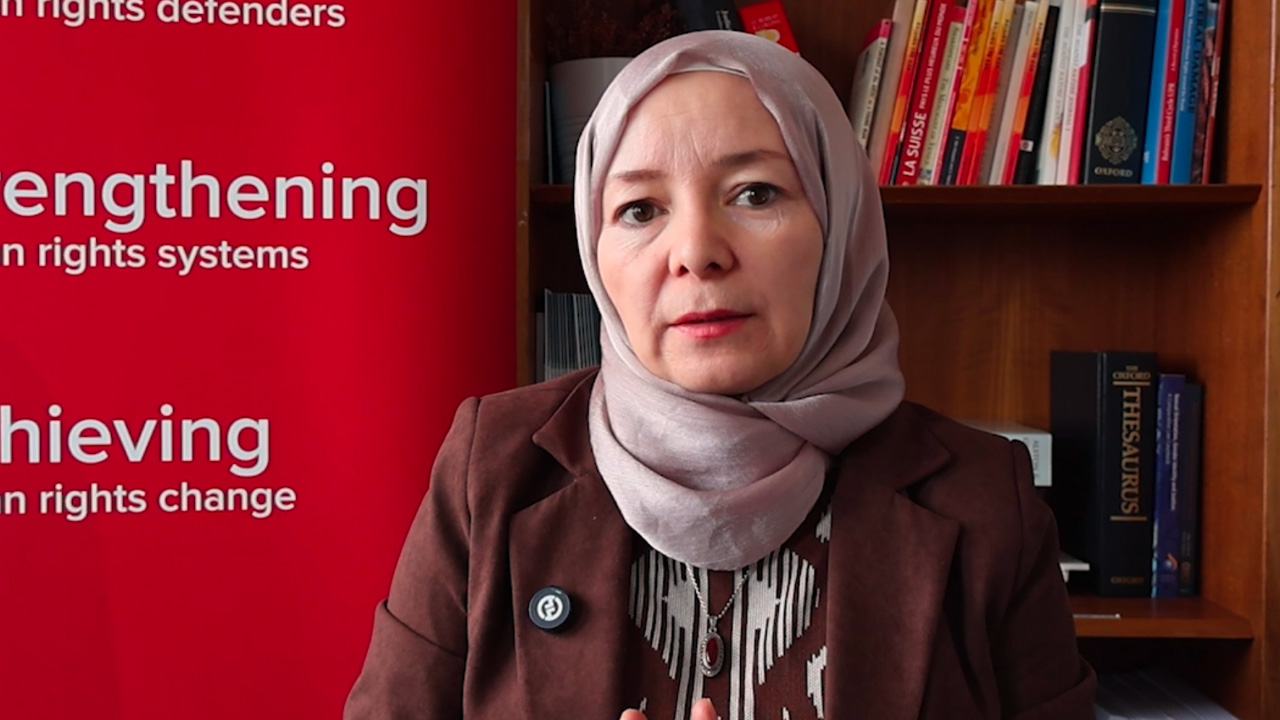
Human Rights Defender's story: Rizwangul NurMuhammad
'Speaking up is not only an act of resistance, but it is also an act of care and love for our kin.'
'The rights of migrant workers is a global problem, and actors in different jurisdictions have to come together to make a difference in this particular area,' says Barun Ghimire, a human rights lawyer based in Kathmandu, Nepal. 'And we need to create a collective narrative that is based on a rights-based approach of migrant workers.'
Barun Ghimire is a human rights lawyer and programme manager at the Law and Policy Forum for Social Justice. Barun works for the protection and defense of the rights of migrant workers in Kathmandu, Nepal.
In this video, Barun explains his work in relation to the rights of migrants, as well as how Covid-19 has affected this group, which is facing even stronger vulnerability. He also calls the international community and other actors to come together and help improve the situation of migrants workers as well as their families. To achieve this goal, it is necessary to create a new narrative and defend and promote the rights of migrant people in vulnerable situations, especially during and after Covid-19.
Barun was also a participant in ISHR’s Human Rights Defender Advocacy Programme (HRDAP) in 2020.
Watch the video below to learn more about his experience at HRDAP!
'Speaking up is not only an act of resistance, but it is also an act of care and love for our kin.'
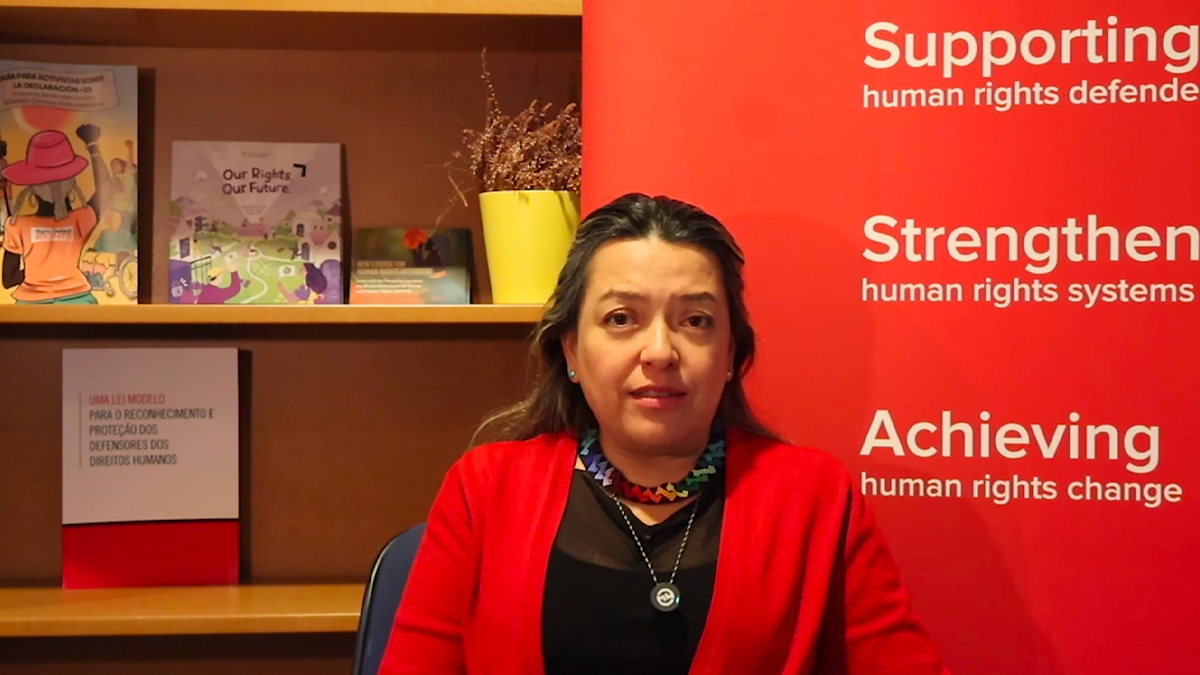
'A revolution where you can’t dance is not my revolution,' Ecuadorian environmentalist Nathalia Bonilla told ISHR, arguing for an ‘environmentalism for the people'.
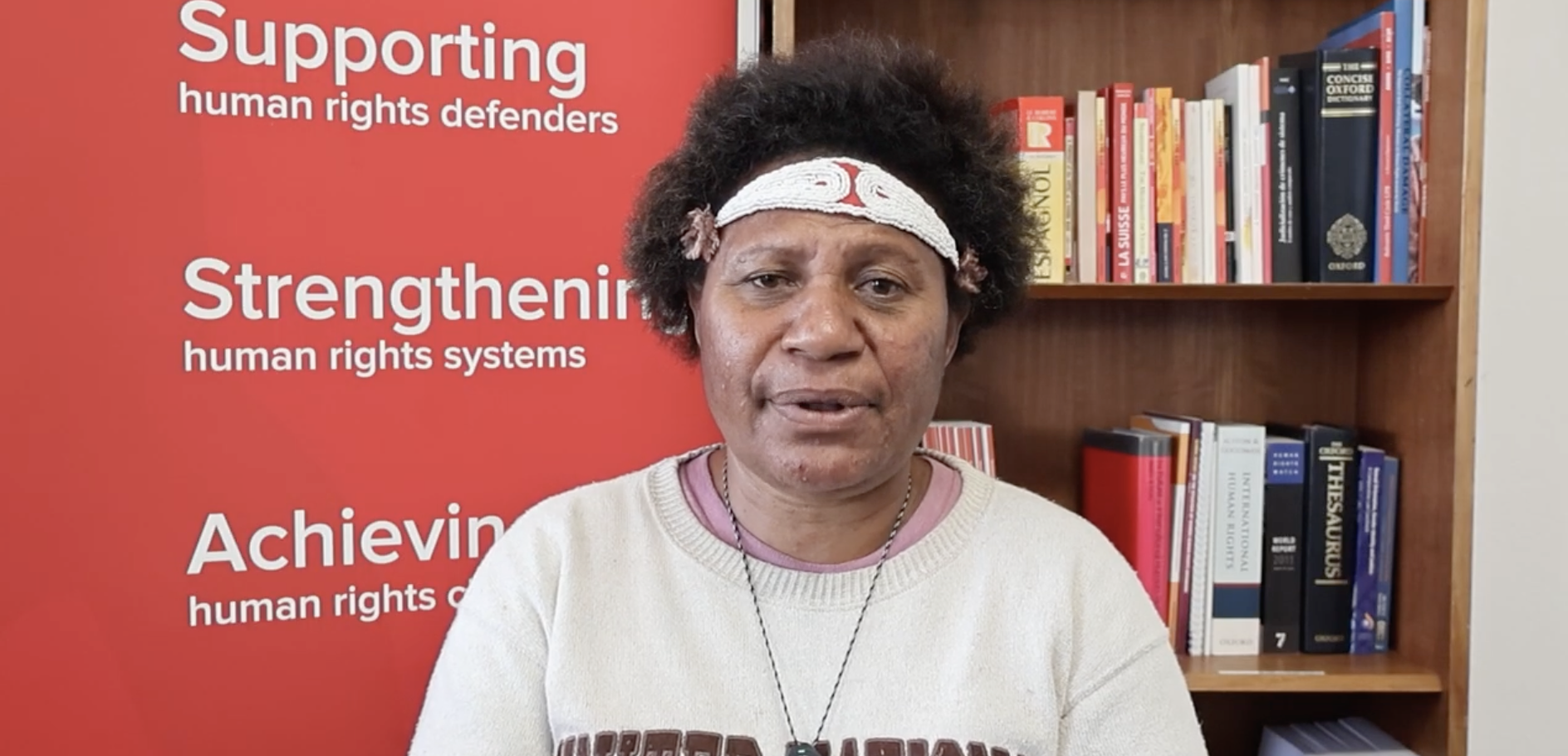
'When we feel the impact of the loss and damages of the environment that we belong to, that's the only source of our strength for doing our subsistence farming and produce food for the family,' says Cressida Kuala.